

How COVID-19 affects the skin
Around GMA
Around GMA
21 colorum vehicles impounded, says LTO Region 7 Mga Pinoy nga Moadto sa Taiwan, Visa-Free hangtod sa July 31, 2027 | Balitang Bisdak BINI's single for the film 'Forgotten Island' to be released on July 23Article Inside Page
Showbiz News
As the COVID-19 pandemic develops, two dermatologists agree that it can affect your skin.
Early this month, a research by King's College London found that skin rashes may be included as a fourth key symptom of COVID-19.
The study, which has been published online but has not yet been peer-reviewed, drew upon data from 336,000 regular users of the COVID Symptom Study app in the UK.
With that data, researchers were able to conclude that 8.8% of people who tested positive from the virus suffered a skin rash together with the other reported COVID-19 symptoms like cough, fever, and loss of smell.
GMANetwork.com consulted with two dermatologists, Dr. Jean Marquez a Fellow at the Philippine Dermatological Society and Dr. Grace Carole Beltran, to discuss the topic and shed light on when to get tested when you see skin manifestations on your skin.

Dr. Jean Marquez and Dr. Grace Beltran / Source: Medical News Today
What COVID-19 can do to the skin
Based on research findings, there are three common rashes associated with COVID 19 and these are the following:
Hive-type rash (Urticaria)
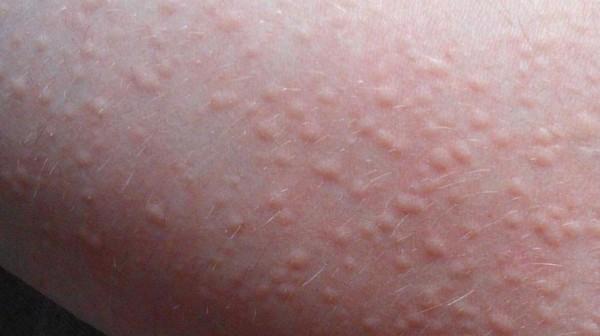
Urticaria on skin / Source: Medical News Today
Hives are a very common skin manifestation caused by an allergic reaction to a medication or food or a reaction to an irritant in the environment.
They are characterized by itchy, raised welts on the skin and are usually red, pink, or flesh-colored, and sometimes sting or hurt when touched.
Chickenpox-type rash
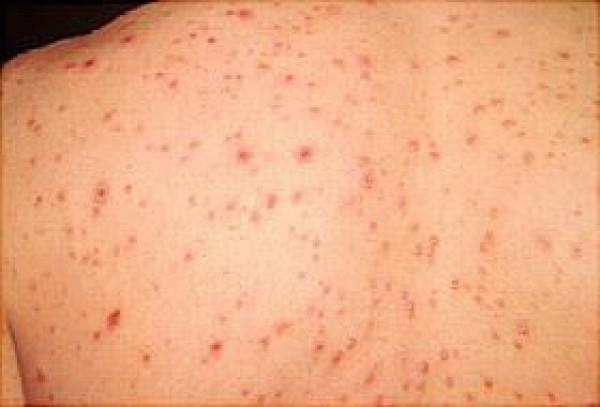
Chickenpox on skin / Source: Medical News Today
Another skin manifestation associated with COVID-19 is the “prickly heat” type of rash or chickenpox-type of rash that is characterized by itchy red blisters all over the body.
COVID toes and fingers
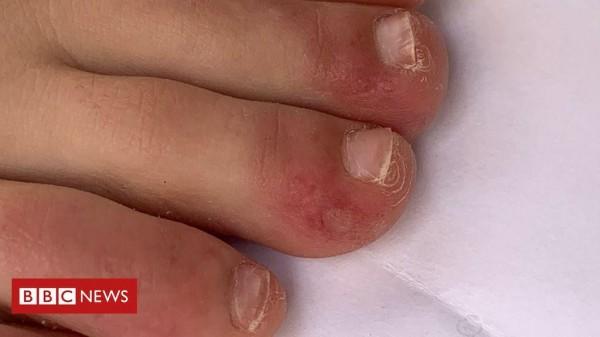
COVID toes / Source: BBC
COVID toes and fingers are characterized by reddish or purplish bumps on the tips of the fingers or toes that are sore when touched.
According to Dr. Beltran, the feeling can be described to be similar to that of frostbite when the skin is left exposed in cold, windy weather.
The main challenge, says the two dermatologists, is that these skin manifestations are very common among viral infections, and that look and feel very similar to a reaction to certain medications.
Dr. Marquez clarifies, “The thing is, most viral infections have skin manifestations so I won't be surprised if COVID has.
“But, the thing with COVID is hindi pa nila na-e-examine thoroughly because of the risk for the health workers.
“So hindi pa nila masyadong napu-prove that it is part of the virus or is it a drug reaction because patients of COVID-19 are given so many drugs, e.”
Dr. Beltran adds, “It is very confusing now kasi hindi pa well-established 'yung cutaneous studies na nakuha nila sa COVID-19. So the study about that is still on-going.
“So maybe several years from now, mafa-finalize na talaga kung ito ba talaga ay isang symptom ng virus, ilang weeks siya maglalast, at kailan siya magi-start.”
When to start getting tested for COVID?
Although COVID-19 is often thought of as a virus that affects the respiratory system, rashes have been reported in many people in China and Europe who had needed hospital treatment for severe symptoms of the disease.
That's why Dr. Marquez advises that it is important to keep an eye on new changes on your skin, such as lumps, bumps, or rashes.
She says, “There is a small percentage, around 1 is to 5 who tested positive, that the skin manifestation was the only symptom.
“However, this is still only a small percentage of the whole population of COVID-19 patients so not all cases will have a rash.”
A good rule of thumb, according to both doctors, is to get immediately tested when you feel the onset of the more common symptoms like cough, fever, loss of smell, and heaviness in breathing.
Dr. Beltran mentions, “Actually that is what is happening right now. A lot of my patients worry a lot--but that's a given nowadays.
“Pero hindi naman ibig sabihin may uticaria ka, may COVID-19 ka na agad.
“You have to observe first kung may other symptoms ka like fever, headache, nausea, diarrhea… If you don't have those, why worry kaagad na COVID-19? Siyempre hindi agad-agad.
“Relax lang tayo.”
