

 GMA Brandtalk
 Tracking
 Archives

The vets study killer teeth on 'Born Impact'

“Killer Teeth”
Many of the fearsome creatures in the animal kingdom have one thing in common—sharp, powerful teeth that can tear flesh from prey. This Sunday, Born IMPACT takes on some of the most feared jaws in the animal kingdom.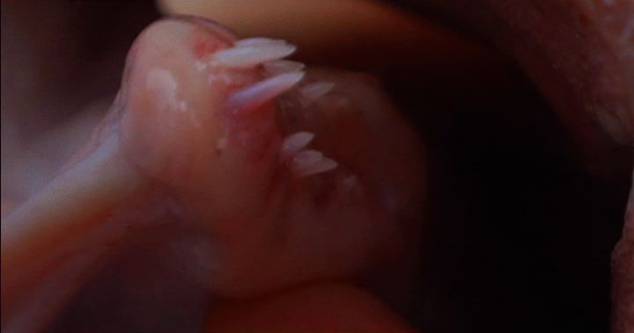
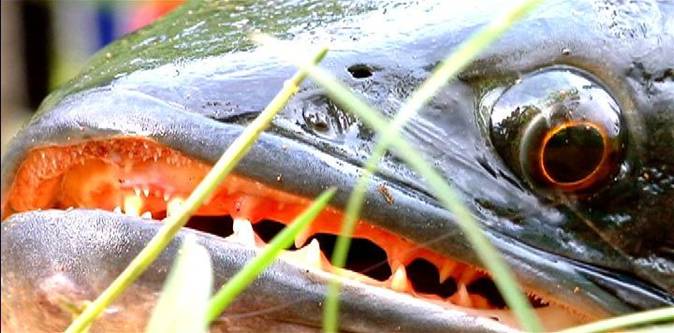
In Rio Tuba, Palawan, a severed carcass of a fisherman was found. Residents believe that the saltwater crocodile living in the nearby estuary is behind the murder. The Palawan Council for Sustainable Development was tasked to capture the “suspect” crocodile and transfer it far from human settlements.
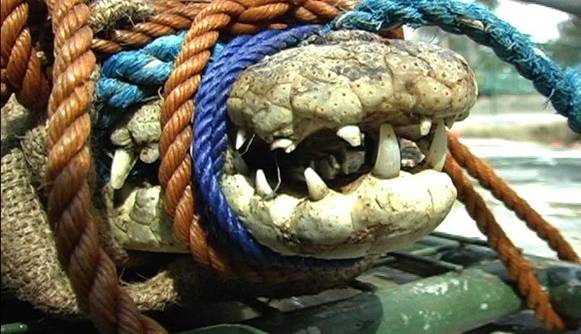
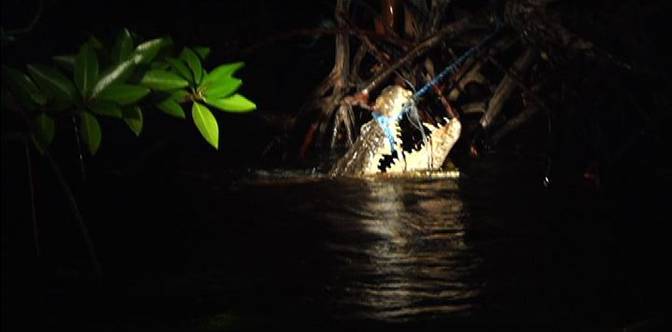 Crocodiles are able to replace their teeth. As a result, a single crocodile can go through at least 3,000 teeth in its lifetime. Hands-on tests from the University of Florida show that saltwater crocodiles have the strongest bite ever physically measured. And with this kind of freshwater monster lurking in Rio Tuba’s waters, Born IMPACT tries to unravel the reason behind the “alleged killing”, and how attacks like this can be avoided.
Last February, a rare shark attack also killed a Filipino fisherman in Indonesian waters. The other fisherman who was with the victim tells the story of how they were attacked by a shark when their boat capsized. They were able to climb atop their capsized craft but the victim’s injuries were reportedly so severe, causing him to lose blood and perish. Sharks are ocean’s “apex” or top predators. A shark bites with its lower jaw first and then its upper. It tosses its head back and forth to tear loose a piece of meat. And they never run out of teeth. If one is lost, another spins forward to take its place.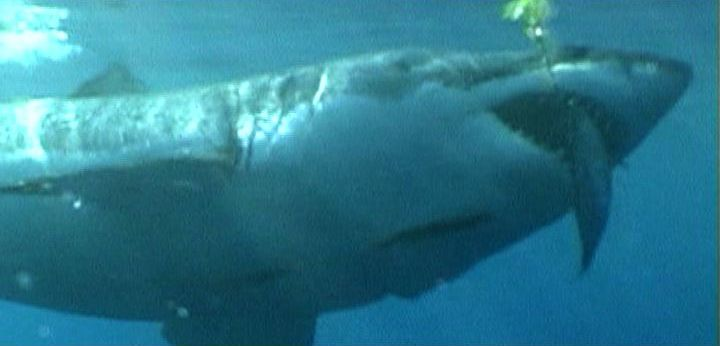
But while these apex predators may be dangerous to humans, they are now facing an alarming decline in their population. The Convention on International Trade in Endangered Species (CITES) of Wild Fauna and Flora has established that more than 100 out of 400 shark species are being commercially exploited to the point where their long-term survival can no longer be guaranteed. Doc Nielsen Donato documents an effort to save sharks by releasing a number of captive-bred sharks in the wild. But now fishermen in the area are worried that the sharks may be dangerous to them as well.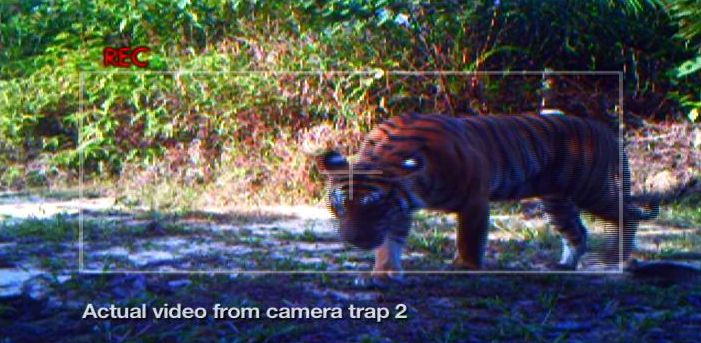
Doc Ferds Recio, on the other hand, documents the Sumatran Tiger, reputed as “man-killers” in Indonesia. He tries to understand why these animals turn to humans for prey, when in fact their natural prey are deer, macaques, pheasants and other smaller animals. Doc Ferds visits their habitat to investigate and reasons behind the attacks became obvious.
Catch Born Impact this Sunday, 9:30 am after AHA!

