What to remember when you're down with a sports-related injury
Around GMA
Around GMA
LIVE - PCG press conference on MV June Aster fire off Coron, Palawan | GMA News Francis Libiran reaches out to Bangsamoro community following Inaul fabric controversy Daig Kayo Ng Lola: Lalaban na sila! | TeaserArticle Inside Page
Showbiz News
Sports-related injuries are no doubt hard for athletes. But instead of being down about your situation, here are a few things you can try that will hopefully lift your mood. Read on.
Being an athlete, one is exposed to a lot of things, injuries included. Regardless of how healthy you are, injuries happen and they are out of your control. What you can control, though, is how you deal with it.
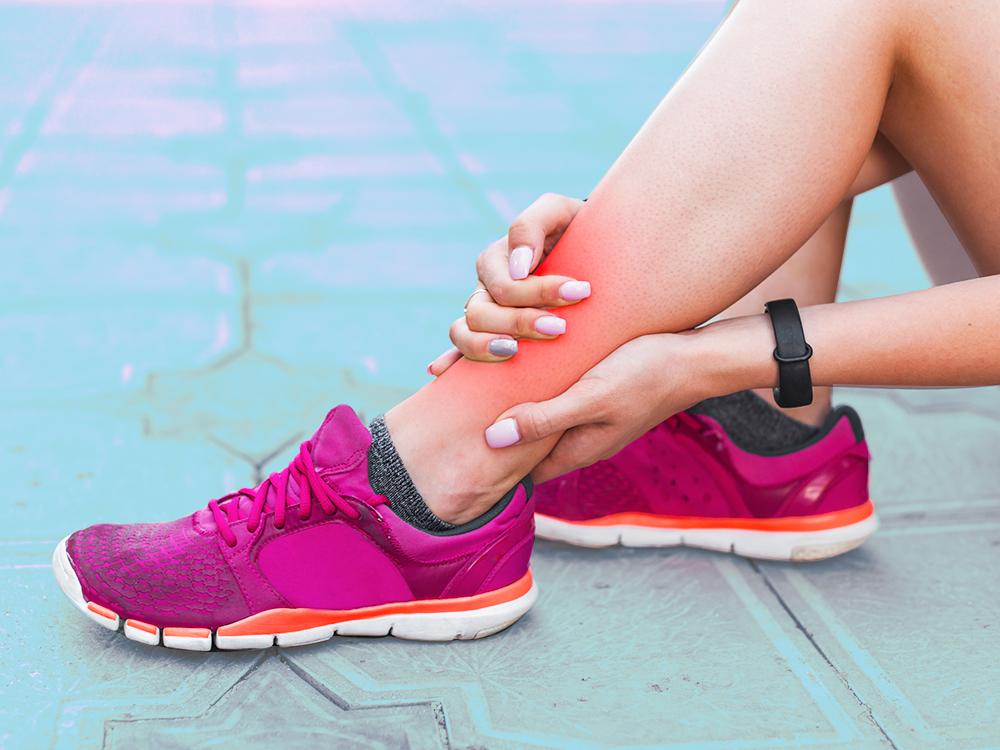
Instead of being down about your situation, here are a few things you can try that will hopefully lift your mood.
Study
Learn more about your type of injury. Knowing its extent is the first step to overcome it.
According to sports website verywellfit.com, these questions can help you understand your injury better:
a. What is my diagnosis (what type of injury do I have)?
b. How long will recovery take?
c. What is the purpose of the treatments I am receiving?
d. What should I expect during rehab?
e. What alternative workouts can I safely do?
f. What are the warning signs that I am getting worse?
Accept
You can't do things that you're used to and that's fine. Accept that but know that it's only temporary. According to active.com, acceptance is crucial to recovery because “research shows a direct relationship between stress and injury.” Anxiety can also cause muscle tension, which in turn delay your progress.
Stay positive
Having a positive attitude can also help you go back to shape faster. Believing in yourself that you can go back to your A-game can help a lot during your rehabilitation. Going to your recovery sessions can be hard but having a right, positive attitude can help.
Appliedsportpsych.org cited the research done by Lydia Ievleva and Terry Orlick that fast healers “took personal responsibility for healing” and they “had high desire and determination.”
Be healthy
Being injured doesn't excuse you from eating unhealthy food. Eating nutritious food can make your recovery faster since you cannot train as hard as before. Also, finding another sport can help you stay fit, according to verywellfit.com. “Establish a good alternative workout program. If you can't run, perhaps you can cycle or swim.”
Support system
The common response when you get injured is to cut all the connections you have with your teammates, family, friends and other people but having someone who can encourage you during your rehab can be a big help. Also, having a support system can make you feel validated, knowing that your teammates are behind your back, supporting your progress.
Also, working with a psychologist is advisable, according to crossfitinvictus.com. “Working with a psychologist can be helpful when one is injured and the emotional ramifications are significant.”
Lastly, it's always best to consult with a doctor for proper assessment and treatment of your injury.
