What gives Puto Bumbong its color? No, it's not Ube!
Around GMA
Around GMA
Liza Soberano says 'Forgotten Island' has plenty of Easter eggs for Pinoys Sayran nato ang Dagan sa Panahon karong Adlawa August 25, 2026 | Balitang Bisdak Patricia Tumulak, TENDERISM ang pamanang recipe ng kanyang lola sa tuhod! | Farm To TableArticle Inside Page
Showbiz News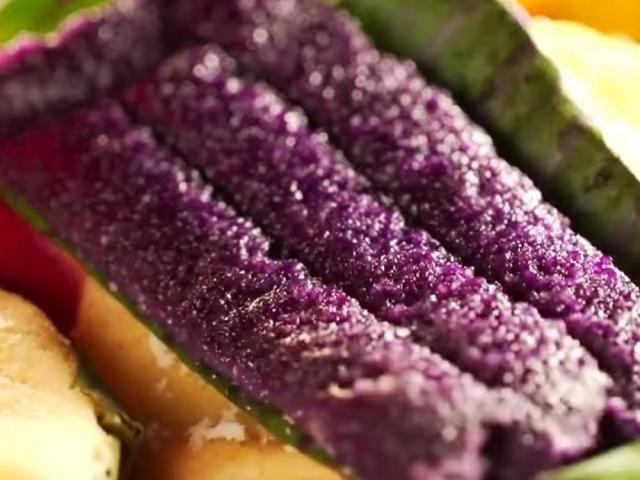
Have you tasted the famous puto bumbong? Learn more facts about this Pinoy kakanin and how to make it.
One of the things that Filipinos look forward to after attending the Simbang Gabi, is to have a taste of the Pinoy favorite kakanin, Puto Bumbong or purple rice cake.
The native Filipino delicacy had long been a part of our Christmas traditions and is believed to have been in existence since the Spanish rule in our country.
Ironically, even if Filipinos have been making and eating Puto Bumbong for hundreds of years, there is still a common misconception about it.
Because of its purple or violet color, people are quick to assume that one of its ingredients is ube or purple yam. But in a recent episode of Pinas Sarap, host Kara David debunked this assumption.
Puto Bumbong's violet color actually comes from its main ingredient called pirurutong or purple sticky rice. The pirurutong is ground until it becomes powder. Then it is thawed until its consistency is similar to clay. After that, it will again be ground into powder.
The next step is to place the powdered pirurutong inside the bumbong or bamboo tube. The bumbong will give extra flavor to the puto or rice cake while it is steamed.
Watch Kara David learn the whole process of making Puto Bumbong in this episode of Pinas Sarap:
