'Pinoy MD' breaks down the effectivity of collagen products
Around GMA
Around GMA
Dagan sa Panahon Sayran nato Karong Adlawa December 29, 2025 | Balitang Bisdak The most controversial stories of 2025 PCSO: No winners in Dec. 29 draws, Grand Lotto 6/55 jackpot prize climbs to P269-MArticle Inside Page
Showbiz News
Do collagen supplements, lotions, really work? 'Pinoy MD' finds out”
If there's one thing people have been raving about in the beauty industry for the last five years, it's collagen.
From making your skin look dewy and fresh, your bones and nails strong, and joints pain-free, thousands of manufacturers claim that collagen supplements work.
But are they effective? Here's what we know from Pinoy MD.
What is collagen?
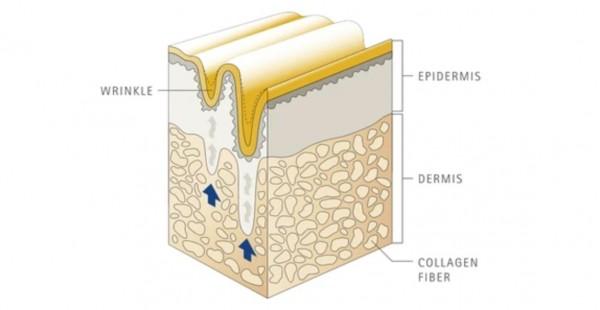
What is collagen? / Source: dewtybeauty.com
First of all, collagen is one of the most abundant proteins in our bodies. It makes up 75 to 80 percent of your skin.
The skin is composed mainly of collagen, but there are other things like elastin and hyaluronic acid, that keeps our skin elastic. But as we age, our bodies naturally start reducing collagen production and eventually wears out.
“Since ang collagen ay makikita sa ating blood vessels, kapag kulang ang collagen sa ating blood vessels as we age, tumitigas din ang mga blood vessels, and nagkakaroon din ng build up ng plaques or pagbara ng ugat sa puso,” said Dr. Jean Marquez, a board-certified dermatologist from DARE.
Starting in our 20s, we begin losing about 1 percent of our collagen each year leading to drier skin. Other factors such as sun exposure, cigarette smoking, and pollution can also play a role in accelerating collagen breakdown.
Hence, the concept of supplementing our collagen, especially as we age is incredibly appealing from a dermatologic standpoint.
Do collagen products work?
According to Pinoy MD, it depends on the product and we list down the reasons why:
1. Collagen creams
Collagen creams, lotions, and other topical treatments don't work in improving your skin's elasticity.
Why? Well, according to Dr. Marquez, collagen molecules are quite large so they don't penetrate the outer surface of the skin. They sit on the surface and the best thing that they can do for you is simply to moisturize the skin.
2. Collagen supplements
As for supplements and tablets, Dr. Marquez claims that it “might work.”
Some studies have shown that taking collagen supplements for several months can improve elasticity, joint, back, and knee pain. One of these studies was done at the University of Kiel in Germany where they saw a statistically significant improvement in skin elasticity after 4 and 8 weeks.
However, Dr. Marquez warns to be careful when buying collagen supplements online because of the other ingredients that may have been added to the formula.
Stating, “We have to be careful of course kasi 'yung mga collagen in capsule form, hinahaluan ng kung anu-anong ingredient.
“Either hindi magiging maganda 'yung absorption ng collagen kasi dun sa mga hinahalo or delikado naman 'yung mga hinahalo.”
3. Collagen IV Drips
Another way of supplying collagen into your body is through intravenous drips or IV drips found in dermatology clinics.
Based on studies, collagen IV drips can improve the skin's elasticity, reduce wrinkles, and improve the appearance of scars. However, due to the risk of allergies, it's better to consult with your doctor first before injecting anything in your body.
Dr. Marquez says, “Importante talaga ang collagen not just on our skin but on our bodies as well.
“And kung pipili sila ng source of collagen, make sure na the source is safe and tinanong nila sa kanilang doctor.”
If you want to go for a more natural route, why not try eating collagen-rich foods that may help create the building blocks you need for your #SkinGoals.
Food sources like bone broth, chicken neck and cartilage, fish, shellfish, egg whites, citrus fruits, and berries are a few options you can incorporate in your diet for a cheaper way in maintaining your skin's elasticity.
If you don't like the foods listed, remember, there's no one source.
A diet full of protein-rich foods, whether from plant or animal sources, can help supply this protein.
For even more dramatic results, try veering away from too much sugar and refined carbohydrates which are said to cause inflammation and damage collagen.
Pinoy MD: How to get rid of stretch marks
Pinoy MD: Three ways to losing belly fat fast
