Hepatitis B vs. Hepatitis C: What's the difference?
Around GMA
Around GMA
Iran threatens painful response if US resumes attacks, oil prices seesaw PDL who died in prison sustained injuries, autopsy shows Makiling | Ang Ganti ni AmiraArticle Inside Page
Showbiz News
According to the DOH, an estimated one in 10 Filipinos have chronic hepatitis B, and six in 1,000 have chronic hepatitis C. Find out their difference here:
Every hepatitis virus is different but they have one common denominator: they target the liver.
As we all know, the liver performs many vital functions such as cleansing the system, fighting infection, and storing energy.
But a person who has contracted the virus threatens the liver's ability to function.
There are three common types: A, B, and C. And according to the Department of Health (DOH), Hepatitis B and C tend to be more dangerous than Hepatitis A.
Dr. Theodora Cecile Magturo of the DOH tells The Healthy Juan, "Ang hepatitis ay isang sakit na nakakadulot ng pamamaga at pagsisira ng atay.
"Maaring itong maging dahilan ng malubhang sakit tulad ng cirrhosis at sa katagalan ay maaring maging cancer."
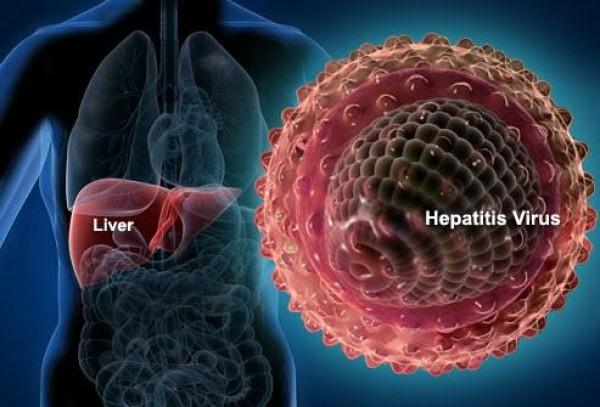
Here, we break down what you need to know of the virus and the preventative measures to take to ensure your health and safety.
Symptoms
Whether its type A, B, C, D, or E, all forms of hepatitis present the same types of symptoms:
Fever
Joint pain
Fatigue
Nausea
Loss of appetite
Vomiting
Abdominal pain
Other symptoms, according to Dr. Magturo are the yellowing of the whites of the eyes and then eventually, the skin.
Transmission
Based on the DOH, an estimated one in 10 Filipinos have chronic hepatitis B, and six in 1,000 have chronic hepatitis C.
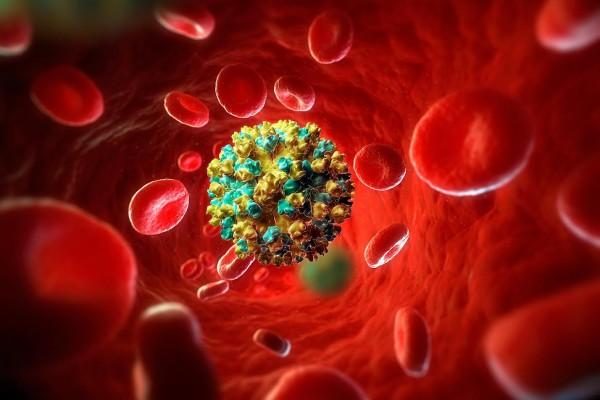
The two types, according to Dr. Magturo, are commonly spread through contact with infected blood.
This usually happens by sharing contaminated needles for either injecting drugs or getting pierced or tattooed.
Other less common ways are through sexual contact, birth to a mother with the virus, and the transfer of untested blood through a blood bank.
Chronic and acute infection?
Most doctors distinguish hepatitis between chronic and acute infection.
Acute, as the term suggests, is a short-term condition. While the chronic infection is a long-term condition that lasts more than six months.
Both types have acute and chronic versions, yet most cases with acute hepatitis C are asymptomatic.
As Dr. Magturo notes, "Kung minsan hindi ito nakikita sa tao. Subalit, nakakaramdam sila ng sintomas tulad ng fever, pagbabago ng kulay ng ihi, pagkapagod at pagkahilo, pagsusuka, pagsakit ng tiyan, at pagkakaroon ng pantal."
She adds, "Ang hepatitis B at C ay hindi nakukuha sa kissing, hugging, handshaking--hindi ito nakakahawa."
Prevention
Fortunately, there's an available vaccine to prevent contracting hepatitis B and the Department of Health recommends getting it as early as possible.
As for hepatitis C, there is no vaccine available to prevent it.
You can simply attempt to prevent it by not sharing needles or razors with those infected, and by using protection during sex.
Treatment
If you have been tested positive for either hepatitis B or C, doctors can provide an anti-viral drug to prevent its advancement.
Dr. Magturo explains, "The anti-viral medication is tenofovir disoproxil fumarate o TDF. Mapapabagal nito ang pagkalat ng virus sa katawan at pagkakaroon ng cirrhosis.
"Ang kaibahan lang talaga ng hepatitis C ay maari siyang magamot habang ang hepatitis B ay prolonged at continuous ang kanyang gamutan."

Source: GMA Public Affairs (YouTube)
Other preventive measures
If you are still on edge about the virus, Dr. Magturo simply advises to always be cautious of your health and well-being.
This includes adhering to a healthy lifestyle, having protected sex, avoid sharing of used needles, and getting checked by a professional once symptoms arise.
As Dr. Magturo notes, "Mas importante ang pagpapagamot kaysa pagtago ng isang sakit kasi 'pag tinago mo 'yan ay hindi mo naman alam ang lunas.
"Kailangan malaman ng isang doktor kasi ito ay may karapatang gamot at hindi nakakahawa."
