'Pinoy MD' scratches the surface of eczema
Around GMA
Around GMA
Jungkook of BTS follows Chanty Videla on TikTok 6 Essential cancer screens SHE MATTERS: Striding for the fights that matterArticle Inside Page
Showbiz News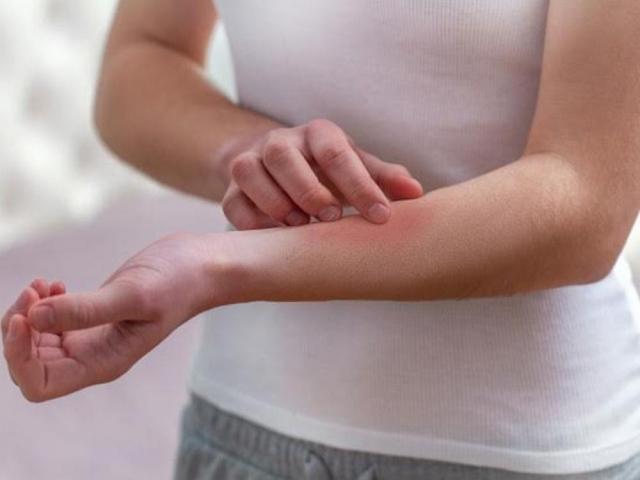
Learn more about eczema on 'Pinoy MD.'
If you're feeling a little more itchy than usual, there's a possibility that you might have developed eczema.
Eczema is a common skin condition marked by itchy and inflamed patches of skin. It is often seen on babies and young children, but it can also appear in adults.
“Usually patients with eczema may problem sila sa tinatawag na filaggrin,” tells licensed dermatologist Dr. Jean Marquez F.P.D.S. to Pinoy MD.
“'Yung filaggrin na 'yan 'yung nagbibigay ng moisture sa skin at 'yan ang responsable sa 'pag normalize ng pH of the skin.”
According to Dr. Marquez, the cause of eczema is not fully understood but is triggered by an overactive immune system that responds aggressively when exposed to a variety of irritants.
She adds, “Ang lack in filaggrin, when exposed to an irritant or a chemical, or something in the environment can all trigger a reaction in the skin. This could be a change in weather, mga pinapahid, chemicals, dust sa paligid, or even food.”
Symptoms of eczema include itchy, dry, rough, flakey, inflamed, and irritated skin that can flare up, subside, and then flare up again.
It can also occur anywhere but usually affects the arms, elbows, back of the knees, and head. It can be one of the four common types: contact dermatitis, dyshidrotic dermatitis, nummular dermatitis, and seborrheic dermatitis.
To treat eczema, dermatologists need to identify first what type it is using a patch test, to pinpoint certain allergens that trigger symptoms.
Once identified, the doctor can now pinpoint the correct treatment for your eczema, which can be one or a combination of treatments, including medications, steroid creams, immunosuppressants, therapy, and more.
It also helps to make some tweaks to your lifestyle, such as stress reduction and improved sleep, to reduce the likelihood of a flare-up. Avoid irritants like rough fabrics, harsh soaps, and detergents.
People with atopic dermatitis should also avoid scratching to prevent the breaking of the skin.
And finally, because dry skin can also trigger eczema, make sure to apply your dermatologist's recommended ointment or moisturizer to soothe the skin.
There's no cure for eczema, but symptoms can be effectively managed with the right treatment. This includes a combination of lifestyle changes and medications, but receiving proper treatment can help calm its symptoms.
For more information about skin-related issues, make sure to catch Pinoy MD every Saturday, 6 A.M. on GMA-7, or head to GMA Network's Lifestyle Page.
