

Having irregular menstrual cycles? Know when it's normal and when you should see a doctor
Around GMA
Around GMA
Habagat will bring cloudy skies, isolated rain over part of Northern Luzon — PAGASA DepEd probes mauling inside classroom in Bacolod school Spend Your Weekends with Filipino Blockbusters on GMA Pinoy TV via OSNArticle Inside Page
Showbiz News
Is it okay to miss your period? Find out in this article when you should see your doctor.
According to womenhealth.gov, menstruation is “a woman's monthly bleeding.” The length of a menstrual cycle may vary for every woman, but there are conditions when menstruating or the absence of it may be deemed abnormal and unhealthy.

Aside from pregnancy, other conditions make women miss or skip their menstrual period. While in some cases this is totally normal, some scenarios need to be consulted with your doctor.
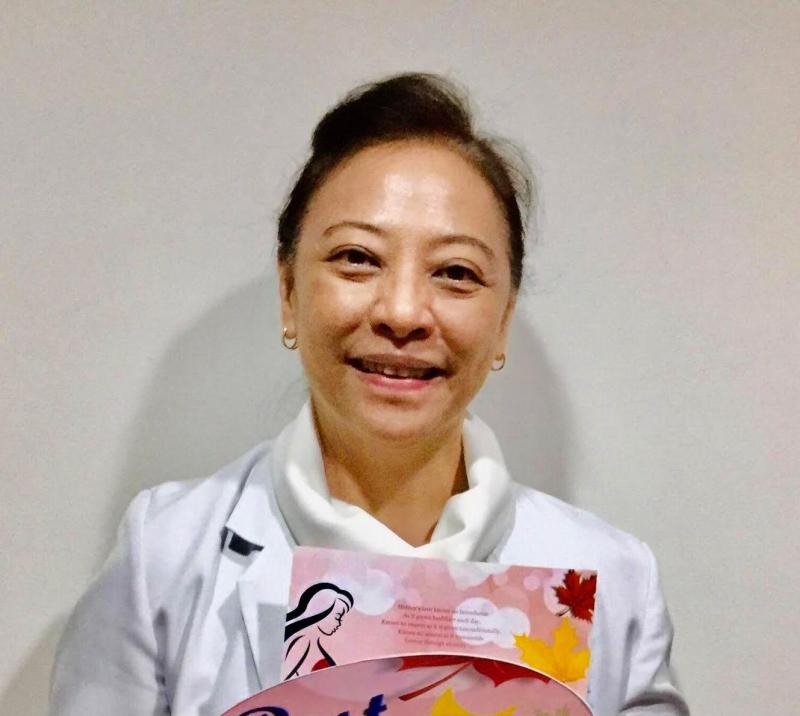
GMANetwork.com interviewed Obstetrician-Gynecologist Dr. Victoria Rowena Rigor Sese who specializes in reproductive endocrinology and infertility to further discuss this aspect in women's menstrual health.
Irregular menstrual periods
According to Dr. Sese, there are episodes in a woman's reproductive life when experiencing irregular periods is normal. This usually happens to women who just began menstruating as well as to those who are about to experience menopause.
“Physiologically or naturally speaking, those who have just started having mens like the teens, postmenarchal adolescent girls who just started to have their mens, it's normal for two to three years to have irregular periods. Meaning, their mens can come every three months or every four months. It's actually normal because hindi pa nagma-mature 'yung brain center that controls menstruation which communicates to the what we call the pituitary gland and the communication from the pituitary gland to the ovary. In short, we call this the HPO axis. It's not mature yet because the adolescent is still maturing 'di ba, so it's normal to have irregular menses for the first two to three years.
“Those who are going to have their menopause, those elderly women who are three to five years prior to their menopause can also experience similarly irregular periods because ang explanation this time, medyo nawawala na ng masyadong function 'yung ovary. Menopause kasi is the end of a woman's reproductive life. So prior to the actual menopause, a woman can also experience irregular menses.”
While the postmenarchal and menopausal stages make women have irregular menstruation, other conditions may need medical attention. These include having polycystic ovarian syndrome or PCOS, or having an unhealthy weight or body mass index.
“Nowadays it's very common to see women with polycystic ovarian syndrome. About 10% of reproductive-aged women have polycystic ovarian syndrome. It's very common. 'Yun ang primary symptom ng women with PCOS, irregular periods.
“And then if a woman is too obese, it can also affect her mens. She can have irregular menses. And if she's too thin, parang mas payat siya than what her BMI (body mass index) should be, she can also have irregular periods because of nutritional reasons.
Another condition surrounding irregular menstrual periods includes other health conditions like thyroid disease as well as liver or kidney disease.
When to see your doctor
Since missing a period may have other underlying and complicated causes, it is important to observe your menstrual cycle and consult your doctor.
“If your menstrual cycle comes every three weeks, that's not normal. Parang less than 20 days ang cycle ng menses mo, that's not normal. And if it comes naman more than 35 days, that's roughly six to seven weeks, 'yun, it can also be labeled as irregular already.
“The uterus kasi needs to shed, one good flow every three months. So if you don't have menstrual period that you can consider a good flow tapos puro spotting lang 'yung menses mo that comes every two months or every three months, and its' not a good flow pa, that can already be labeled as an irregular menstrual period that you should go to see your doctor already.”
Aside from skipping your menstrual cycle, Dr. Sese also notes that having a heavier flow is also not healthy.
“It's really the strong, prolonged and heavy menses that may result into anemia in the patients. So that's what we want to avoid, 'yung nagiging anemic 'yung patient. Some women can have really strong menses for a long time that they need to have a blood transfusion because their hemoglobins and hematocrits drop to really low levels.”
Addressing your irregular menstruation
The most basic thing a woman can do to address her irregular menstrual period is by first practicing menstrual hygiene and tracking her red days.
“Use clean water and soap. Advise these adolescent girls that it's important to take a bath. Because 'di ba some of the women in the rural areas, they grew up believing that it's wrong to take a bath, that you shouldn't take a bath in the duration of their menses which is actually wrong. You should actually take a bath because it's important to be hygienic during the menstrual cycle.
“Isa din to take care of one's menstrual health, they should track the dates of their period. It's important to track the dates kasi by tracking the dates or recording in their diary when their menses come, they already know kung nagiging irregular ba 'yung menses nila. Then, they can also track or list down the symptoms that they feel together with their menstruation. Kasi there are certain patterns of symptoms that are not normal anymore and can mean that that woman may be developing certain illnesses or conditions, abnormal conditions.”
Dr. Sese also emphasizes the importance of developing healthy habits.
“Another thing, it's really good to exercise because when you regularly exercise there's less dysmenorrhea during the menses, the menstrual period. And you also have to eat a well-balanced diet and hydrate a lot. And of course, the general health measures like avoid smoking, caffeine and too much alcohol, and get proper sleep to take care of your menstrual health.”
She further encourages women to talk to their doctors.
“They can go and seek a consultation with their OB-GYNE doctors because just by talking to your doctor lang, most of them can identify the cause of your irregular menses, by history-taking alone, even without diagnostic tests yet.
"But most of the time din, it's really common to request for a transvaginal ultrasound when we see these women. Kasi having a transvaginal ultrasound, we can instantly see the anatomy of the uterus, the ovary. We can easily rule out if there are masses on the uterus or cysts on the ovary, and then we can right away also conclude whether mati-treat 'yung irregular menses niya by measures like losing weight, exercising more, taking a healthy diet.”
If your doctor arrives at another diagnosis or discovers a pathology, Dr. Sese tells that treatments and minor operations may be done.
“She may need the help of medications to regulate her mens. Like most of the time, we give a short course of oral contraceptive pills. Not because all these women need contraception. Hindi naman. But giving kasi hormonal pills is an economical way to help that woman regulate her mens for a short term lang.
“And then while she's taking the medicines to regulate her mens, she should also reintroduce into her life 'yung exercise and diet. Para by the time the doctor stops her oral contraceptive pills, in place na… she's losing weight, she's eating well, she's sleeping well. Parang ganun, then eventually when the doctor stops the oral contraceptive pills, on her own her body will be able to correct the irregularity of her menses.
Menstrual health may not yet be a popular discussion but Dr. Sese highlights its importance as it “reflects the overall health and well-being of that woman.”
She also warns that failing to address one's irregular menstrual cycle may lead to other complications.
“If a person doesn't go to the doctor to seek consultation if she has irregular menses for a long time, then her uterus might be developing conditions that can be worsened. Hindi mati-treat for a long time and there could be abnormal thickening of the lining. Kasi dapat ang uterus periodically sheds off the lining eh.
“These abnormal thickening can lead to developing a pre-cancerous condition like what we call hyperplasia. If really it's not addressed for a long time, this can lead to having endometrial cancer or uterine cancer.”
For more lifestyle content, head out to GMA's Lifestyle page.
