
Sepsis and Septic Shock: What's the difference and how can they be prevented?
Around GMA
Around GMA
Magnitude 7.8 earthquake affects Sarangani and Davao Occidental shorelines CT-TODA, Nangandam na sa Posibleng Kahuot sa Trapiko Karong Lunes | Balitang Bisdak Check out this fun 'How to Train Your Dragon'-themed Viking adventureArticle Inside Page
Showbiz News
Understand the difference between sepsis and septic shock and know its causes, treatment, and prevention.
Another personality has left too soon. Jan Catherine Sy, vice president of SM Development Corporation and granddaughter of the late retail tycoon Henry Sy Sr., passed away at only 29 years old.
It was reported that Jan was admitted to St. Luke's Medical Center in BGC, Taguig for septic shock and died at around 6:35 p.m. of March 18.
We often hear about sepsis and septic shock as causes of death, but not everyone is fully informed about it.
So in this article, we'll breakdown what sepsis and septic shock are, what are its causes and how it can be treated and prevented.

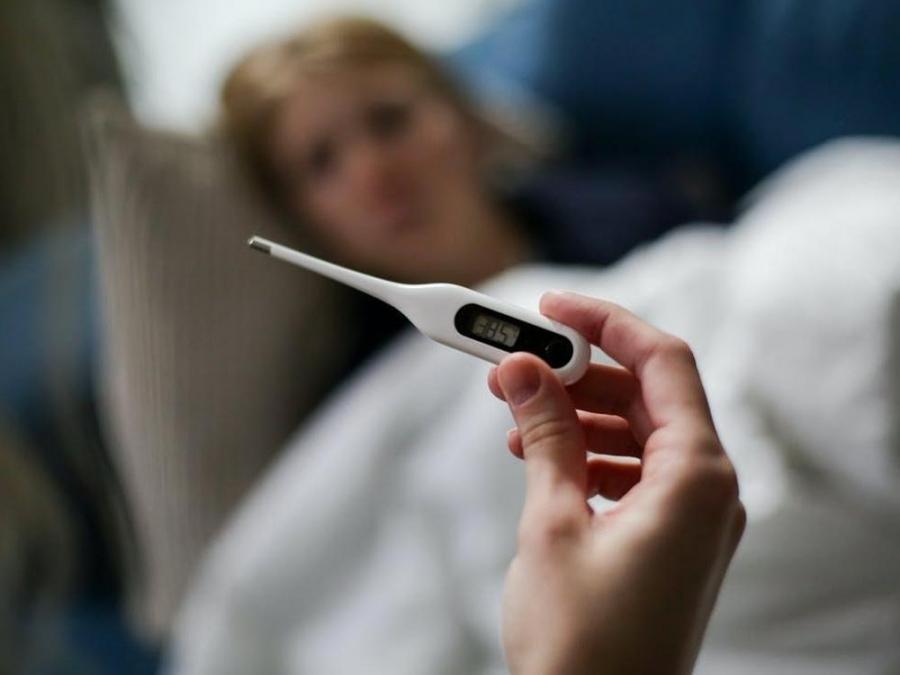
Know the causes, treatment and prevention of sepsis and septic shock / Source: Pexels
Sepsis vs. Septic Shock
The World Health Organization (WHO) clearly defines the difference of sepsis from septic shock.
In a published article on their website, sepsis is defined as a life-threatening organ dysfunction, which is caused by the body's extreme response to an infection, while septic shock on the other hand is the most severe complication of sepsis.
Sepsis can be caused by bacterial, viral, and fungal infections, but it cannot be transmitted from one person to another as it is merely a systemic response to infection.
Some of the infections that commonly result in sepsis are infections in the lungs (pneumonia), digestive system, urinary system (including kidney and bladder), and bloodstream.
Sepsis can also occur from infections in catheter sites and wounds and burns.
If not diagnosed and treated promptly, it can progress into a septic shock, multiple organ failure and death.
According to the Mayo Clinic, septic shock happens when blood pressure drops dramatically.
As sepsis becomes worse, the blood flow to vital organs gets impaired. And as a result, abnormal blood clotting may occur and consequently cause small clots or burst blood vessels that destroy tissues.
While most people recover from mild sepsis, the mortality rate for septic shock is reportedly at 40 percent.
Who's most at risk?
According to the Centers for Disease Control and Prevention (CDC), those most at risk to develop sepsis are the following:
- Adults aged 65 and up
- People with compromised immune systems
- People with chronic medical conditions, such as diabetes, lung disease, cancer, and kidney disease
- Children younger than one
- Sepsis survivors
Signs and symptoms
Here are the sepsis signs and symptoms to watch out for:
- Fever or low temperature
- Chills or shivering
- Altered mental status/ confusion or disorientation
- Difficulty breathing/rapid breathing
- Increased heart rate
- Weak pulse
- Low blood pressure
- Low urine output
- Cyanotic skin/bluish discoloration of skin/patches of discolored skin
- Clammy or sweaty skin
- Cold extremities
- Extreme body pain or discomfort
Treatment
Physicians use the following to treat sepsis:
- Antibiotics via IV to fight infection
- Vasoactive medications to increase blood pressure
- Insulin to stabilize blood sugar
- Corticosteroids to reduce inflammation
- Painkillers
- Large amounts IV fluids
- Respirator
- Dialysis for kidney infection
Prevention
The primary step to prevent sepsis and septic shock is to prevent acquiring any kind of infection. So, here are some preventive measures you can take:
- Get vaccinated for the flu, pneumonia, and other infections
- Practice good hygiene, especially proper wound care, handwashing and bathing regularly
- Getting medical attention immediately once sepsis is suspected
For more lifestyle content, head out to GMA's Lifestyle page.
You might also want to read about the life-threatening condition that Lani Misalucha recently battled with, bacterial meningitis.
