
Water-borne diseases to watch out for during the rainy season
Around GMA
Around GMA
Jay Sonza, dinakip ng NBI sa kasong cyberlibel 2 arrested in Cebu City for tampering with power meters Makiling | Ang Ganti ni AmiraArticle Inside Page
Showbiz News
Caution! Know some of the health risks during the rainy season in the Philippines.
On June 4, the state weather bureau, the Philippine Atmospheric, Geophysical and Astronomical Services Administration (PAGASA), declared that the rainy season has offically begun. This means, people living in metropolitan areas like in the National Capital Region (NCR) will have to face the annual problems that come with it including flood.
Based on available data from PAGASA, the wet season is from June to November and the country on average receives an annual rainfall of about 965 to 4,064 millimeters.
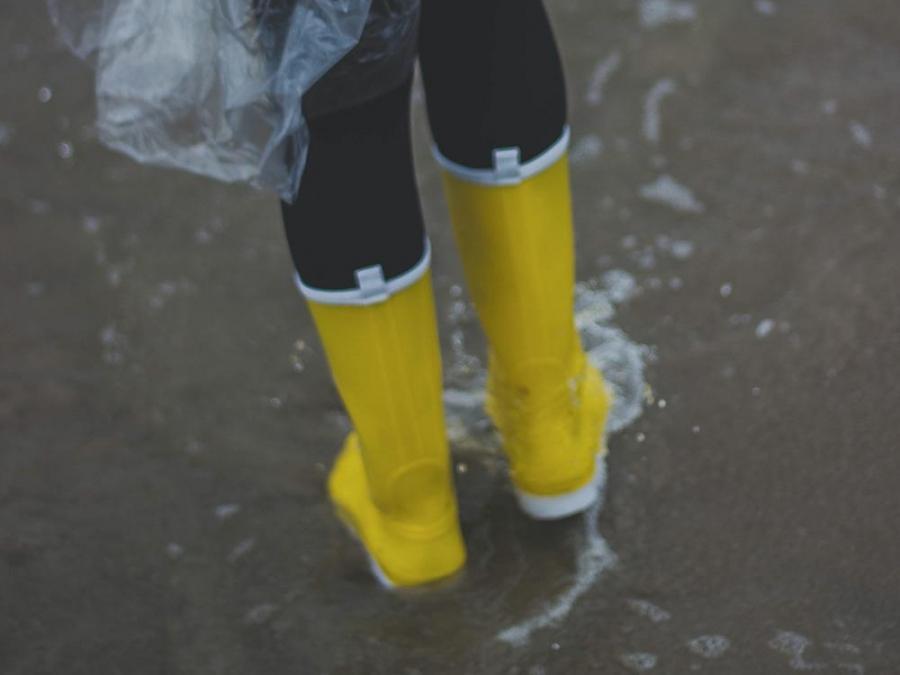
Several parts of Metro Manila are prone to flooding. Flood is not only destructive but can also cause health problems.
The Department of Health (DOH) reminds the public to be vigilant and take extra precaution if we come in contact with floodwaters due to water-borne diseases, especially if the water is contaminated with human and animal waste.
Here are some of the water-borne diseases the public should be careful of.

Source: Genaro Servín/ pexels.com
Water-borne disease
Leptospirosis
Leptospirosis is a bacterial infection that come from rat urine and feces. It can contaminate soil, water, and vegetation.
It is caused by Leptospira spirochetes bacteria and its mode of transmission includes ingesting contaminated food or water, or when broken skin or open wounds are exposed to floodwaters.
The incubation period of this disease is between 7-10 days.
People who get infected with Leptospirosis experience fever, headache, chills, muscle aches, vomiting/diarrhea, cough, conjunctival suffusion, jaundice, and in some cases develop a rash.
Hepatitis A
DOH describes Hepatitis A as one of the oldest diseases known to humankind.
It is transmitted by ingestion of food contaminated with human waste and urine of persons who have Hepatitis A.
People should be observant of the symptoms of Hepatitis A and immediately seek medical attention if they are suffering from fever, flu-like symptoms such as weakness, muscle and joint aches, loss of appetite and dizziness.
Typhoid fever
Caused by bacteria known as Salmonella typhi, a person can be infected by Typhoid fever by contaminated food and water or if you are a close contact of a person who is infected. People suffering from this illness should not take this for granted since it's life-threatening.
DOH listed some of the symptoms of someone suffering from this infectious disease like high- and low-grade fever for several days, headache, weakness, loss of appetite, either diarrhea or constipation, and abdominal discomfort.
Cholera
The health department warns that a healthy individual can die from cholera in just two or three hours if left untreated. This water-borne disease is an intestinal infection caused by ingestion of food or water contaminated with the bacterium Vibrio cholerae--the incubation period meanwhile is between one to five days.
When a person is infected with cholera, he or she can experience profuse, painless, watery diarrhea that can quickly lead to severe dehydration and death.
The World Health Organization (WHO) reported that cholera infects 1.3 to 4 million people worldwide and an estimated 21,000 to 143,000 people die from this infection every year.
What to do if you came into contact with floodwaters
Observing proper hygiene is still one of the best ways to prevent infection from these diseases.
After wading in floodwater, take a bath immediately using clean water..
In addition, make sure that if you have an open wound, you should treat it immediately by cleaning it with alcohol or antiseptic like Povidone-iodine, which helps prevent infections and support the healing process. But health experts stressed that you should avoid exposing your wound to any floodwater if you can.
Taking supplements like vitamins will also help strengthen your body from any disease related with the wet season.
Looking for more health advice or features to improve your wellness?
Check out GMA Lifestyle for more informative health stories.
