
How to keep your children protected against the Delta variant
Around GMA
Around GMA
DSWD: Over 17,000 benefit from KALAHI-CIDSS cash-for-work program Babae, Patay Human Mabangga ang Gisakyang Motor sa Sidecar sa Mixer Truck | Balitang BisdakArticle Inside Page
Showbiz News
As the COVID-19 Delta variant infects children, how worried should parents be?
When the initial surges of COVID-19 hit countries worldwide, young ones appeared to be insusceptible to most of the common and serious symptoms of the disease that initiated a global pandemic.
Then came the Delta variant and hospitals started recording cases of children getting infected with the coronavirus unlike in the past months.
According to GMA News Research, the data from the Department of Health (DOH) showed that children aged below 17 with COVID-19 rose by 29.59 percent from 7,993 in the period of July 7 to July 20, 2021 from 10,358 in the period of July 21 to August 3.
On August 3, 6,879 fresh cases of COVID-19 were reported. Of the number, 10.78 percent or 742 cases were those aged under 17, according to the report.
Of the 742 cases, 21 cases are infants; 52 are one-year-olds; 20 are two-year-olds; and 28 are three-year-olds.
Meanwhile, 21 cases or 10 percent of the 216 Delta variant cases are composed of kids, who are yet to be included in the government's vaccination program.
Delta effect
Given the rising infections among children and teens, there is a valid reason for parents and guardians to be alarmed.
The Delta variant is highly contagious, which explains the spike in cases across all age groups, including children.
The Centers for Disease Control and Prevention (CDC) mentioned that the Delta variant can cause more severe illnesses in unvaccinated people.
At the moment, children below 18 years old are excluded from the vaccine making them all the more vulnerable to catch the virus.
Common symptoms in children and teens include fever, cough, runny nose and other nasal discomforts, gastrointestinal symptoms, and rash.
The virus is also linked to multisystem inflammatory syndrome, a condition where body parts can become inflamed including the heart, kidneys, lungs, skin, brain, eyes, or gastrointestinal organs.
Medical experts, however, are still studying the correlation of the coronavirus to the said disease.
Safety and health protocols
There are certain steps that parents and guardians must follow to protect children from COVID-19, particularly the Delta variant.
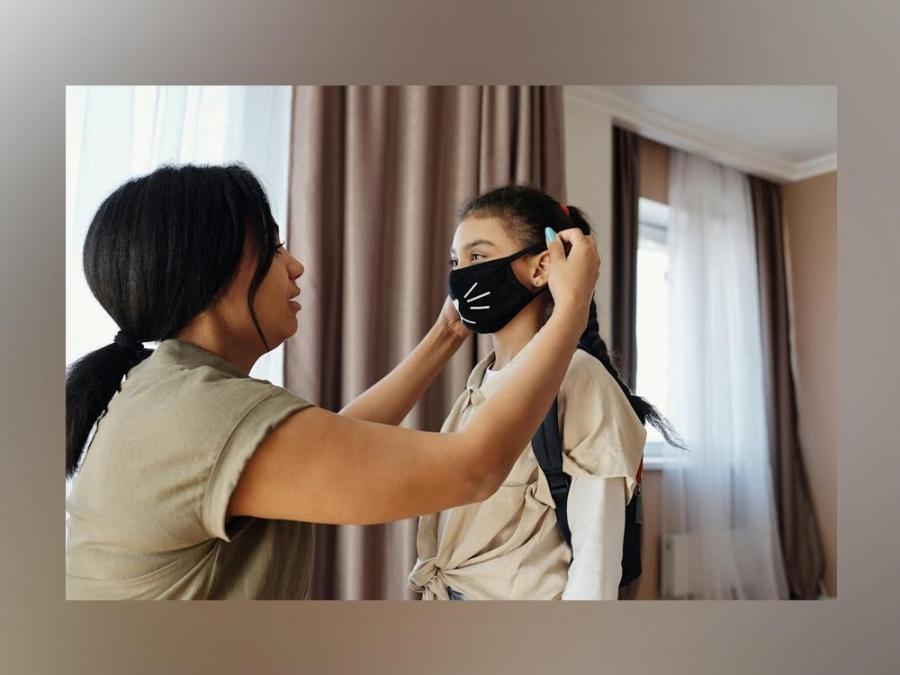
On top of the list, according to the CDC, is ensuring that kids follow basic health and safety protocols - wearing face masks and face shields, washing their hands frequently, and observing physical distancing.
Adults, even those who are vaccinated, must continue to practice preventive measures like disinfecting household items and parcels, practicing respiratory etiquette (covering mouth and nose when sneezing or coughing), and avoiding big gatherings at home with outside guests, to protect kids from the threat of the virus.
It's also important to strengthen their bodies and immune system through a healthy diet (more fruits and vegetables), giving them vitamins, and making sure that they get adequate rest and sleep.
In cases where children exhibit symptoms, it is best to reach out to a doctor immediately to get an expert opinion and medication, if necessary.
Vaccinating children
Currently, health officials from around the world are mulling over the possibility of administering the vaccine to children from 12 years old and above.
Here in the Philippines, the Department of Health (DOH) is also contemplating to include children 12 to 17 years old in the government's vaccination program.
“We are trying to look and maybe by the end of September or October, we will open up pediatrics and adolescent vaccination. Meron kami nine-negotiate na more or less 26 million doses intended for our pediatrics vaccination,” Secretary Carlito Galvez Jr. told reporters this month.
“Initially ang nakita natin we will start from 12 to 17. Sa ngayon ang priority population is 18 and above. Pfizer applied for EUA [emergency use authorization] with our Food and Drug Administration (FDA) and FDA already approved it, and Sinovac has already applied, most likely it will be approved by FDA. Three years and above ang Sinovac,” he added.
“Once we have enough supply of those vaccines, we can start for as long as the experts will allow their use for the 12 years and above and maybe three years and above.”
But until then, and even if it's rolled out, utmost care and protection are still highly encouraged to keep the COVID-19 virus and its variants at bay.
For more lifestyle content, head out to GMA's Lifestyle page.
Take a look at some of our local celebrities who were vaccinated against COVID-19.
