
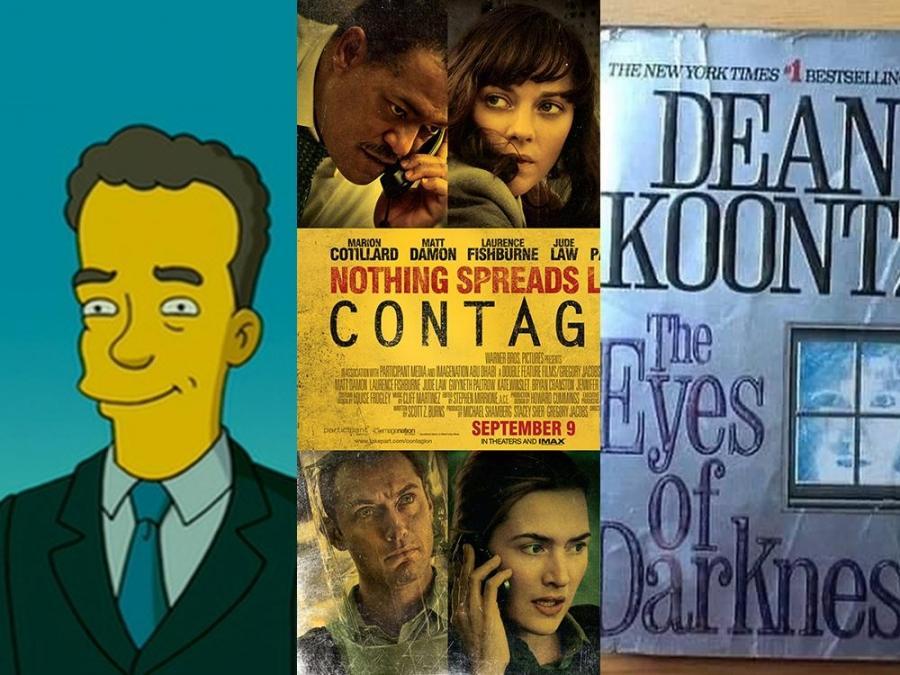
COVID-19: Truth just got stranger than fiction for these works of art
Around GMA
Around GMA
Side-hustling Pinoys bring artists to Dubai for the holiday season 'Boga' hurts 2 kids in Iloilo; hit in the eyes Christmas gift ideas for your girl bestiesArticle Inside Page
Showbiz News
Could these books, TV shows, and movie have been giving hints about the COVID-19 pandemic?
The pandemic coronavirus disease or COVID-19 has infected hundreds of thousands of people all over the globe and now has given birth to an idea that this outbreak was actually predicted.
Though the virus remains novel to humans, there are others who were quick to point out the similarities of the events to a specific film to books and to Bill Gates's 2015 TED Talk.
And while these “predictions” seem to be mere coincidences, it is their convincing details that caught the attention of the people. Check them out there:
The Simpsons
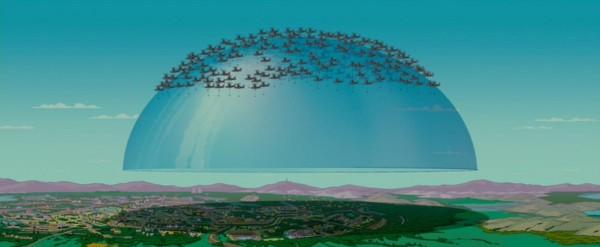
The Simpsons did it again. Or did they?
The cartoon TV show almost resembled three specific events that align with the coronavirus pandemic.
First, people compared the dome placed over the town of Springfield in "The Fool Monty" episode to the community quarantine or lockdown that was implemented in the affected countries.
Second, in the 'Marge in Chains' episode, the Osaka Flu that spread in their fictional town was also an infectious disease that originated in an Asian country. However, the COVID-19 came from Wuhan, China while the Osaka Flu was from Osaka, Japan.
And third, 'The Simpsons Movie' released in 2007 where Tom Hanks had a guest appearance went viral after the Hollywood actor revealed that he and his wife were tested positive for COVID-19. What convinced the people was Hanks's quote, “This is Tom Hanks saying if you see me in person, please leave me be.”
According to Reuters, co-writer for 'The Simpsons' Bill Oakley said: “I would say in general when people say The Simpsons has predicted something it is just that we were satirizing real-life events from years before and because history keeps repeating it just SEEMS like we were predicting things.”
Contagion

'Contagion' is a 2011 film directed by Steven Soderbergh that has notable similarities with the global health crisis caused by the pandemic coronavirus disease. The prophetic detail? A deadly virus that also came from China wreaked havoc all around the world.
LOOK: 10 films that portray viral outbreaks and pandemics
The Centers for Disease Control and Prevention (CDC) recognizes this film as a good example of social movements in the time of a viral outbreak. It said, “Soderbergh presents collective patterns of behavior during the epidemic, which lead to social discord.”
The Eyes of Darkness
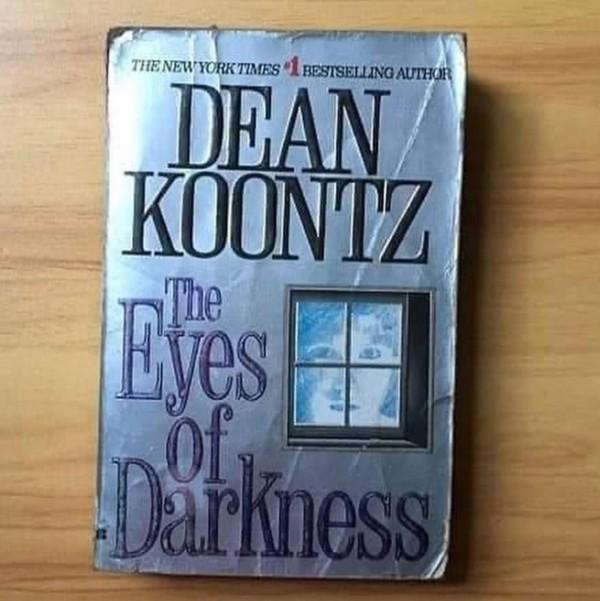
A conspiracy theory about a book released 39 years ago predicting the COVID-19 outbreak spread like wildfire on the Internet.
The thriller novel titled 'The Eyes of Darkness' written by the New York Times bestselling author Dean Koontz was believed to have forecasted a virus that will “sweep across the earth in the year 2020,” according to an Instagram account named @extinguishthelight.
Janno Gibbs found a book that might have predicted Coronavirus 2019
In 'The Eyes of Darkness,' a biological weapon called the Wuhan-400 was developed in the same city in China where the COVID-19 emerged. The conspiracy theorist @extinguishthelight, however, clarified in his Instagram post that in some versions of the novel, the virus was also referred to as the Gorko-400.
Sylvia Browne
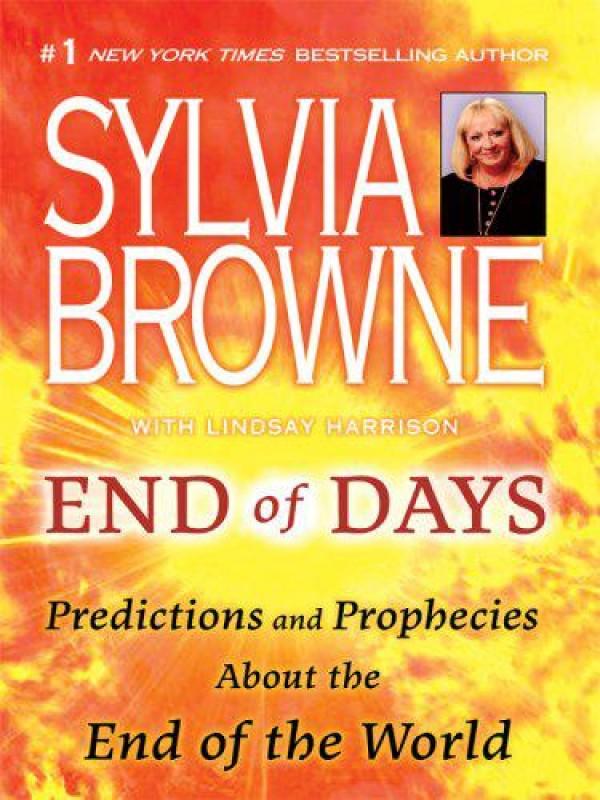
A book by Sylvia Browne titled 'End of Days: Predictions and Prophecies About the End of the World' predicted that “In around 2020, a severe pneumonia-like illness will spread throughout the globe, attacking the lungs and the bronchial tubes and resisting all known treatments.”
The author also put in her book that the said virus will “suddenly vanish quickly as it arrived, attack again ten years later, and then disappear completely."
According to CNN, Sylvia Browne claimed she “started receiving premonitions at age 5.” The pandemic coronavirus brought new attention to her 'End of Days: Predictions and Prophecies About the End of the World' book. She died in 2013.
Bill Gates

Many people believe that Bill Gates has been warning the public of a viral outbreak years before.
In his 2015 TED Talk, the Microsoft founder said, “We are not ready for the next epidemic.” In his GatesNotes blog, he said that “As awful as [the Ebola outbreak] has been, the next one could be much worse.”
Bill Gates steps down from Microsoft's Board to step up on Coronavirus Response
