
MUST-SEE: Astronomical events happening this July
Around GMA
Around GMA
Unang Balita sa Unang Hirit: (Part 2) JANUARY 20, 2026 [HD] Lalaki patay sang gintiro sang gwardiya nga iya ginbuno sa Barotac Nuevo | One Western Visayas Philippine flag carrier celebrates 85th anniversary with new aircraftArticle Inside Page
Showbiz News
Heads up, skywatchers! July is filled with exciting astronomical events that you should not miss. Get the details HERE:
The Philippines was one of the fortunate countries to recently witness the stunning partial solar eclipse that happened on Father's Day, June 21. And it seems like stargazers have more astronomical events to look forward to in the month of July.
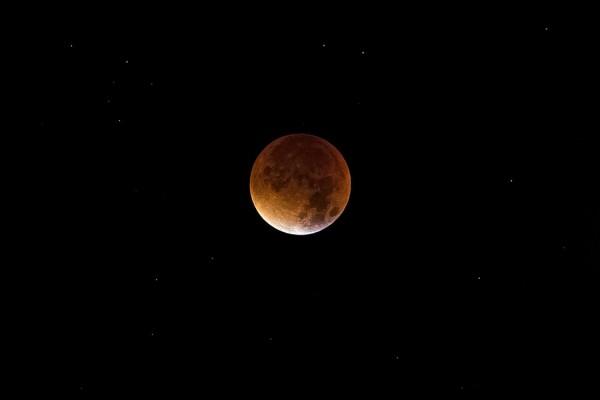
Lunar eclipse | Source: Pexels
Partial penumbral eclipse /Buck moon lunar eclipse (July 5)
The first major astronomical event happening in July is the partial penumbral eclipse, which also happens to be a full moon.
According to NASA, the July 5 full moon is also called Buck Moon, Thunder Moon, Hay Moon, Mead Moon, Rose Moon, Guru Moon, and Dharma Day.
The Alongquin tribes of northeastern United States called the full moon in July and the first full moon of summer the Buck Moon, because it is around this time when the new antlers of the buck deer emerge from their foreheads.

Accu Weather said that the 'buck moon' lunar eclipse will start on July 4, at 11:07 p.m. EDT and last until 1:52 a.m. EDT. The recommended time to watch it would be at 12:30 a.m. EDT.
Sadly, according to NASA, the partial penumbral eclipse of July 5 will not be visible in the Philippines. But, don't fret, as there are more celestial shows that Filipinos will be able to witness this month.
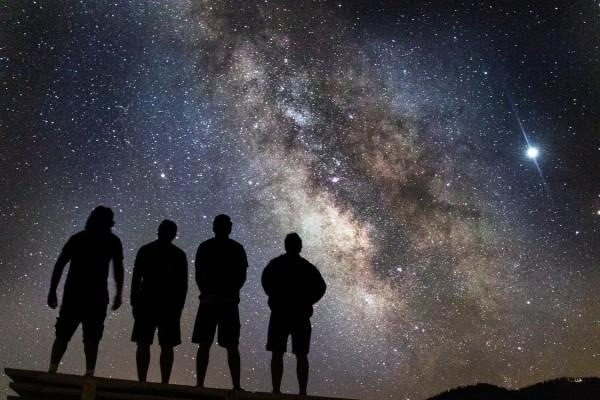 3 planets will be shining at their brightest for this year in July | Source: Pexels
Jupiter, Saturn, and Venus at their brightest (July 8, 14, and 20)
That's right. Three planets in the solar system will reach their peak brightness for this year in July.
Venus, considered to be the brightest of all the planets, will reach its greatest brilliancy on the morning of July 8.
Jupiter will be at its brightest on July 14, while Saturn's turn will be on July 20.
NASA also said that Jupiter's four bright moons - Ganymede, Callisto, Europa, and Io -could be visible to the human eye with clear skies and a small telescope.
Plus, you should also be able to see Saturn's majestic and brightly illuminated rings, as well as the motions of Saturn's moons, including the largest one called Titan.
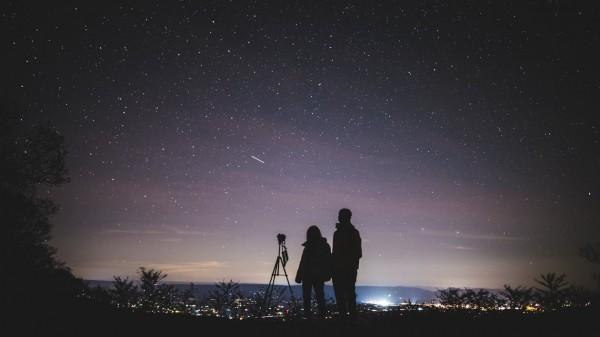
Meteor Showers
There are two meteor showers happening in the month of July. Below are the dates when they'll be active and when they will peak.
Southern Delta-Aquariids
Period active: July 12-Aug. 23
Peak: July 27
The Perseids
Period active: July 17-Aug. 24
Peak: Aug. 12
Whew! Such a busy month in the heavens, right? So, be sure to mark your calendar and indulge in the beautiful celestial shows that the universe has in store. Enjoy!
For more lifestyle content, head out to GMA's Lifestyle page.
Sources:
https://solarsystem.nasa.gov/news/1328/july-2020-the-next-full-moon-is-the-buck-moon/
https://www.accuweather.com/en/space-news/top-3-astronomy-events-to-look-for-in-july-2020/765500
RELATED CONTENT:
Light Pillars and Solar Eclipse: Did you see the beautiful celestial shows over the weekend?
Astrology 101: What does full moon and new moon mean in astrology?
