
LOOK: Architects discuss house designs to cope with the COVID-19 pandemic
Around GMA
Around GMA
Liza Soberano says 'Forgotten Island' has plenty of Easter eggs for Pinoys Sayran nato ang Dagan sa Panahon karong Adlawa August 25, 2026 | Balitang Bisdak Patricia Tumulak, TENDERISM ang pamanang recipe ng kanyang lola sa tuhod! | Farm To TableArticle Inside Page
Showbiz News
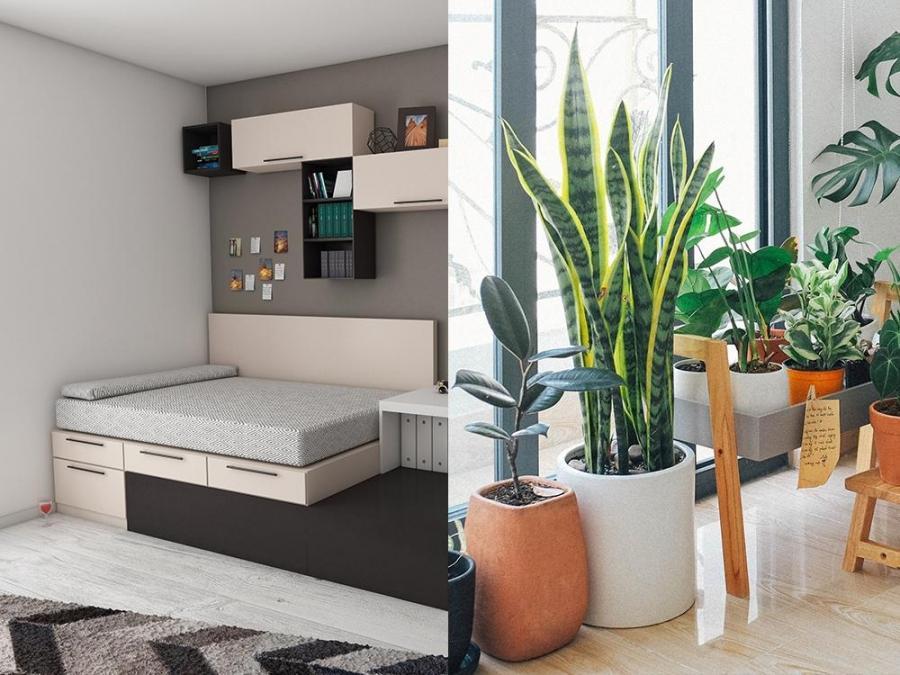
Do you imagine how a Filipino house post-COVID-19 pandemic may look like? Read on to find out how your home can accommodate the new normal according to this group of architects and design professionals!
With the escalation of the COVID-19 pandemic in the country, people have been adjusting to the new normal and redefining not just their lifestyle but as well as the spaces they live in.
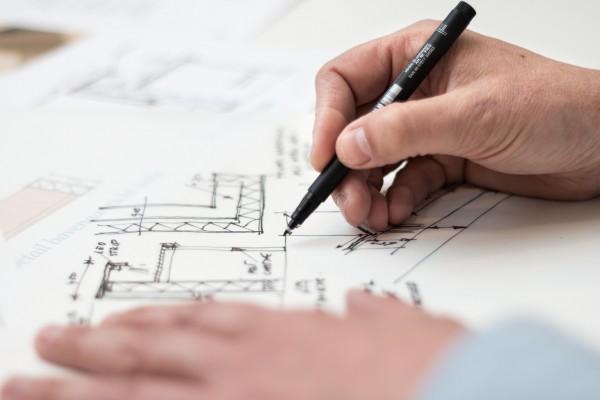
Coping with this crisis also means paying attention to our house, the place where we spend most of our time now. And to shed light on how our residences can adapt to and accommodate this new way of life, a group of design professionals from the Emerging Architects Studio (EASt) discusses a few guidelines with GMANetwork.com.
From pexels.com
How do they imagine a post-pandemic house in the Philippines may look like?
EASt came up with a study based on their observations of how Filipinos have been coping with the new normal at home. The firm highlights the prioritization of sanity and hygiene, the introduction as well as the distribution of functional and useful spaces indoors, and the integration of healthier elements in one's living space.
1. Identifying “dirty” zones
EASt suggests identifying separate “dirty” and “clean zones” to promote sanitation and hygiene, and mitigate the further spread of aerosols and pathogens.

From pexels.com
The group states, “Our team believes that creating or setting up an area for sanitation upon entry, for washing and cleaning, should be introduced and given high priority. This intervention serves as users' first line of defense before entering the house... Such an area may include hand sanitizers, disinfectants, and lavatory.”
EASt also recommends the introduction of foyers, waste compartments, and storage spaces.
It explains, “Related with the sanitation area, our team also highly suggests the introduction of foyer or recessed entrance, which is basically a space for temporary stowing of footwear, outerwear, goods and supplies. It greatly helps prevent the spread of viruses and bacteria before entering the house.
“Third, we suggest the provision of a waste compartment that is directly accessible from the outside the house, for collection, handling and disposal. It can help prevent undesirable pile-up of garbage and trash inside the house that causes spread of viruses and bacteria.
“Fourth, we also suggest the incorporation of storage space for essential supplies, enough to last for at least 15 days. This would help the household to prepare and sustain themselves during periods of quarantine or lockdown in the future.”
2. New layouts and redistribution of functional spaces
The new normal demands that you perform most of your tasks and activities at the confinement of your home. Thus, EASt suggests reevaluating how you make use of your available space.
From pexels.com
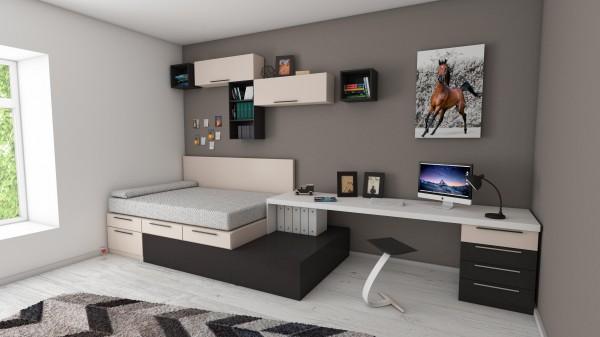
The group explains, “Our team suggests that any living space in a house must allow for flexibility and re-arrangeability. The users must be able to stow, collapse, dismantle, and/or rearrange their furniture pieces and appliances to be able to transform such living space into various functions, like an office, a gym, a play area, a bedroom, or a combination of any. Such versatility of space will greatly help the users to adapt during long periods of quarantine or lockdown. Being able to activate any space or platform facilitates the occurrence of meaningful activities for its users.
“Another idea that our team came up with is to rearrange your furniture pieces along one side of your house, unit, or space to create an open area where you can accommodate multiple functions, especially if you're living in a relatively small home, unit, or space.”
3. Healthier elements
The collaborative firm also recommends the use and introduction of healthier elements to make your living space more breathable and sustainable, and conducive to productivity.
From pexels.com
A preliminary research done by EASt has identified materials and finishes that are likely effective in decreasing the survival rate and surface transmission of viruses and bacteria. These include the use of linoleum, concrete and terrazzo, and brass.
They explain, “Our team encourages the use of organic and non-porous materials and finishes that are easy to clean and maintain, with low VOC's, to help reduce the chances of survival of viruses and bacteria.”
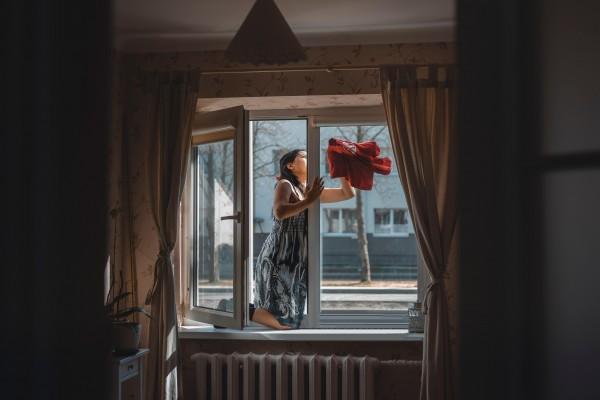
EASt also promotes the improvement of indoor air quality for health reasons as well as for comfort. Aside from taking advantage of natural ventilation through the use of windows, doors, and roof openings, the group advocates adaptive ventilation.
They continue, saying, “Adaptive ventilation is a means of controlling the flow of natural air inside the house. This will help cool room temperature and prevent the build-up of excess moisture and heat.”
This practice includes the installation of secondary windows, door screens, and calado as well as the use of exhaust fans.
4. Touch of nature and the outdoors
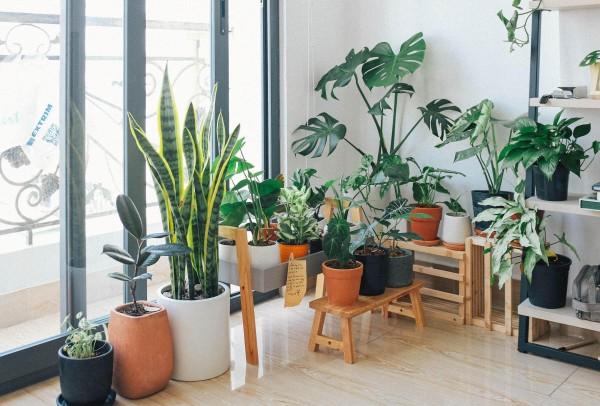
The quarantine also has inspired and converted many Filipinos to venture into indoor gardening and urban farming, and the group suggests that a space for these activities is beneficial in one's home.
From pexels.com
EASt claims, “We see this as a sign of people looking to incorporate nature in their homes and even in offices, and further, as a sign of people prioritizing self-subsistence and sustenance. Correlated to the foregoing, is a rise in popularity of balconies, lanais, and porches; areas of the house where people lounge and enjoy the outdoors.”
EASt responds to the COVID-19, fueled by the fact that “the design and the way people inhabit physical space have actually been human's primary defense against infectious diseases.” And with these insightful recommendations for a healthier home, it is evident that architecture plays a vital role in addressing and coping with the ongoing pandemic.
ALSO READ:
What is indoor air pollution and how do we keep it in check?
An engineer's practical tips for good ventilation indoors during COVID-19 pandemic
4 easy ways to COVID-proof your home
