
6 Spookiest places in the Philippines
Around GMA
Around GMA
NCAA: Red-hot Benilde repels JRU for sixth straight win in men's volleyball Anne Curtis does not accept Cong. Suntay's 'non-apology' Witness IDs suspect in killing of brgy chief in IloiloArticle Inside Page
Showbiz News
These local haunted destinations will give you the chills.
From white lady to a headless priest to eerie sounds of a weeping toddler - the Philippines is not short of places teeming with paranormal activities.
Adding more interest, or should we say dread, to these spots are the spine-chilling stories that surround them, with horrifying tales that are passed down through generations.
But what is it about these structures that continue to elicit our curiosity? Why do adventurous ghost hunters and supernatural investigators continue to flock to these places despite their strange notoriety?
With Halloween just around the corner, we list down some of these haunted places to keep you on the edge of your seat.
Sagada
This tiny town in the Cordillera Mountains has earned a reputation as the go-to place for those who'd like to do some soul-searching (not in a scary way). Its lush landscapes, idyllic mountain surroundings, and cool weather are to die for. One of its top attractions, however, never fails to raise the scare meter. The hanging coffins (as it is called) are wooden coffins that are dangling from cliffs and caves and in full public view. This bizarre sight is actually part of an ancient funeral tradition dating as far back as 2,000 years ago. It is both fascinating and strange that the National Geographic recently added it to its 24 spookiest destinations to visit around the world. Now imagine walking at night and passing by these ancient coffins - spooky!
Manila Film Center
So much has been said about the ill-fated Manila Film Center and the gruesome circumstances that forever tainted its reputation. On November 17, 1981, the scaffolding of the building, which was under construction at the time, collapsed. It was alleged that at least 169 workers fell to their deaths and were buried under quick-drying cement. Since then, scary stories surrounding the building emerged, with some reporting hearing moans and cries from the ghosts of those perished. In 2017, however, Baltazar Endriga, former president of the Cultural Center of the Philippines, wrote a letter to the Philippine Daily Inquirer stating that seven and not 169 workers died during the accident and that all bodies were retrieved and accounted for. The information according to Endriga came directly from the building's architect, Dr. Froilan Hong. Still, chilling tales continue to hound the Manila Film Center and will remain a favorite stop for ghost hunters for years to come.
Diplomat Hotel
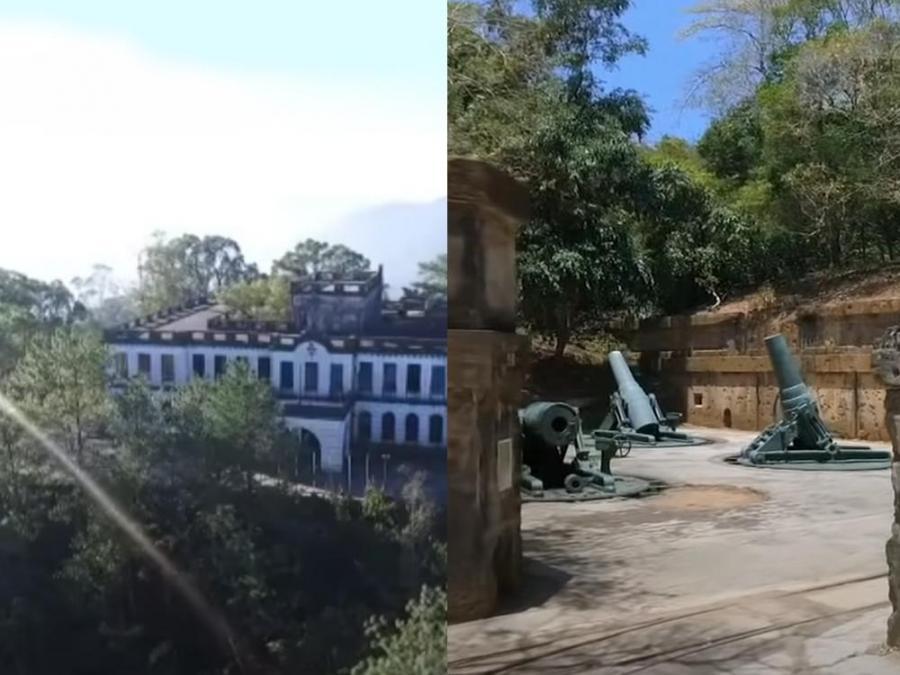
The cold city of Baguio is known for many things - including an abandoned building with a bloody past. Diplomat Hotel originally was a retreat house for Dominican priests and nuns from 1915 until World War II. The Japanese occupied the property during the war and used it to commit despicable acts including torture, rape, and murder. After WWII, the property was turned into a hotel and word soon spread about the paranormal happenings in the building and its vicinity, including sightings of white ladies, headless priests, and a child.
Its current name is the Dominican Heritage Hill and Nature Park, and is considered as a heritage site in Baguio.
Bahay na Pula
Located in San Ildefonso, Bulacan is an old, two-storey wooden house shrouded in mystery. Constructed in 1929, the red-painted house was turned into a base by the occupying Japanese forces during World War II. Here, Japanese soldiers reportedly committed crimes such as murder and rape. Years later, people started telling stories of strange paranormal occurrences in the house. The house - aside from being touted as a haunted structure - has become a symbol of the struggles and ongoing fight for justice of abused Filipino women during the war.
Fort Santiago
The old and sturdy walls of Fort Santiago in Intramuros had witness many events in Philippine history. Erected during the Spanish era, it's no wonder then that this landmark is riddled with many paranormal stories. Over the years, people have claimed of hearing footsteps, screams, and sightings of strange figures seemingly from bygone eras. It's worth noting that many would die here from beatings and torture during World War II, leading many to believe that these were the ghosts of those who suffered in Fort Santiago's dungeons and chambers.
Corregidor Island
Many people go to Corregidor Island because of its historical significance. The island played a crucial role during World War II in the country's effort to drive the Japanese occupiers away. One such feature on the island is the Malinta Tunnel, an underground facility that was converted into a hospital to care for injured and dying American and Filipino soldiers. Given its past function, it's not surprising to hear stories of visitors hearing unexplained noises, shadows, voices and moans, and even sudden drop of the temperature inside the facility.
