
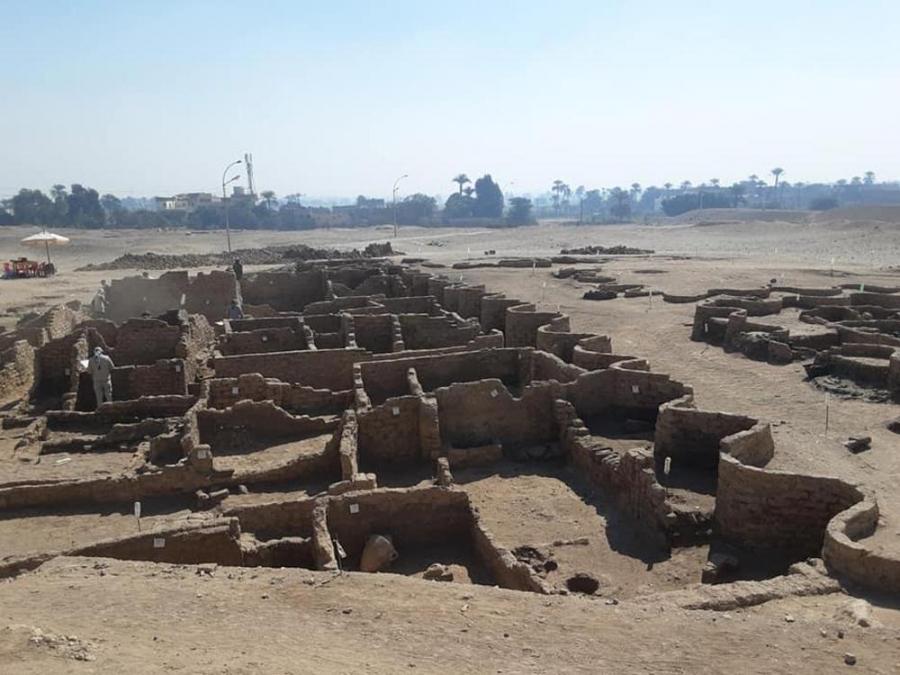
LOOK: 3,000-year-old 'Lost Golden City' unearthed in Egypt
Around GMA
Around GMA
Surging oil prices, higher bond yields weigh on stocks Babae, Patay Human Mabangga ang Gisakyang Motor sa Sidecar sa Mixer Truck | Balitang Bisdak Authentic Japanese food, MAY PINOY TWIST! | Farm To TableArticle Inside Page
Showbiz News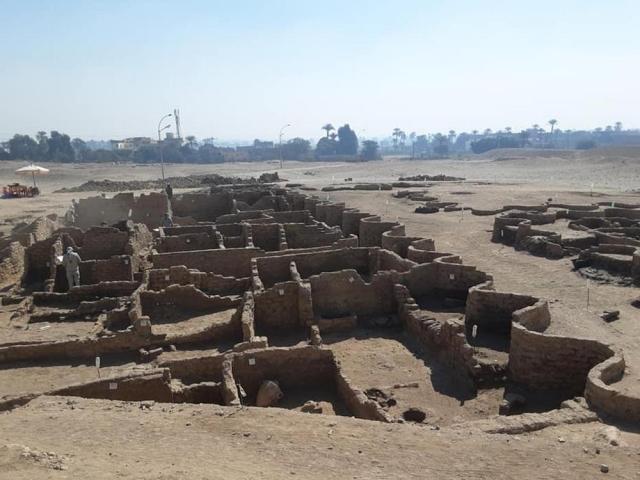
Learn more about this astounding discovery led by archeologist, Dr. Zahi Hawass.
Ancient Egypt is one extraordinary civilization surrounded by great mystery that still haunts us to this day. Just recently, on April 9, it was announced that the “Lost Golden City of Luxor” has been found.
The Egyptian expedition led by renowned archaeologist Dr. Zahi Hawass discovered the largest city to be unearthed in Egypt. It was previously referred to as “The Rise of Aten” and is now more popularly known as the “Lost Golden City.”
According to Betsy Brian, Professor of Egyptology at John Hopkins University, its discovery is the second most important archeological discovery since the tomb of Tutankhamun.
The “Lost Golden City” is said to be 3,000 years old and dates back to the reign of Amenhotep III. It is believed that the city continued to exist during the time of Tutankhamun and Ay.
After only seven months of excavation, the expedition team has already uncovered several parts of the city.
The ancient city's streets are flanked by houses with some of their walls as tall as 3 meters high.
Dr. Hawass's team found a bakery and a massive cooking area in the southern part of the city, complete with ovens and storage pottery, believed to cater to a huge number of workers and employees.
Another area that they found is the administrative and residential district. It has larger and well-arranged units and is fenced by a zigzag wall.
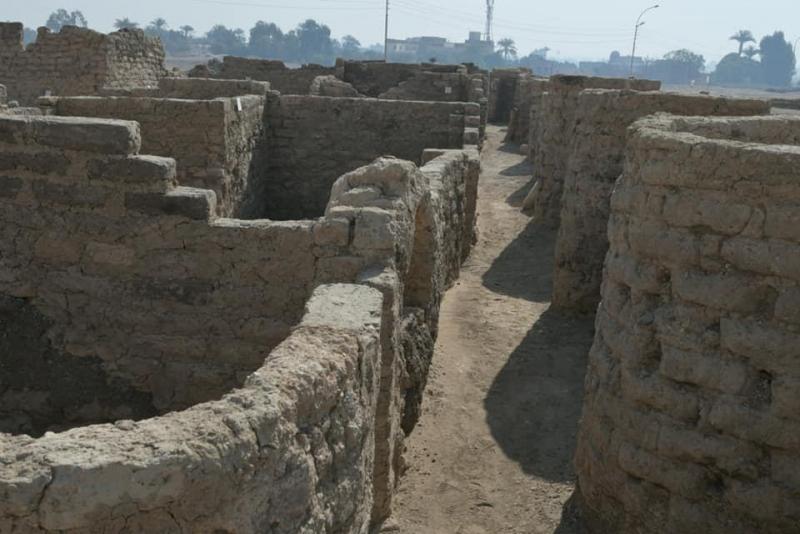
Zigzag walls at the Lost Golden City in Egypt / Source: @Dr. Zahi Hawass (FB)
One side of it was dedicated to production of mud bricks, used for the construction of temples and annexes, while the other side is for the production of amulets and decorative elements.
The mission also unearthed a large number of archaeological finds like colored pottery vessels, rings, scarabs, and mud bricks with seals of King Amenhotep III's cartouche.
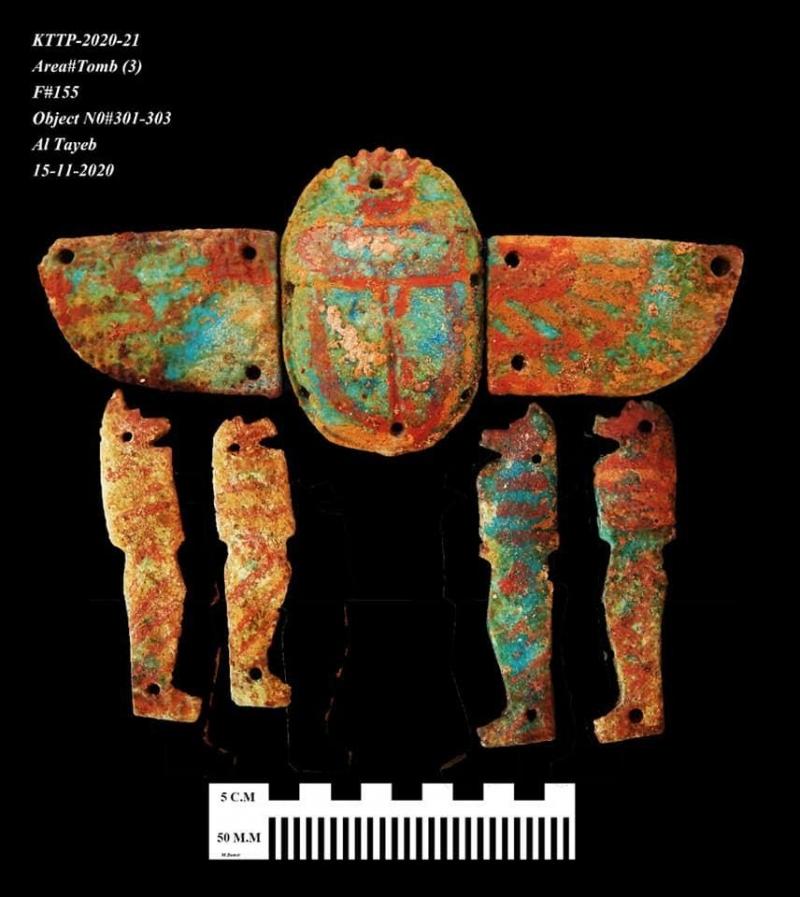
Some of the artifacts unearthed in the Lost Golden City / Source: @Dr. Zahi Hawass (FB)
Aside from the precious artifacts, they also discovered unusual burials of a cow or bull and a person with arms outstretched to his side, with a rope tied around his knees, which will both be investigated to determine their nature and purpose.
They also found a vessel containing 2 gallons of dried or boiled meat, weighing about 10 kilograms. It has an inscription that says, “Year 37, dressed meat for the third Heb Sed festival from the slaughterhouse of the stockyard of Kha made by the butcher luwy.”
In the northern part of the “Lost Golden City,” they also uncovered a big cemetery. There, they found rock-cut tombs of varying sizes that can be accessed by stairs carved into the rock, similar to those seen in the Valley of the Kings and Valley of the Nobles.
The excavation is still in progress and the team is expected to uncover more information about ancient Egypt and some tombs filled with treasures.
Be sure to head to GMA Lifestyle's page for more content like this.
Check out also Egypt's spectacular Pharaohs' Golden Parade in the gallery below.
