
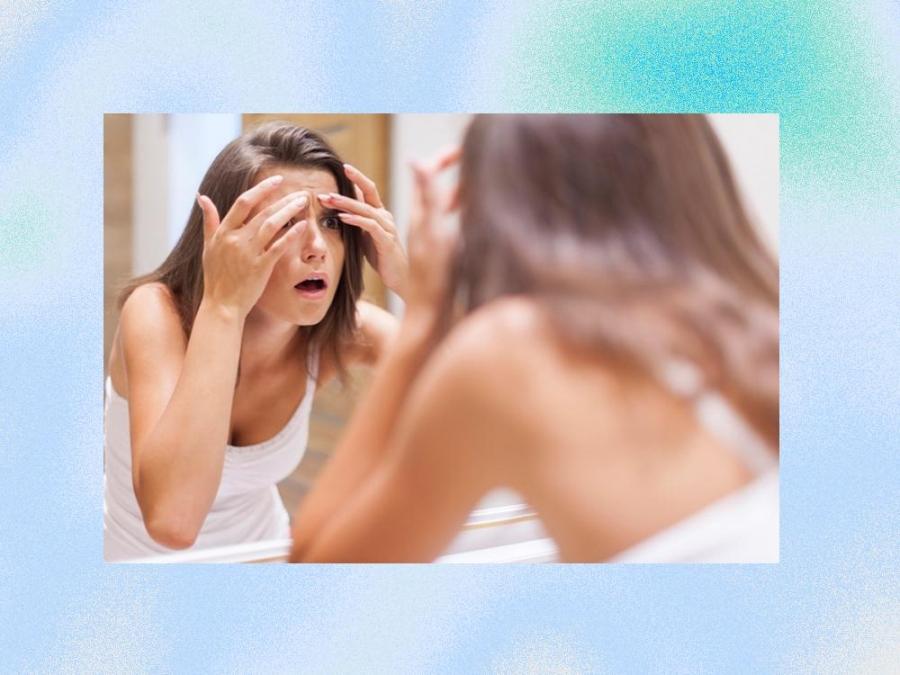
3 Common causes of recurring acne
Around GMA
Around GMA
Bernardo to testify for prosecution in flood control rap vs. Zaldy Co LTO Dagupan offers free driving course for women SexBomb Girls look iconic and edgy on local magazine coverArticle Inside Page
Showbiz News
Are these factors prompting you to have recurring acne on your skin?
Whether you are someone who deals with the occasional pimple or battling a serious case of adult acne, it can be frustrating to learn that bad breakouts don't end in our adolescent years.
Most of the time, we often attribute acne to factors such as bacteria, dirt, excess oil. Still, according to dermatologist Dr. Jean Marquez, we overlook so many underlying factors that contribute to the development of acne on our skin.
What are those? Find out below:
1. Lack of Sleep
As cliché as it sounds, beauty sleep is real. You can cleanse, tone, and moisturize your heart's content, but if you aren't getting enough sleep, your skin is paying for it.
Science has proven time and time again that when we sleep, our body goes into repair mode. So when we don't sleep, it weakens our body's defense mechanism against viruses, germs, and microbes. Therefore, getting enough sleep helps reduce your chances of getting infected and better equips your skin for fighting off infections.
2. Dairy
Many studies have found a link between milk products and acne severity in teenagers. Though it is not clear how milk contributes to acne formation, many scientists have proposed theories, including swelling and inflammation.
According to studies, the most common skin problem areas, the forehead, and chin are linked to digestion and the stomach. So if you detect a repeated pattern of milk consumption (yogurt, milk tea, etc.) with acne developing shortly after, and you noticed a pattern of clear skin when you avoided dairy, then you've answered the question.
3. Hair products
If you have tiny bumps along your hairline or your forehead or both, chances are the culprit may be in your hair care products. Shampoos, conditioners, and styling products can cause whiteheads and other acne types because these products contain oil and thus find their way on your skin and clog them.
To get rid of these pore-cloggers, check out ingredients that contain a lot of oil, such as pomade. Check out items that include the words “oil-free,” “non-comedogenic,” and the like.
Get rid of all the other materials that may have residue from hair products, including pillowcases and sheets, caps, hats, headbands, and visors.
According to Dr. Jean, “Ang daming factors kaya hindi nako-control kaya importante na you control these and you visit your derma regularly para tanggalin din at mabigyan ka ng tamang gamot.”
Watch her full interview with Pinoy MD below:
For more tips on getting rid of your acne problems, check out GMA Network's Lifestyle Page.
