
5 foods that are rich in probiotics
Around GMA
Around GMA
Korean stars Kim Myung Soo, Choi Bo Min named PH tourism ambassadors Girl rescued, hostage-taker killed in Marawi City Isay band shines as first-ever Distilled Sounds PH championArticle Inside Page
Showbiz News
With Yakult being limited in supermarkets, where else can you source your dose of probiotics?
Aside from bread, pineapple juice, and rubbing alcohol, another grocery item that is being scarce right now is Yakult.
And who could blame them for hoarding this drink? It's delicious, handy, and packs a punch in terms of probiotics.
Probiotic, if you're unfamiliar, is a live microorganism that provides all sorts of benefits like improve digestive health, reduce depression, and promote heart health.
But with supermarkets limiting the selling of this popular drink to two, sometimes five per customer, are there any food rich in probiotics that are just as tasty?
In fact, there are and we've listed them down for you.
1. Yogurt
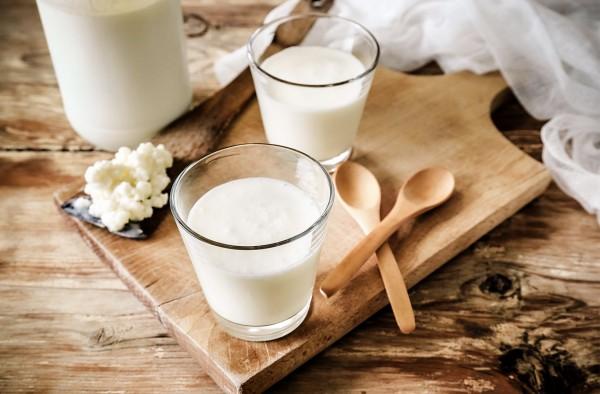
Yogurt is probably one of the best sources of probiotics. It is made from milk that has been fermented with the friendly bacteria, mainly lactic acid bacteria and bifidobacteria.
However, keep in mind that not all yogurts contain live probiotics so make sure to read the label and choose one with active or live cultures.
Additionally, even if it is labeled 'low-fat' or 'fat-free' it may still be loaded with high amounts of added sugars.
2. Kimchi
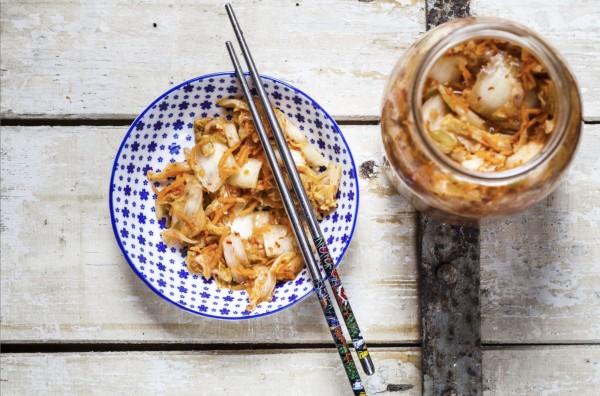
Kimchi is a fermented, spicy Korean side dish with cabbage as the main ingredient.
It contains the lactic acid bacteria Lactobacillus kimchii as well as other lactic acid bacteria that benefit digestive health.
Aside from that, cabbage is also high in vitamins and minerals like vitamin K, riboflavin, and iron.
3. Miso
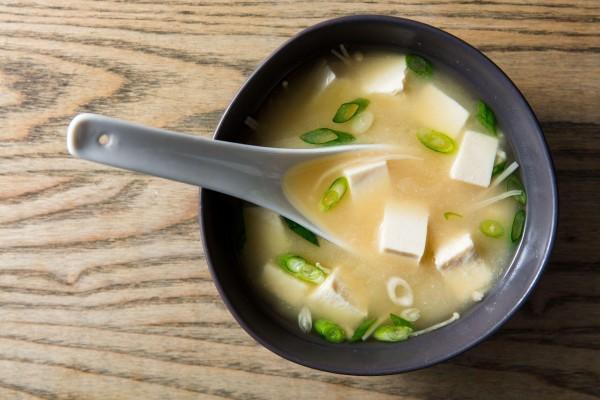
Popularly regarded as a Japanese seasoning, Miso is traditionally made by fermenting soybeans with salt and a type of fungus called koji. It is often served in miso soup, a popular breakfast food in Japan.
Miso is a good source of protein and fiber, and other vitamins and minerals like vitamin K, manganese, and copper.
Aside from that, miso consumption is also associated with a lower risk of breast cancer among middle-aged Japanese women.
4. Pickles
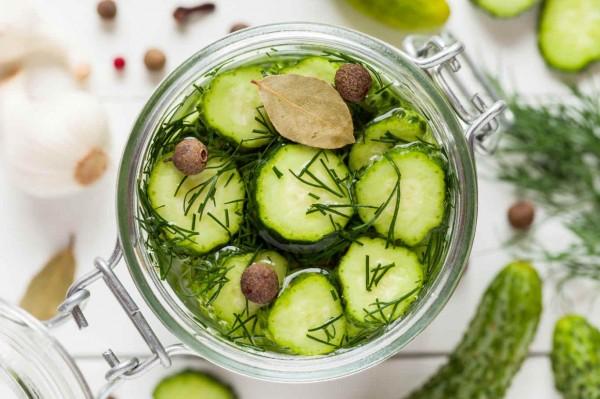
Pickles are cucumbers that have been soaked in a solution of salt and water. After leaving them to ferment, they develop lactic acid bacteria that make them sour.
Pickled cucumbers are a great source of healthy probiotic bacteria that may improve digestive health. It's not only low in calories but also a good source of vitamin K.
5. Some types of cheese
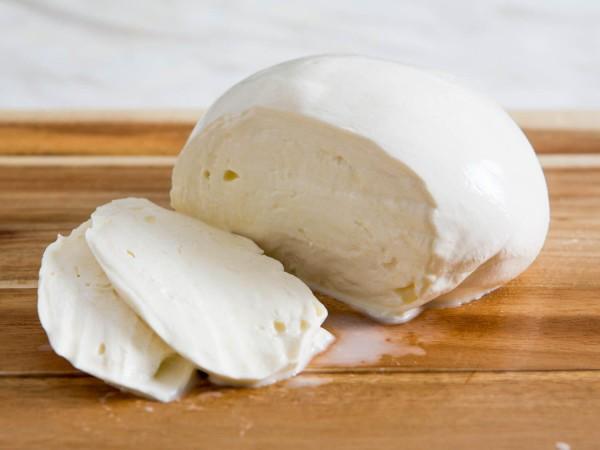
Although most types of cheese are fermented, most don't contain probiotics that's why it's important to check food labels.
The good bacteria survive in some cheeses like Gouda, mozzarella, cheddar, and cottage cheese.
Cheese is highly nutritious and is a good source of protein, calcium. vitamin B12, phosphorus, and selenium.
Probiotic foods are incredibly healthy
There are many very healthy probiotic foods you can eat and we've only listed five of them here. You can also try other varieties of fermented soybeans, dairy, and vegetables.
Probiotics, whether taken as food or supplements, can have powerful effects on health. Just be sure to look for labels that state they are naturally fermented (as is the case for yogurt).
For more food ideas while on quarantine, check out the articles below:
Netizens create Facebook group Order Hero to save canceled orders
Quick and Easy Recipes to Level Up Canned Food
