

At least 14 essential items to pack in your survival kit
Around GMA
Around GMA
Henri G, naimpluwensyahan ni KZ Tandingan na maging isang mang-aawit Goats stabbed, hit hard to death in Iloilo How motorists can save on fuel costs as oil prices rise amid Middle East tensionsArticle Inside Page
Showbiz News
Do you have the essentials to deal with and survive a catastrophe? Be prepared and check out this list of recommended supplies in your survival kit!
While there are catastrophes we cannot predict and prevent from happening, it is still always best to be prepared.
Preparedness means having the proper and enough supplies you might need to bear conditions and survive in times of emergencies.
So what are the basic items you need in your survival kit? Check out this list of recommended supplies from the American Red Cross:
1. Water

Water is a basic need. And in the event of an emergency, the recommended quantity to prepare is a gallon per person per day.
2. Food
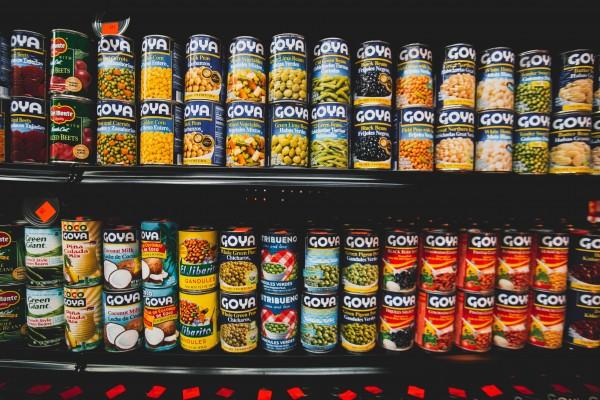
You need food to be able to respond well and survive in times of crisis, too.
It is highly recommended to pack non-perishable and easy-to-prepare items especially if unfavorable situation gets prolonged.
3. Flashlight

Emergency situations may affect the power supply and getting around in the dark can hamper your quest for survival.
Thus, it is important to take a handy flashlight with you.
4. Radio
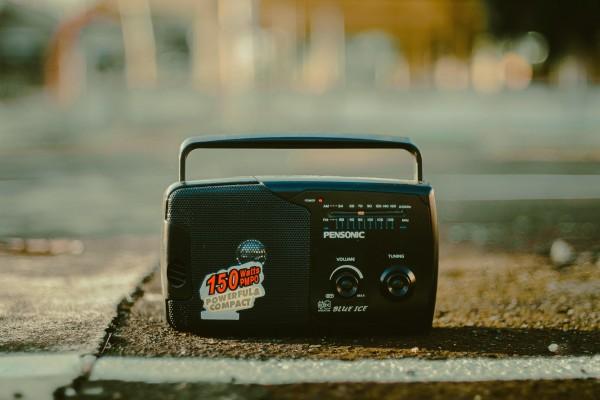
Continue getting updates about the latest development of the disaster through a battery-powered or hand-crank radio.
Getting more information will help you plan your evacuation or any other steps necessary.
5. Mobile phone and charger

Access to communication, whether it be to regroup with your loved ones or to request assistance, is essential during crisis. You would need your mobile phone and charger.
6. Extra batteries or power bank
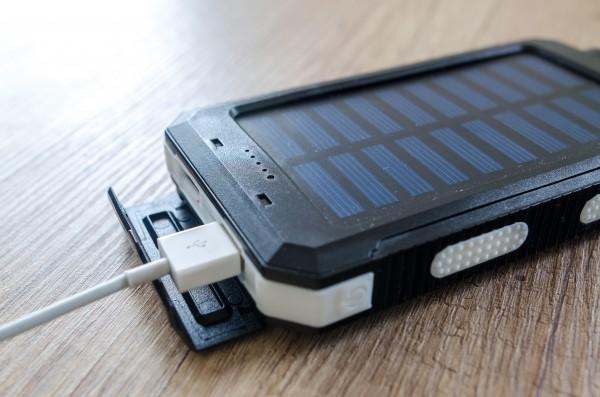
Similar to when you might need a flashlight, disasters may lead to power outage. It is important to be prepared with an extra set of batteries or a power bank.
7. First aid kit
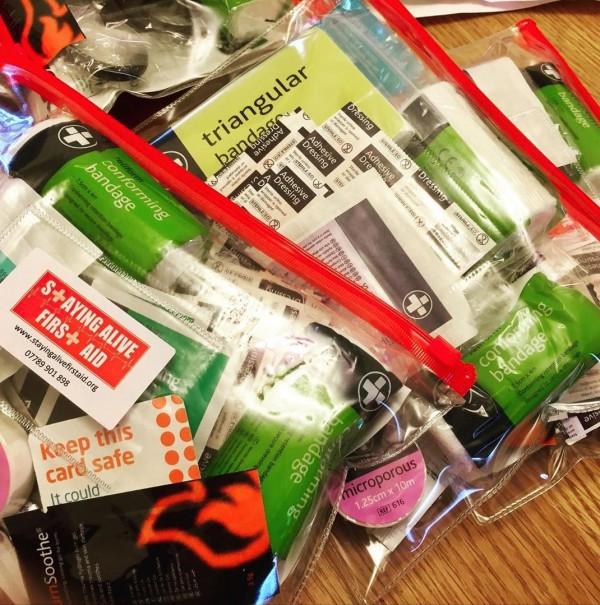
Bring a first aid kit that to help you treat common injuries like cuts, scrapes, swelling, and sprains. A few items you should include are antibiotic ointment packs, dressing pads, slings and bandages, medical tape, ice bag, emergency blanket, tweezers, scissors, and basic medicines for fever, pain-relief, and anti-allergies.
8. Medications and other medical items

Not everything can be addressed by a first aid kit, especially when you have a specific pre-existing health condition. So don't forget to take your personal meds with you.
9. Multi-purpose tool
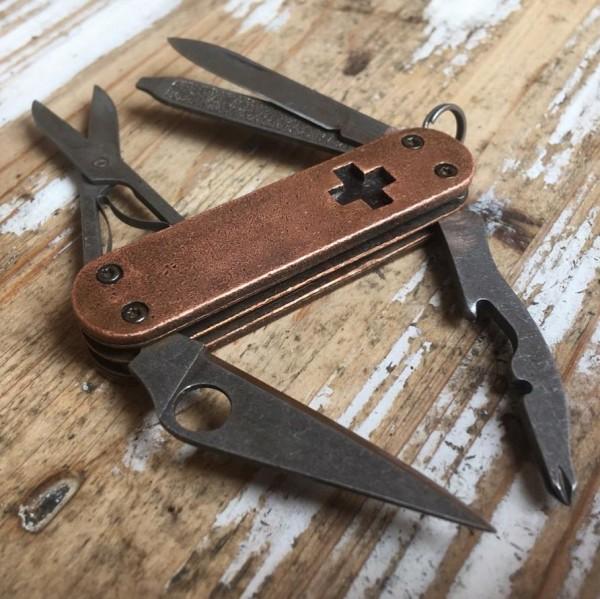
You cannot foresee the situation you'll end up in, so it's best to carry a multi-purpose tool.
Pack a portable and versatile hand tool that can later provide you a plier, a screwdriver, a bottle opener, or even a knife.
10. Sanitation and personal hygiene

To keep you clean and healthy, and even for comfort, don't forget to pack your personal hygiene kit.
You can always customize it, depending on your needs but consider bringing toothpaste, toothbrushes, dental floss, soap, shampoo, towel or washcloth, sanitizer, and sanitary pads.
11. Copies of personal documents
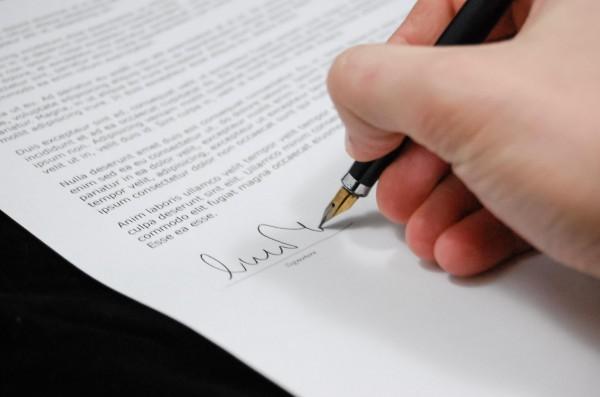
Secure copies of your important personal documents especially in the event of an evacuation.
Ready copies of your medical information and prescription, ID, birth certificate, proof of address, deed or lease to your residence, and insurance policies.
12. Family and emergency contact information
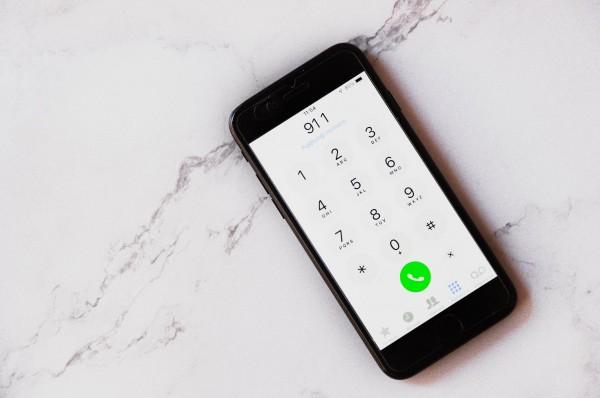
As stressed earlier, communication is important during times of crisis.
Bring yourself to an advantage by keeping the contact details of your families and other people who may be reached in case of an emergency.
13. Extra cash

You may not be able to go online to make electronic fund transfers nor visit the nearest ATM, so make sure to keep extra cash in your survival kit.
While you have left valuables at home, you can at the least replenish or have access to the basics with your money at hand.
14. Map(s) of the area
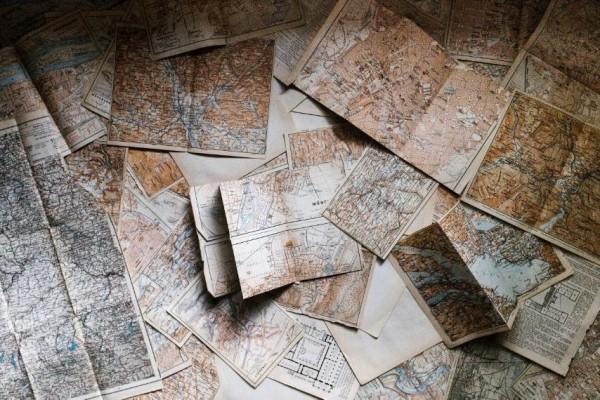
Surviving a disaster also means being prepared with a contingency plan, and having a map of the area is a big help.
That will help you identify and visualize meet-up points, assembly areas, and even exit routes.
15. Other supplies possibly needed by family members in case of common calamity
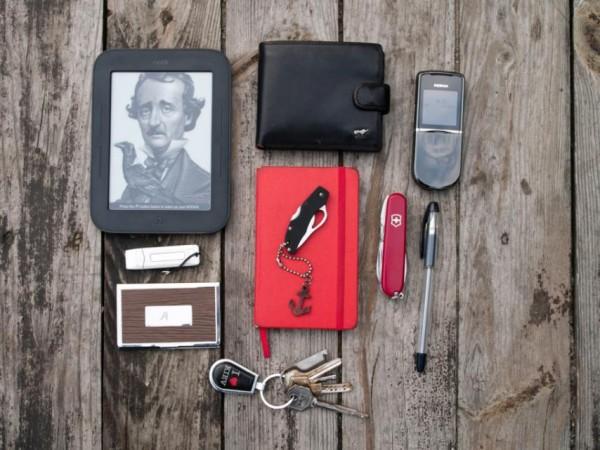
You cannot totally prepare for all disasters, but you can identify the type of calamity common in your area as well as the necessary supplies you need to add to your survival kit.
Pack a collar and leash, ID, food, a bowl and a carrier for your pets. Bring extra keys of your car and your house.
Bring raingears when rain showers are frequent in your side of the world; dust masks when you're near a volcanic hazard, or whistle for areas prone to earthquake.
Remember to put these items in an easy-to-carry bag because you'll be on the go.
The items listed are just basic and you might need to customize to address other needs and situations.
And while the list appears lengthy and tedious to pack, you can never be over prepared when disaster strikes! So, go and pack your survival kit while you don't need it yet
