
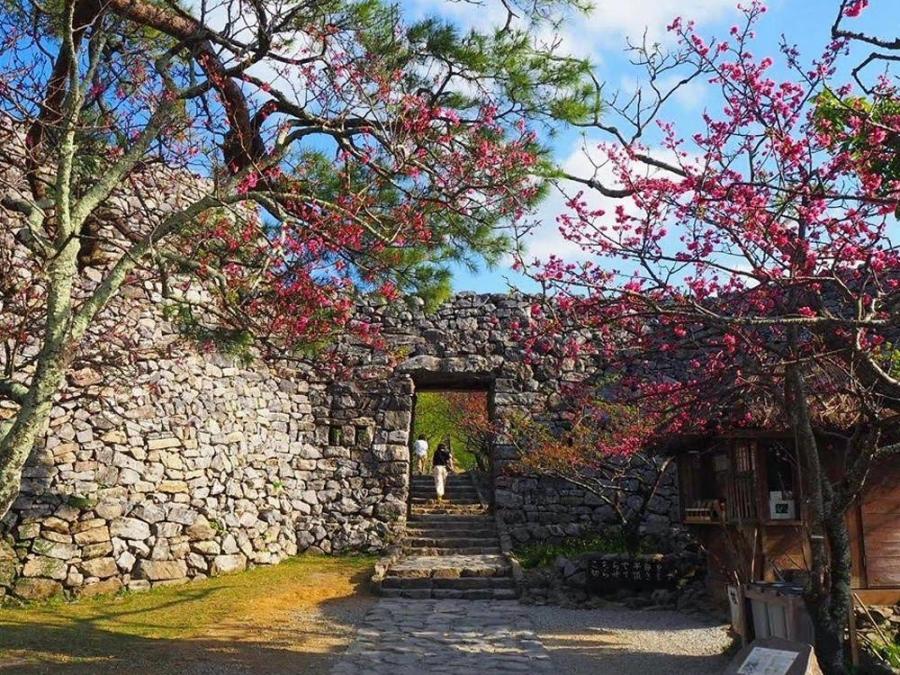
'Biyahe Ni Drew' explores the ruins of Nakijin Castle in Okinawa, Japan
Around GMA
Around GMA
Unang Hirit Livestream: December 17, 2025 Dawn fire razes 7 houses in Estancia, Iloilo Japanese lifestyle brand unveils limited edition 'Evangelion' merch collectionArticle Inside Page
Showbiz News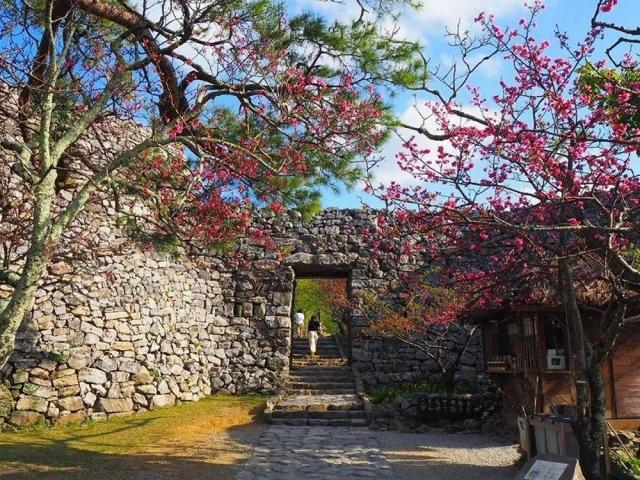
Learn more about this historical palace and why it's considered a UNESCO World Heritage from 'Biyahe Ni Drew.'
In the southernmost tip of Japan lies the prefecture of Okinawa that is composed of three major island groups, the Okinawa Islands, the Miyako Islands, and the Yaeyama Islands. Collectively, they are known as the “Ryukyu Islands” named after its native culture which is distinctively different from the rest of the country in terms of language, cuisine, and the arts.
As revealed in Biyahe Ni Drew, Okinawa was once an independent kingdom ruled by the Chinese but was officially established as a prefecture in 1879, bringing an end to the 450 years of the Ryukyu Kingdom.
At one point, Okinawa was the site of more than 220 castles, dating back to the 15th century. These days, the islands are largely composed of castle ruins, some with walls still standing while many are currently undergoing renovation.
One of the most prominent castle ruins in Okinawa is the Nakijin Castle which is located at the Motobu Peninsula of northern Okinawa Honto.
Brief History of the Nakijin Castle
Named as one of UNESCO's World Heritage, the castle was built in the late 1200s during the Sanzan Period (1322-1429). At the time, Okinawa Honto was divided into three kingdoms: the Hokuzan (north), the Chuzan (middle), and the Nanzan (south). The Nakijin originally served as the castle of the Hokuzan king until it was taken over by the Chuzan on their way to unifying the island forming the Ryukyu Kingdom in 1429.
In 1609, the Nakijin Castle was burned after the Japanese invaded the islands and is now turned into a popular tourist site a few centuries later
Castle Built with Ancient Rocks
Overall, the ruins are known for its beautiful view of the East China Sea and its castle walls built with Paleozoic limestone. These rocks are so old that fossils of ammonites (primitive animals) have been discovered here.
According to scholars, the construction technique in making the castle wall is called the “Nozura-zumi” which takes advantage of the rocks' natural shape to pile them up and build the wall. In the main gate, you will find a huge rock called “Heiroumon” which suggests that the caste is very secure.
Unlike the castles found in the main island of Japan, the original Nakijin Castle was influenced by China and was built made from rocks for defense purposes.
The Monument of Love
Within the castle ruins also lies a monument that serves as an ode to the legendary Shigema Utudaru.
According to stories, Utudaru came from the village of Shigema near the Castle to become the concubine of the king. Thanks to her prayers, an heir was finally born to the royal family when the aging ruler was desperate to secure his line. She also assisted the prince when a crisis over succession loomed. Because of her pure heart, Shigema Utudaru was treated like a goddess that was later called “Nakijin Ukami.”
Today, a monument stands in the Uumiyaa Square in honor of the goddess and it bears a poem about her tender love written by an anonymous poet.
Did these facts spark your interest in the Nakijin Castle? To learn more about this UNESCO World Heritage, watch this video from Biyahe ni Drew:
'Biyahe Ni Drew' tips: Five things to do in Okinawa Japan
'Biyahe Ni Drew:' Culinary adventure on the streets of Osaka
