
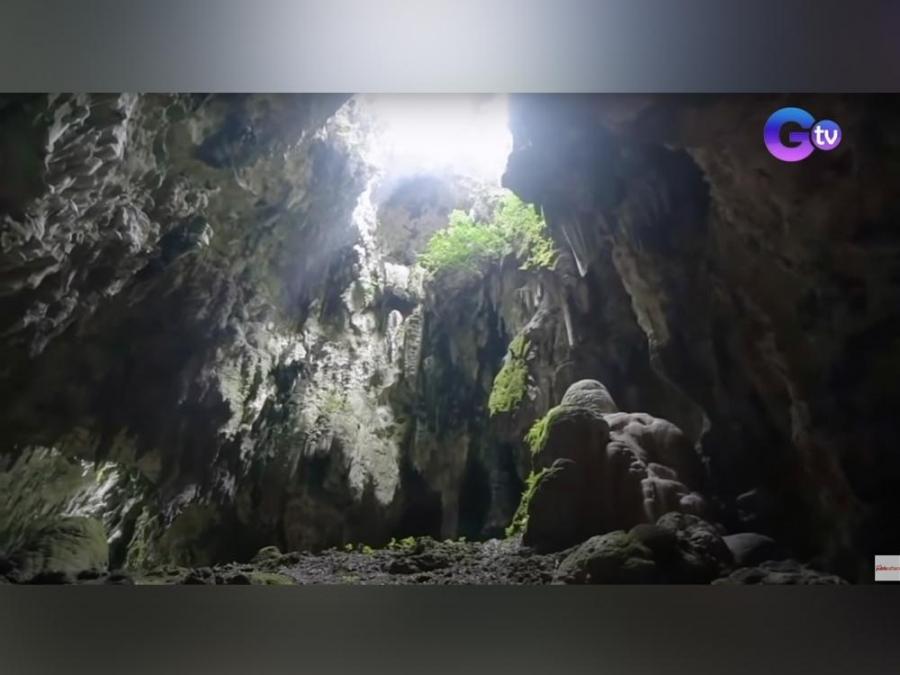
How caves can help us better understand Filipino roots and history
Around GMA
Around GMA
Babae, patay nang pagsasaksakin at bugbugin ng mister dahil sa selos umano; suspek, nakita sa balon Check out the scenes from the Miss World Philippines press presentation Brgy. chairman, nephew killed in Cotabato shootingArticle Inside Page
Showbiz News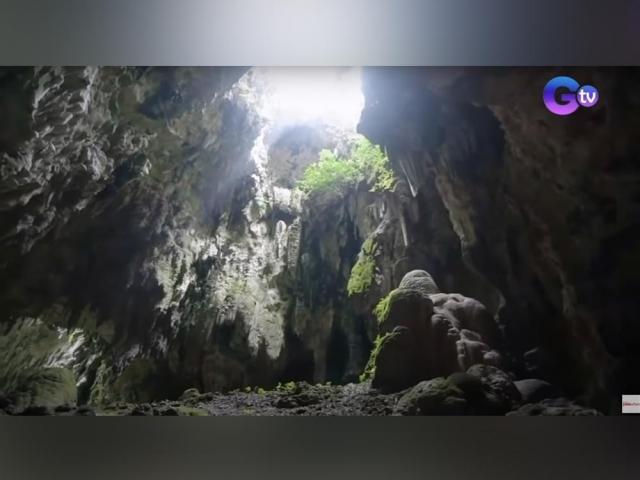
Caves, located in different parts of the Philippines, play a huge role in the formation of our historical roots.
Every now and then, it's important that we refresh our minds about our history and the past to better understand ourselves and the world around us. Knowledge about our roots, past societies, ideologies, and others, can be applied to this day and help us form better decisions as individuals and as a society.
There are countless ways to learn about our history especially now that technology exists. From reading actual books and online studies to watching documentaries, we can easily get a grasp of what went down in the past.
But, did you know that visiting caves can also be nourishing for the mind and is one of the many ways to interactively learn about our history?
In a recent episode of iJuander, host and journalist Susan Enriquez unveils how caves helped shape and form the Filipino culture.
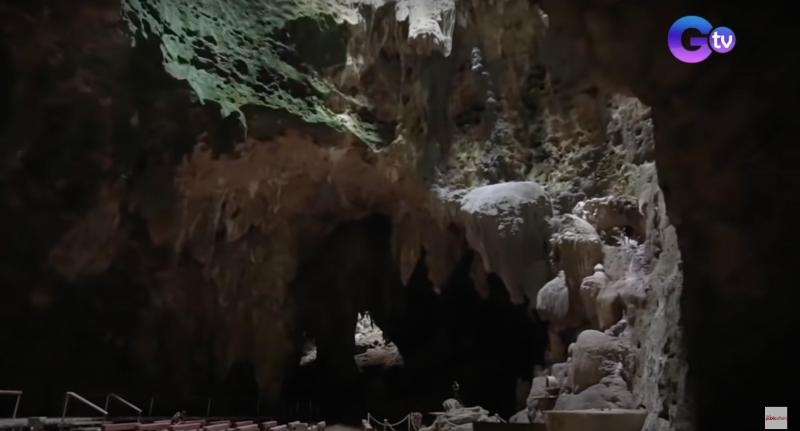
In the early days, caves served as a shelter for first men and animals. That's why there were numerous discoveries found inside that led us to believe in the existence of these living beings and be able to cover their tracks.
Dr. Jimmuel C. Naval, Dean of College of Arts and Sciences in UP Diliman confirms this and shares, “Sa kasaysayan ng Pilipinas maraming mga historical na cave na pinakinabangan at ginamit. Pangunahin na rito ang Tabon Cave na sa Palawan at sinasabi ito yung cradle ng Philippine Civilization. Alam naman natin na dyan nakuha yung Manunggul Jar at iba pa.”
Aside from the Tabon Cave, where the species of Tabon Man, one the oldest modern humans that lived in the country, existed, there is also another cave in the country that helped us form a better understanding of our history.
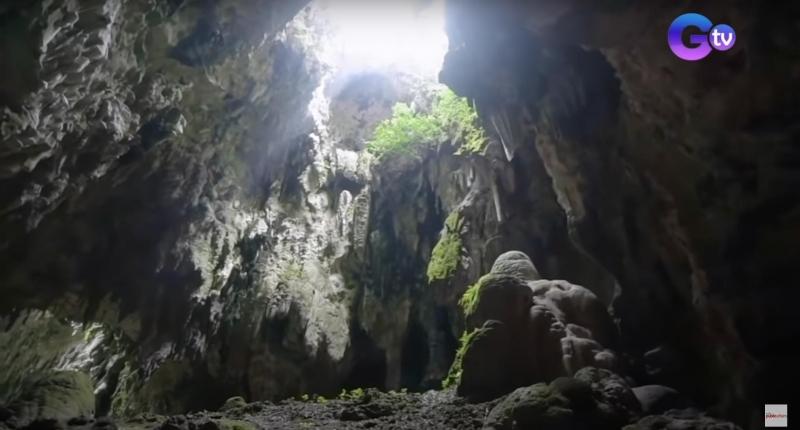
Cave in the mountains of Peñablanca in Cagayan, famously known as the Caving Capital of the Philippines, the Callao Cave also houses a piece of history that shifted our point of view and understanding of what went down during the old days.
This cave, where a chapel inside resides, is said to be the place where remains of the first men, that were older than Tabon Man in Palawan, were discovered.
According to Nino Kevin D Baclig, Museum Curator at Cagayan Museum and Historical Research Center, “It was not until 2010 when the initial discoverers Dr. Armand Mijares were able to identify them as Hominin or belonging to humans.”
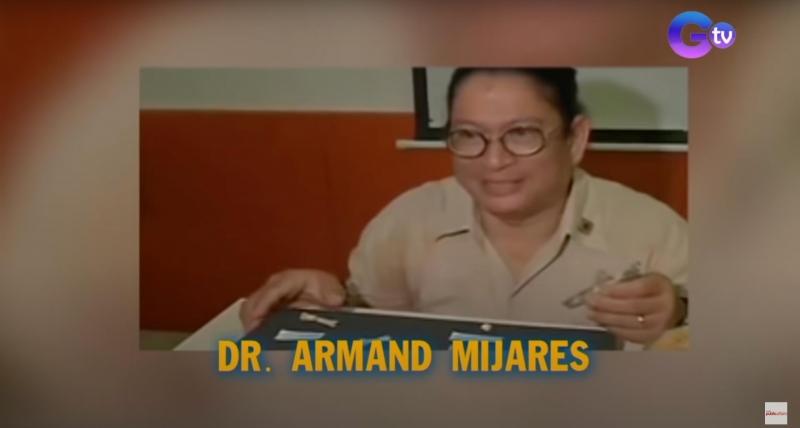
Dr. Eusebio Dizon, Professional Lecturer V Archeological Studies Program UP Diliman, added, “Sa kakatyaga ng kakahukay ni Dr. Mijares natagpuan pa ang mga ilang labi ng ngipin at mga buto pa. Enougn na ito as posit evidence to demonstrate a new species of humans called Homo Luzonensis.”
Because of this discovery, Filipinos were able to partake in the discussions of human evolution around the world and enabled us to learn more about the roots of humans.
For more inspiring stories like this, watch iJuander every Sunday at 7:45 p.m. on GTV
Viewers abroad can also watch iJuander via GMA's flagship international channel, GMA Pinoy TV. For the program guide, visit www.gmapinoytv.com.
Watch iJuander and other GTV shows through the clearer digital display of GMA Affordabox! For those on the go, catch your favorite Kapuso programs through GMA Now using your Android phones!
GMA Affordabox and GMA Now are available at several appliance stores and malls, and online at the GMA Store and at the official stores of GMA in Shopee and Lazada.
Meanwhile, check out these reef-safe sunscreens you can wear to the beach this summer.
