
How to disinfect your airplane seat like a pro
Around GMA
Around GMA
DHSUD, UPLB eyeing new rental housing under Expanded 4PH Farm to Table: (December 21, 2025) LIVE Content creator Arshie Larga reveals his biggest investment in 2025Article Inside Page
Showbiz News
As a smart traveler, how do you make sure that the seat you're sitting on is clean and free from coronavirus?
It's hard to imagine that in a matter of months, the novel coronavirus made its way in all parts of the globe.
Before the lockdown happened, many travelers took precautions to avoid getting sick in the aircraft. This also includes flight carriers who established mandatory guidelines for passengers to follow such as wearing face masks and face shields in both international and domestic flights.
But let's face it, during the flight a traveler spends most of his time in the airplane seat so it's important to always be meticulous about cleanliness while onboard.
Don't believe us?
Well, according to a study by Reservations.com, nearly 20 per cent of passengers have flown sick and 19 per cent of passengers don't wash their hands after using the airplane bathroom.
Here are some tips you can keep in mind and boost your chances of an illness-free vacation:
1. Pack disinfecting wipes
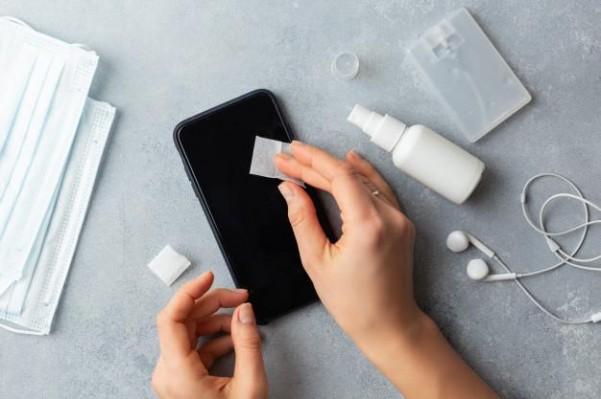
Never leave your home without wipes / Photo by angelina_zinovieva for Freepik.com
You're going to need to buy this beforehand because not all disinfectant wipes are made the same.
Opt for familiar names in the disinfecting business that promises to kill 99.9% of viruses and bacteria --- think, Clorox, Lysol, Purell, etc.
Yes, they're not the most aromatic but it's your best bet to sanitize your area while on board.
Microbiologist Kelly Reynolds of the University of Arizona said that disinfecting wipes are effective in killing viruses.
She told ThePointsGuy.com, “Studies have shown that disinfecting wipes and hand sanitizers can kill bacteria and viruses that are much more difficult to kill than coronavirus.”
2. Use your wipes correctly
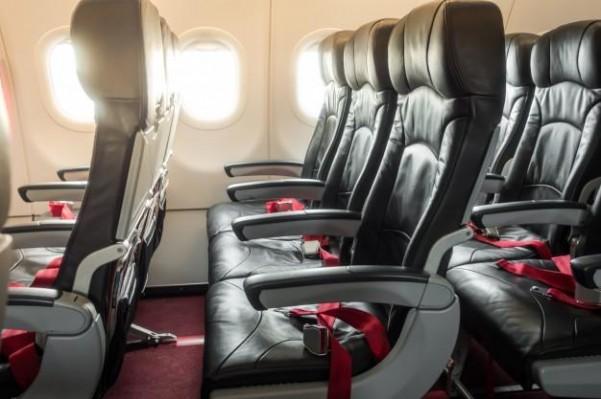
Yes, there's the right way to use disinfecting wipes, and the way to do it is to wipe down all hard, non-porous surfaces. Think trays, seat-back displays, and armrests, and make sure to read the instructions about how long it needs to stay wet --- usually for 30 seconds to four minutes.
In a study made by Reservations.com, airplane trays have a higher germ-meter score than that of a bathroom because they are not usually disinfected between use.
Another tip remember is to bring your wipes to the bathroom because the latch gets contaminated with fecal bacteria.
3. Bring seat covers
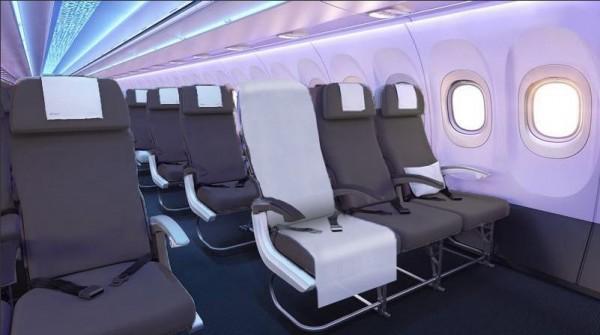
Try bringing seat covers for that extra protection / Photo by HygenEurope
Unfortunately, you can't use disinfecting wipes on upholstery because it will only make the fabric wet.
So, if you're concerned about the germs on its fabric, try packing a washable cover --- whether a towel or a blanket -- that can protect you from your seat.
If this is a hassle for you, you can always bring a portable UV light at all times which is proven to be a potent disinfectant.
4. Don't touch the seat-back pocket
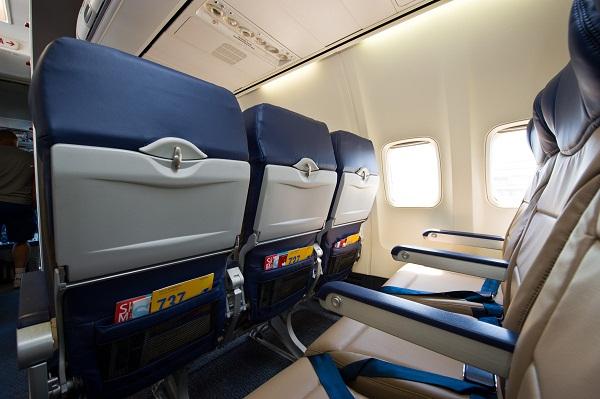
Seat-back pockets are one of the dirtiest places on an airplane / Photo by Upgrade: Travel Better
If you're one of those people who love stashing their water bottles in the seat-back pocket, refrain from doing so.
A Reddit user who is a long-haul flight attendant confessed that one of the filthiest places you can find on an airplane is the seat pocket.
She said that the pockets you often find so convenient are clear of trash but they are not technically “cleaned.”
Imagine, a passenger coughed into a wad of tissues and instead of disposing of them, they tuck them away in the seat-back pocket.
5. Sanitize your hands
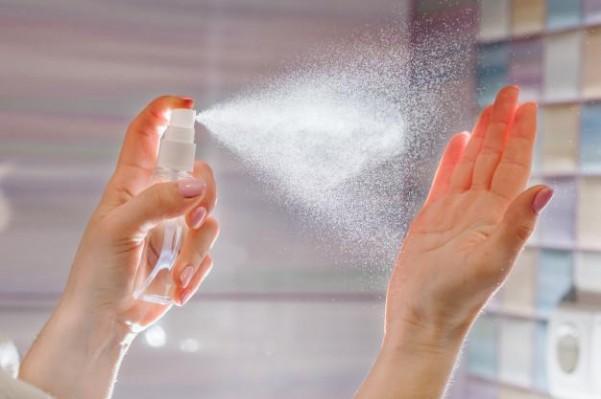
Always clean your hands / Photo by sobolevskyi for Freepik.com
You've heard this several times but the only way you can easily get sick is when you touch a surface with your hand and then touch your face.
So after wiping all surfaces when you get on the plane, always, always sanitize your hands.
6. Go for a window seat
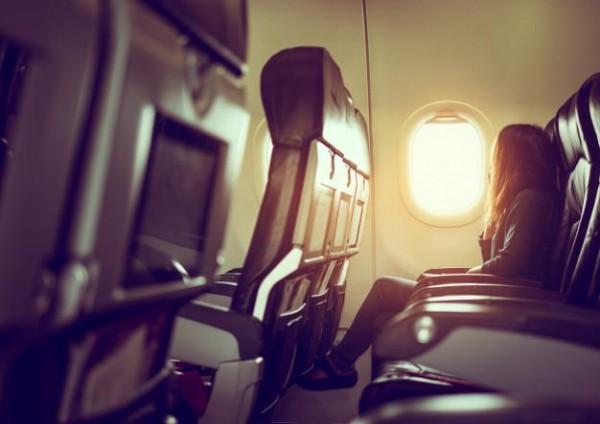
According to Charles P Gerba, a University of Arizona microbiologist, it's best to sit next to a window because you have less of a chance picking up the infection from a passenger.
Why? He said to ThePointsGuy.com, “You're more likely to get sick if you have the aisle seat since passengers are always walking by you.”
Final Thoughts
There has never been a more perfect time to practice good hygiene than right now. Keep yourself and those around you safe from the virus by making sure your hygiene kit is always nearby.
Of course, the most effective way to ensure great health is by frequent handwashing. If you can, reach for soap and water, and give your hands a good scrub. You'll feel cleaner and safer immediately.
