
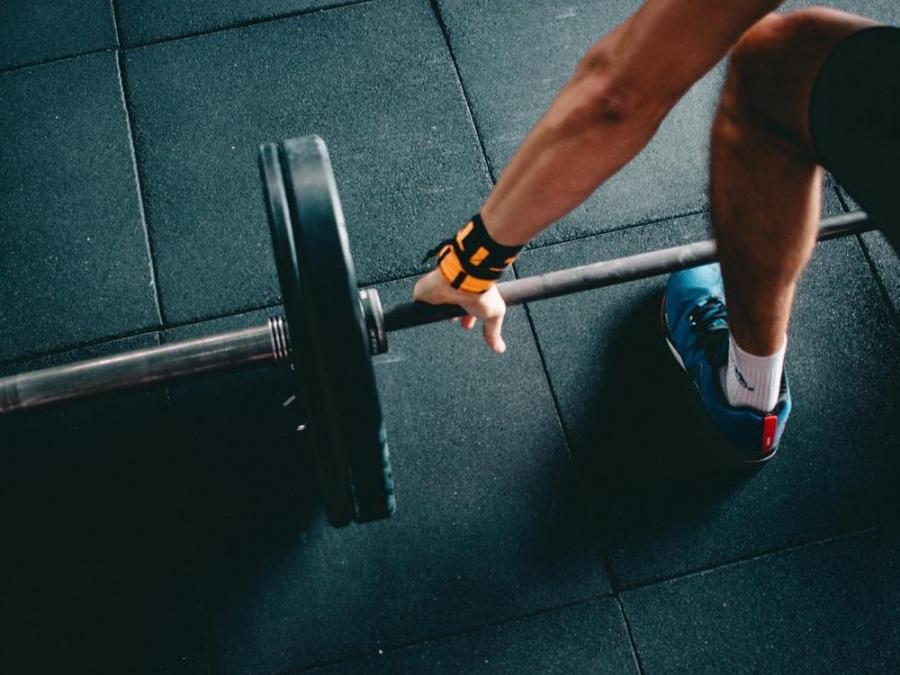
How to do proper and safe progressions in your home workouts
Around GMA
Around GMA
VP Sara underscores faith, humility in message for Feast of Jesus Nazareno All-out search for missing workers in landslide at Cebu landfill LRT-2 to allow barefoot devotees during Traslacion 2026Article Inside Page
Showbiz News
Have you been exercising since the quarantine began? Do you need more challenge in your fitness routines? This is how to progress in your workout!
About the same time last year, we've marked our first month in quarantine.
We've realized our routines have completely changed, what with being forced to shelter at home to be safe from contracting the novel coronavirus.
We might have discovered new hobbies and got started in new activities, and for some, this included doing home workouts.
With the threat of the COVID-19 pandemic, we've re-evaluated our lifestyle and checked on improving our health, with our immune system being our greatest defense from getting terribly sick.
But since a year has gone by, you might've noticed your exercises feeling a lot easier and lighter, and that you need a change and challenge in your regimen.
Congratulations! The good news is you might've actually gotten stronger.
The more thrilling news? Maybe, it's time to progress!
And we have just asked Assistant Professor Christian Wisdom Valleser from the Department of Sports Science, UP College of Human Kinetics to give you a rundown to do this safely and effectively at the comforts of your home.

The principle of exercise progression
According to Valleser, progressing in your workout is important and necessary to constantly improve your fitness.
He explains, “When you work out kasi you want to increase your fitness 'di ba. You do something that is challenging.
"For example, magja-jogging ka, magbubuhat ka ng weights, ganyan.
"Kasi, 'yung everyday activities natin hindi naman challenging.
"So, 'yung progression is there kasi habang nagwo-workout ka, nagiging sanay ka doon sa task na ginagawa mo.
"Para maging constant or patuloy 'yung pag-improve ng fitness mo, kailangan i-challenge 'yung sarili mo, kumbaga mas mahirap ng kaunti. Doon papasok 'yung progression.
“Kung 'yung workout na ginagawa mo pareho lang, eventually, 'yung mahirap sa'yo dati magiging normal na sa'yo.
"Kung ginagawa mo is paulit-ulit lang, 'yung normal lang ginagawa mo, hindi ka na mag-i-improve kaya kailangan ng progression.”
But before jumping into this change in your routine, it is also equally important to know if you are indeed ready to progress in your workouts.
Checklist to exercise progression
To do exercise progressions properly, safely and effectively, one must have a checklist.
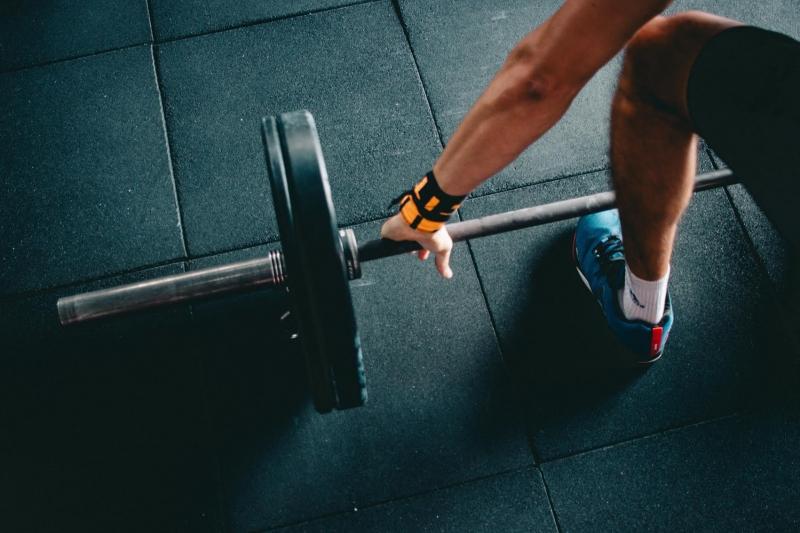
1. Executing proper form and technique
Before making any progression, one should ideally master the proper form and technique of doing the exercises.
Valleser illustrates, “For example, kung ikaw ay nagja-jogging, talaga bang madali na 'yung ginagawa mo para sa'yo or kunwari palagi ka bang tumitigil?
"For example, kung ikaw ay nag-gi-gym, consistent ba na tama 'yung form mo or dinadaya mo 'yung form?
"So, as long as tama 'yung technique na ginagawa mo tapos nagiging madali na siya sa'yo, doon tayo mag-isip ng progression.
"Pero 'yun ang importante doon, hindi mo isa-sacrifice 'yung technique para lang sa sake ng progression.
Maintaining proper form and technique does not only help you get stronger, it prevents injuries too.
Thus, if you've compromised these two things when you started intensifying your workout, it's better to reconsider and return to your previous routine.
He stresses further, “Talagang maintain 'yung correct technique sa pagbuhat, 'yung tamang form, tamang range of motion, tamang control.
"Sa running naman let's say, tamang running shoes, tamang running technique, making sure na tumatakbo ka sa safe na surface.
“Pinaka-basic na guideline for safety is maintaining proper technique and proper form sa lahat ng activities. Kasi doon maiiwasan 'yung injuries and 'yung accidents.”
2. Monitoring performance and perception of effort
Another way to find out that it's time for you to progress is by monitoring your performance and your perception of effort.
This can be measured through the number of reps or sets you do, the duration of your exercise, or through your heart rate or respiration rate.
Valleser explains, “'Pag medyo hindi ka na masyadong hinihingal, ibig sabihin mas madali na siya para sa'yo.
"Kunwari, 'yung dating task sa'yo na 10 minutes na tuluy-tuloy na takbo, kung 'yung hingal mo hindi na ganun kagrabe, ibig sabihin 'yung katawan mo nag-adapt na or tumaas na 'yung fitness mo to the point na medyo kaya na niya 'yung pinapagawa mo sa sarili mo.
“Pwede siyang [ma-observe sa] heart rate or pwede rin sa respiration rate or 'yung hingal, 'yung breathing.”
He also adds, “For example ang binubuhat mo 20 lbs, tapos 10 reps ginagawa mo.
"Next time, 'yung 10 reps, madali nalang. Kaya mo na siya gawing 11 or 12. Or dati ginagawa mo two sets lang, later on three sets kaya mo na. Kumbaga 'yung perception ng effort.”
How to do exercise progressions
Once you've made a habit out of the two items in the checklist above, you may now consider doing exercise progressions.
1. Modifying your exercises
There are three ways to progress your exercises: by increasing the intensity, by increasing the duration, or by increasing the volume.
Valleser says, “Sa buhat, pwedeng the same number of repetitions pero dadagdagan mo ng konti 'yung bigat para mag-progress.
"So, 'yun nga 'yung intensity or 'yung bigat pareho lang pero dadagdagan mo 'yung number of reps.
"Kunwari 10 reps lang, madali na sa'yo 'yung 10, gagawin mo siyang 11. So, tataas ngayon 'yung duration mo.
"Pwede rin naman, same load, same reps pero dadagdagan mo ng one more set, isa pang set so tataas 'yung volume.
The important thing is for you to be able to progress, you should do at least one modification in your routine.
“Sa exercise science kasi so far lumalabas, there's not one best way to progress.
"Hindi sinasabi kung better na intensity or better kung volume or better kung duration.
"As long as you are progressing in some manner, it's all good.”
2. Keeping a record of your exercises and routines
Valleser also explains that one shouldn't expect that he or she can progress in all the exercises about the same speed.
And because of this, he emphasizes the importance of tracking your workouts--the number of reps you do for a particular exercise, the weight you lift, the time it takes for you to finish a set or routine.
“Importante rin 'yung monitoring na isinusulat mo siya sa notebook o kaya sa nilalagay mo siya sa phone para ma-monitor mo 'yung performance mo.
"Kasi nga, hindi mo alam if magpo-progress ka na kung hindi mo nare-record, e.
"Kailangan mo makita… Doon mo rin makikita kung ano 'yung mga movement na matagal na hindi nagpo-progress.
"Kailangan kasi natin 'yung tracking para ma-plan mo 'yung progression mo.”
“Per movement talaga 'yan or per exercise kasi hindi naman 'yan sabay lahat-lahat.
"So kahit isa lang, every week isa mag-i-increase, okay na siya. Kasi let's say 'yung arms, mas mabagal mag-progress 'yung arm exercises compared to let's say leg exercises.
"So okay lang talaga siya na hindi sabay-sabay basta mino-monitor mo.”
3. Hydration and proper nutrition
Progressing in your workout is not all about grinding it out during your sweat sessions.
Replenishing your body through hydration and nutrition plays a critical role to make your progressions effective.
Valleser highlights this, saying, “Importante 'yung hydration and then proper nutrition after.
"Kasi may concept tayo sa Pinoy na 'Nag-workout ka nga tapos kakain ka naman right after, parang walang kuwenta.'
"Actually, tama 'yun. You actually have to eat right after.
"Ang dati kasi iniisip 'pag kumain ka after your exercise, sayang lang, kumain ka rin pero, actually, kailagang kumain talaga.
4. Rest and recovery
According to Valleser, to be able to adapt and improve your fitness, it is necessary to rest and recover.
“Between your workouts naman, maganda may one day rest ka in between… pero, that does not mean na magpapahinga ka totally.
"Bukas, pwedeng ibang exercise naman 'yung gawin mo or 'yung mga ginawa mo kahapon, pahinga muna sila ngayon.
"Same thing for example kapag nag-jogging ka, bukas pwede naman ibang activity like weights naman tapos pahinga muna 'yung cardio mo para may proper recovery ka in between your sessions.”
“Hindi ka naman lumalakas during exercise, e.
"May stimulus for you to improve but after your stimulus, kailangan muna ng recovery.
"'Yun 'yung tamang kain, tamang tulog, tamang active rest so that after your body has recovered, doon slowly mag-a-adapt na siya.
"So, 'yung adaptation mo na mangyayari, tataas 'yung stress mo, lalaki 'yung muscle mass, tataas 'yung cardiovascular endurance and then ngayon pag nag-adapt ka na, i-stimulate mo na siya ulit with the exercise.
"Kapag kulang 'yung recovery, ibig sabihin, hindi ka makakapag-adapt. Kasi, recovery has to happen for adaptation to occur.”
Keeping an active and healthy lifestyle may appear overwhelming after all these information, but always keep in mind the main purpose of doing exercises.
Valleser concludes, “Unang-una, kailangan mo is you have to do some form of exercise especially ngayon nga na there's a pandemic going on.
"Importante 'yung exercise for mental health and for boosting your immune system.
“As long as you're progressing, you are doing good. Walang finish line ang exercise. It's a constant pursuit of fitness.
"So habang buhay ka, patuloy ka ring magwo-workout at magpo-progress.
"Kumbaga, wala siyang 'Okay na 'to, masaya ka na. Hindi mo na kailangan mag-progress.' It's a constant pursuit of improved fitness. Lifetime commitment ang exercise.”
Simple activities to break your sedentary and busy lifestyle
FACT CHECK: Can you really burn 600 calories in four minutes?
Calorie deficit: The fundamental principle behind weight loss
For more lifestyle content, head out to GMA's Lifestyle page.
Meanwhile, check out these celebrities who are doing home workout during the COVID-19 pandemic:
