
How to help the local restaurant industry
Around GMA
Around GMA
Volleyball Tournament - March 11, 2026 | NCAA Season 101 Officials to study need to raise fare of Guimaras boat ride HONNE returns to Manila this August for 10th anniversary tourArticle Inside Page
Showbiz News
According to restaurateurs, dining behaviors have changed and the food industry must adapt to keep up.
If the recent news about restaurant closures doesn't alarm you, well it should. The announcement of the wildly popular food hall, Hole in the Wall, ceasing operations broke the hearts of many foodies. Soon, your favorite restaurant might be next if the pandemic continues, bringing the once-vibrant local restaurant scene to a heartbreaking finale.
The local restaurant industry is hanging by a thread, struggling to cope in this “new normal.” After all, restaurants rely on diners to keep their businesses alive.
“I've been getting bothered seeing social media posts that say restaurants are now fine. And even some that imply restaurants are taking advantage of the pandemic to squeeze money out of customers. The reality couldn't be further from the truth. We're are a long way from being out of the woods,” says restaurateur Nowie Potenciano in a Facebook post a few weeks ago titled “How to Help Restaurants.”
Nowie and wife Odette are the founders of The Sunny Side Café Group, a collection of restaurants based in Boracay Island. The brands under the company are The Sunny Side Café, SpiceBird, Supermagic Burgers, Coco Mama, and Please Senpai.
The company recently opened SpiceBird's first branch in Metro Manila at The Grid Food Market in Power Plant Mall in Makati City. When Boracay stopped receiving tourists because of the lockdown, Nowie decided to open a branch in Manila to stay afloat.
The group has been doing pop-ups in the past including the time when Boracay underwent rehabilitation. But this time, it's different. The landscape has changed in the whole country. The number of people dining out dipped dramatically and understandably so. The virus is still out there and the vaccines are still at their trial stages.
Today, dining out is only for people brave enough to leave their houses.
NEW DINING HABITS
According to a study by British psychology researcher Phillipa Lally, published in the European Journal of Social Psychology, it takes about 66 days for people to form a new habit.
“On average, it takes more than two months before a new behavior becomes automatic -- 66 days to be exact,” the study states. The study also says that it could take between 18 and 254 days for people to form a new habit.
Humans are forming new habits because of the pandemic. Habits occur subconsciously, meaning when habits are formed, it's hard to get rid of them easily.
Eight months into the pandemic--that's more than 240 days--people are forming new habits. People are now used to ordering in rather than dining out. This spells catastrophe for the restaurant industry.
“In reality and how we've done our planning, for 2021 and 2022, which essentially covers rebound and renewal, is we're already reimagining the business,” shares McDonald's Philippines managing director Margot Torres during the “Restaurant Talks: COVID to Covers” webinar by Restaurant Owners of the Philippines or Resto PH.
The group recently held a webinar to discuss what has changed in the industry and share the new practices some restaurants are employing to cope with the pandemic.
Being an international chain, the American fast-food restaurant has a bigger chance of surviving than small restaurants. But the pandemic has changed its business as well. Although, they were already ahead of the game building their online infrastructure a few years ago.
“We had that structure in place, that ecosystem so it became easier for us to respond,” Margot is about its website, online ordering and delivery, and mobile application.
According to her, before the pandemic, the delivery component accounts for only 10 percent of the business, while drive-thru is only at 16 percent. Because of the pandemic the delivery business tripled, and the drive-thru doubled, although not enough for business to recover.
She says that at some point, restaurants should accept the new reality. In fact, she says that the company has cut down the number of new restaurants construction in the coming year
“There has to be a certain level of acceptance in embracing the change. Habits are formed 30 to 45 days and we've been this way for seven months. The consumer has already changed. Just because the vaccine will be invented, doesn't mean they will rush back into the restaurants and dine in or they will stop doing the delivery. Whatever habits they form now, they will continue and we may need to reboot or create new habits again to encourage them to go back to our restaurants, to visit them and dine-in,” she says.
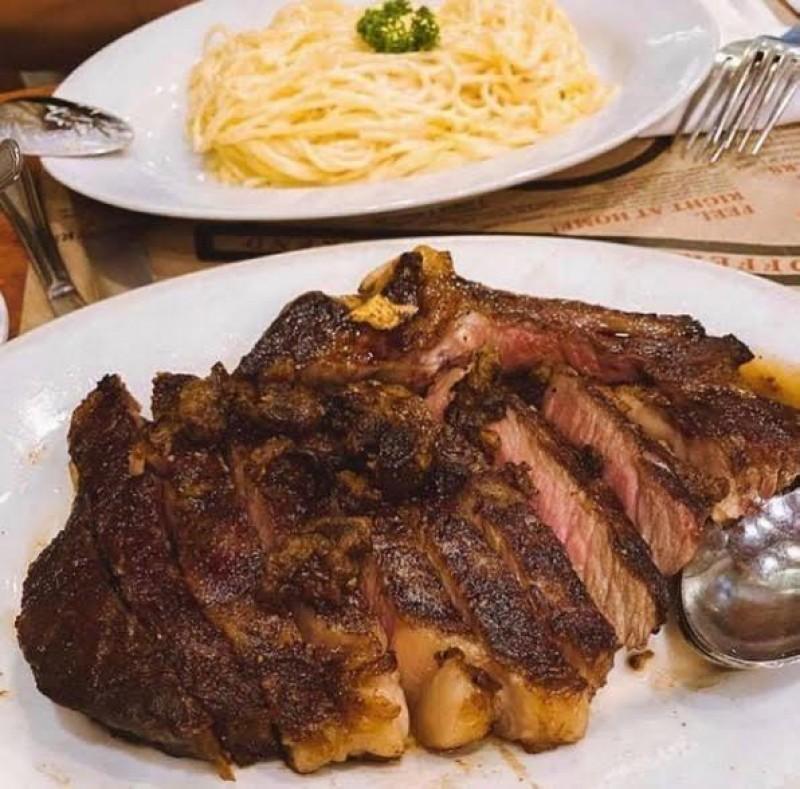
Mamou specializes in steaks and pastas | SOURCE: @mymamou
DELIVERY NOT DELIVERING ENOUGH
Delivery picked up and e-commerce is at its peak. Although there's a slew of new home-based kitchen that delivers new and delicious eats, there are still food businesses that are struggling and some are permanently closing down.
The advantage of these small businesses is they were built on the food delivery business model. They created products that were intended for delivery.
However, most restaurants do not have a delivery system because what they offer are freshly cooked meals. Freshly cooked food is what customers love about restaurants. It's not the same experience in delivery service. That is why switching from dine-in to delivery was a challenge for most restaurants.
“The challenge for us is how to pivot from a purely dine-in business one to take-out and delivery. In our case, we have to start from zero because as many of you know. It was a challenge both financially and because we have to start from zero,” explains Oye Fores, owner of Mamou and Recovery Food, during the webinar.
Mamou specializes in steaks and kinds of pasta, which are best served hot and fresh. What the restaurant did to keep up with the delivery demand is they had to tweak some of the recipes so that the food can last longer during delivery.
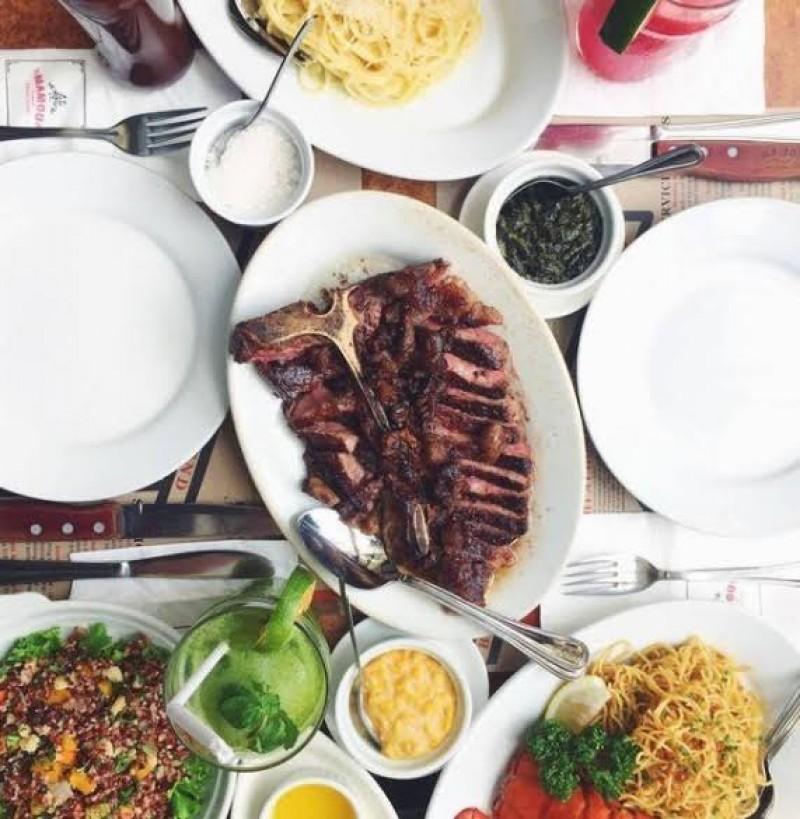 Dine-in is still the best business model for restaurants. | SOURCE: @mymamou
“Some of our dishes, an example is one of our popular pasta, they did not travel very well. We had to make changes to our cooking process and even our ingredients. We had to reexamine and readjust. We had to change one of the key ingredients to our pasta so it could travel better for delivery and takeout,” he says.
They also added personal touches to the service. They included restaurant placemats and the free bread in every order and they message their customers via text trying to get feedback about the food.
In Wolfgang Steakhouse's case, the restaurant offers micro catering or intimate catering. According to Raymond Magdaluyo, the steakhouse has a truck equipped with a kitchen and they can bring the restaurant to customers' homes.
“For the people who don't want to go out, we created the micro catering group. We cater to two to 10 people. We have two mobile trucks. What we're trying to do now is we're trying to build more mobile micro kitchens,” he explains.
But to recover, restaurants need dine-in customers. Restaurants are trying their best to make customers feel safe and comfortable, from changing the layout of their dining spaces to moving tables outdoors. Delivery is clearly not enough to cover overhead expenses.
HELP AND SAVE YOUR FAVORITE RESTAURANT
So how do you help your favorite restaurant from closing down?
Nowie suggests that customers should directly order from restaurants rather than delivery apps. These delivery apps actually take more than a quarter of the bill. This means that the restaurants end up getting small profits.
“Delivery apps typically get a whopping 25 to 30 percent share of your bill, leaving not much else for restaurants to earn from. Every peso counts especially during this time so if you'd like to help, call the restaurant and order direct. Book your own rider or if the restaurant offers it, they can do it for you. It just takes a smidge more effort and a bit of human interaction on your part but it will be a huge deal to the restaurant,” he says.
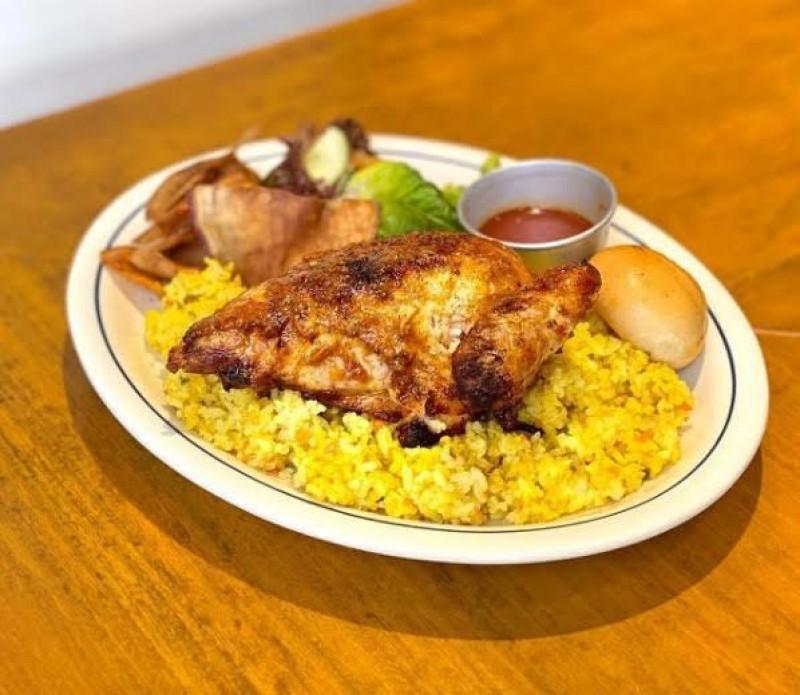 Spicebird's peri-peri chicken | SOURCE: @spicebirdgrill
He also advises customers to eat regularly at their favorite restaurants, after all, being loyal has its perks. Also, don't ask for something you don't need like plastic cutlery, napkins, etc. Restaurants are saving as much money as they can. And if you can, skip discount privileges because some people actually abuse this right.
He also asks that don't forget to order dessert and drinks. Tipping well is much appreciated, too.
Most importantly, understand the situation. Everyone is struggling, throw that “I'm a paying customer!” entitlement card out the window.
“The chicken tastes a little different? That's because the cook wasn't able to get to work from Cavite. Your favorite dish is out of stock? That's because supplies from the province couldn't get into the city easily. Your delivery that arrived was incorrect? That's because it's the first time the staff has had to deal with so many take away orders. All of the above are very real examples that I've encountered in various restaurants in the past few months. So, if things aren't 100% there, please be a little understanding and forgiving,” he says.
But he clarifies that restaurants are, of course, open to suggestions.
“That's not to say that though you should keep any misses in your experience to yourself. The great restaurants are those that are willing to listen to customers whenever problems arise so let them know directly. You don't even need to post on social media about it,” Nowie ends.
