
How used beverage cartons are recycled
Around GMA
Around GMA
Sto. Niño images blessed at Tondo Church during feast day Girl, 7, hit, run over by pickup truck in Ilocos Sur; dies 'Heated Rivalry' star Hudson Williams makes runway debut at Milan Fashion WeekArticle Inside Page
Showbiz News
Here's a quick look at the recycling process of used beverage cartons:
Eco-friendly alternatives to everyday products are now popping everywhere, from shampoo bars to bamboo straws. Though it may be easy for some, switching to a waste-free lifestyle can be difficult for many, especially when it comes to bottled water and ready-to-drink beverages.
This is where aseptic cartons come in. "Aseptic processing reduces the thermal impact on the product, thus it remains fresh for months without refrigeration and preservatives," says Larry Tobias, Business Development Manager and Key Account Manager of Tetra Pak.
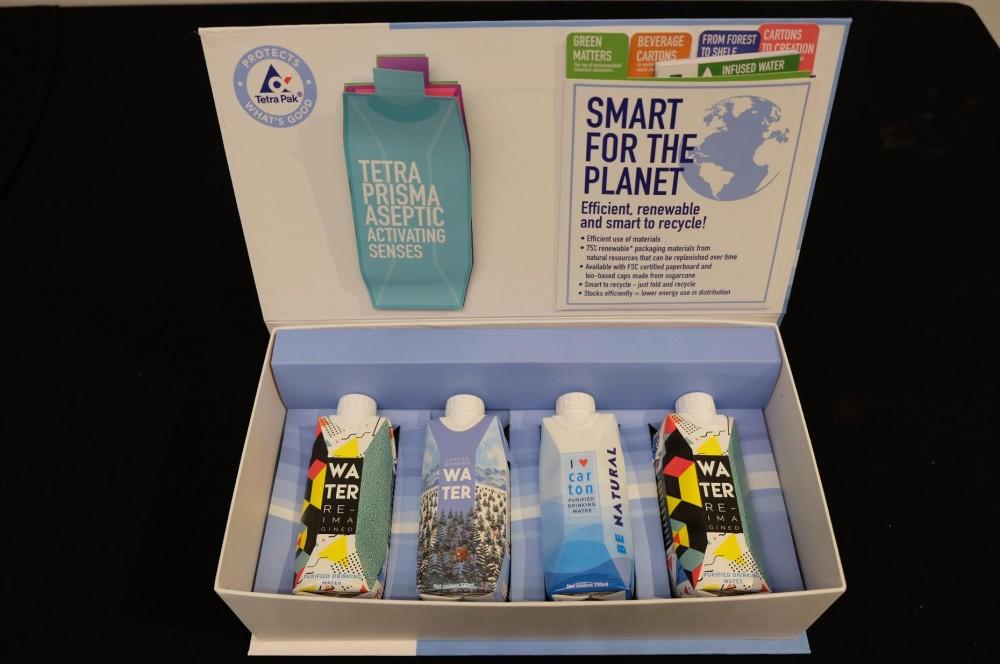
"Each aseptic carton is composed of six protective layers, mostly composed of paper. The rest are polyethylene to protect against outside moisture and seal the liquid, and aluminum foil that acts as an oxygen and light barrier."
They may seem to be single-use at first, but this type of packaging is "responsible, renewable, and recyclable," he adds.
"It also contributes to building a low-carbon circular economy," shares Diane Ibay-Raza, Tetra Pak's Environment Manager and Circular Economy Expert during the Boracay Food Safety and Beverage Carton Recycling Forum held in Crimson Resort ans Spa Boracay last September 26.
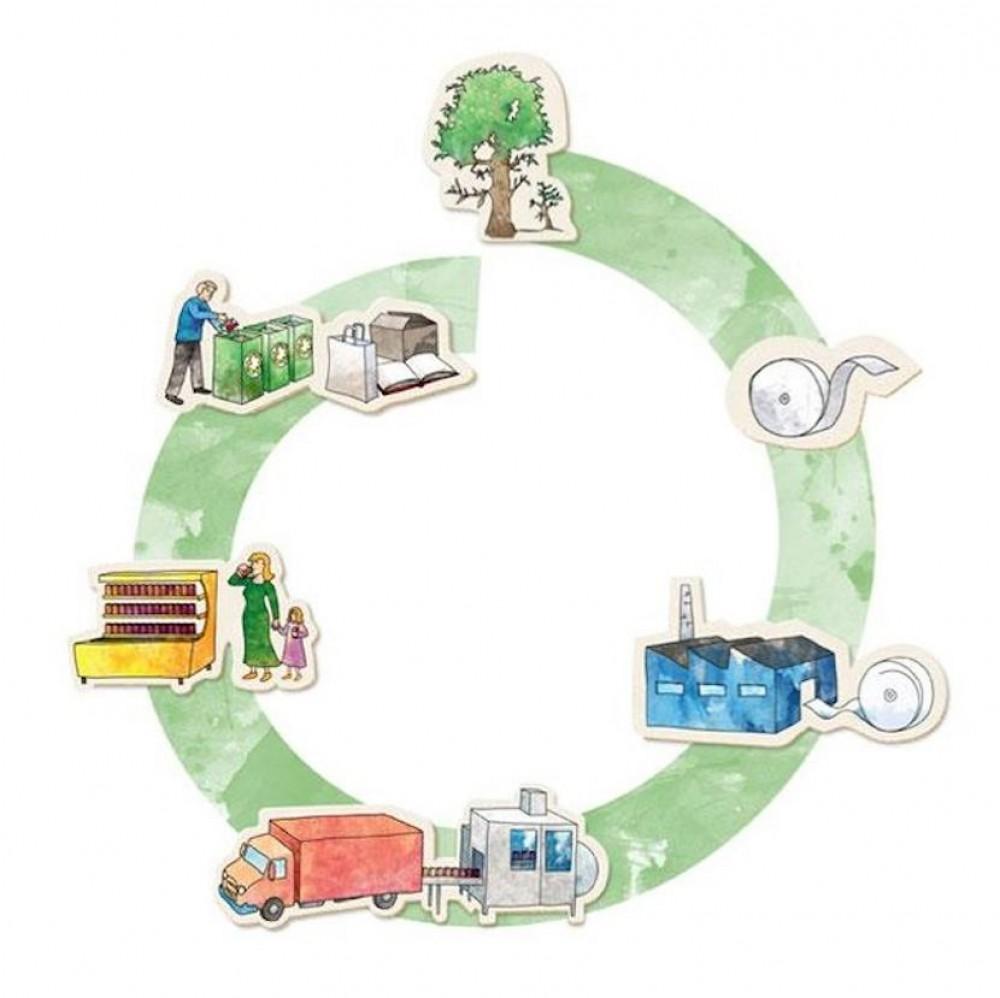
"Circular economy is a model that designs out waste and pollution, gets more value out of products and materials, and also used as a way to regenerate natural capital.
"Research shows that beverage cartons have a lower carbon footprint than alternative packaging, and each piece can be recycled in parts or as a whole."
Here's a quick look at the recycling process of used beverage cartons (UBCs):
Prepare your UBCs
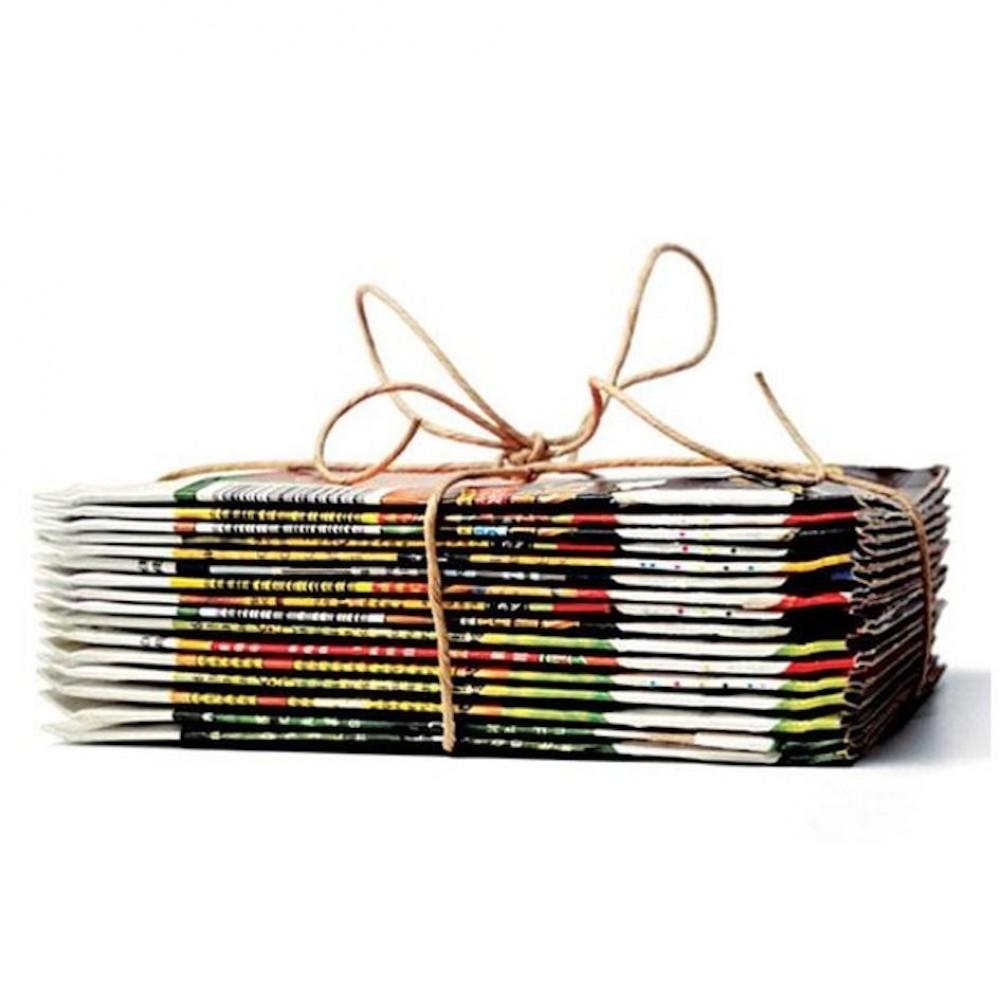
Everything starts with the proper preparation of your cartons. Much like how the materials for eco-bricks are prepared, the UBC should be rinsed clean. You then have to flip the top corner sides of the pack, flap open the bottom corner sides, and flatten the carton to save space. Lastly, pop the straw back inside the carton or in other cases, reattach the cap. Just remember to RINSE, FLIP, FLAP, FLATTEN, and POP, and it's ready for collection.
Collection
There are specially labeled trash bins as well as collection containers for used beverage cartons. "Most UBCs become a residual waste because people don't know that there is a recycler in their area, say Boracay," explains Diane. The collected cartons will be sorted properly and tagged as recyclables, then brought to recycling facilities.
Repulping or 'recycling as a whole'
Each product can be recycled in two ways -- repulping or full carton. Since aseptic cartons are 75% paper, the fiber is turned to recycled paper materials. The remaining 25% polyethylene and aluminum, or polyAl is extracted as well. The full carton can also be processed to be an entirely new product.
New products
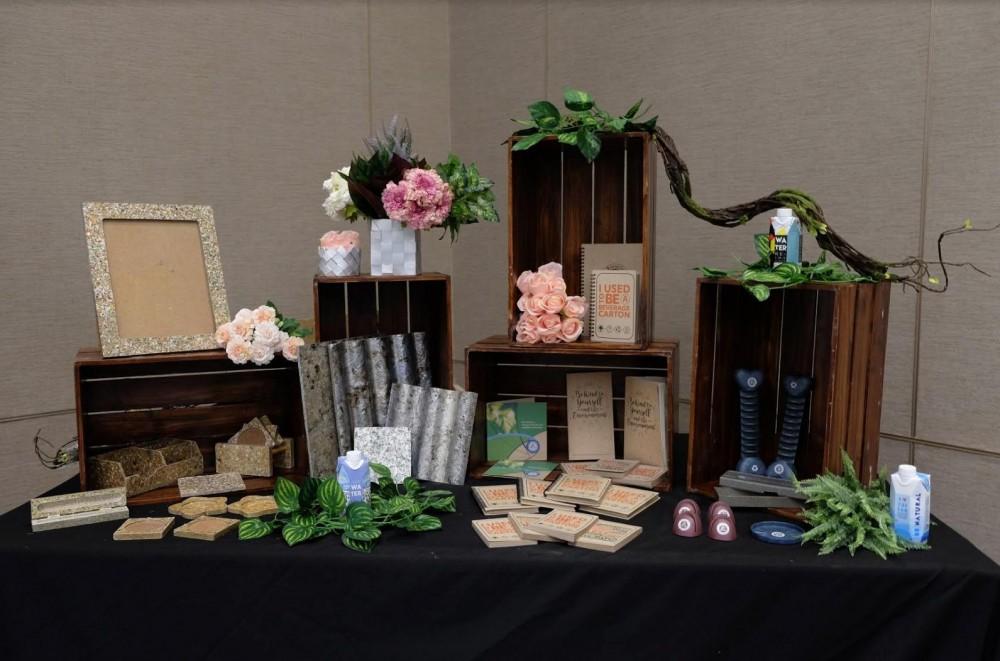
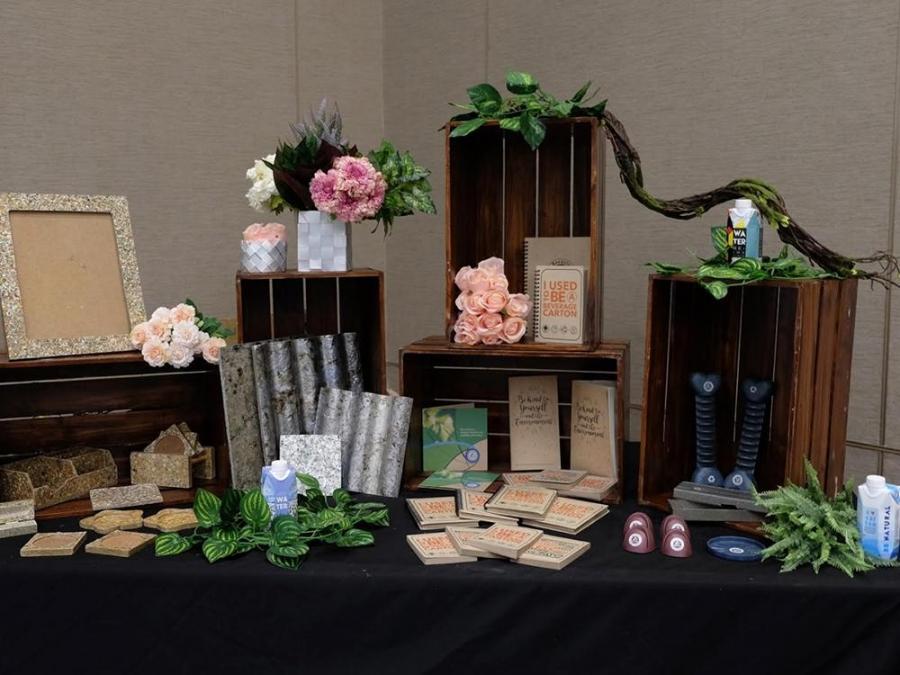
With the recycled paper material, products such as notebooks, notepads, postcards, and other paper-made items can be produced. The polyAl components can be turned into roofing sheets, while the full cartons are made into chipboards that can eventually replace plywood.
"We can actually make anything from UBCs. As long as our technology can handle it and there is a demand for it, we can make it. We are currently exploring other ideas and very open to suggestions," says Max Edric Sy, Production Manager of Rural Industrial Corporation, one of Tetra Pak's manufacturing partners.
The next time you need an instant drink, consider getting one in an aseptic carton and recycle it properly!
