
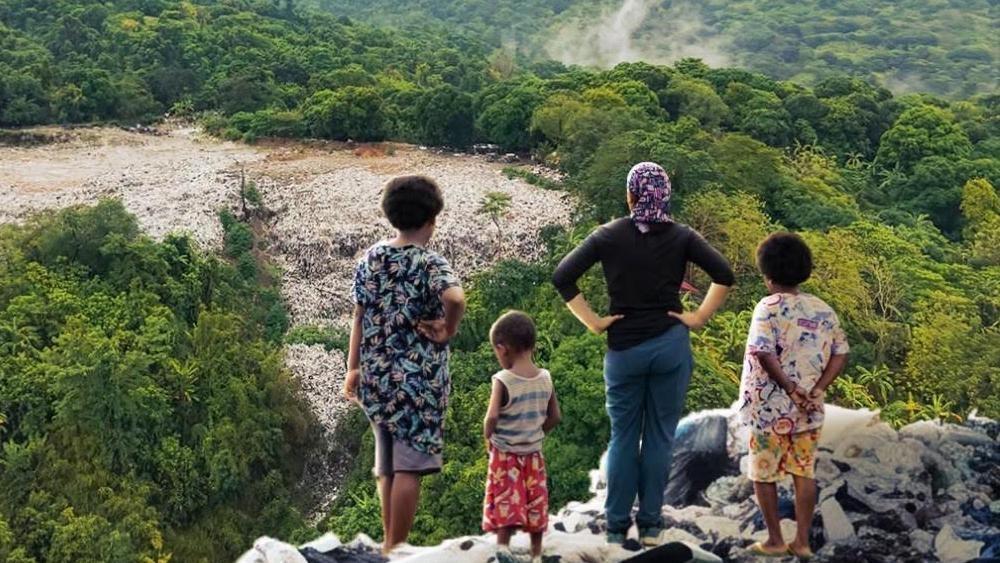
'I-Witness' stands by 'Ibinasurang Paraiso' documentary, addresses online claims
Around GMA
Around GMA
One Mindanao: July 23, 2026 [HD] Wanted sa kasong syndicated illegal recruitment, nadakip; mga nabiktima, pinangakuan ng trabaho sa Europa Surf Patchara, Java Bhobdhama to visit PH for 'Love Me If You Swear' special screeningArticle Inside Page
Showbiz News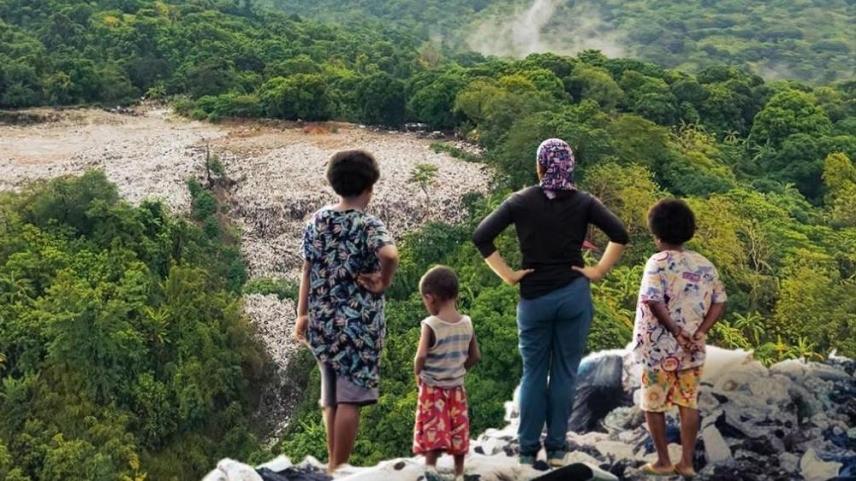
GMA Public Affairs' 'I-Witness' has stood by the findings of its documentary "Ibinasurang Paraiso" after claims disputing the report circulated online.
The documentary program I-Witness has stood by the findings of its documentary "Ibinasurang Paraiso" following the circulation of online claims questioning its report on an open dumpsite in Subic, Zambales.
In a statement, the public affairs program reaffirmed its commitment to "accurate, fair and responsible journalism." It also reiterated that the documentary was backed by extensive research, official government records, and interviews with residents and community leaders.
The documentary, reported by Kara David and aired on July 11, examined the environmental and human impact of an open dumpsite in Sitio Tibag, Barangay Naugsol, Subic, particularly on the Aeta community living in the area.
According to I-Witness, documents reviewed by its team showed that the dumpsite had been operating for six years without the necessary permits. It added that the Department of Environment and Natural Resources (DENR) had already found the site to violate the Ecological Solid Waste Management Act of 2000 as early as 2022 and had issued cease-and-desist orders, including another one in March directing that the waste be transferred to an accredited sanitary landfill as part of the site's closure.
Following the documentary's broadcast, the issue gained widespread public attention, with the DENR issuing a third cease-and-desist order this month for the full closure of the dumpsite.
Addressing claims that the dumpsite sits on private property, I-Witness said its team secured a copy of the Certificate of Ancestral Domain Title (CADT) issued by the National Commission on Indigenous Peoples (NCIP), which identified the area as part of the ancestral domain of the Aeta Ambala Indigenous Cultural Community.
The program also disputed assertions that there was no foul odor in the area, saying residents living near the dumpsite told the team they had endured the smell for years, especially during the rainy season, with some families eventually leaving their homes because of its effects on their health and daily lives.
It also rejected claims that the Aeta community is located several kilometers away from the site, noting that its team documented abandoned homes just meters from the dumpsite. Residents also raised concerns about the persistent foul odor, the increase in flies, and the long-term health risks.
According to the statement, the team also documented a stream below the dumpsite where garbage was being carried by flowing water. Residents said the waterway could no longer be used for drinking.
In addition, I-Witness interviewed the chieftain and council of elders of nearby Sitio Alibang, who confirmed that portions of their traditional hunting grounds and sources of livelihood are within the same area as the dumpsite. The leaders also expressed concern over the facility's continued operation.
The program stressed that its findings were not based solely on residents' testimonies but were also supported by official government documents and were consistent with the DENR's own findings and regulatory actions.
I-Witness concluded its statement by reaffirming its commitment to responsible journalism.
"We stand firmly by the documentary and the facts presented in 'Ibinasurang Paraiso,'" it said.
