Keeping your kids safe from accidental poisoning at home
Around GMA
Around GMA
DUTERTE IN ICC Bakit mananatiling nakadetine si FPRRD ayon sa ICC Appeals Chamber? | GMA Integrated Newsfeed Cebu makes a special appearance in K-drama 'Boyfriend on Demand' Witness IDs suspect in killing of brgy chief in IloiloArticle Inside Page
Showbiz News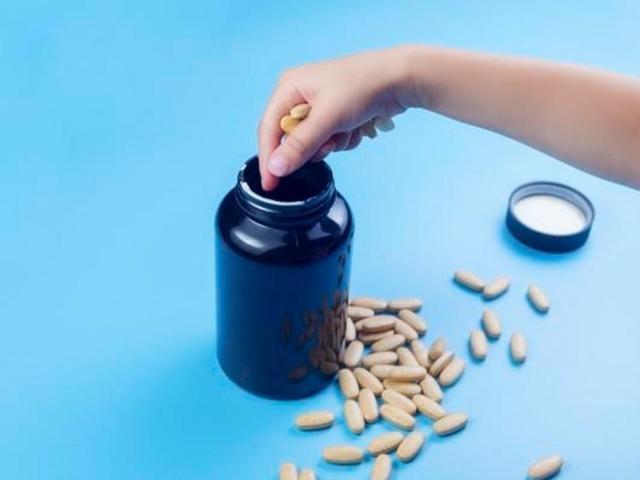
Keep your kids safe at home by preventing any accidental poisoning at home with these tips in mind.
As the term suggests, accidents aren't supposed to happen. The best thing we can do is try to prevent it by taking precautionary measures and making it a habit in our day to day lives.
The same goes for accidental poisoning where preventive measures are key to making sure our children are safe from any form of harm.
In a report made by Dr. Erle Castillo of the Philippine Society of Clinical and Occupational Toxicologist, a large number of poisoning incidents involving children are accidental and are often caused by exposure to common household agents.
This includes jewelry cleaners, isopropyl and ethyl alcohols, pesticides, kerosene, bleaching agents, button batteries, muriatic acid, chlorine granules, and so much more.
In 2009, the National Poison Management and Control Center tallied 55 percent of poisoning patients were children.
And who could blame them? Children are naturally curious and may come across household cleaners and other chemicals lying around your home. Even if a product doesn't have a poison warning label, it may still be hazardous if consumed in high dosages.
To prevent these situations to happen to you, follow these tips shared by Dr. Castillo from The Healthy Juan:
1. Keep all household products in their original bottles
Never replace the original containers with cups, bottles, or other household items that are normally used for food.
“Iwasan ang paglagay ng mga kemikal sa ibang bote tulad ng mineral water o juice kasi ang chances na mainom ito ay mataas kapag doon mo ilalagay,” he said.
2. Lock up chemicals in a safe place
The best place to keep all your chemical agents, pesticides, and medicines is in a high cabinet or compartment with a child-proof lock.
“Mas maganda kung mailalagay mo sa isang cabinet na nakakandado. Kung wala kang cabinet, maari mong ilagay sa matataas na lugar na hindi maabot ng mga bata,” Castillo mentioned.
3. Put all medicines away after using
Once you're done with an item, always return it in a safe space. Never, ever leave prescription medications out in the open even for a short time.
Castillo warned, “For example, ang mefenamic acid can cause convulsion sa mga bata kaya hindi siya dapat nakalaylay lang. For adults, pwede naman basta nasa wastong dose.”
4. Double check seals and label your items carefully
Before putting away any cleaning agents and chemicals make sure the lid is tight and secure. Never remove labels because it may pique a child's curious mind.
“Tulad ng gaas na isang petroleum distillate at it can cause pneumonia o kaya chemical pneumonitis,” he said.
“Delikado ito sa mga bata kahit na malanghap ay maaring mapunta ito sa baga at maaring hindi makahinga ang bata.
“Bleach naman has sodium hypochloride which is nakakasunog ng lalamunan pag nainom ng bata. Alkali 'yan e, kaya hindi siya dapat nakalaylay lang at dapat nakalabel din.”
5. Never call medicine “candy”
Some medicines have a coating that makes them look like candies but never use the term often in front of your children. This could lead them to consume more medicines on their own without your knowledge.
The most common symptoms of poisoning may be non-specific and may manifest as headaches, nausea, vomiting, dizziness, irritation of the skin, eyes, and mucous membrane.
If an accidental poisoning does occur, call the nearest hospital within your location.
Remember, prevention is the best cure we have. Always look out for poisoning hazards and keep your kids safe.
