

Keto Diets: The strict, the lazy and the dirty
Around GMA
Around GMA
Mga Balikbayan nga Makig-Sinulog sa Cebu, Mainitong Gisugat | Balitang Bisdak Ada moves north northwestward; Signal No. 1 remains over 15 areas Farm To Table: Panalo sa sarap!Article Inside Page
Showbiz News
Here's a guide to the three types of keto diets and how each of them works.
Over the years, the keto diet has grown in popularity and different variations have emerged on how you can follow it exactly.
Though it started with a strict low-carbohydrate eating habit, ways of eating like the lazy keto diet and the dirty keto diet have made this fad a little more confusing especially to those who are interested to learn more about how this diet works.
Find out the different variations of the keto diet to see if one particular method works best for you.
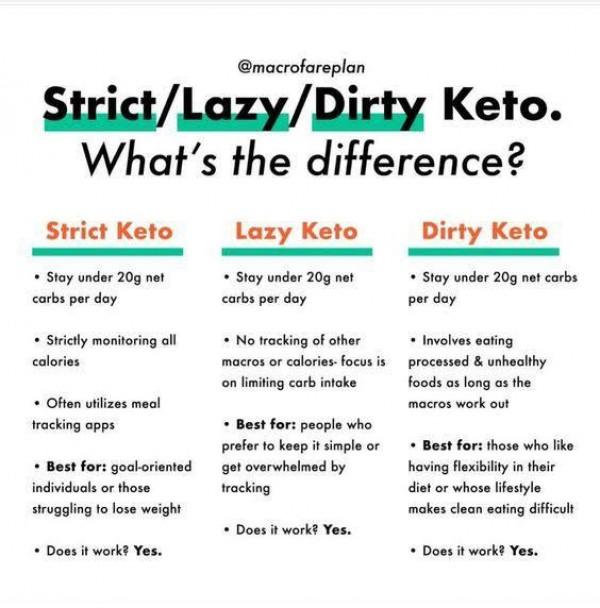
Strict keto
The first one is the strict keto diet which is the traditional approach to getting your body into ketosis.
Ketosis is when your body burns stored fat for energy instead of blood sugar.
Strict keto involves lots of macronutrient tracking, staying below a set number of carbs each day (20 to 30grams), and is usually the keto diet that most people start out with.
On the strict keto diet, you may be restricting your carbohydrate intake anywhere from 15 to 30 grams per day.
You will be eliminating foods like grains, sugar, most fruits, and starchy vegetables. Instead, you will be consuming nutritious food like meat, dark leafy green vegetables, cruciferous vegetables like broccoli and cauliflower, full-fat dairy products like butter, ghee, full-fat unsweetened yogurt, and heavy cream.
Other healthy fats like coconut oil, nuts seeds, and avocados are also allowed.
When first trying out this diet, you will likely be doing quite a bit of macronutrient tracking until you get to a point where your body is in a state of ketosis, and you have found what works best for you.
You will be eating roughly 70 percent of your calories from fat, 25 percent of your calories from protein, and only five percent from carbohydrates.
Lazy keto
The lazy keto diet is a more laid back approach. It isn't as strict in terms of tracking which is why it may not be best for those who are starting. Without properly tracking your macronutrient intake, it may be hard to get your body into a state of ketosis.
Take note that this version of the keto diet is likely not best for beginners until you have a thorough understanding of how your body reacts to certain foods. You also need to understand what foods are high in carbs and will throw you out of ketosis as well as which foods are high in fat and should be added liberally to your diet.
The lazy keto diet is more of a long-term approach for someone who wants a little more flexibility but still wants the benefits of eating low-carb.
Dirty keto
The dirty keto diet is another version of the ketogenic diet that involves eating some foods that may not necessarily be considered “healthy” as long as you stick to the proper macronutrient breakdown of the strict keto diet.
As long as you are getting your 70 percent of calories from fat, 25 percent from protein, and five percent from carbs, it doesn't matter where those macronutrients come from. This version of the diet is pretty much giving you permission to eat junk food so long as it is low in carbs.
There is one big problem with the dirty keto diet, though. While things like burgers, bacon, and other fried foods are ok once in a while, long-term and frequent consumption of these foods can lead to inflammation.
Many people may also feel negative health issues after eating these foods for a while which can make this diet not sustainable. You will also miss out on important vitamins and minerals you would get from a standard keto diet where you would be eating dark leafy greens and healthy fats.
Even if you lose weight on the dirty keto diet by simply restricting your carbohydrate intake, you most likely won't experience some of the other benefits the strict keto diet has to offer like improved health, better sleep, and a reduction in cravings for sugar.
While this diet may be convenient, it is not something you would want to follow long term as it definitely comes with some health risks.
Which keto diet should you try?
If you are wondering what version you should try. It's recommended that you start with the traditional strict keto diet until you are completely comfortable with this new way of eating and how your body will respond.
In time, you will know what foods are keto-friendly, what foods make you feel the best, and which to stay away from. At that point, you may decide to try a “lazier” approach and skip some of the macronutrient calculations.
Avoid overconsumption of fried and processed foods. The most important thing is to focus on getting nutrient-dense low-carbohydrate foods into your diet that are going to fuel your body best.
For more lifestyle content, head out to GMA's Lifestyle page.
RELATED CONTENT:
Shawarma Bake, the new quarantine food must-try!
Pinas Sarap ECQusina recipe: Roasted Kamote and Kamote juice ala Maey Bautista
