Level up your campsite cooking skills with these mountaineer-tested recipes
Around GMA
Around GMA
Suansing urges Senate to resume bicam on 2026 budget as soon as possible PBBM vows completion of San Juanico Bridge rehab by 2026Article Inside Page
Showbiz News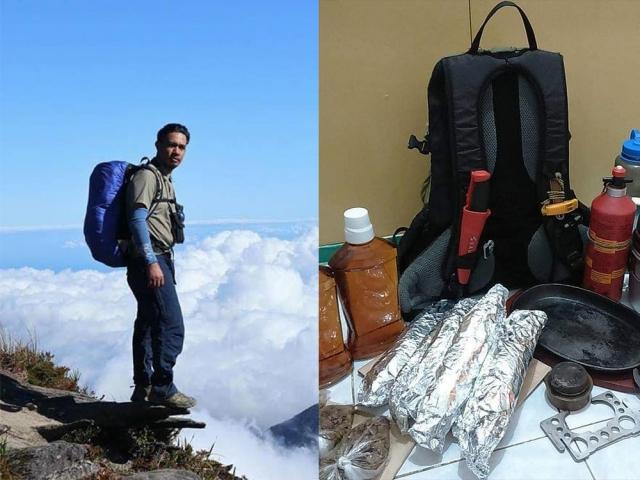
Whether camping at the beach or up in the mountains, most people find preparing their food a bit challenging. After all, cooking in the outdoors is not exactly as easy as in the comforts of your own kitchen.
Whether camping at the beach or up in the mountains, most people find preparing their food a bit challenging. After all, cooking in the outdoors is not exactly as easy as in the comforts of your own kitchen. But some frequent campers still prefer cooked food over anything instant or from a can.
"Instant food alters the real taste and depletes the nutritional value of good food, though these are more convenient to carry and prepare," says Tootz Maravilla, who has conquered the five most difficult mountains in the country since he started mountaineering in 2012.
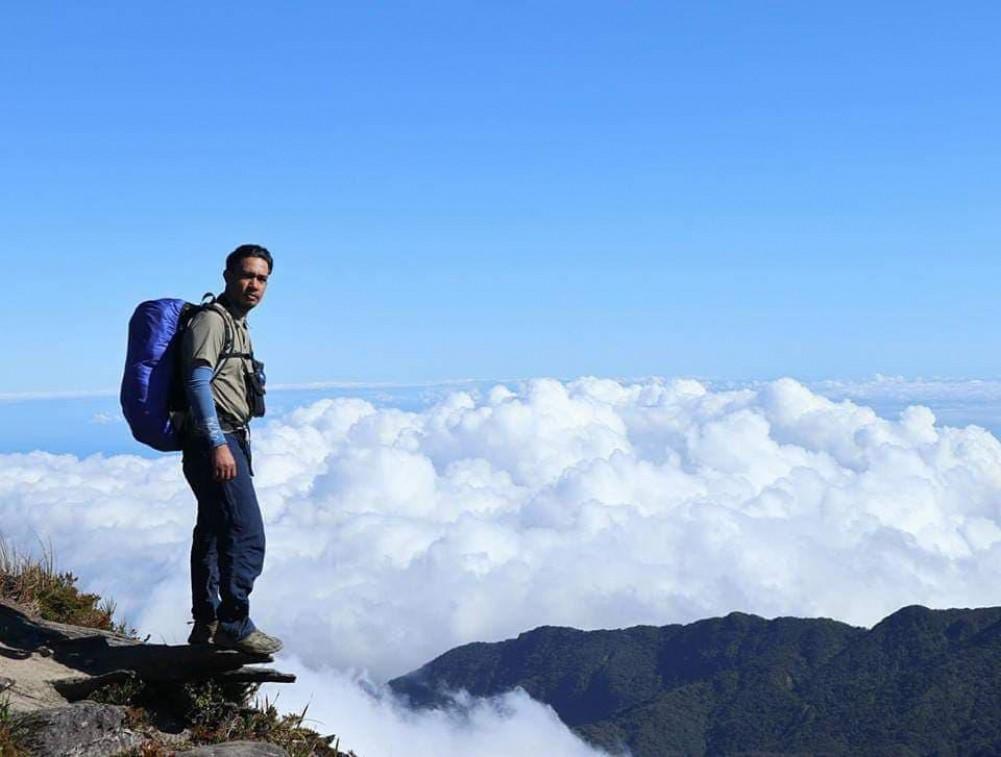
"I am a fan of cooked food because more than satisfying our growling stomach, I love the feeling of bonding with friends over delicious hot meals after hours of trekking."
For mountaineer and hike organizer Elvis Pimentel, his love for outdoor cooking pushed him to improve his skills for the past 15 years.
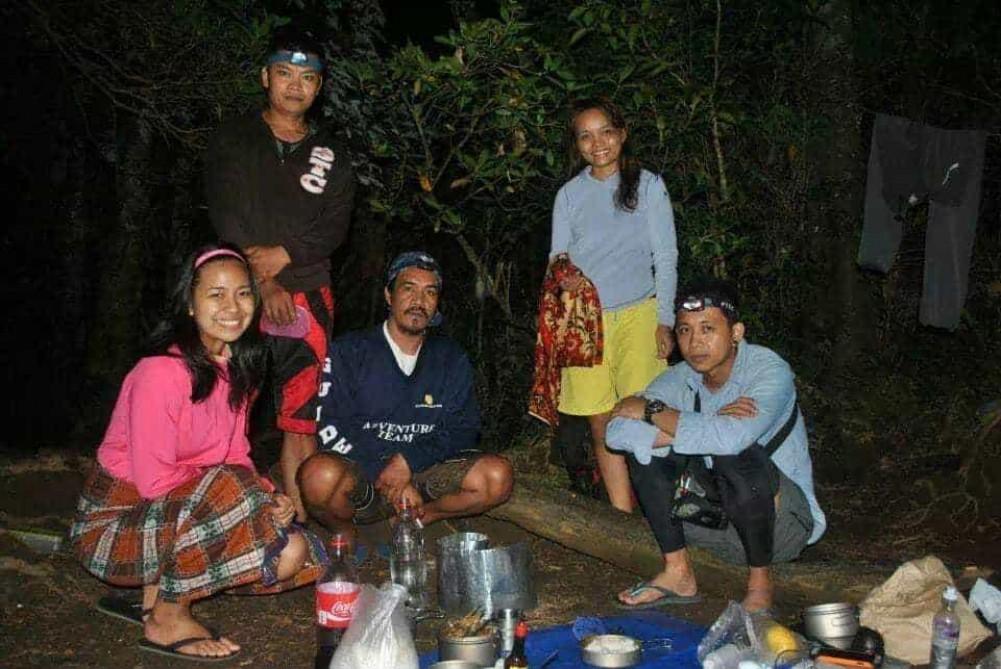
"Climbing is a strenuous activity and consumes more energy than walking. Food is our fuel to replenish our energy. It is also our comfort and reward to ourselves after a tiring day. Who would choose cup noodles or canned goods over a hot sinampalukang manok or beef kaldereta after a tiring trek?"
How to decide on what to cook
"Meals are planned ahead depending on my preferences or a request from our participants. But sometimes it depends on the availability of water in the area. If there is no water source near the campsite and you don't have enough spare water for cooking, of course it is not wise to cook sinigang or nilaga," tells Elvis.
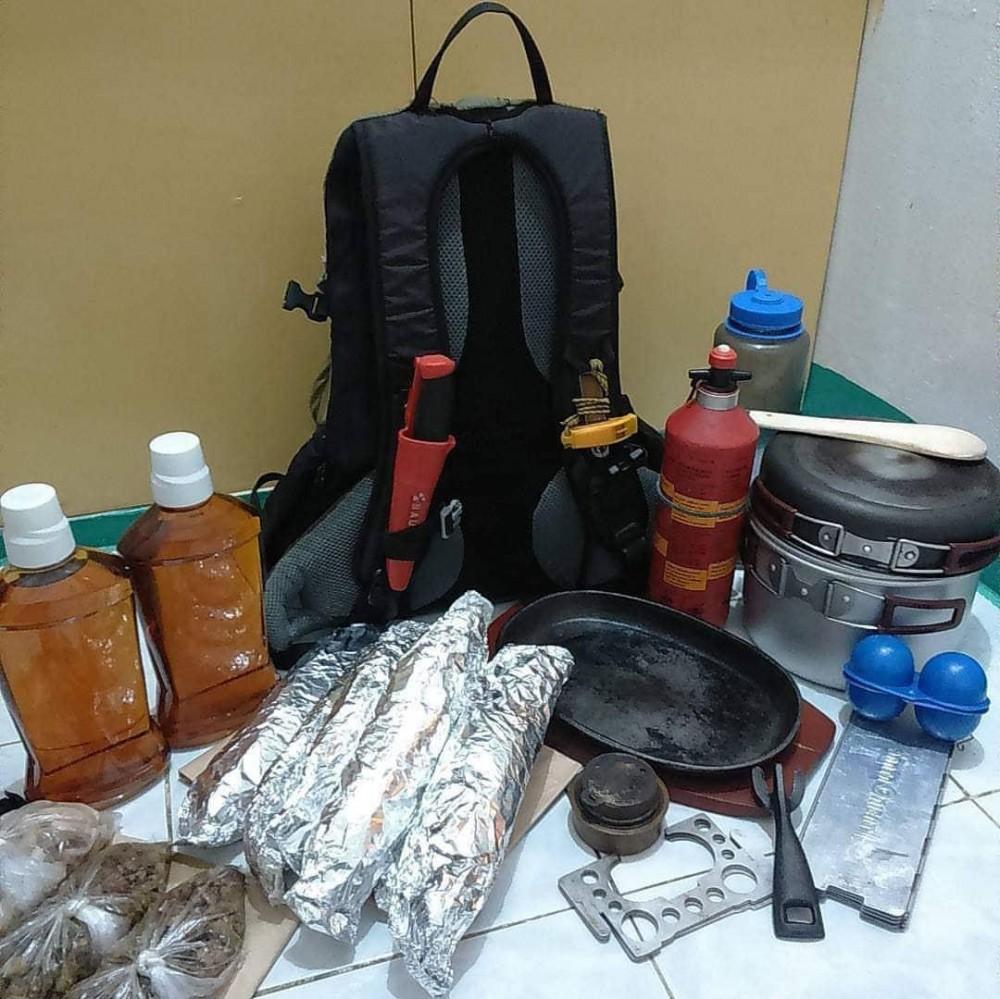
"I choose dishes with ingredients that can last for several days without spoilage. They should also be easy to prepare and have some ingredients that can be pre-cooked before the climb.
"We do visit local public markets, then we do the precooking a day before the major climb or assault. Sometimes, we buy cooked dishes like fried pork chop, liempo, or roasted chicken and use them as main ingredients for lechon paksiw, bicol express, or other new dishes," reveals Tootz.
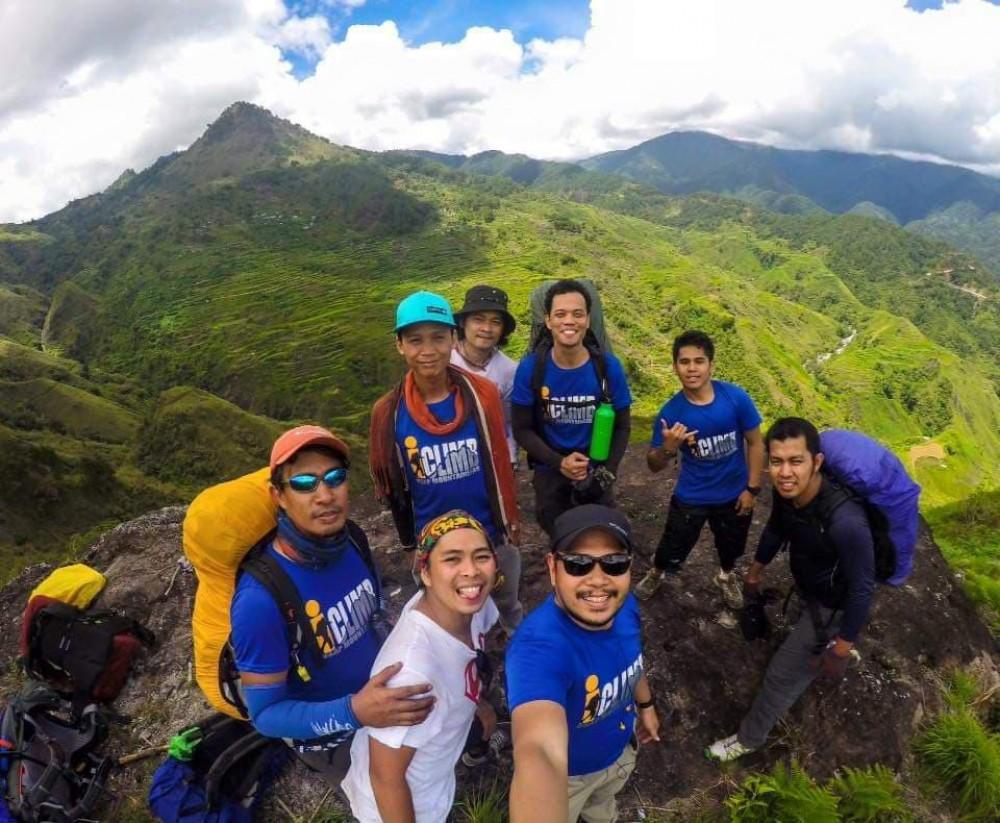
Precooking the meat
Precooking is the secret to most dishes that are prepared in the camp. "Precooking at home is the easiest way to prolong the life span of the meat and also for you not to consume a lot of time tenderizing and cooking it," says Elvis.
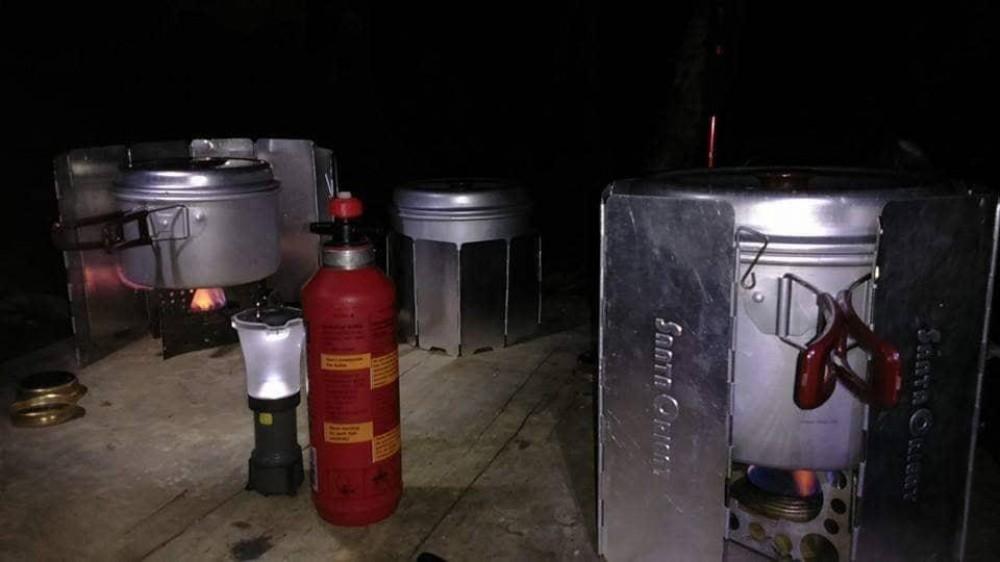
How do you precook meat? Elvis shares his recipe:
1. Wash the meat
2. Put in the pot and add some salt, vinegar, and water.
3. Bring to a boil, 40 minutes for pork and 20 minutes for chicken.
4. Once the meat is almost cooked, drain it and remove any moisture with paper towels if necessary.
5. Put it in ziplock bags before packing in your backpack or you can put it in the freezer if you are leaving in the next day.
For vegetable ingredients, he advises having them ready to cook before packing. "Like for sinigang, I remove the kangkong leaves from its stem to minimize the load of my bag as well as my trash. I cover the veggies with wet newspaper before putting them in a container to provide moisture."
Tried and tested recipes
With these tips, you are all set to cook some of these mountaineer-tested recipes:
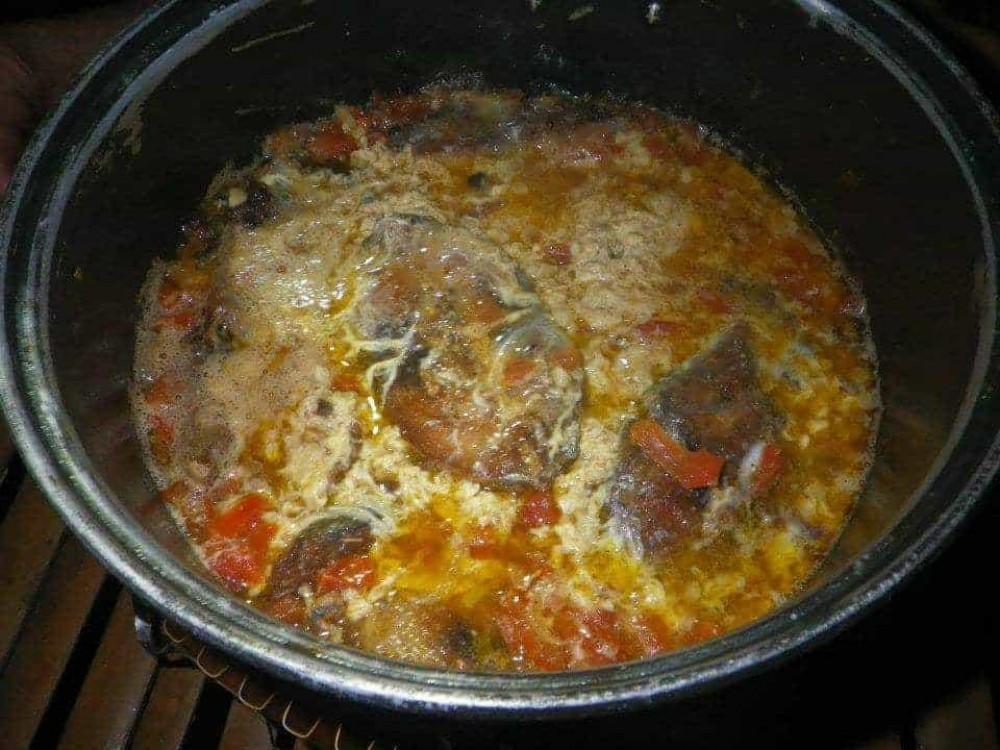
Elvis' Fish Sarciado
1. Saute tomatoes, garlic and onions
2. Add water and bring to a boil for 5 minutes
4. Add the fried fish steak from home and let it simmer for another 5 to 8 minutes
6. Season with salt and pepper
7. Pour the beaten eggs until it curdles
8. Serve hot, share and enjoy
Elvis' Bicol Express
1. Saute ginger, garlic, onions and a small amount of Thai chilies then add the precooked pork.
2. Let it simmer for 5 minutes to extract the flavors.
3. Dissolve the coconut milk mix in water, add to the pork, and let it simmer for 10 minutes.
5. Add the chopped green finger chilies.
5. Season with fish sauce or salt and pepper to taste.
6. Add the string beans and let it cook for 3 minutes without overcooking the vegetable.
7. Serve hot, share and enjoy.
Tootz's Lechon Paksiw
"I usually fry the pork with salt at home or just buy some Lechon kawali before the climb. This fried pork can last for several days," says Tootz.
1. Saute onion and garlic
2. Add the pork, lechon sauce, laurel leaves, vinegar, water, salt and sugar depending on your taste.
3. Simmer for 2 to 5 minutes.
4. Serve. You can also use leftover roasted chicken instead of pork.
Tootz's Adobo sa Asin
"I usually cook this dish at home and it can last for a week. Out of this adobo, you can make other dishes such as lechon pasiw, pork binagoongan, bicol express, sinigang, or sisig, Just bring the necessary ingredients/vegetables for each dish you want to prepare out of your adobo sa asin," Tootz explains.
1. In a pot, combine pork, garlic, black pepper, salt, and water. Let it boil on medium to high heat.
2. When it starts boiling, lower the heat to medium-low and simmer it until the pork is dry and starts to produce its own oil.
3. Stir once in a while until it becomes golden brown.
4. Remove it from heat or toast it a little bit more.
5. Once cool, put it in a tight spill-proof container including the oil. You can use the oil for frying/sauteing other dishes.
