
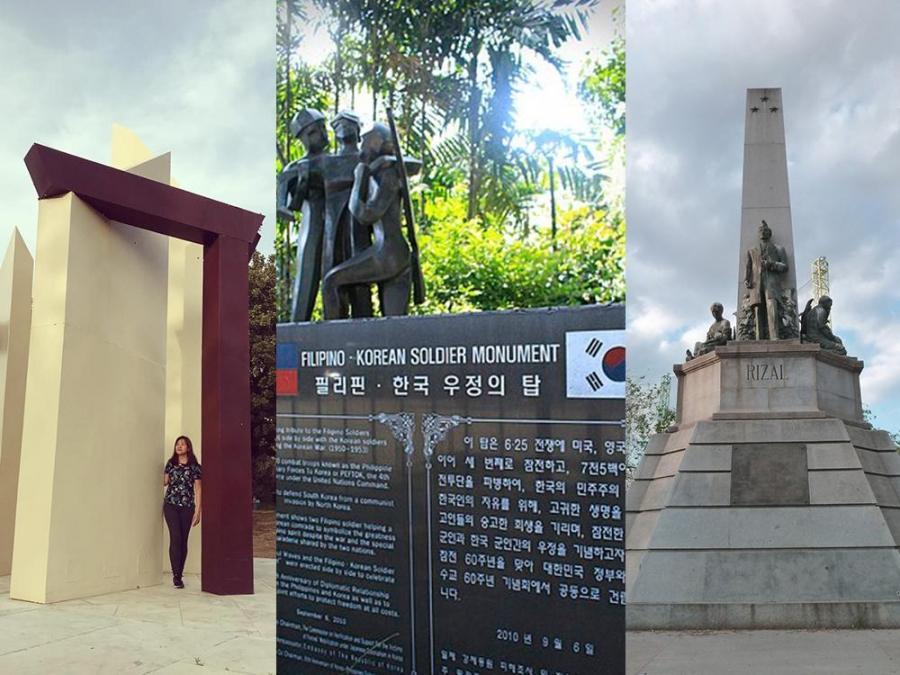
Philippine landmarks located around the world
Around GMA
Around GMA
Following Heeseung’s departure, Enhypen writes appreciation message for fans Mega fuel price hike hits Pangasinan drivers, farmers Atom Araullo on doing documentaries: "It's a collaboration"Article Inside Page
Showbiz News
These monuments acknowledge the role of the Philippines' in shaping world history.
Traveling abroad gives us a chance to learn about the culture of our countries.
And while Philippine history is the least of our concern when we're on foreign soil, it might surprise us to come across bits or reminders of our far-reaching influence.
Interestingly, some foreign destinations have expressed their love for the Philippines through monuments and landmarks that have become spots of interest.
So if ever you find yourself in these countries in the future, you might want to stop by these places to remind you of a piece of home and Pinoy history.
Open Doors Monument
Source: Paperoxcissors (Instagram)
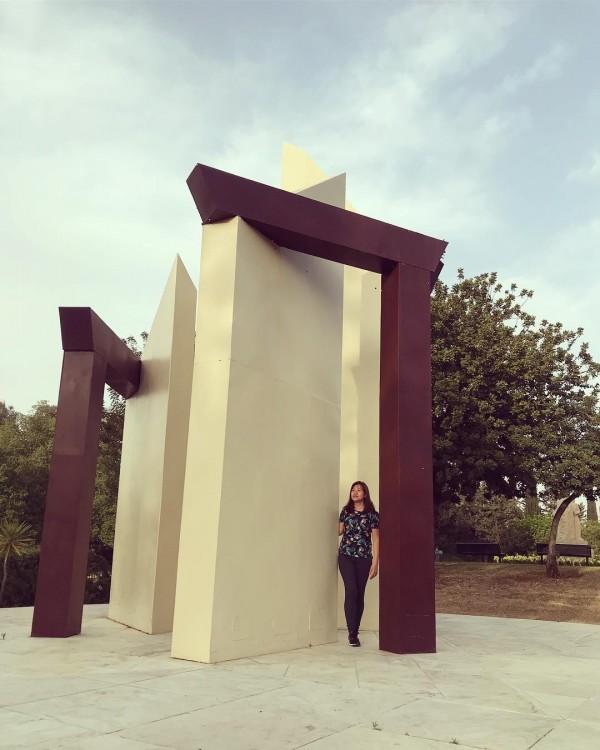
Located in Tel Aviv, Israel, the Open Doors Monument is a tribute to the Philippines' kindness to the Jews during the bloody World War II. President Manuel L. Quezon opened the Philippines to Jewish refugees fleeing the Holocaust. Quezon's policy saved close to 1,300 Jews.
The Open Doors Monument was opened to the public in 2009 at the Holocaust Memorial Park in Rishon Lezion, Israel, in recognition of the humanitarian efforts displayed by the Philippines to the Jewish community.
Jose Rizal monuments
Source: Wikimedia Commons
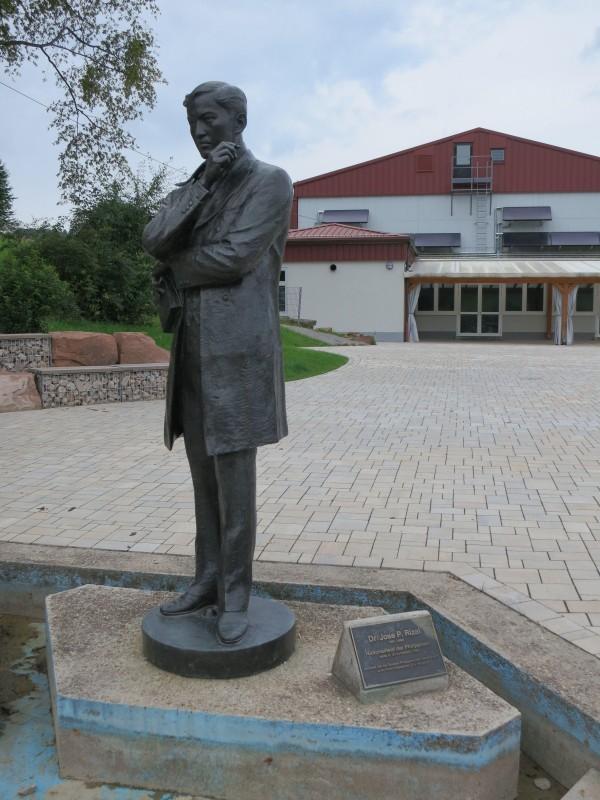
Our national hero is not just admired here at home, but he is also revered overseas. There are plenty of landmarks located in other countries dedicated to Jose Rizal. These monuments are in Madrid, Spain, Hibiya Park in Japan, Hong Kong (where Rizal first planned in establishing La Liga Filipina), Wilhelmsfeld in Germany, London in the UK, Chicago in America, and Paris in France. Most of these locations were visited by Rizal himself during his brief but heroic life.
Apolinario Mabini monument
Source: Wikimedia Commons
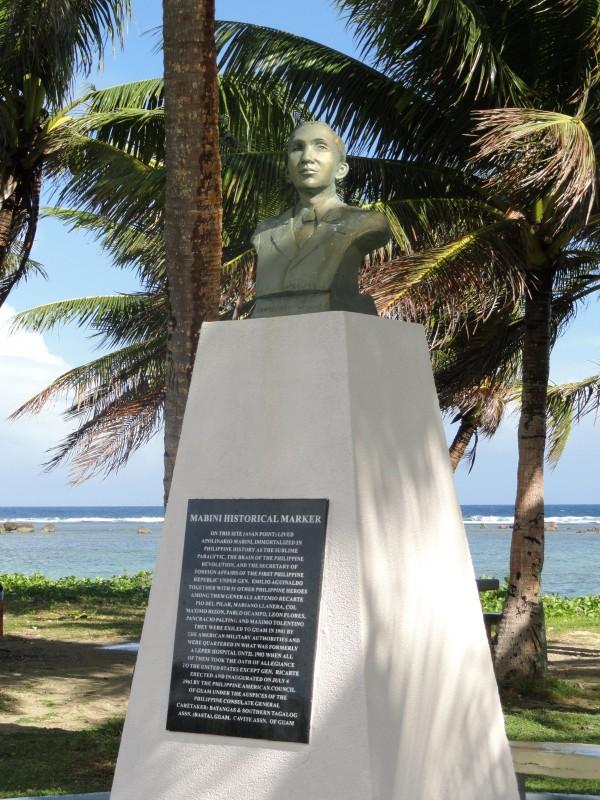
The small island of Guam used to house a prison camp where Filipinos who opposed the American occupation were incarcerated. One of those prisoners was Apolinario Mabini, or the man touted as “the brain of the revolution.”
Today, America and the Philippines enjoy friendly relations. Found also in Guam is a monument of Mabini erected on Asan Beach, which is the former location of the prison facility.
Filipino-Korean Soldier Monument
Source: Wikimedia Commons
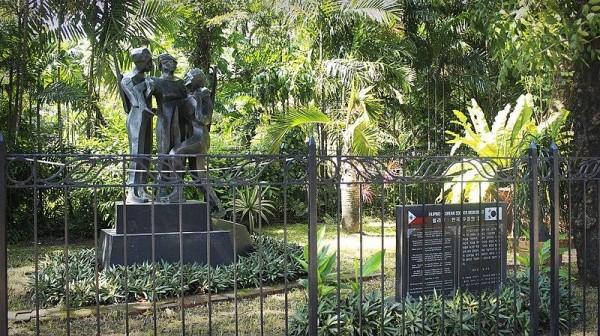
South Korea salute brave and fallen Filipino soldiers with a monument paying tribute to their courage. The shrine was erected to honor Filipino troops who fought alongside Korean soldiers to defend Korea's borders against the Chinese.
Paduka Batara mausoleum
Source: Schadow1 Expeditions
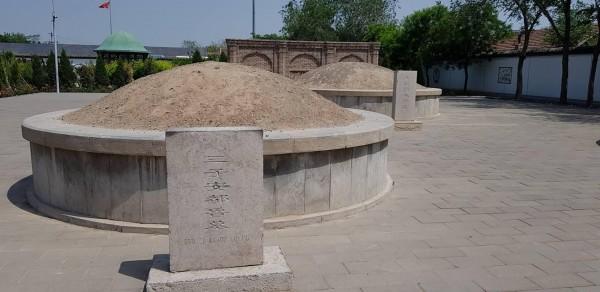
Located at the Dencheng district in Dezhou, China is the mausoleum of ancient Sulu king Paduka Batara. The Filipino ruler traveled to China in 1417 and met with the Chinese emperor. The visit went very well, with Batara and his entourage receiving the royal treatment. Unfortunately, Batara fell ill while in the middle of the visit and died. The emperor grieved the death of Batara and arranged a formal funeral for him. A tomb was prepared to serve as the final resting place of the Sulu king.
Jose P. Laurel bust statue
Source: Starmometer
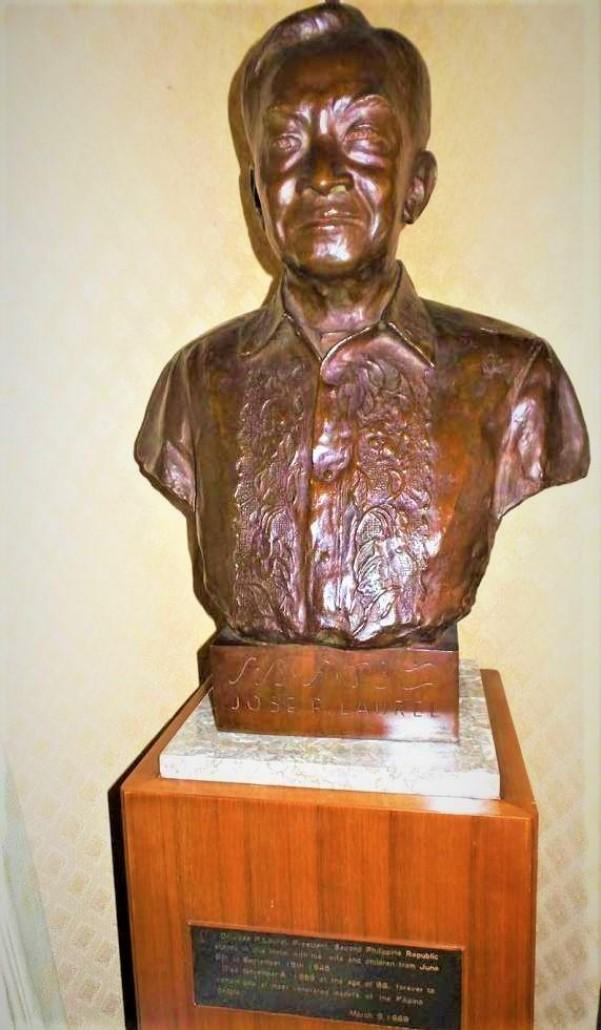
The Nara Hotel in Nara, Japan has a bust statue of former Philippine President Jose P. Laurel inside its premises. Laurel was appointed by the Japanese officials to head the Philippines during the Japanese occupation. He was the country's president from October 14, 1943, until August 17, 1945.
