
Pinoy MD: Understanding gallstones, its symptoms, and more
Around GMA
Around GMA
ICI calls for probe on Cabral’s death CNU grads top licensure exams for teachers Maluhong ina, TINITIPID ang anak at asawang may sakit! | Barangay Love StoriesArticle Inside Page
Showbiz News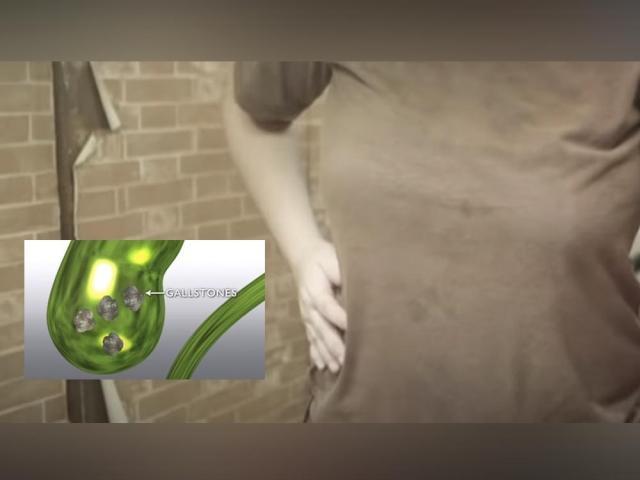
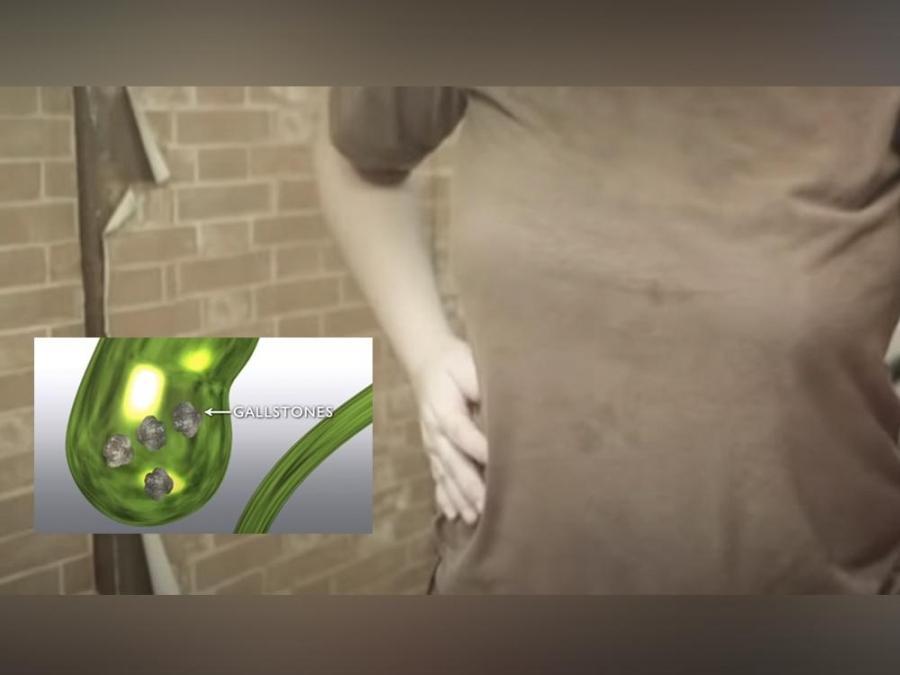
Know how you can reduce your risk of gallstones from gastroenterologist Dr. Edhel Tripon in this video from 'Pinoy MD.'
Located just below your liver and the upper right of your abdomen is a small organ called the gallbladder that helps store bile, the green-yellow liquid that helps with digestion.
When there's too much cholesterol in your body, most especially in your bile, gallstones are formed.
In an episode of Pinoy MD, gastroenterologist Dr. Edhel Tripon clarifies that despite 80% of gallstones are made of cholesterol, what causes it remains unknown.
This includes too much calcium salts and even bilirubin, a yellow substance found in the blood.
“Multiple factors or iba't ibang dahilan ang pagkakaroon ng pagtigas ng fluid,” she said.
“Imbis na liquid siya na dadaloy sa bituka 'pag tayo ay kumakain, ang nangyayari ay tumitigas ito. So para siyang liquid na nanuyo sa loob ng apdo.”
Watch this simple explanation of how gallstones are formed:
Once gallstones have formed in the gallbladder, it can lead to pain in the upper right abdomen and can be felt from time to time whenever one eats high-fat foods.
Other common symptoms include nausea, vomiting, stomach pain, burping, diarrhea, and indigestion.
However, did you know that most patients who are treated for gallstones don't experience pain?
"Asymptomatic gallstones” or “silent gallstones” are often discovered during a medical check-up such as abdominal CT scan, blood tests, or ultrasound.
Dr. Tripon explained, “Majority of the patients have no symptoms.
“Meaning, incidentally na-ultrasound sila na meron silang bato sa apdo pero wala silang nararamdaman at all -- that's what you call asymptomatic gallstones. Ibig sabihin meron kang bato sa apdo pero wala kang nararamdaman.”
She added, “'Pag palagi siyang nakaka-cause ng irritation sa apdo, maaaring mamaga ito.
“Kung 'yung gallstone naman ay lumabas sa apdo at bumara sa bile duct, 'yun 'yung tinawag na choledocholithiasis.”
Gallstones can be treated in various ways, including surgery or laparoscopic gallbladder removal and non-surgical treatments, including shock wave lithotripsy, which breaks down gallstones into smaller pieces.
To reduce your risk of gallstones, it's essential to focus on your diet and exercise.
This includes reducing your intake of fats and choosing foods that are rich in fiber to make your bowel movements more solid.
You must also avoid foods and drinks known to cause diarrhea, including caffeinated drinks, high-fat dairy products, and sweet foods.
For those who plan to shed off weight, do it slowly and aim to lose no more than two pounds a week because rapid weight loss may increase your risk of gallstones and other health problems.
Watch this video to know more about gallstones:
Patients who recover from gallstone surgery rarely experience the recurrence of stones in their system.
However, it is essential to remember to make the necessary lifestyle changes to prevent them from getting bigger and causing further problems.
For more stories on health and how to keep yourself in tip-top shape, follow GMA Network's Lifestyle Page!
