
'Pop Talk' approved spots and activities in Batanes
Around GMA
Around GMA
Cathay Pacific suspends Dubai, Riyadh flights until April 30 over Middle East war 2 men in ‘dead drop’ drug scheme nabbed in CDO Roofing materials at food packs, hatid ng GMAKF sa mga binagyo sa Brgy. Pagsangahan | 24 OrasArticle Inside Page
Showbiz News
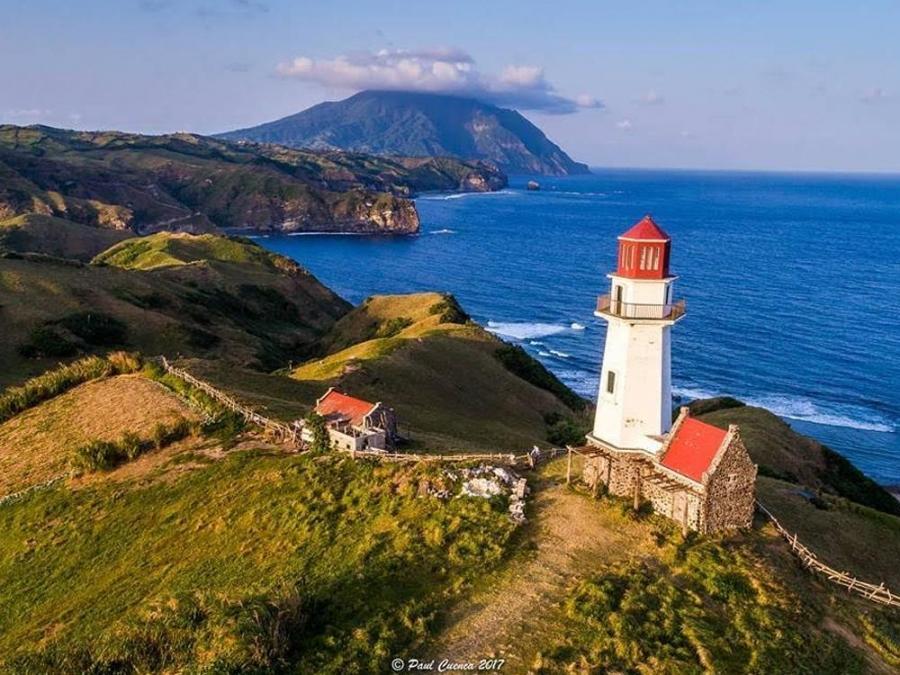
Here's a list of Pop Talk-approved spots and activities in Batanes according to host Tonipet Gaba.
Situated in the northern part of the Philippines is the archipelagic province of Batanes which boasts of rolling hills, picturesque sceneries, and cultural heritage that give tourists a refreshingly peaceful vibe.
In fact, the entire province is listed in the United Nations Educational, Scientific, and Cultural Organization (UNESCO) tentative list for inscription in the World Heritage List because of its seven intangible heritage elements set by the Ivatan tribe since time immemorial.
Because of its scenic spots and untamed culture, Batanes remains to be part of any Filipino's bucket list to visit (once the pandemic is over).
Here we list down a few Pop Talk-approved spots and activities according to host Tonipet Gaba.
Honesty Coffee Shop
Probably one of the first of its kind, Honesty Coffee Shop is known not for the things it sells but how they sell it --- through an honesty system. There are no servers and each customer is expected to abide by the golden rule of: “Honesty is the best policy.”
The cafe was opened by retirees Jos and Elena Gabilo in 1995 and has since then continued to thrive until today.
San Jose de Ivana Church
Located near the Honesty Coffee shop is the San Jose de Ivana Church which dates back as early as 1775. The church is dedicated to Saint Joseph and was declared a National Historical Landmark by the National Historical Commission of the Philippines in 2008.
According to history, the church was used by Filipino revolutionaries in 1898 and was also partially destroyed due to an earthquake in 2000.
Sabtang Church
Located near Sabtang Port in Batanes is the Sabtang Church, also known as the San Vicente Ferrer Church, which was built in 1785 by the Dominicans. Like the San Jose de Ivana Church, it was declared a National Historical Landmark in the same year.
Ivatan stone houses
The best-preserved stone houses in Batanes can be found in the villages of Chavayan, Savidug, and Sinakan on Sabtang Island. According to residents, these stone houses have proudly stood for more than a hundred years and will continue to live on if preserved well.
At Sabtang Island, the streets are well composed of centuries-old houses where you can take lots of photos and marvel at how people were able to preserve these structures for years.
Vakul weaving
Get your hands working with the Ivatan women by practicing weaving a Vakul or their traditional headgear. According to the tribe, each Vakul is made from shredded leaves of a Philippine date palm or “vuyavuy” and is designed to protect the wearer from the sun and rain. Based on tradition, women are the only ones allowed to weave the said headgear and are passed on from generation to generation.
Want more Pop Talk approved spots in Batanes? Check out these videos here:
'Pop Talk:' Michelin-starred restaurants in Manila
'Pop Talk:' Three must-visit vacation houses in Tagaytay
