
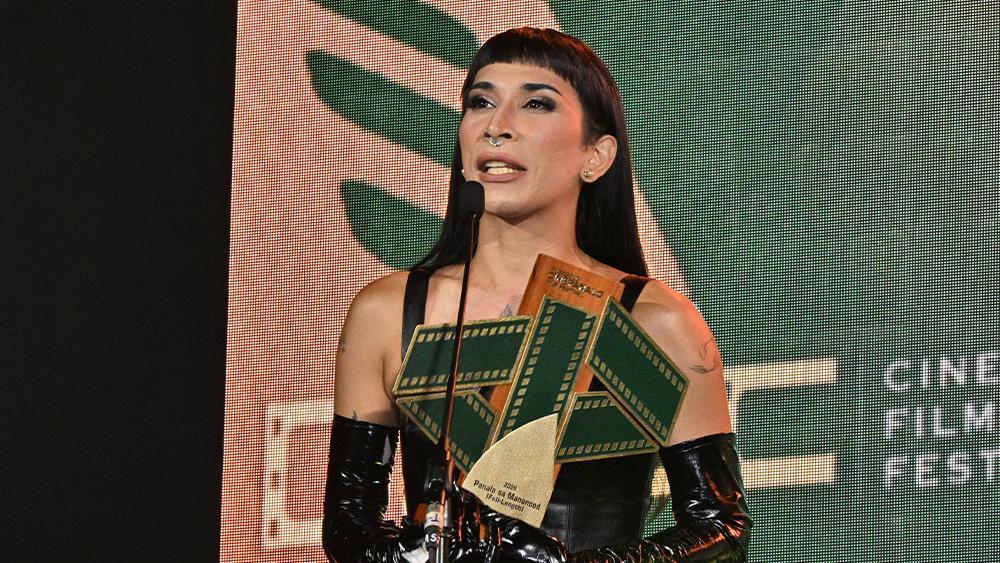
'Queer stories don't have to be tragic': Rodina Singh on the heart of 'Multwoh'
Around GMA
Around GMA
Mercury joins venus retrograde: Chaos is in the air Atong Sayran ang Dagan sa Panahon Karong Adlawa October 23, 2026 | Balitang Bisdak The Filipino Story: An Animated Journey Through Filipino Heritage Premiering October 24 on GMA Pinoy TVArticle Inside Page
Showbiz News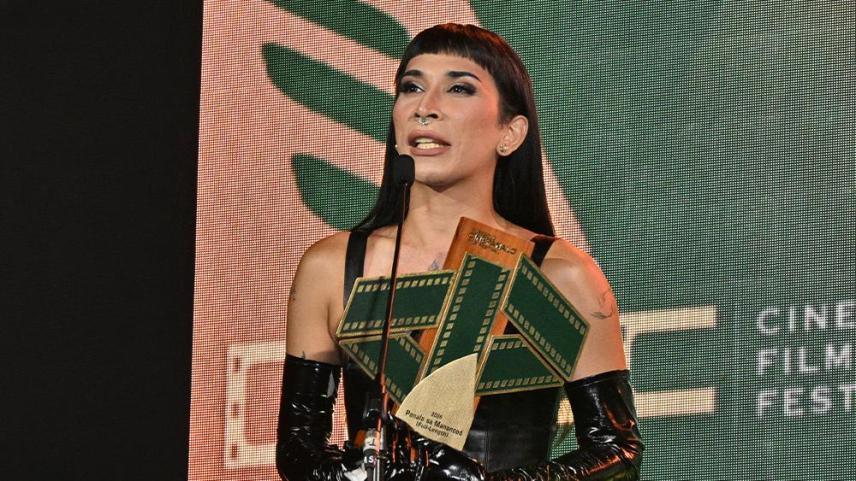
Filmmaker Rodina Singh's Multwoh (Patay na Patay Sa'yo) is bringing its mix of queer love, comedy, and horror to more Filipino audiences.
An older gay man once recognized filmmaker Rodina Singh on an escalator and chased after her to tell her that he had traveled all the way from the province to watch Multwoh (Patay na Patay Sa'yo). He enjoyed the film so much that he wanted to encourage her to keep making stories like it.
The encounter, which happened during this year's CinePanalo Film Festival, stayed with Singh long after the screening. For her, it captured what cinema can accomplish when a story reaches someone in an unexpected and deeply personal way.
“During our screenings, some of the most meaningful responses I received weren't written reviews. They were conversations with people after the screenings,” she said.
Following multiple sold-out screenings at the festival, Multwoh, which won the “Panalo sa Manonood” award, is now showing at 14 Ayala Cinemas nationwide. The expanded release marks a significant milestone for Singh, bringing her third feature—a combination of romance, comedy, horror, and queer storytelling—to a wider Filipino audience.
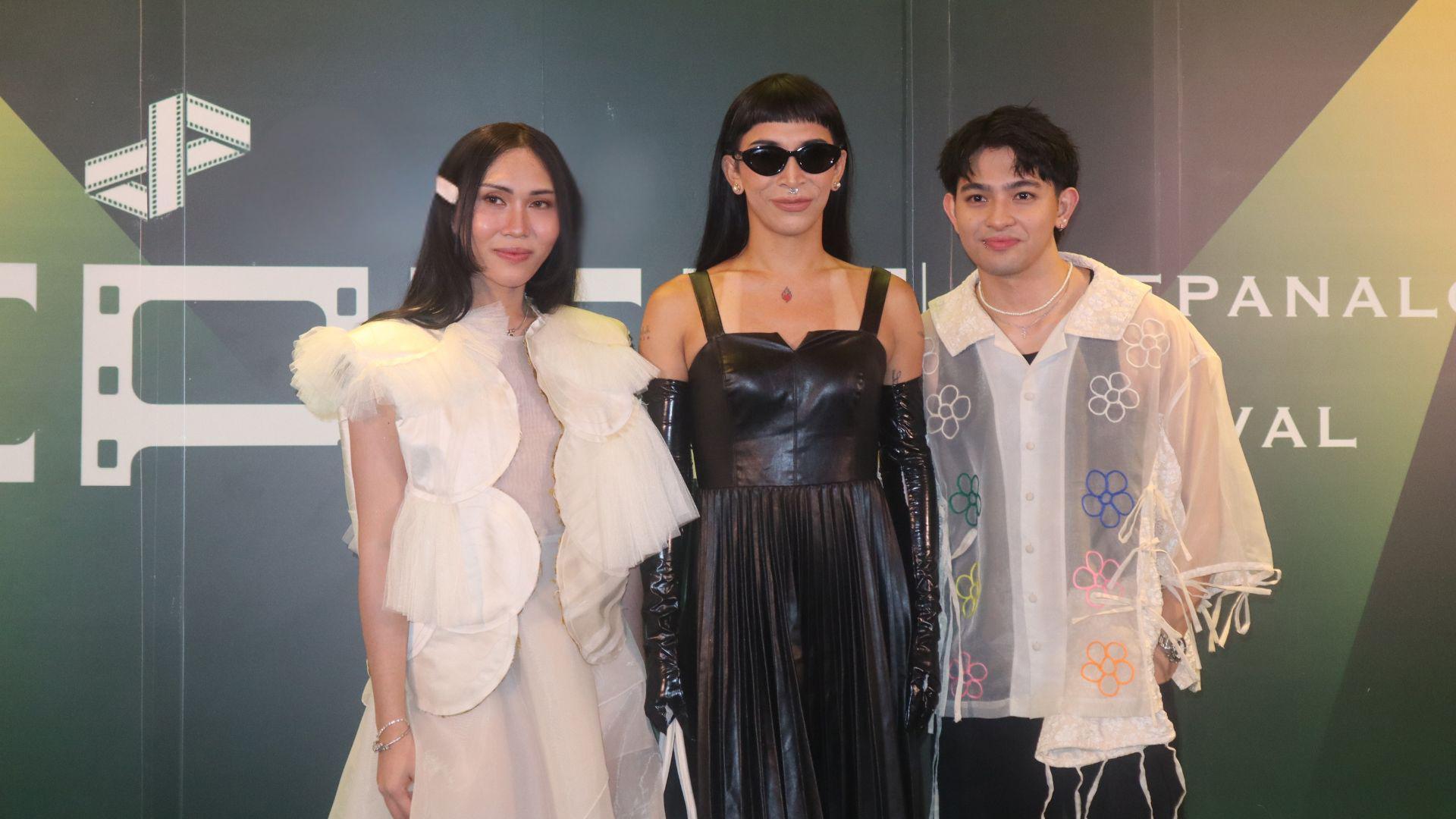 Rodina Singh (middle) with Multwoh actors Sassa Gurl (left) and Joao Constancia.
A ghost story with a purpose
At first glance, Multwoh is an outrageous romantic comedy about Marcel (Sassa Gurl), a queer ghost who refuses to move on without confessing her feelings to her best friend, Miguel (Joao Constancia). Beneath its supernatural premise, however, lies Singh's interest in how queer people are perceived and the kinds of narratives they are allowed to tell.
“I've always been interested in how queer lives are remembered, especially when so many of our stories have historically been defined by tragedy, violence, or the circumstances of our deaths,” she said.
While Singh recognizes the value of serious, painful, or heavy films, she believes these should not be the only representations available to audiences.
“Queer stories don't have to be tragic to be taken seriously. And they don't have to be serious to matter,” Singh said.
With Multwoh, she wanted to create something funny, romantic, and unapologetically entertaining without sacrificing the emotional and political truths beneath the comedy. For Singh, this mix allows characters to experience life's absurdities alongside love, grief, and joy.
“Because queer people are funny. We're ridiculous. We fall in love, we make terrible decisions, we laugh at the most inappropriate moments, and we find ways to celebrate life even when the world gives us very little reason to,” she said. “And those experiences deserve to be on screen, too.”
For Singh, the question is not simply how queer people die in the stories told about them, but how they live, whom they love, and what they leave behind.
“Ultimately, Multwoh isn't really a story about death,” she said. “It's a story about the lives we leave behind, the love that remains, and the people who continue to remember us.”
The audience as her “North Star”
Having read reactions to the film across various platforms, Singh appreciates how audiences bring their own expectations and interpretations to the viewing experience.
“I think there's a difference between disagreeing with a filmmaker's choices and dismissing the film altogether,” she said, adding that she is grateful for the conversations the film has generated, including among viewers who did not enjoy every aspect of it.
For Singh, it is important to consider how a film can touch people's hearts.
“[The] audience has always been my North Star,” she said, referring to moviegoers “who simply walk into a cinema, watch a story, and come out feeling something.”
Coming after her feature Dreamboi, Multwoh gave Singh an opportunity to expand her audience by reaching moviegoers who might not ordinarily seek out independent queer cinema but would be drawn to a funny, romantic ghost story.
She sees fantasy as particularly valuable for queer storytelling because it allows filmmakers to imagine possibilities that may not exist in everyday life.
“For queer people, I think that's particularly powerful. We spend so much of our lives navigating realities that don't always make room for us,” she said. “And through cinema, we can imagine worlds where we are loved differently, where our desires are possible, where we get to experience happiness, romance, and even the most ridiculous adventures without constantly having to justify our existence.”
This freedom to imagine, alongside the audience's emotional response, informs how Singh evaluates her work. While critical analysis has its place, she also values the quieter exchanges that happen when viewers recognize something of themselves in a story.
“A film can be imperfect in someone's eyes and still mean the world to someone else,” she said.
The people who made the film possible
The nationwide release is also a personal milestone for Singh, who described feeling overwhelmed by the prospect of seeing her third feature reach more cinemas than any of her previous films.
“For an independent queer filmmaker like myself, that means so much more than just having a film shown in more cinemas,” she said.
She credits the film festival for believing in the project and giving the team the opportunity to bring the story to life. She is equally thankful to the cast, crew, producers, and friends who contributed their time, equipment, resources, and creativity despite the limitations of independent filmmaking.
Her appreciation extends beyond the production itself. For Singh, the festival audience's response helped demonstrate that there is a market for unconventional Filipino stories and that moviegoers are willing to support films that reflect a wider range of experiences.
“Our audiences brought us here,” she said.
The audience's overwhelming support gave the film a chance to reach people who might not otherwise have had access to it, while opening up possibilities for other independent queer filmmakers.
Paving the way for more queer stories
Singh hopes the success of Multwoh will contribute to an industry where queer filmmakers no longer have to fight so hard to get their stories made. She acknowledges that talent and determination alone cannot overcome unequal access to resources and opportunities, but believes that every filmmaker who succeeds can help make the path easier for those who follow.
Her advice to aspiring queer storytellers is direct: “Don't just ask for permission. Demand entry.”
For Singh, that also means looking beyond individual achievements and creating opportunities for others.
“Because my dream has never been limited to making my own films,” she said. “I don't just want to tell queer stories. I want to help build an industry where more queer people get to tell theirs.”
She hopes to continue making films that are funny, strange, romantic, outrageous, tender, and sometimes uncomfortable, allowing queer characters to exist beyond the limitations of traditional portrayals.
As Multwoh reaches more cinemas nationwide, its journey reflects both a filmmaker's determination to tell the stories she believes in and the possibilities that emerge when audiences embrace them.
“And if audiences continue to show up for the worlds I create,” Singh said, “I hope I can continue giving them stories worth showing up for.”
Audiences may catch Multwoh (Patay na Patay Sa'yo) at the following Ayala Cinemas branches: Glorietta, TriNoma, Market! Market!, Fairview Terraces, Ayala Malls Manila Bay, Ayala Malls Circuit, Ayala Malls Feliz, Ayala Malls Cloverleaf, Ayala Malls Marquee, Ayala Malls Harbor Point, Ayala Malls Center Cebu, Ayala Malls Centrio, Ayala Malls Capitol Central, and Ayala Malls Vermosa.
Tickets are priced at ₱250 each and are available online at Ayala All Access.