

Slater Young's 5 things to do after your house gets flooded
Around GMA
Around GMA
LIVE - Simbang Gabi (December 15, 2025) | GMA Integrated News Teen stabbed multiple times in Dueñas, Iloilo Heart Evangelista is cool and chic in baggy pantsArticle Inside Page
Showbiz News
Slater Young shares essential tips you can do to reduce the amount of damage after your house gets flooded.
One of the most damaging things a homeowner can experience is a flood. In the Philippines, the chances of your house getting flooded is much higher because many parts of the country are flood prone areas, caused by storms and torrential rains.
That is why every Filipino homeowner should know what to do if a flood gets inside one's home. More importantly, how to tackle the situation right after the devastation.
To make it easier for everyone, we've compiled a list of tips from actor-turned-businessman Slater Young, who also happens to be a very knowledgable engineer.
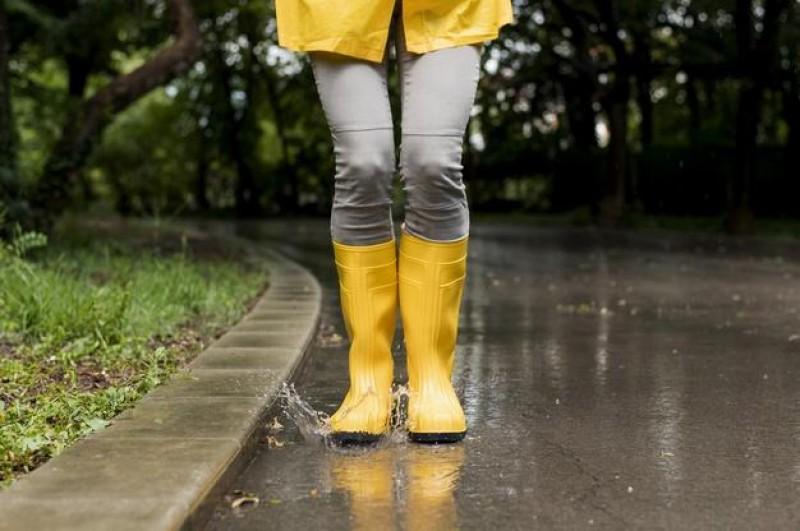
Source: freepik.com
1. Safety first
The first step after any major disaster is to remain safe when returning to your home. This includes turning off the power, as water and electricity (obviously) do not mix. So, be sure to wear your protective gear -- such as rubber boots and gloves -- when you enter to check your home.
Slater adds, “Also, do not go to flooded areas of the house because electricity might still be running and you might get electrocuted.”

Source: diana.grytsku for freepik.com
2. Dry out everything
Once all standing water from your home has been removed or drained out, immediately dry out all wet areas in your home.
“Open all your windows to dry out everything. Once your electricity is back, turn on all the fans to get the air circulation going, he advises.
Drying out your items prevents molds from growing. Items like wooden cabinets, closets, floors, walls, and ceilings may rot when damp.
You can also use dehumidifiers especially in closed-off spaces such as basements. It is effective in removing excess moisture in the air. Please note that molds can begin within the first 24 hours after the flood, and once it starts growing, it can be difficult to remove.

Source: freepik.com
3. Clean up
During your post-flood care, you may either call in a professional clean-up crew or begin cleaning your home yourself. This involves determining which of your items are salvageable and discarding items that are too damaged or no longer safe to use, such as electrical appliances.
Aside from your walls and cabinets, furniture such as sofas and beds may also need to be dried out, cleaned, or thrown away, depending on the water damage. Electronics, including television sets that have been submerged in water, need to be checked by a professional before plugging them back into a power source.
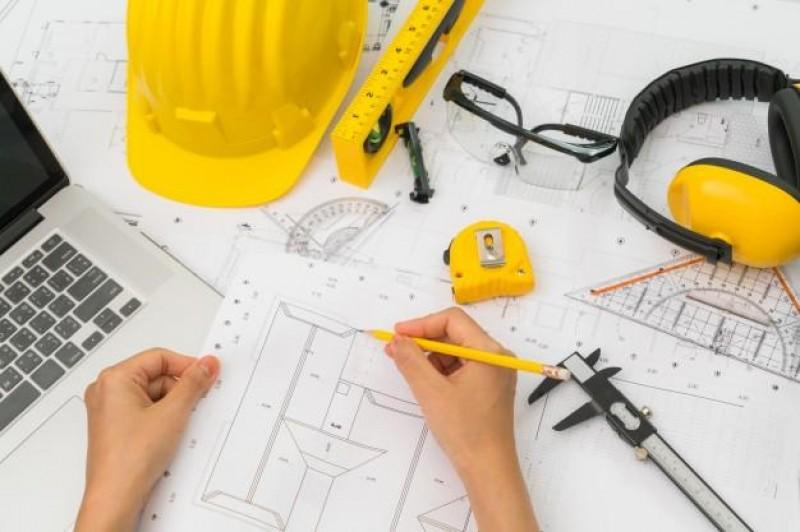
Source: jannoon028 for freepik.com
4. Call the professionals
If you are unsure about something, be it electrical or structural damage, it's best to call in a professional.
Slater says, “For example, you may need to change the outlets and change your circuit breaker that was flooded. You need an electrician to come inside your home to do an insulation test that checks your electrical system's integrity.
“The electrician will give you a final report of your home and what needs to be repaired.”
 Source: tirachardz for freepik.com
5. Double check your home
In cases of intense flooding, you need to make sure your house is as safe as you want it to be.
Look for buckled walls or floors as indicators that structural damage has occurred. Do not enter if there is a risk of collapse and watch for warped or cracked foundations.
Like the tip above, Slater says it's best to immediately contact utility companies if you suspect any damage has occurred.
“You want to be sure that your house is not leaning in any way that is awkward,” mentions Slater.
“If you see parts of your house that are separated from its original structure or cracks that appear in walls, call your structural engineer to have it checked.”
Safety is always more important than salvaging any household item, so be wise when assessing your property.
Flooding can happen anywhere -- so be prepared.
Mother Nature is unpredictable and disasters spare no one, including your home. It's best to keep yourself and your family safe from any injury by keeping these five tips in mind.
For more tips, check out GMA's Lifestyle page.
