
The Healthy Juan: The truth about addiction
Around GMA
Around GMA
NCAA: Benilde Lady Blazers keep Group A top spot within reach after sweeping JRU Witness IDs suspect in killing of brgy chief in Iloilo Gabbi Garcia ensures she uses her platform to empower womenArticle Inside Page
Showbiz News
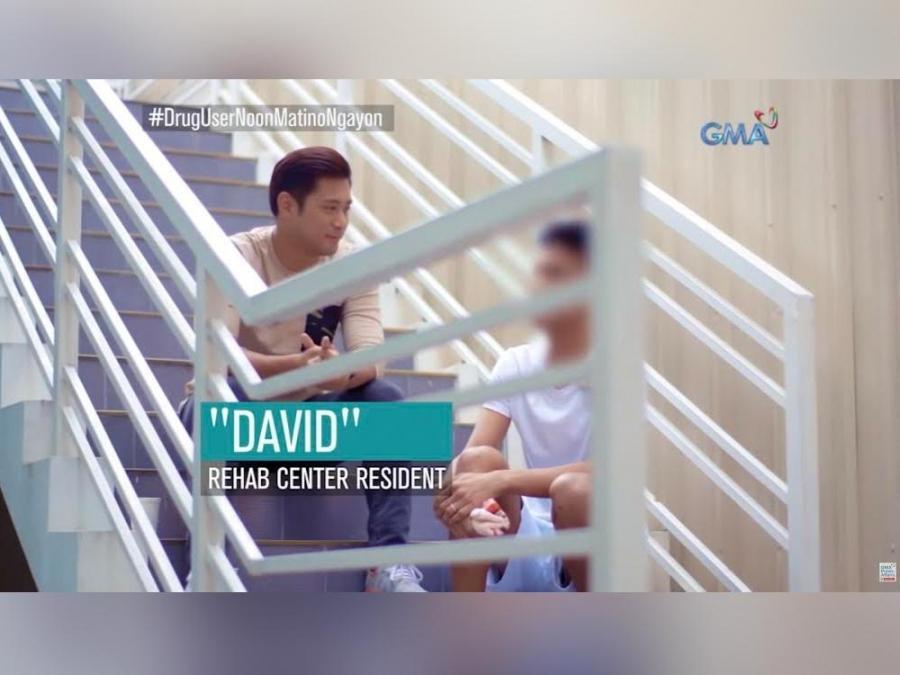
'The Healthy Juan' speaks with the Department of Health to understand the effects of substance abuse and how to get treated.
The terms “addiction” and “substance abuse” are not always pretty to hear, especially during these sensitive times.
However, we'd like to shed a light on this psychological and physical inability to help anyone this article comes in contact with.
Addiction is a chronic dysfunction of the brain system that involves reward, motivation, and memory.
According to Dr. Kathryn Natalie Tan, a psychiatrist at the National Center for Mental Health describes the phenomenon as a way the body craves for a substance in its pursuit for a “reward.”
She tells The Healthy Juan, “'Yung effect kasi ng drugs, na tinatawag nating 'addiction,' it affects a certain part of the brain na tinatawag nating the 'reward pathway.'
"So kung halimbawa, they experience something pleasurable, gusto nating ulitin nation 'yun.
“Pero kung halimbawa, that pleasure is escalated to about 1000 times, mas hinahanap siya ng isang tao kasi mas activated 'yung reward pathway sa paggamit niya sa droga.”
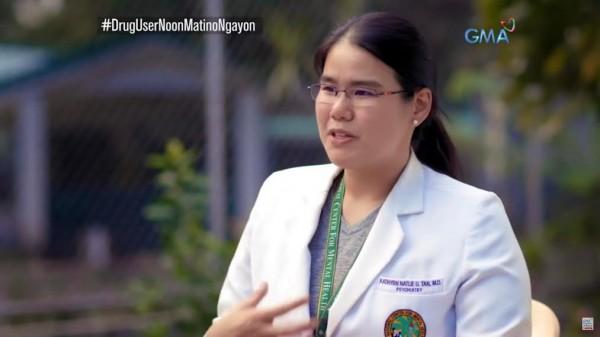
Dr. Kathryn Natalie Tan explains the effects of drug abuse / Source: GMA Public Affairs (YouTube)
Over time, addictions can interfere with one's daily life and people who have experienced addiction are also very prone to relapse and remission.
When this cycle of dependence grows, it can lead to permanent health complications and serious consequences.
According to the Dangerous Drugs Board (DDB), there are about 1.8 million drug users in the Philippines and 4.8 million Filipinos have reported using illegal drugs at least once in their lives.
Add that to the fact that according to a 2012 United Nations (UN) report, the Philippines has the highest rate of methamphetamine or “shabu” abuse among countries in East Asia; with ages ranging from 16-64 years old.
How do you recognize drug addiction?
Signs of addiction vary on each substance but certain behaviors indicate addiction such as:
Changes in energy level
Aggressive behavior or violent mood swings
Preoccupation with getting and using drugs
Withdrawal from friends and family
New friendships with other users; and
Violation of personal morals or values to obtain the drug
As Dr. Tan notes, “'Yung acts of violence, it could be an effect from the dopamine din since nagiging aggressive sila.”
How you could help and get help
Often, it can be difficult for someone who is addicted to drugs to stop using them without professional help because the withdrawal process can sometimes be dangerous or damaging to their health.
Dr. Tan says, “Day-to-day nandoon 'yung temptation, day-to-day kine-crave mo 'yung isang bagay. It's a constant battle for someone kaya mataas talaga 'yung rate ng relapse [on the first months].”
Because of the growing numbers of people who are influenced by drugs, the Department of Health (DOH) is aiming to expand its reach by formulating community-based drug abuse treatment and rehabilitation centers called “Recovery Clinics.”
According to Undersecretary of Health DOH Dr. Maria Rosario S. Vergerie, MPH, CESO IV, the government body is aiming to add 11 more Drug Abuse Treatment and Rehabilitation Centers (DATRC) to its existing 15 DATRCs in the country.
She says, “Ang aim natin ngayon ay magkaroon ng DATRC sa Region 4B, CAR, at ARMM.
“Pero sa mga susunod na taon, maglalaan tayo ng pondo na magkaroon kahit isang center sa bawat regional office o regional area sa bansa.
“Pangalawa, mayroon din tayong tinatawag na recovery clinics at community-based rehab centers.
“So 'pag tiningnan natin 'yung ating programa sa drug abuse, tintingnan natin sa ating mga komunidad hanggang sa mapalagak tayo ng ating mga drug abuser sa facility kung saan sila puwedeng gumaling.”
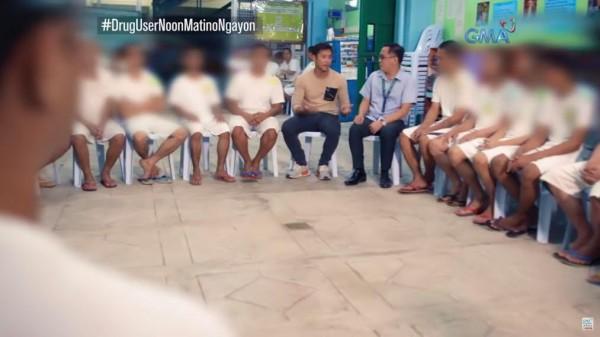 Rocco Nacino experiencing Peer Confrontation session at the DOH Treatment and Rehabilitation Center in Bicutan / Source: GMA Public Affairs (YouTube)
These recovery clinics aim to provide immediate and accessible interventions for PWUDs (Person Who Use Drugs) who submit themselves voluntarily for intervention.
Under the care of DOH, inpatient PWUDs are said to be monitored by different medical staff such as doctors, nurses, and therapists to make sure they're safe.
They then undergo different activities such as the therapeutic community modality and peer confrontation where they become part of a “family” to strengthen and support one another.
This program is said to be effective in helping patients recover from the substance abuse with only 5% returnees
Meanwhile, check the Dangerous Drugs Board website for the the list of DOH accredited treatment and rehabilitation centers.
