

The Silent Killer: What is renal disease?
Around GMA
Around GMA
Pope Leo warns over use of AI in the military CNU grads top licensure exams for teachers Maluhong ina, TINITIPID ang anak at asawang may sakit! | Barangay Love StoriesArticle Inside Page
Showbiz News
Learn more about the disease that caused the death of former President Benigno "Noynoy” Aquino, III.
The whole country is saddened by the sudden passing of former President Benigno “Noynoy” Aquino, III. It was reported that his cause of death was renal disease secondary to diabetes.
But what exactly is renal disease? This article discusses the causes or risk factors and the symptoms of this silent killer, as well as how it can be treated and prevented.
So, read on to learn more about it.
What is renal disease?
According to the Centers for Diseases Control and Prevention (CDC), renal disease, also known as chronic kidney disease (CKD), is a condition where the kidneys-- located at the bottom of the rib cage, one on each side of the spine, and are each about the size of a fist-- become damaged and cannot carry out its primary function of filtering blood.
The kidneys are responsible for getting rid of waste products, excess water, and other impurities in the blood.
They also produce the hormones that regulate blood pressure and produce red blood cells.
Plus, they also regulate the levels of pH, salt, and potassium in the body.
And if they malfunction, it will cause a slew of health problems.
The deterioration of the kidneys in CKD is gradual, hence, the disease has five stages.
And once the kidneys stop working altogether, this is called end-stage renal disease (ESRD) or kidney failure.
This will cause excess fluid and blood wastes to remain in the body; thus, requiring the patient to undergo dialysis or a kidney transplant.
Otherwise, ESRD may lead to other potentially fatal health problems such as heart disease and stroke.
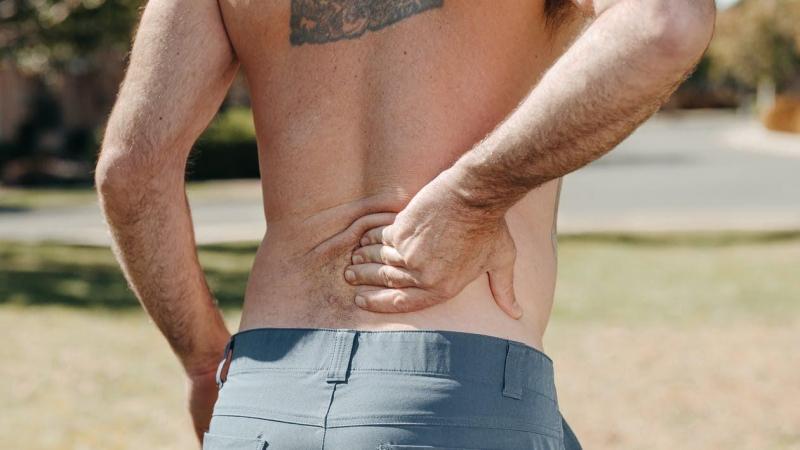
Know the symptoms, risk factors, treatment and prevention of CKD or renal disease / Source: Pexels
What are the risk factors?
The American Kidney Fund says anyone can get CKD or renal disease. But some are more at risk to develop the disease if they have or meet the following criteria:
- diabetes
- high blood pressure (hypertension)
- heart disease
- has a family member with kidney disease
- being African-American, Hispanic, Native American or Asian
- being over 60 years old
Early symptoms
There are some early symptoms of CKD that can serve as warning signs. Be on the lookout for the following:
- Itching
- Muscle cramps
- Nausea and vomiting
- Not feeling hungry
- Swelling in your feet and ankles
- Too much urine (pee) or not enough urine
- Trouble catching your breath
- Trouble sleeping
Symptoms of late-stage CKD or Acute Kidney Failure
If not caught early, patients with advanced stage of CKD will have the following symptoms:
- weight loss and poor appetite
- swollen ankles, feet or hands - as a result of water retention (oedema)
- shortness of breath
- tiredness
- blood in your pee (urine)
- an increased need to pee - particularly at night
- difficulty sleeping (insomnia)
- itchy skin
- muscle cramps
- feeling sick
- headaches
- erectile dysfunction in men
Patients whose kidneys have stopped working completely will experience the following:
- Abdominal (belly) pain
- Back pain
- Diarrhea
- Fever
- Nosebleeds
- Rash
- Vomiting
Treatment and Prevention
The bad news is kidney damage is usually permanent; the good news is one can still prevent the damage from getting worse.
Here are some of the steps to prevent CKD or keep it from worsening:
- Control your blood sugar if you have diabetes
- Keep your blood pressure at a healthy level
- Adapt to a low-salt, low-fat diet
- Exercise at least 30 minutes on most days of the week
- Keep a healthy weight
- Quit smoking
- Limit alcohol
- Ask your doctor to prescribe medicines that can help protect your kidneys
If you feel you may have the symptoms of CKD or renal disease, it's best to consult a doctor so it can be treated properly right away and prevent further damage.
Otherwise, maintain a healthy lifestyle and follow other prevention tips to avoid getting renal disease.
For more lifestyle content, head out to GMA's Lifestyle page.
Learn about some rare diseases that Filipino celebrities have battled with in the gallery below.
