This dermatologist warns against using acne patches
Around GMA
Around GMA
Shear line caused most rainfall from November to March — study Italian resto opens in Molito; promises 'refined but unpretentious' food Duterte calls plunder, graft raps a 'fishing expedition'Article Inside Page
Showbiz News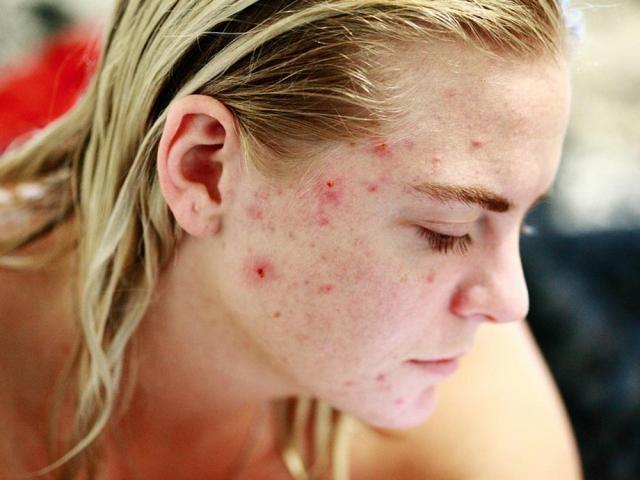
What is an acne patch? And does it really do its job?
There are lots of pimple-fighting products introduced in the market recently and one of them is the acne patch. Beauty vloggers have been raving about it ever since because it satisfyingly delivers quick fix when used overnight.
The latest skincare fad has also been considered as a 'holy grail' spot treatment because it is convenient to use and normally comes with an affordable price.
But what is it exactly? And does it really do its job? Dr. Grace Carole Beltran, M.D. of Philippine Dermatological Society (PDS) explains in an e-mail interview with GMANetwork.com.
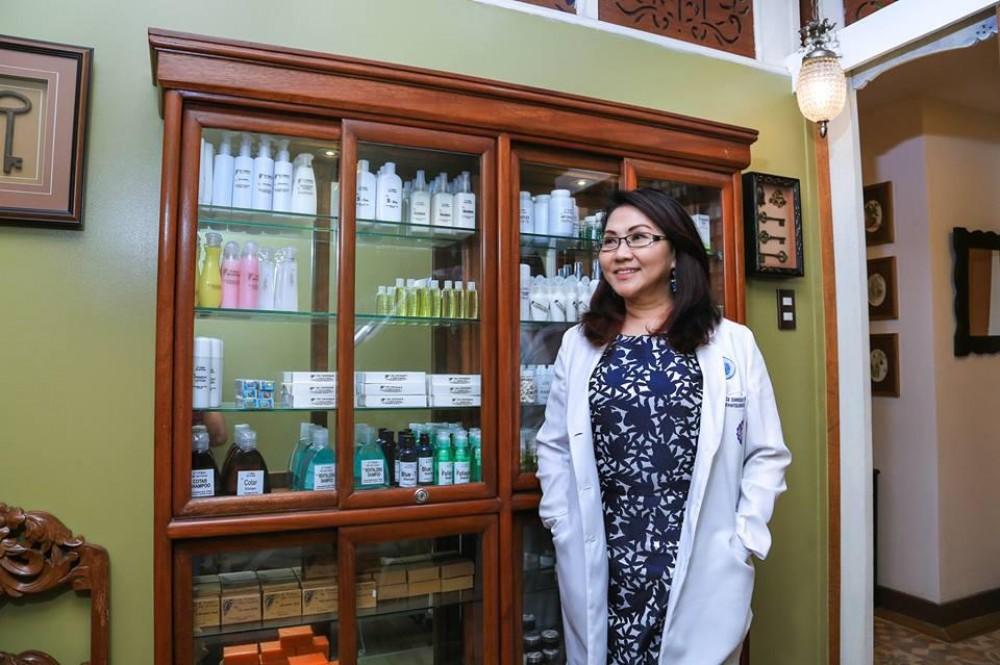
"There are two types of acne patches: hydrocolloid bandages and treatment patches.
"Hydrocolloid bandages are flexible bandages made of a water-attracting material attached to a thin plastic film. The tough, outer plastic film is usually polyurethane and keeps everything in place, as well as preventing the water from evaporating and drying out the wound, so the wound heals faster and the new skin that forms is supple rather than tight and stiff.
"On the other hand, treatment patches contain active ingredients that are delivered to your pimple while it's on. The most common active ingredients in acne treatments are salicylic acid and tea tree oil - most patches contain both."
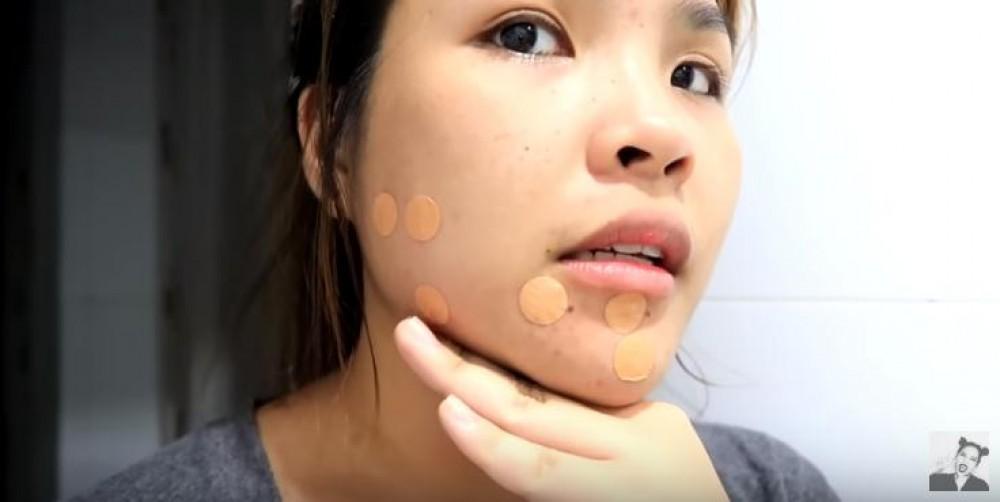
Dr. Beltran affirms acne patches can work as a shield to avoid further infection but on the flip side, it can irritate the skin in the long run.
“They protect your pimple from rubbing and touching, whether you're doing it subconsciously or just rubbing your face on your pillow at night, which can lead to infection and scarring. However, using hydrocolloid dressing can increase penetration of substances that is incorporated in the acne patch itself and if salicylic acid (SA) is present, it doubles or triples the penetration of these active substances and can cause extreme irritation to the skin. Why? SA is an exfoliant, nag-pi-peel ng balat," she notes.
The dermatologist also divulges that sticking a patch on the affected area is most likely useless since the bacteria is inside the gland and not on the surface.
“As for infection in acne, the bacteria is inside the gland and not on the surface so a hydrocolloid patch cannot correct the presence of the propionibacterium acne (a skin commensal organism) and it can even worsen it," she says.
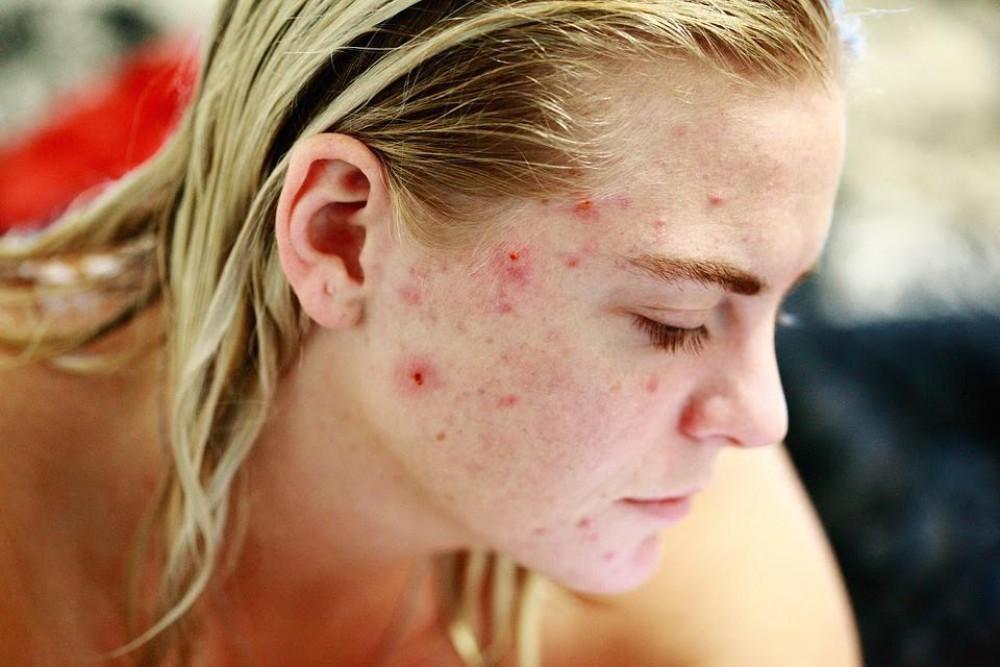
More importantly, Dr. Beltran warns against occluding a pustule, a small bump on the skin containing pus, since it does not help alleviate it but, actually, can lead to a more serious skin condition like facial cellulitis, a bacterial infection of the facial tissues.
"If the acne stage is pustular, 'yung nagnanana, occluding it will tend to spread infection below the skin instead of popping it out and it can cause facial cellulitis. When in contact with wound exudate, the polymers from the hydrocolloid patch absorb the fluid and swell, forming a gel which is confined within the structure of the material," she explains. "This is not necessary at all. In acne, we are dealing with an overactive gland that produces sebum and not water or any fluid."
This is the reason why the dermatologist does NOT recommend acne patches to her patients, especially those with cystic acne. So instead of taking the risk, she prescribes products that are proven effective and that include: "Topical creams and oral medications depending on the stage of acne, and treatments that are recommended by the American Academy of Dermatology or British Academy of Dermatology and other credible Dermatology Institutions."
In her 26-year experience as a medical practitioner, Dr. Beltran still believes people should stick to what work for their skin, rather than experimenting on the latest innovation or advancements in anti-acne products.
"There are always new medicines and cosmeceuticals that are being developed and are already being marketed. But I always believe that if you do not encounter any problems with whatever you are currently using, why use another one?
"I also believe that patients especially with those mild acnes can try whatever they want to try, but as soon as their acne becomes worst, they really need to see a PDS-certified dermatologist," Dr. Beltran reminds the public.
