

 GMA Brandtalk
 Tracking
 Archives

AlamBaU.ph aims to make it easier to report cybercrime, protect kids online
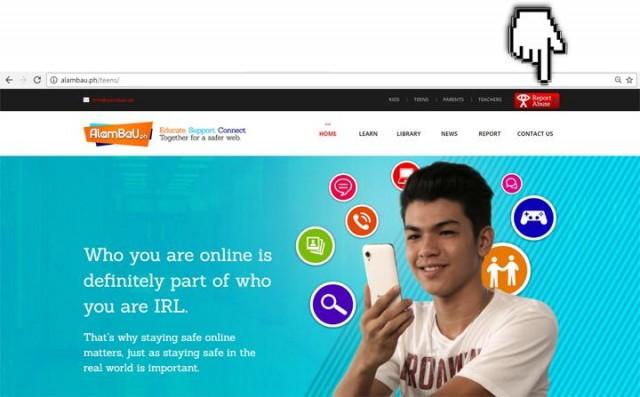
Advocacy group Dakila on Thursday launched AlamBaU.ph, an online hub that seeks to protect children and the youth from online sexual abuse and exploitation.
AlamBaU.ph is inspired by the Think You Know campaign in Australia and the UK.
"In the Philippines, we intend AlamBaU to be a platform to educate, support, and most importantly connect everyone for a safer web for our children," Dakila campaigns director Micheline Rama said during website's launch on Thursday.
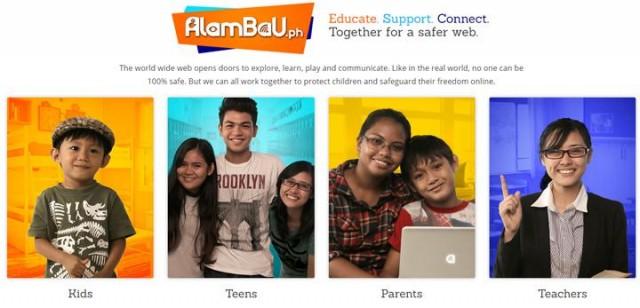
With Dakila working in partnership with the Embassy of Australia in the Philippines and The Asia Foundation, the website intends to give children age-appropriate materials with which to identify abuse and learn how to help their peers.
AlamBaU's main highlight is the reporting section. Anyone with access to the internet can file a complaint through a directory provided under the "report abuse" button.
The website links out to the Philippine National Police's Anti-Cybercrime Group (Angel Net), which provides a form to be filled out by people who wish to report a cybercrime.
PHL "fertile ground" for HIV, cybercrime
Everyone is susceptible to attacks online, regardless of background, said PO3 Bernadette Garcia of the Philippine National Police's Anti-Cybercrime Operations and Training Division at the launch.
"It doesn't matter if you are from Class A, Class B, or Class C," Garcia said, adding that young people from so-called respectable backgrounds can also get duped online.
From something as seemingly benign as internet addiction, the threats can escalate to prostitution and human trafficking.
Very real dangers that the youth are exposed to online pic.twitter.com/hysV66v1zl
— Aya Tantiangco Miura (@ayaruim) September 29, 2016
Dr. Bernadette Madrid of the Child Protection Unit Network and the Philippine General Hospital further warned that the sheer volume of sexual materials that young people get exposed to online get exposed to might condition them to become compliant victims to predators.
One of the factors that exacerbate the problem is the "constant input of multiple sexually toxic messages that normalize sexual harm," she said.
"If you see it all the time, then you tend to think that that is the norm," Madrid said of the proliferation of images and videos online that show sexual aggression as harmless.
Dr Madrid shares cyberviolence statistics pic.twitter.com/f6ZN75nsCQ
— Aya Tantiangco Miura (@ayaruim) September 29, 2016
On some occasions, children get into relationships that may traumatize them.
"They've never met [these people they get in relationships with]. They have boyfriends on the internet and the first time they meet, they get sexually abused," she said.
Additionally, the rise in exploitative activities online is mirroring the rise of HIV cases in the country. The ubiquity of the smartphone, the increase of dating apps, and the lack of access to contraceptives have made the Philippines "a fertile ground for HIV rising," said Madrid.
The rise in exploitative Internet activity mirrors the rise of HIV cases in the PHL pic.twitter.com/bXmJAHqw3i
— Aya Tantiangco Miura (@ayaruim) September 29, 2016
The doctor said that children as young as 8 years old are being kept in sex dens run by companies like Orgasmic Ventures Inc, which in 2005 made profit of $100,000 per day.
The most startling statistic is that parents are sometimes complicit in the trade, believing that interaction via webcam is not harmful to their children because it involves no physical contact—which is not even true in some cases.
To understand the problem, Dr Madrid stressed, "It is not a single cause—it's never a single cause."
Low education, poverty, materialism, impunity, pressure from peers, personal risk-taking behavior and more factors contribute to the issue.
The compounding factors that lead to cyberviolence and exploitation pic.twitter.com/RnPnB6Vmut
— Aya Tantiangco Miura (@ayaruim) September 29, 2016
Dakila hopes that AlamBaU will empower parents to make the Web a safer place for for their children and teach educators how to create a safer environment for their students.
"This is just the beginning, a preview," said Rama. "AlamBaU.ph is by no means a finished product. Crimes against children online is ever-evolving, so we must always quickly evolve with it." — BM, GMA News

