

 GMA Brandtalk
 Tracking
 Archives

What to do before, during, after an earthquake?
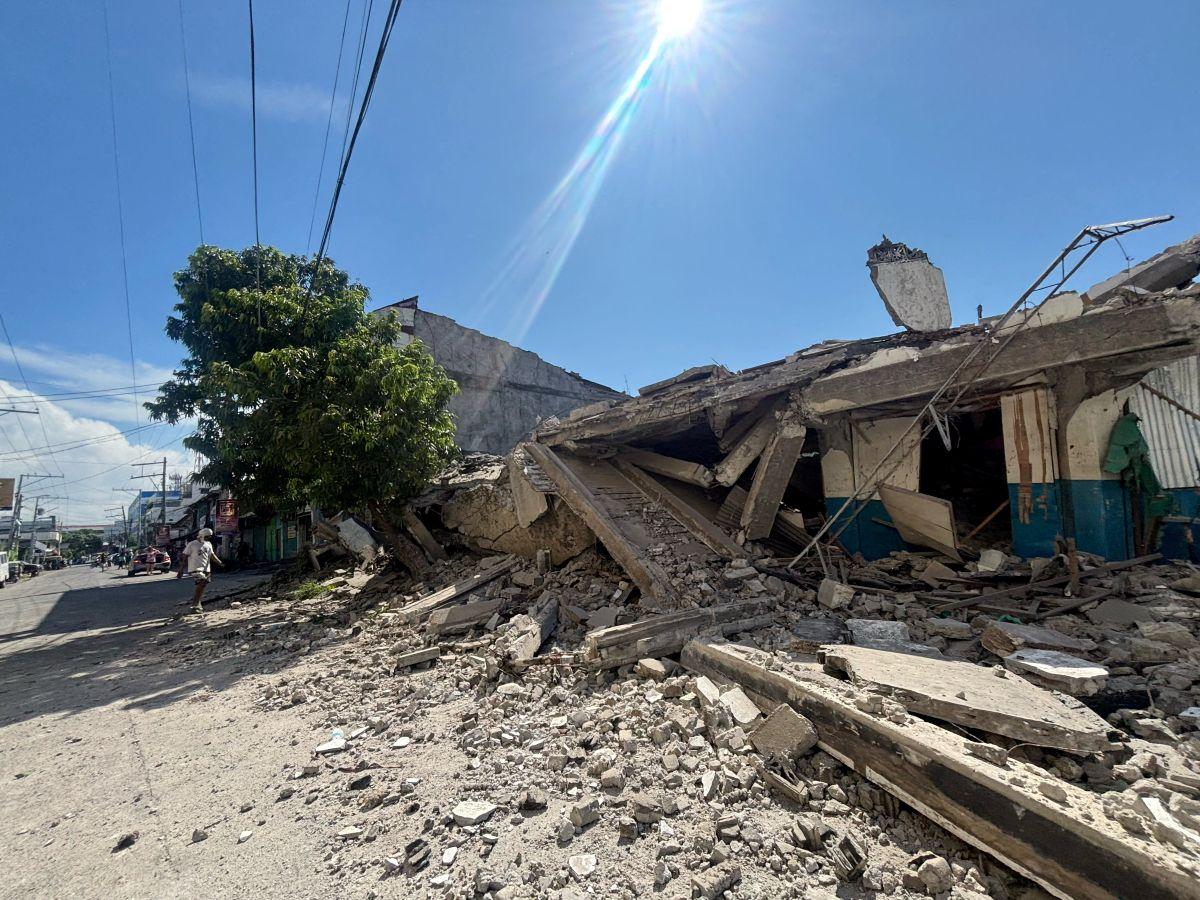
A magnitude 7.8 earthquake rocked Mindanao on Monday morning, leaving 37 people dead, as of Tuesday.
As the country continues to experience strong tremors, the Office of Civil Defense (OCD) has released reminders on what to do before, during, and after an earthquake. Meanwhile, here is a list of organizations accepting donations for those affected.
Before an earthquake
The OCD advised residents to know the hazards in their area and familiarize themselves with the location of fire extinguishers, medical kits, exit routes, and evacuation plans.
Homeowners should also inspect their houses and have them repaired if necessary.
Harmful chemicals and flammable materials should be stored properly, while heavy furniture and hanging objects must be secured to prevent them from falling during strong shaking.
The OCD urged the public to participate in office and community earthquake drills to improve preparedness.
Families should also coordinate with community leaders regarding evacuation plans and decide in advance on a family meeting place should evacuation become necessary.
They are also encouraged to prepare a "go bag" containing essential items needed for survival in emergencies.
According to the OCD, a go bag should be checked and replenished every three months and stored in a place that can be easily accessed during emergencies.
The go bag should contain:
- important documents stored in a waterproof container
- flashlight, candles, matches, and a whistle
- radio with fresh and extra batteries
- first aid kit and maintenance medicines
- special-needs items for children, older persons, and persons with disabilities
- spare cash
- ready-to-eat food sufficient for three days
- drinking water in sealed containers sufficient for three days
- mobile phones, power banks, and chargers
- ropes, old newspapers, and durable eco-bags
- clothing, raincoat, boots, and sanitary supplies
- sleeping bags or mats and blankets
During an earthquake
When inside a building, the OCD advised people to remain calm.
Individuals should duck under a sturdy table, hold on to it, and stay alert for potential hazards.
People should stay away from glass windows, shelves, and heavy objects that could fall and cause injuries.
After the shaking stops, occupants should leave the building and proceed to the designated evacuation area.
Those who are outdoors should move to an open area and stay away from buildings, trees, electric posts, and landslide-prone locations.
Meanwhile, individuals inside moving vehicles should stop and safely exit the vehicle.
After an earthquake
The OCD reminded the public to stay alert for possible aftershocks following a major earthquake, according to the OCD.
People should assess themselves and others for injuries and provide first aid when necessary.
Residents in coastal areas should immediately move to higher ground if there is a threat of a tsunami.
The OCD advised the public to remain outside damaged buildings until authorities declare them safe for re-entry.
Special attention should be given to older persons, pregnant women, persons with disabilities, and children during emergencies.
Affected residents should also check for spills involving toxic and flammable chemicals and inspect water lines, electrical systems, and gas or LPG connections for possible damage or leaks. — LA, GMA News

