
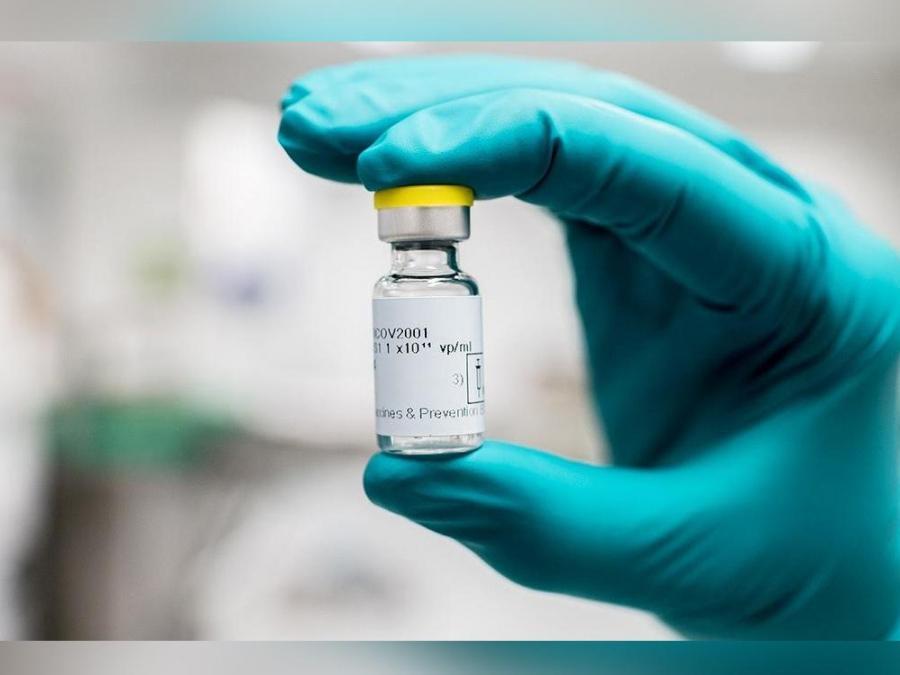
FDA, CDC call for J&J COVID-19 vaccine pause due to rare blood clot side effect
Around GMA
Around GMA
Senate elects new chairpersons, members for various permanent committees CCTV helps police solve ring swap scam in Iloilo Heart Evangelista is the cover star of international magazine's August issueArticle Inside Page
Showbiz News
Learn more about the rare blood clot side effect that forced the FDA and CDC to recommend pause use of the Johnson & Johnson's Janssen vaccine.
After six reported incidents of a rare blood clot in people who received the Johnson & Johnson's (J&J) Janssen COVID-19 vaccine, the U.S. Food and Drug Administration (FDA) called for a pause on its use.
The recommended pause was announced in a joint media briefing of the FDA and the Centers for Disease Control and Prevention (CDC) on Tuesday, April 13.
During the media briefing, the FDA and CDC emphasized that this action was done out of an abundance of caution.
So far, there have been more than 6.85 million doses of the Janssen vaccine that have been administered in the U.S. and only six blood clotting cases have been reported.
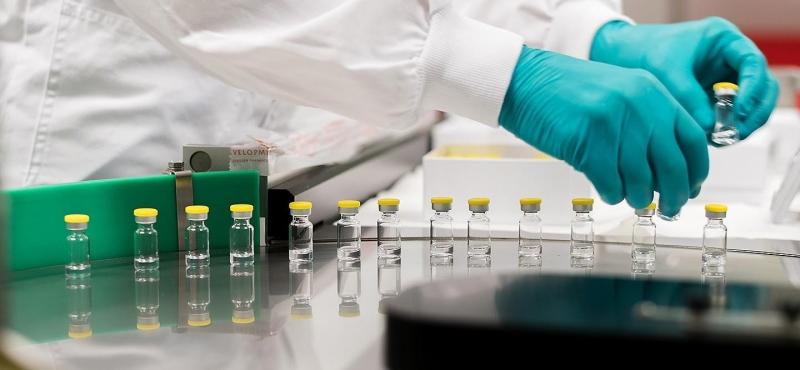 The FDA and CDC recommend a pause on the use of the Johnson and Johnson's Janssen COVID-19 vaccine / Source: Johnson & Johnson
The severe blood clot is said to be a combination of clotting and a low platelet level. All of the six cases occurred in women aged 18 to 48 and the symptoms manifested from six to 13 days after vaccination.
Dr. Anne Schuchat, principal deputy director of the CDC, advised those who received the Janssen vaccine to watch out for symptoms such as severe headache, abdominal pain, leg pain, and shortness of breath within three weeks of inoculation.
She said anybody who experiences these symptoms after receiving the J&J vaccine should seek medical treatment.
In a separate press con, Dr. Anthony Fauci, director of the National Institute of Allergy and Infectious Diseases, said that the blood clotting adverse effect is a rare event.
He underlined, “This is a really rare event if you look at what we know so far. There have been six out of the 6.85 million doses, which is less than one in a million.”
Dr. Fauci also emphasized that the pause is important so that the rare blood clot could be further investigated and to alert physicians that alternative treatment is required for this adverse effect.
He explained, “It really allows both the FDA and the CDC to further investigate these cases to try and understand some of the mechanisms of what is, some more details about the history of the individuals who are involved that might shed some light on looking forward what will happen and what we will do. That's the first thing.
“The other thing is to make physicians out there aware of this and there are some clinical implications of that that I believe are important.
“For example, if someone comes in with this really rather rare syndrome of thrombotic thrombocytopenia, where you get thrombosis and when you have thrombosis, the most common way to treat that is with heparin--that would be a mistake in this situation because it could be dangerous and make the situation much worse.”
Dr. Fauci also said that physicians should also take a look at a history of a recent vaccination in individuals who have a particular thrombotic phenomenon caused by other reasons, especially in younger women.
He also assured those who have already received the Janssen vaccine about a month or two ago that they have nothing to worry about.
“So, someone who maybe had it a month or two ago would say 'What does this mean for me?' It really doesn't mean anything. You're okay. Because if you look at the time frame when this occurs, it's pretty tight, from a few days--six to 13 days from the time of the vaccination.”
After the FDA and CDC recommended the pause, more than 24 states in the U.S. have halted inoculations of the Janssen vaccine.
J&J had already issued a statement saying that “no clear causal relationship” has been identified between the Janssen vaccine and the reported clotting incidents and that they will work closely with regulators to investigate the matter.
In the Philippines, the use of the AstraZeneca vaccine for persons below 60 has been temporarily suspended on April 8 due to reports of rare cases of blood clots with low platelet level in some individuals who received the vaccine.
For more lifestyle content, head out to GMA's Lifestyle page.
See who among Filipino celebrities and personalities have been vaccinated against COVID-19 in the gallery below.
