

CHECK LIST: Do you have a healthy physical work-from-home set up?
Around GMA
Around GMA
PH monitors minerals, Chinese influx amid Bajo de Masinloc structure concerns Ateneo de Davao University names covered courts after Rene Baterbonia The Father Who Never LeavesArticle Inside Page
Showbiz News
You've turned into a “regular” WFH employee! But, do you have a healthy physical workspace after six months of quarantine?
It has been a little over six months since the quarantine was put in place. And if you've been working from home, you can now jest about being a regular employee.
Spending about half a year, accomplishing your deliverables in your make-do workspace may have accustomed you to this #NewNormal. But, have you ever wondered if you have a healthy physical work-from-home (WFH) setup?
GMANetwork.com tapped on design professionals from the Emerging Architects Studio (EASt) to educate us through a checklist.
Members from EASt begin, highlighting, “From the point-of-view of architects, a good workspace is one in which we can spend about 8 hours or more, straight, without getting uncomfortable.”
1. Location
Choosing a good location to work is critical in promoting productivity and efficiency. Identifying a spot to set up your work space may be influenced by what members of EASt refer to as the interrelation of spaces and circulation.

Photo from pexels.com
They note, “We advise that in having a WFH setup, people must consider the distribution or placement of spaces, furniture, and appliances, in their house. Accessibility and interrelatedness of one's workspace with the dining, toilet, and kitchen are significant, especially in attending to one's needs while working."
They also added, “One must consider circulation around their workspace, which means that their movement should not be hampered once in a while. Coincidentally, the workspace itself must not create inconvenience to circulation of other occupants in the house.”
2. Lighting and Ventilation
A good and healthy workplace may also depend on the quality of lighting and ventilation in your chosen area.
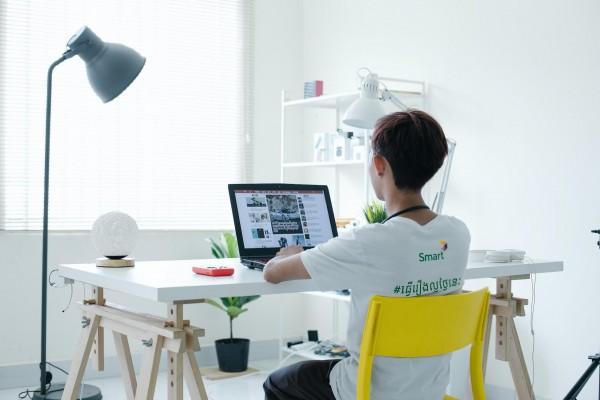
Photo from pexels.com
“There is no substitute for good daylight, and fresh and natural air for one's productivity at work. Assistance from artificial lighting and ventilation is also an added factor for maximum comfort. While this may have cost implications, at the end of the day, it will still depend upon one's preferences and capacity."
3. Orientation
Another factor to consider in identifying your workstation is being mindful of the external factors that may influence your comfort and conduciveness at work.

Photo from pexels.com
One must consider the orientation of their workspace. One's workspace must be positioned and directed to disallow any forms of external discomfort (i.e. glare, heat, noise, strong wind gusts, etc.). As much as possible, it must not be oriented facing the afternoon sun.
“Location in the house can also play a factor in setting up your spot. Is it near the window where you can hear vehicles drive by? Is it near a busy area of the house where other people can be seen walking behind you during video calls? People can ask themselves these questions to gauge their WFH setup.”
4. Utility
Working from home now may require the use of so many gadgets and accessories on top of your usual office items. Thus, it is important to consider your accessibility to the power sources as well as to other appliances.
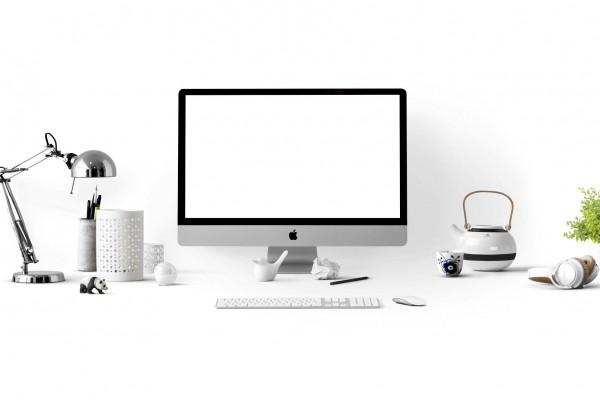
Photo from pexels.com
“One must consider the electrical layout. Power outlets and switches are important in one's working space, as they affect or are simultaneously determined by the appliances to be used for one's work.”
5. Personalization
An upside about working from home is that finally you can use and arrange your space to fit your personal needs. Customizing details of your workstation to suit you best is recommended.
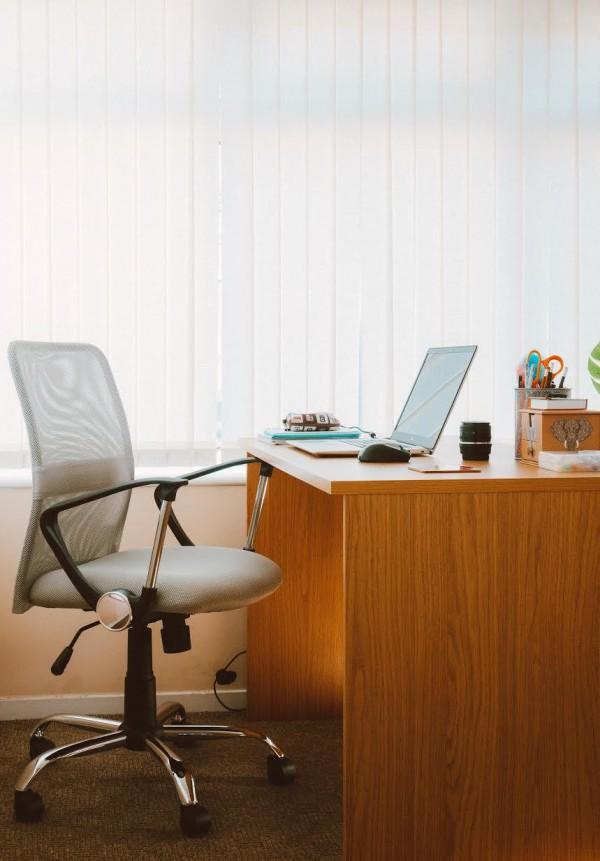
Photo from pexels.com
They explain, “A good workspace is where the furniture pieces, particularly desks and chairs, are ergonomically designed. Most people can work using standard desks with height of 720mm, while sitting on standard chairs with height of 450mm; and some people can work using bar-type desks with the height of 900mm, while sitting on a 620mm high bar stool. We also know few people who can work while sitting on the floor.”
According to members of EASt, this checklist should only serve as a guide. They stress that creating your WFH setup will surely depend on one's work habits, likes, preferences, and capacity.
ALSO READ: Adjusted house designs to cope with the COVID-19 pandemic
