Fabric 101: Assessing the quality of your clothes
Around GMA
Around GMA
Michelin chef Fernando Alcalá leads new restaurant Singular Manila House panel finds impeach raps vs Sara Duterte sufficient in substance 'Huwag Kang Titingin' cast, kinilabutan kaagad sa script at set ng horror filmArticle Inside Page
Showbiz News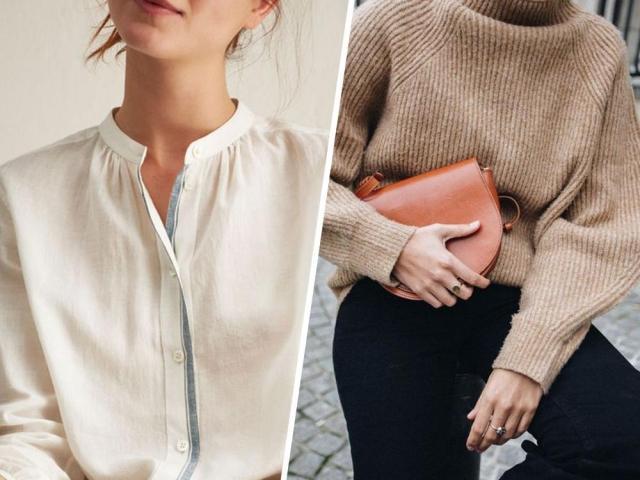
Here's a simple guide to help you determine each fabric so you can be objective in your next closet purchase.
Aside from the cut, the pattern, and the fit, a good way to build a high-quality wardrobe is to recognize a quality garment when you see one.
One way to tell the difference is by looking at the most important component of a garment: fabric.
No matter how beautiful the details, or how well the seams are, a garment that's made from a flimsy fabric is never a good addition to any wardrobe.
So here's a simple guide to help you determine each fabric so you can be objective in your next closet purchase:
1. Cotton
Cotton is a super popular type of fabric because it's versatile, soft, durable, and affordable. The most important quality of cotton is its length -- the longer the fibers are, the higher its quality.
Here's how to estimate whether a cotton garment is made with long-staple fibers:
Touch it! Even if it's thick and sturdy it should feel soft on the skin
Check the density. Hold it up to the light. Even if it's fine, the fabric should not be transparent.
No pills. Cotton is generally not as prone to pilling as other fabrics, so if you see a trace of pilling, move on.
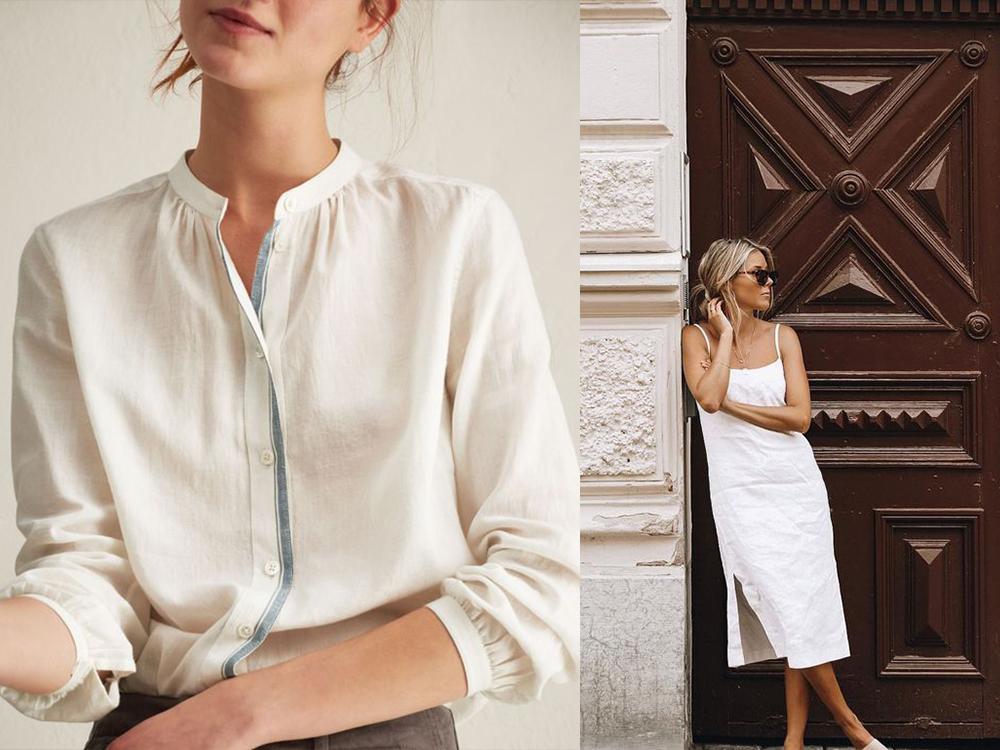
2. Linen
Linen is a great fabric for summer clothes because it's breathable, it dries fast, and has a cooling effect. In general, there are a few quality differences between linen and cotton. So, if a garment has a high linen component, that's a good sign.
Here are a few more things to look out for when shopping for linens:
It should feel comfortable on the skin. If it feels scratchy or rough, low-quality fibers were probably used.
Watch out for 'permanent' creases. Linens are not very elastic so it will eventually break if it's constantly folded in the same spot.
Buy garments that are made of both linen and cotton. The mix makes for a durable, softer fabric that wrinkles less and a lot less high maintenance.
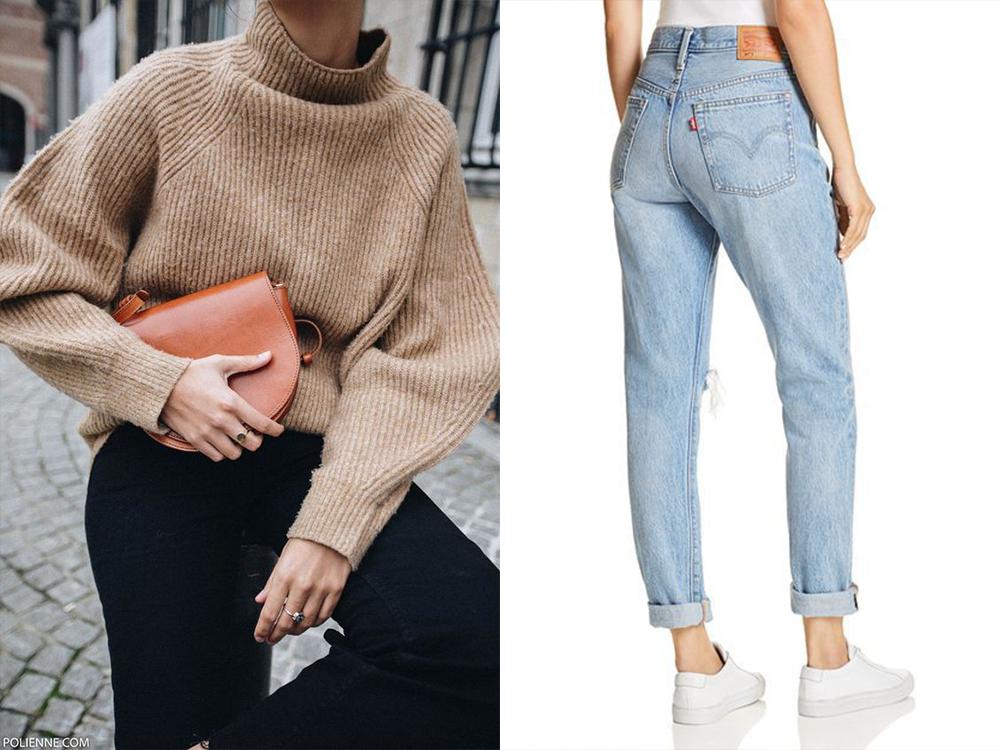
3. Wool
Wools are great for garments like outerwear, sweaters, blankets, and rugs because of the warmth of the fabric.
Now, the quality of wool is determined by the individual fibers that make up the fabric. So for good measure, here are tips for assessing wool:
Check for any faults. Knits should be consistent and there shouldn't be any loose strands.
Bounce. Wool fabrics are elastic and should bounce back after you stretch it out.
Know the wool type by checking the tag.
4. Denim
Denim is tricky as brands already know how to produce cheaper versions of the fabric. So it's good to note the tips we've listed below:
Denim should never feel thin and flimsy or so stiff and heavy that you can't move (unless it's raw and unwashed). But anything in-between is fine.
Check the seams. It should be strong that it won't split or unravel under stress. So try pulling the denim along the seams. If it pulls apart then it's probably good to put the garment down.
5. Leather
Leather is not technically a fabric, but a material. The quality mainly depends on what type of “grain” it has. Full-grain leather is considered to the highest quality while top-grain is the less durable type.
In order to check whether a leather item was made from full-grain leather is to look closely at the grains of the fabric. Do they look natural? It also may contain some natural imperfections from the animal it came from.
Some more notes on leather:
It can be permanently creased as leather is not of elastic material.
Check how the pieces of leather are attached. Are they sewn together or glued? Obviously stitching is better as it creates a stronger hold between the pieces.
Go for vegan leather for a good dupe. It's as durable but more affordable and easier to maintain. Plus, it doesn't involve the death of animals (PETA, we're looking at you)
Synthetics: Is natural always better?
The answer is, no. Synthetic fibers also have their advantages and can make a great alternative or addition to natural fibers. Here's why:
There's a difference as to how designers and fast-fashion brands use synthetic materials. The former will choose a synthetic material to enhance the final garment. While the latter is all about cutting costs, which you might want to avoid.
Oftentimes, a small number of synthetic fibers can improve the fit of an otherwise natural fabric. Synthetic fabrics like spandex, polyester, and lycra mix well with cotton to add stretch and keep its shape after washing
Synthetic fibers are good for activewear because they're light and stretch. Plus, they dry super fast.
Bear in mind that the points above are the best practices, not hard facts. Most would think these are quite technical but think of this as a resource you can refer back to whenever you are planning to add a new piece to your wardrobe.
Lastly, the number one tip to make sure you're buying quality is to always look at the item in the flesh, not online.
Happy assessing and shopping!
LOOK: Kapuso celebs and personalities, take fashion and sustainability to a new level
Janine Gutierrez: 'I'm a quality over quantity' kind of girl
