
Here are 6 essential washing machine maintenance tips to remember
Around GMA
Around GMA
UN Global Compact Network PH elects new board Impeachment complaints batok VPSD, gideklarang ‘sufficient in substance’ | One Mindanao Local bus company rolls out fuel-saving measures amid diesel price hikeArticle Inside Page
Showbiz News
Give your trusty washing machine some TLC with these helpful hacks.
A washing machine is a valuable appliance in our household. It helps us save time and effort while guaranteeing desired results: clean clothes and fabric.
On the flip side, the appliance is often overused, making it susceptible to breakdown over time.
This is why users need to have knowledge of basic maintenance practices to keep their washing machines up and running efficiently.
Here are some tips worth remembering to take care of your trusty washing machine.
Get the right capacity
Washing machines work best when operating at capacity, according to Allan Morris, a technician for Teko, the Philippine-based online platform that connects users to professional appliance technicians for installation, maintenance, and repair needs.
“Overloading it will cause it to not only be less effective but may actually damage it. Before purchasing your washing machine, take note of how large your expected loads will be and choose accordingly.”
Move wet clothes
When doing laundry, it is advisable to take out or transfer wet clothes to the dryer immediately.
“Leaving wet or damp clothes in the washing machine can cause smelly mildew and mold to build up,” explained Allan.
Let air out
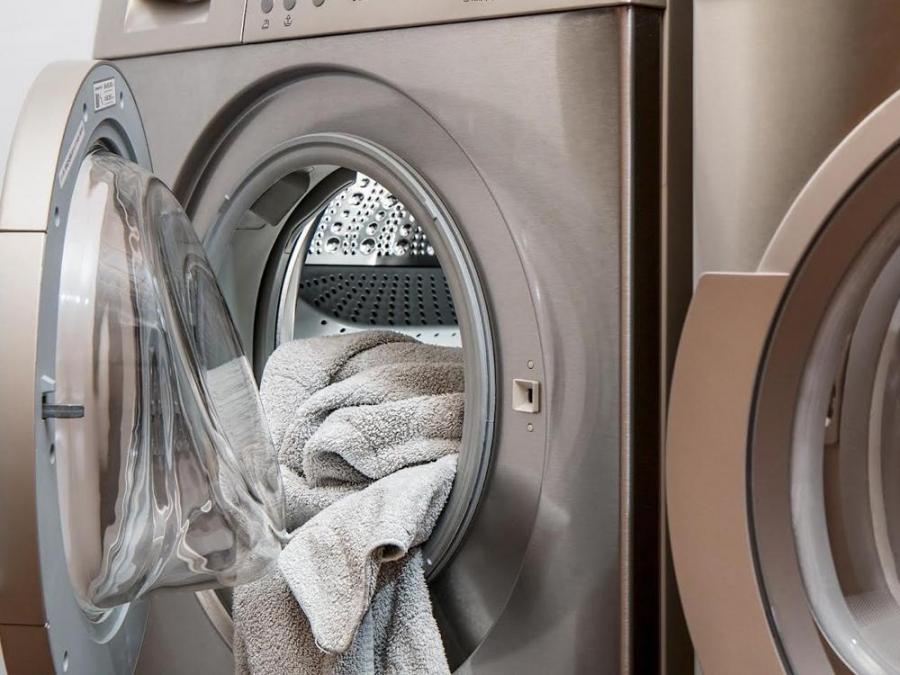
After washing, it is best to leave the door of your washing machine slightly ajar to let fresh air help the washing machine to dry after use.
This also helps to prevent mold and mildew from forming inside the washing machine.
Manage detergent volume
We are often tempted to add more detergent to clothes that we feel are extra soiled. However, this may cause some issues both on the clothes and the washing machine itself.
“It may leave hard to clean residue in the washing machine and on your clothes. Use only what is recommended by the manufacturer,” Allan advised.
Washing machines get dirty too
All that hard work leaves washing machines absorbing dirty particles and grime over time. The good news is that users can apply practical but effective maintenance tricks to eliminate accumulated dirt.
“Every couple of months, it is a good idea to run a full cycle with two cups of vinegar and a small amount of detergent. This helps control the build-up of mold and dirt residue that can leave a bad smell on your laundry,” said Allan.
“You can also use half mixture of vinegar and half mixture water to wipe down the rubber gaskets, seals, drum, and door.”
Avoid using raised or wheeled pedestals
We often see this problem: washing machines placed on uneven elevated surfaces or wheeled pedestals for various reasons.
While convenient to some users, this may cause more harm than good in the long run.
“Washing machines have suspensions and dampers that require a solid surface to work properly and they will wear out or break if on a wobbly or unstable platform,” warned Allan.
Again, planning is key from the get-go when thinking of purchasing a washing machine. Make sure to determine first a suitable space in the house to place the appliance to avoid improvising at the last minute.
Final note
When choosing what washing machine to buy, it is important to take note of several key points including the size according to home space, the material, efficiency in terms of water and power consumption, budget, and features according to specific needs.
Speaking of the latter, washing machine models of today have raised their game by incorporating innovations to make laundry chores more efficient and enjoyable.
Recently, the appliance brand Beko launched in the Philippines its washing machine model that uses SteamCure Hygiene+ technology.
The said technology is designed to help clean and sanitize clothes by using steam to soften stains, smoothen creases and folds in clothes, sanitize garments, and wash away allergens like dust and animal dander
This is just an example of the type of modern washing machines available in today's marketplace.
It is, of course, advisable to do due diligence by researching, asking around, and knowing your exact needs before making a purchase.
For more stories like this, visit GMA Lifestyle's page.
