
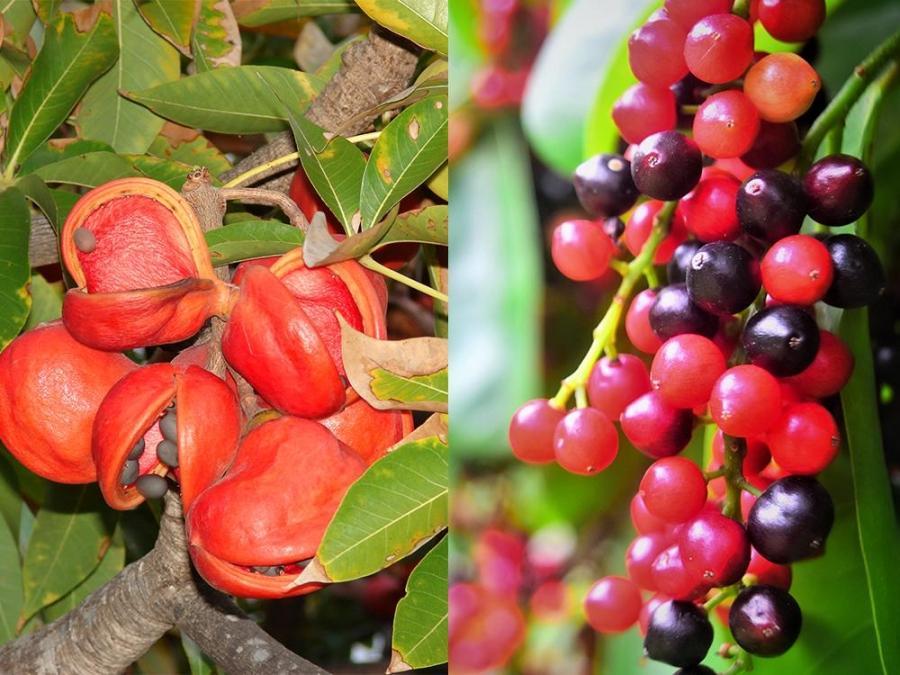
Native trees with health and medicinal benefits that you can plant in the backyard
Around GMA
Around GMA
Ridon wants VP Sara to explain P50-M ‘wealth gap’ International coffee chain to offer Harry Potter-themed drinks and merch P95M shabu seized, alleged drug courier nabbed in Surigao CityArticle Inside Page
Showbiz News
Level up the plantita and plantito in you by growing these native trees inside your property.
The pandemic and ensuing lockdown have turned many of us into keen 'plantitos' and 'plantitas.'
If you're lucky enough to have a spacious backyard, perhaps you can grow native trees to further flex that newfound green thumb.
Luckily for us, the Department of Environment and Natural Resources (DENR) through its Forest Management Bureau (FMB) has recommended tree species that can easily be planted and cultivated in the backyard.
What's even more amazing is that these trees also have inherent health benefits.
Here are just some of these local trees recommended by the FMB:
Antipolo
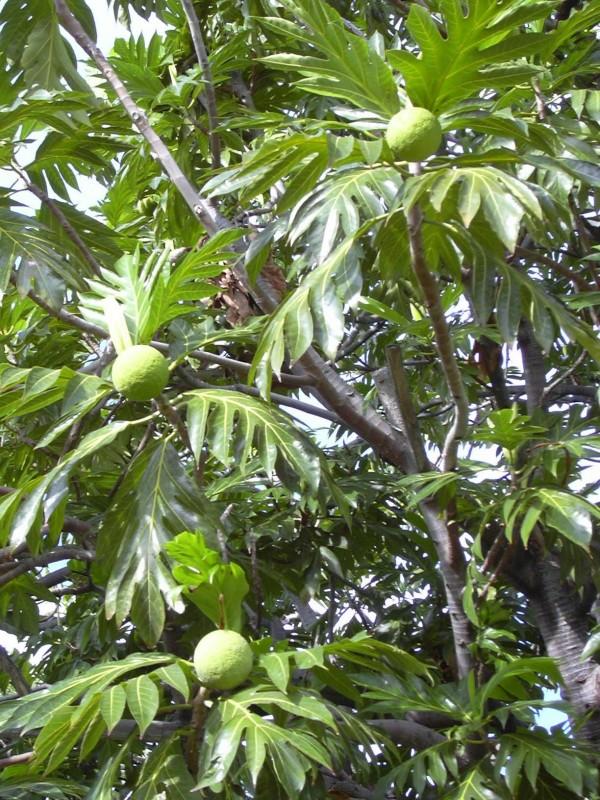
Source: Artocarpus (Wikipedia)
The bark of artocarpus blancoii or Antipolo is known for its antimicrobial properties. Its wood is also used to make furniture.
Kalumpang
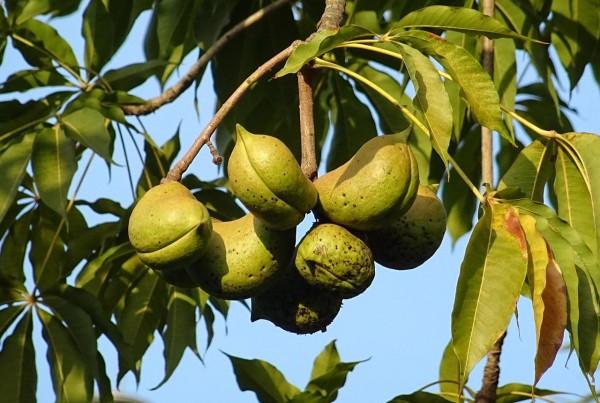
Source: Sterculia foetida (Pixabay)
This tree, scientific name sterculia foetida, bears cacao-tasting edible fruits. The tree's bark is known to treat rheumatism.
Lanzones
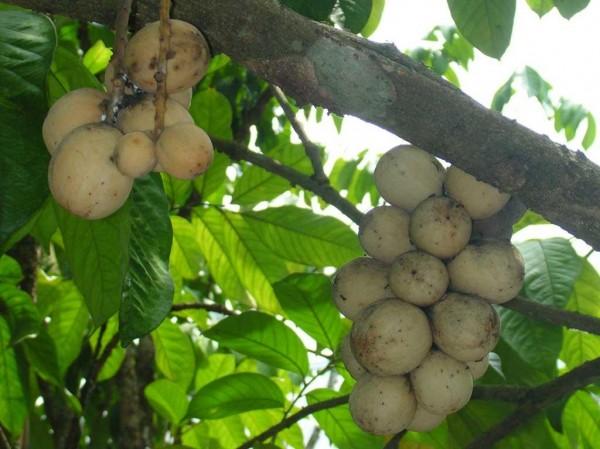
Source: Lansium domesticum correa (Wikipedia)
Lansium domesticum correa or lanzones carries many health benefits. Its fruit alone contains minerals such as iron, manganese, calcium, and potassium. It's proven to contain vitamins A, B, C, riboflavin, ascorbic acid, and fiber. Other health benefits are antibacterial, antimicrobial, and anti-inflammatory properties.
All these properties combined help relieve diarrhea, boost the immune system, regulates blood sugar, treats bloating, helps weight loss, and improves metabolism.
Santol
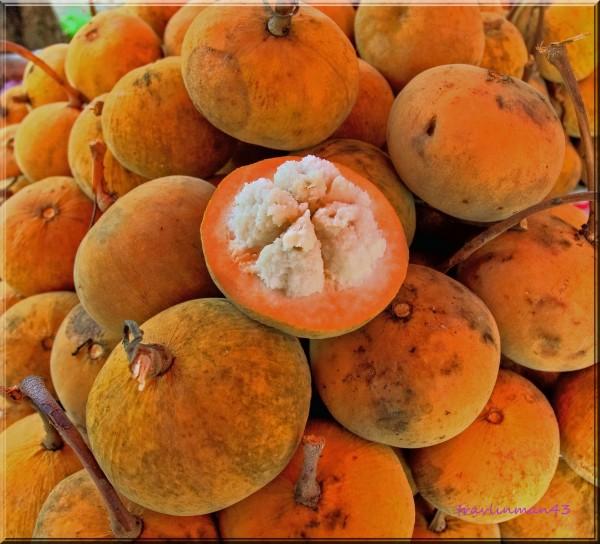
Source: Sandoricum koetjape (Wikipedia)
Sandoricum koetjape or santol is a popular fruit among us Filipinos. Its fruit contains a rich amount of ascorbic acid plus iron and carbohydrates, among others. The santol fruit and its tree bark are used to treat diarrhea and lessen fever.
Lipote

Source: Bulusan Rural Vagabond (Blog)
The fruit of syzygium polycephaloides or lipote is packed with vitamin C. It also has antioxidants and can be used to alleviate high blood pressure, cholesterol, diabetes, and cough.
Bignay
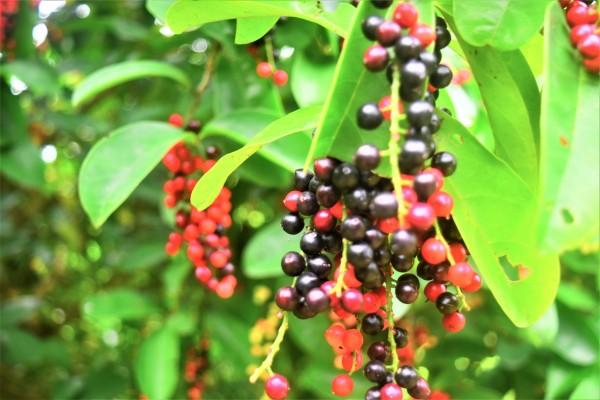
Source: Antidesma bunius (Wikipedia)
The fruit of antidesma bunius or bignay is known for managing diabetes, indigestions, and hypertension. Its roots are used for treating cough while its leaves are rich with natural properties to treat skin disorders.
Interested to plant your own tree at home? You can get in touch with the Department of Agriculture-Bureau of Plant Industry (DA-BPI) Crop Research and Production Support Division (CRPSD) to inquire about free seeds and how to get them (bpi.crpsd.planning@gmail.com; 8525-7313 or 8524-0837).
You can also purchase seeds at plant and garden nurseries such as the Cedarhills Garden Center in Quezon City, and the Tondo Plant and Tree Nursery in Masinop Street in Tondo, Manila.
Another convenient option is to order online via Shopee and Lazada, as both e-commerce sites have seed sellers you can choose from.
