
The better normal of tourism in the Philippines
Around GMA
Around GMA
Balitanghali Livestream: December 24, 2025 'Boga' hurts 2 kids in Iloilo; hit in the eyesArticle Inside Page
Showbiz News
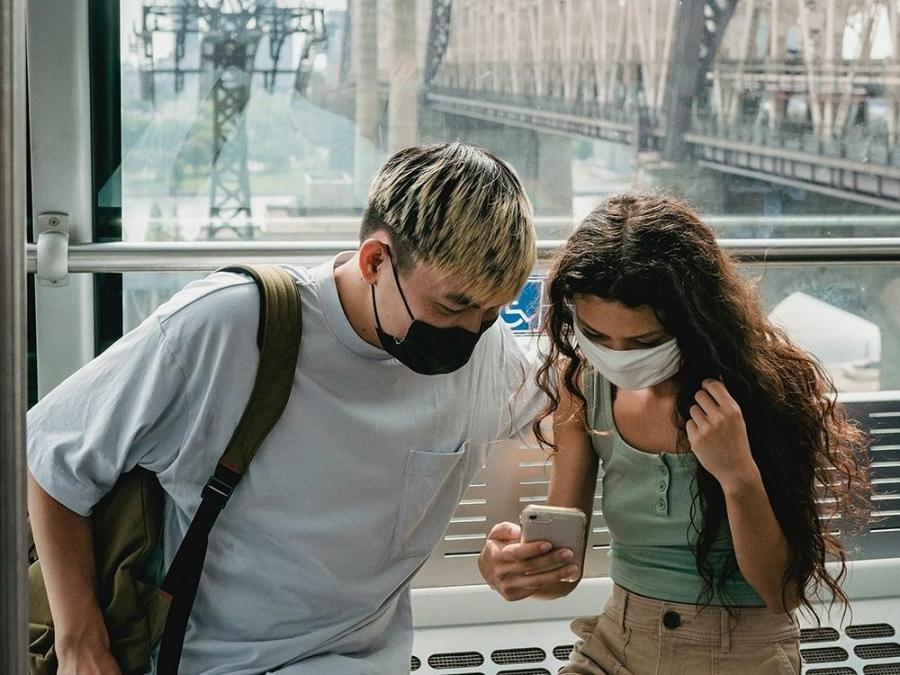
It's time to unlearn our old and bad habits and help usher in not just a new but rather a better normal in traveling and tourism.
It's been nine months since the COVID-19 pandemic interrupted and changed our routines. But if there's anything good we can take from this ongoing crisis, it's that it allowed us to evaluate our practices and required us to improve them.
This resulted in the advent of what we now call the new normal.
However, in an exclusive interview with Roberto “Robby” Cereno, the ecotourism expert and forester invites us to further challenge ourselves to usher in the better normal especially in the tourism industry.
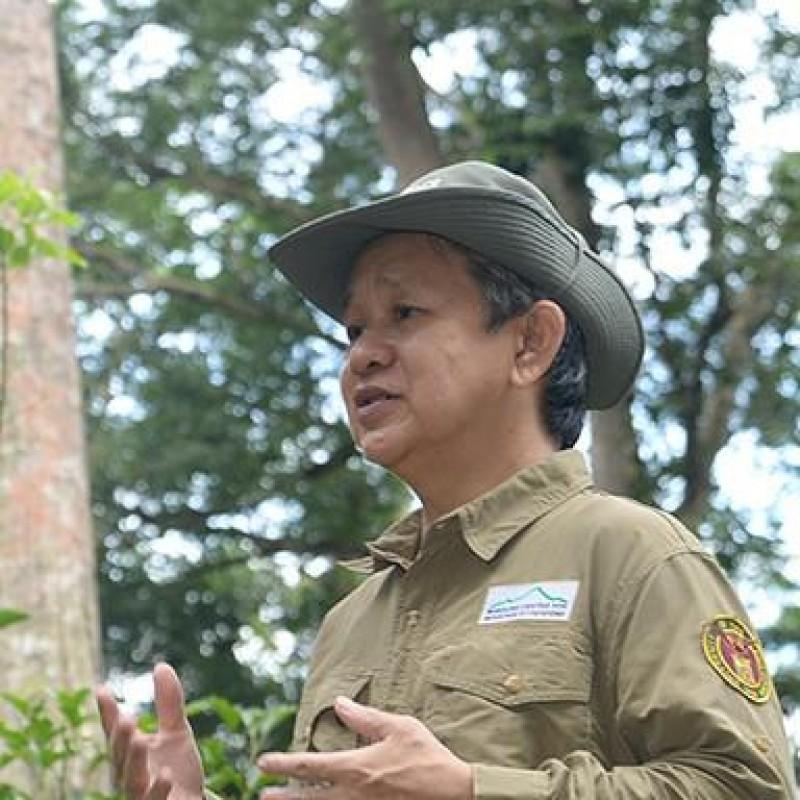
Robby is the Vice Chancellor for Community Affairs of the University of the Philippines Los Baños and the concurrent director of the Training Center for Tropical Resources and Ecosystems Sustainability (TREES) of the College of Forestry and Natural Resources. He is also the former deputy director of the Makiling Center for Mountain Ecosystems and the former head of Makiling Botanic Gardens.
He has been an advocate of ecotourism and has earlier discussed how this segment can help revive the industry amidst the pandemic.
In this second part of his interview, he tells us to unlearn our old and bad habits concerning our travels.
1. Prepare and plan.
Robby cannot stress enough the importance of planning your trips ahead.
By doing this, we get to condition ourselves on what to expect as well as respect the traditions and cultural practices observed in our destination.

From pexels.com
He says, ''Yung better normal na I am referring to, kailangan matuto na tayo na we go to a certain place, we're prepared. Kung ikaw ay mountaineer, kung ikaw ay domestic tourist, be prepared. Alam mo unang-una kung ano nandoon sa pupuntahan mo. Kung ano'ng environment ang nandun so you'll be better prepared. For your own safety din naman 'yan.
“Second, alam mo kung ano'ng traditions, ano'ng kulturang nandoon sa pupuntahan. Kasi alam mo may mga culturally sensitive communities na pinupuntahan ng kung sino-sinong tao kaya nasasaktan din 'yung local people eh. Naba-violate 'yung kanilang privacy, naba-violate 'yung kanilang kultura.”
To put this into practice, Robby suggests avoiding doing DIY activities or traveling in big groups that make you overlook proper procedures and protocols.
He explains, “So 'yung better normal natin sa tourism, it's planned. Wala na dapat 'yung DIY. Kailangan 'yung merong pre-booking so that ang managers, 'yung mga magre-receive sa atin sa destination will know how many are coming, who is coming. Eto 'yung kanilang dapat i-prepare. And then alam nila, accounted nila kung ano 'yung carrying capacity ng kanilang destination, para hindi nag-e-exceed, hindi nasisira.
“Lalo pa ngayon meron tayong tinatawag na COVID-19 restrictions. Alam din nila kung sinong dadating, walang COVID[-19], walang sakit na makakahawa sa locals.”
2. Implement a calendar.
For Robby, it's also better in the new normal for tourism activities to implement and follow a calendar. He believes that seasonal operations will benefit tourists as well as the environment.

From pexels.com
He illustrates, “Ako matagal ko na ina-advocate sa mountaineering community na dapat merong tayong dalawa o tatlong buwan sa isang taon na walang aakyat sa bundok. That's the time na July, August, September, 'yan ang pinakamataas ang rainfall, pinakamataas ang probability na maaksidente tayo, malunod, madulas, malimatik sa mga gubat. Dapat walang tao sa mga bundok. 'Yan 'yung time na dapat maka-recover 'yung mga bundok. Mag-treeplanting tayo, mag-ayos, maglinis ng mga trail, mag-riprap ng trail. 'Yan 'yung restoration phase.
“Sa better normal, hindi dapat 365 days ang mountaineering or ecotourism. And then 'yung months na 'yun, 'yung July, August, September, i-devote natin doon sa mga destinations like beaches, pwede 'yan. Urban tourism, punta naman tayo sa Intramuros. Punta tayo sa mga museum. 'Yung ibig sabihin ko, papahingahin natin 'yung bundok. Papahingahin natin 'yung mga destination.”
3. Local industries should focus on their primary livelihood.
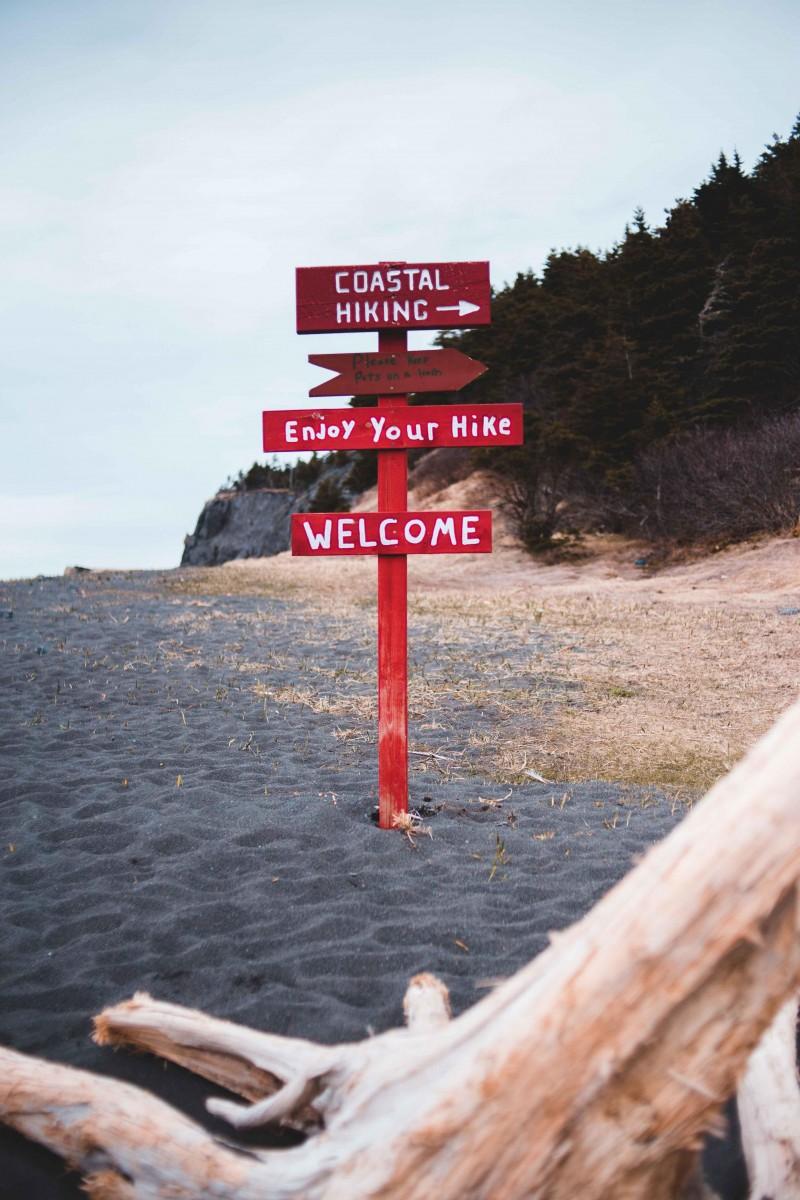
Robby has emphasized that destinations should have unique selling points that give them an advantage or distinction from other tourist spots. This also includes his suggestion for local communities to prioritize their basic livelihood.
One of his examples include the coastal regions where residents have prioritized tourism activities overfishing. Because of this shift in activities, prices for commodities that were once easily accessible and abundant in the area have risen.
From pexels.com
He says, “Dati fishermen 'yan eh. Kaso nung nag-influx ang tourists, kinalimutan nila 'yung pagiging mangingisda nila. Ano ginawa nila? Nag-operate sila ng kanya-kanyang boats.
Moreover, prioritizing the primary industry of a local community allows its residents not to totally depend on the arrival of tourists.
Robby continues, saying, “Tourism is just secondary. Pang-secondary livelihood lang dapat 'yan. Ang problema itong mga tao natin sa coastal areas, mga barangay nakakalimutan nang mangisda. Pati mga anak nila ayaw nang mangisda, gusto nalang mag-waiter, mag-serve sa restaurants.
“Ang kailangan natin sa better normal 'wag kalimutan ng local people 'yung kanilang basic industry. If they're in farming, continue your farming. If you're in fishing, continue your fishing. Hindi niyo dapat kinakalimutan 'yan para 'pag walang tourist, tuloy lang kayo.”
4. Lessen the use of plastic and disposables.
Robby reminds us that COVID-19 is believed to result from the unsanitary consumption of bats and that we should give higher regard to nature if we want to avoid further catastrophe.
A simple yet effective practice for this is by avoiding the use of plastic and disposables.
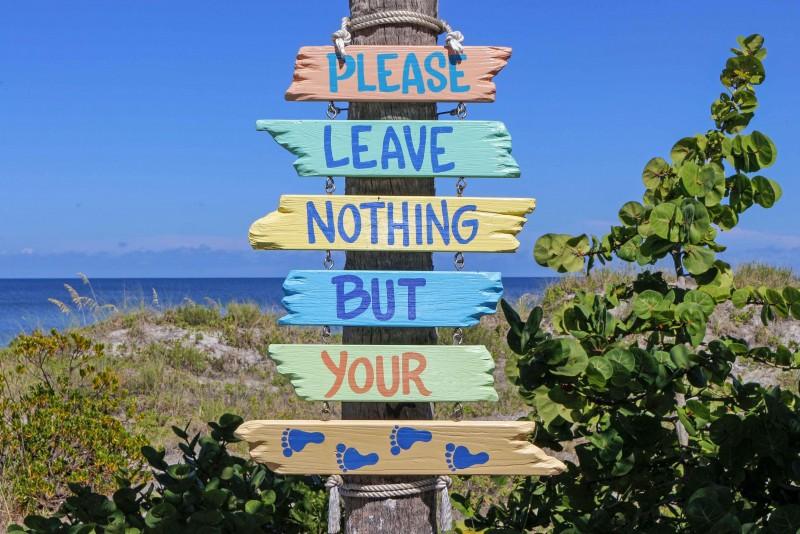
From pexels.com
He encourages us, saying, “Let's decarbonize. Once and for all, kalimutan na natin magdala ng mga throw-away, mga plastic. Pagpunta natin sa mga bundok, sundin natin 'yung sinasabi na wala na tayo dapat iiwang lata. I-pack na natin 'yung mga pagkain natin sa mga lock n' lock, Tupperware. Wala na tayong lata, wala nang plastic na iaakyat sa bundok kasi dadalhin din natin 'yun pababa. I-pack out natin ang ating trash pababa.
“Let's do away with all kinds of plastic.”
5. Broaden and standardize the practice of tracing and monitoring.
Robby recommends making use of our digital and electronic technology to strengthen efforts for contact tracing, tracking, and health monitoring.
A few examples of this include the Visita app, a visitor information system used by the Masungi Georeserve as well as the PasigPass, the contact tracing solution utilized by Pasig City.
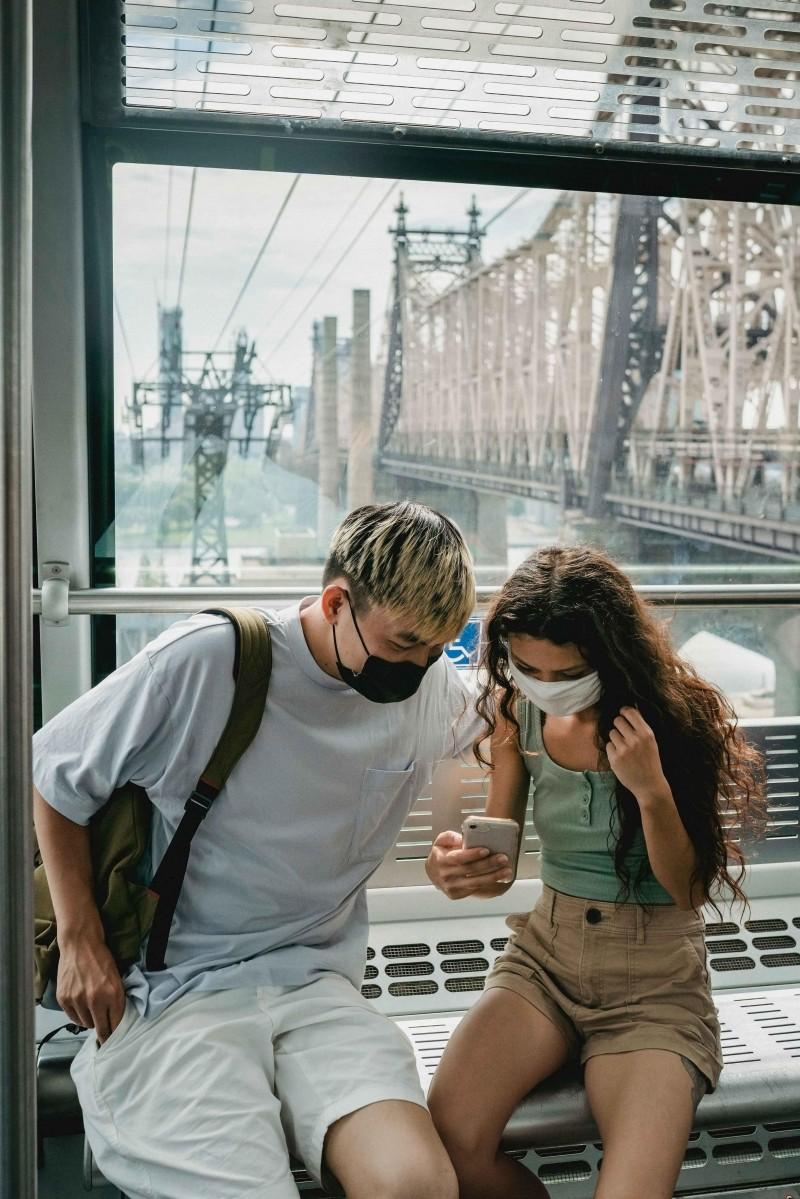
From pexels.com
He says, “Sa national government, i-implement na natin talaga 'yung tracking. Sana lahat, sa DENR meron nang standardized na parang safe pass system, nationwide booking system. May booking system na outright, ilang days palang alam mo na, 'Ay hindi tayo pwede pumunta sa weekend na 'yun sa ganung place, fully-booked na.' That's for the DENR sana na i-establish.”
While he has listed a few ways to improve our practices in the new normal, he also highlights that the improvement we want to happen rests in our hands.
He concludes, “Hindi lang national eh. 'Wag natin ibato lang halos lahat ng efforts sa national government. Hindi tayo dapat aasa sa action ng government eh. In our own ways, sa ating mga club, kunwari sa ating mga mountaineering clubs, mag-implement tayo ng kanya-kanyang protocol, etiquette.
“Ibig sabihin, nasa level na dapat ng clubs 'yung disiplina o nasa level ng bawat tao, 'di ba. Tao, sa bawat tao, sa ating sarili dapat 'yung disiplina. Wag tayong umasa masyado, itinatapon natin masyado 'yung responsibility sa protection ng ating environment sa gobiyerno. It shouldn't be. 'Yung ganung responsibility, nasa tao rin sa ating personal level at sa level ng ating mga club, ating mga group.”
If you're ready to head to the great outdoors, be ready to welcome new and better ways for tourism, too!
