
The curious history of Pinoy Noche Buena staples
Around GMA
Around GMA
Karl Eldrew Yulo qualifies for floor exercise final in Baku leg of Gymnastics World Cup Sayran nato ang dagan sa Panahon karong Adlawa March 5, 2026 | Balitang Bisdak New Engines, New Faces: Meet the F1 drivers of the 2026 seasonArticle Inside Page
Showbiz News
Just like Christmas, the food that is commonly eaten and served during the holidays can be traced to Spanish colonizers.
The Christmas season provides us the perfect excuse to be merry and feast on for days and days.
Although Noche Buena food items differ from one region to another, some are inherently present in most homes when Christmas Eve struck.
Here are some of the traditional Noche Buena staples that we all grew up with and their roots in our culture.

Queso de Bola
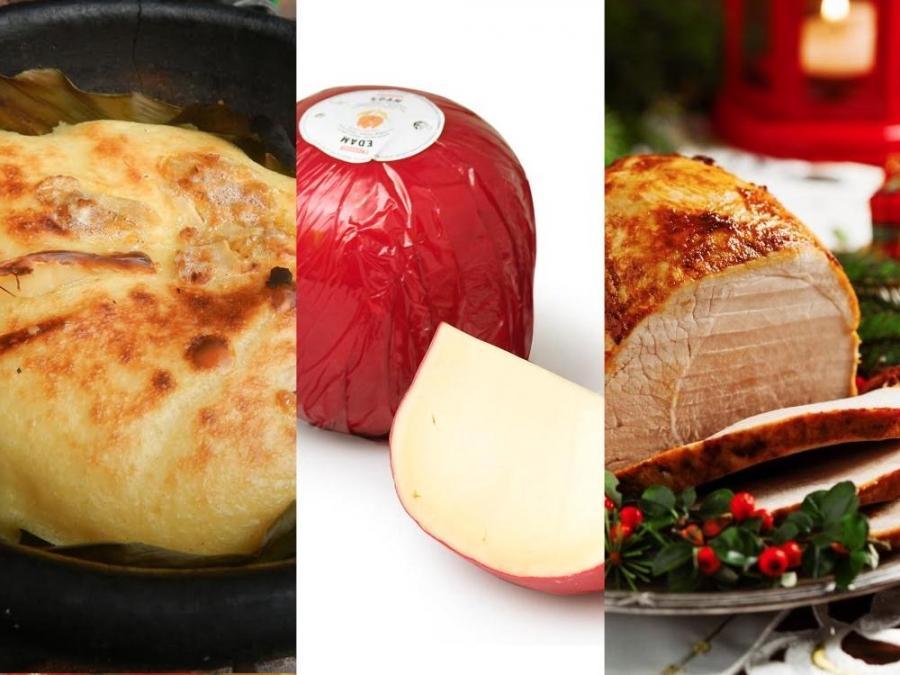
Edam cheese or queso de bola has been introduced to us during the Spanish period.
However, it wasn't the Spaniards who brought it but the Dutch.
Apparently, the Dutch would engage rival Spaniards in naval battles in some parts of the country.
While colonizing the Philippines turned out to be an exercise in futility, the Dutch's lingering presence from a distance meant that their food would occasionally find its way on our shores.
It was most likely that queso de bola changed hands during those secret trades between the locals and the Dutch.
Interestingly, queso de bola - perhaps because of its red color - is also a Christmas staple in other countries like Sweden and Norway.
Hamon
The jamon de bola or hamon is said to be a delicacy that originated from pagan and early religious rituals during sacrifices and feasts.
Some believe that Catholicism adopted the tradition as it began to widen its reach and influence across the globe.
The Spaniards subsequently bring this mouth-watering dish to the Philippines when they arrived.
It was probable though that the affluent were the only ones who enjoyed hamon on their tables during the holidays.
Fortunately, times have changed and we could all now afford to serve delicious hamon during Christmas.
Puto Bumbong
If the hamon was food for the wealthy back in the day, the puto bumbong was its antithesis.
This purple, chewy rice cake gained popularity among farmers who were looking for something to snack on after the dawn masses in December during the Spanish time.
This tradition lives on and we're sure to see rows of stalls selling puto bumbong even as early as September to signify the coming of the Christmas season.
Bibingka
The rise of the bibingka as a snack predates the Spanish occupation.
This kakanin subtype is already a staple in Southeast Asia particularly in Indonesia even before the arrival of foreign colonizers.
A rice cake topped with egg, butter, sugar, and is placed on a banana leaf, the bibingka found its niche among dawn mass attendees craving for something warm and delightful to eat before going home.
Castañas
Roasted chestnuts are Chinese in origin. However, our fondness for roasting it came from the Spaniards.
The theory is that roasted chestnuts can keep the body warm during the cooler months that's why it found its place on the Christmas table.
Tsokolate
Speaking of warming the body, the tsokolate or chocolate drink got the job done at least for those who could afford it in the past.
Tsokolate made from roasted cacao is a beverage enjoyed by the rich and affluent during the Spanish time. This alone makes it a special drink befitting of the joyous Catholic occasion.
The passage of time and the departure of the Spaniards made the tsokolate accessible to all.
What didn't change, though, is its place among the Noche Buena staples on the hearts and tables of Filipinos. It's worth noting though that serving tsokolate nowadays is more popular in some parts of the country than here in the city.
