We use cookies to ensure you get the best browsing experience. By continued use, you agree to our privacy policy and accept our use of such cookies. For further information, click FIND OUT MORE.
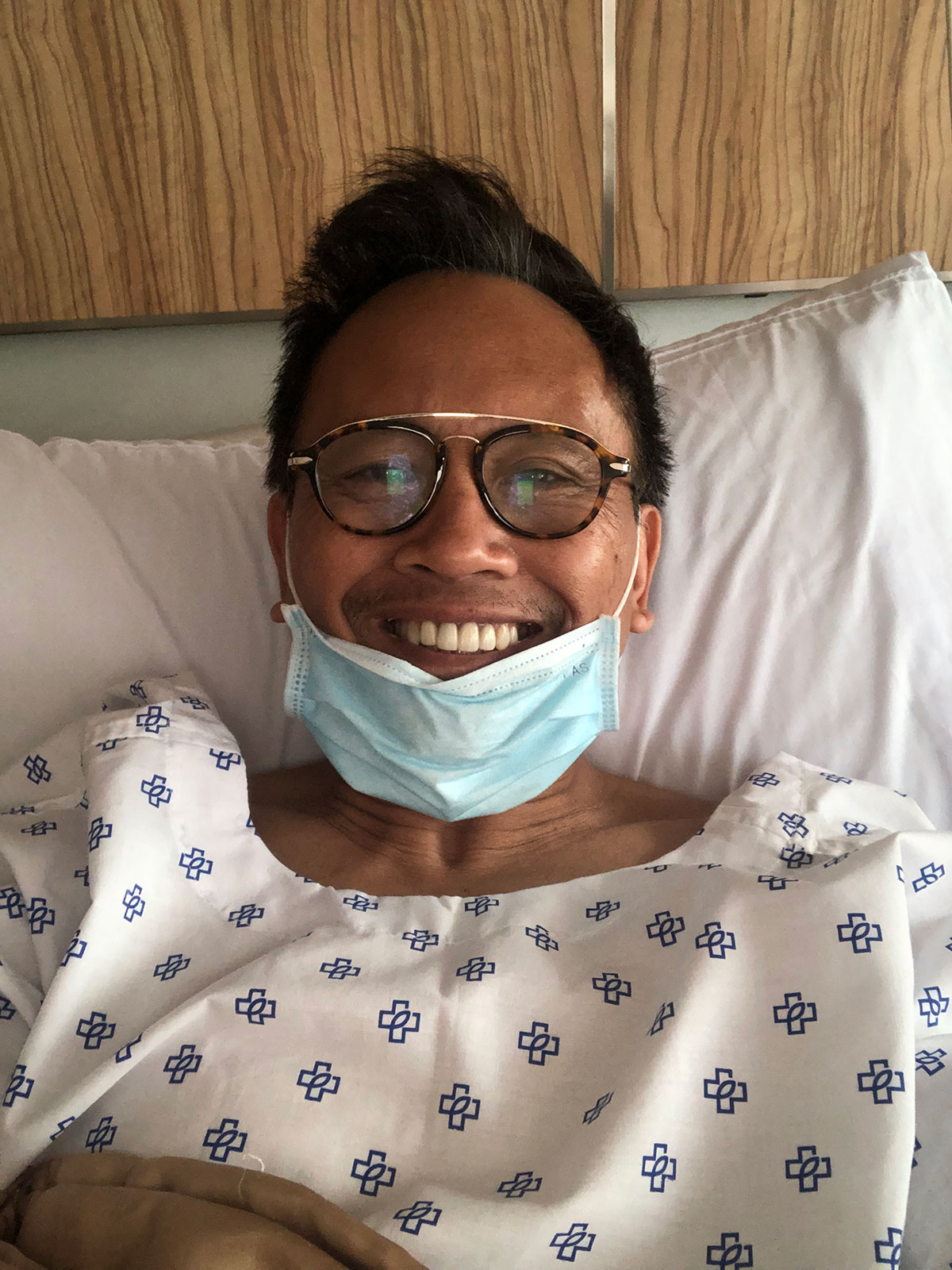
Most of us take human companionship for granted until it’s taken away. That’s what happens when you’re a COVID-19 patient. Unlike any other illness, this one imposes a ban on visits by your loved ones. No one you know can even peek inside your door to say hello and ask how you’re doing.
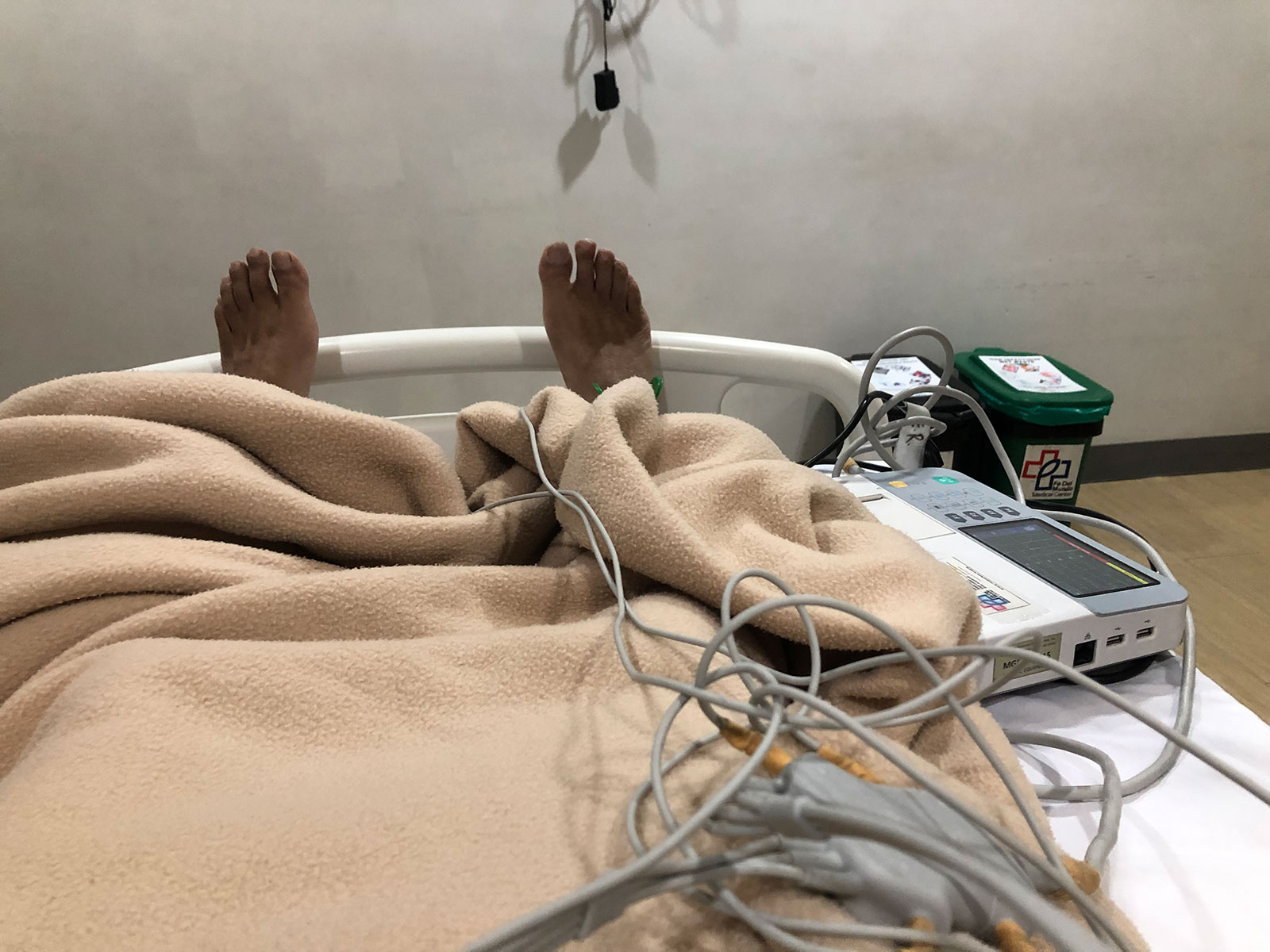
You spend all day and all night lying in bed in a room by yourself worrying about whether you will live or die. Sleep is a struggle.
That takes a toll on the patient’s emotional and mental health.
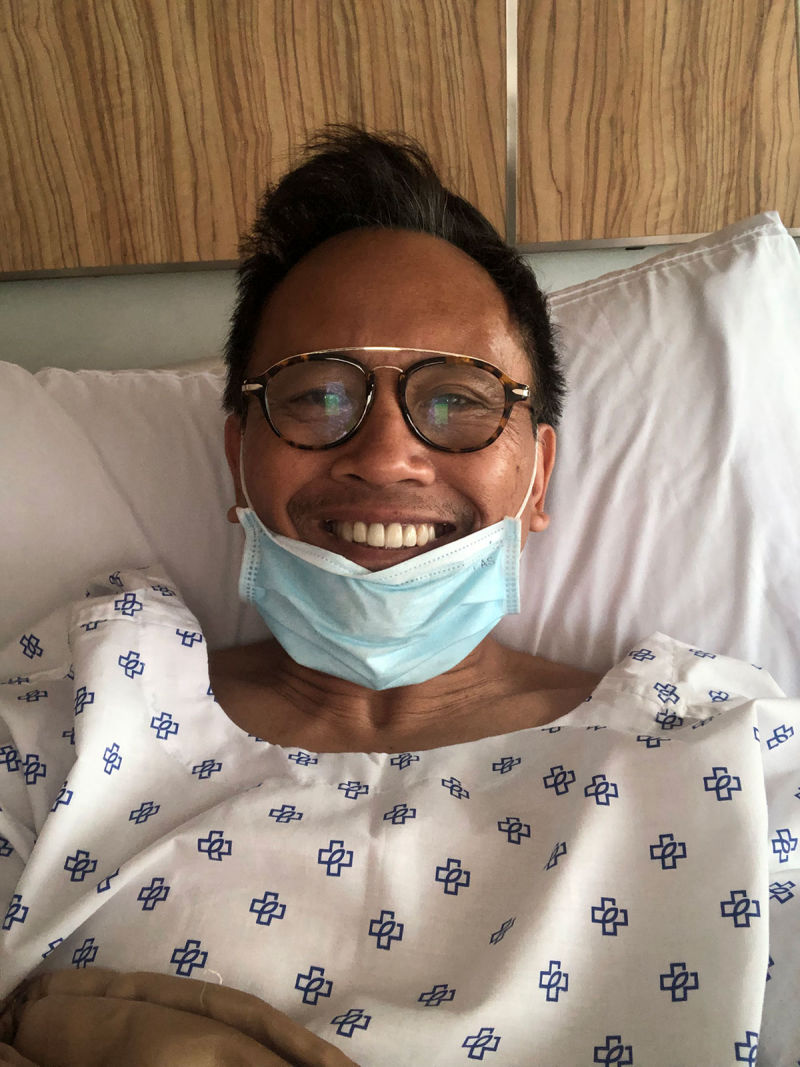
After I survived COVID-19 and 11 days in isolation in a hospital, one of my main takeaways is that while heroic health professionals exhaust themselves trying to cure you of this terrifying disease, no one is looking after the patient’s mental health.
We know that morale and state of mind are large factors in our physical well-being, and could affect our chances of survival.
I found this out the hard way, after several days of solitude and feeling very weak. With my fate uncertain, my morale plummeted and i felt like giving up. My calls to my wife became desperate cries for help.
Rather than feel helpless, my resourceful wife came up with a master stroke. She called up a nursing agency and hired a private nurse to just be with me, PPE-garbed and all.
At first, I resisted, testily insisting I wanted to be like any other patient, suffering alone. My wife wouldn’t listen.
The nurse who showed up, Gab Lazaro, seemed handpicked, although he had volunteered for COVID-19 duty not knowing who his patient would be.
I thought at first that he would just be an extra pair of hands to assist the other nurses as they did the daily electrocardiogram that monitored the risk of cardiac arrest from my medication.
I quickly discovered we had a mutual interest in college and professional basketball, including hoops history going back to the 1980s.
Then he confided that he was an avid viewer of documentaries, and wished someone would do a documentary on the work of frontliners inside their dangerous workplace.
I told Gab, why not you, I’ll teach you!
After his initial excitement, he tempered it with a realization: There are too many privacy issues. COVID-19 after all is the most stigmatized disease.
I told him you only need two subjects, yourself as the frontliner and your patient, me. And we’re both allowing ourselves to appear on camera.
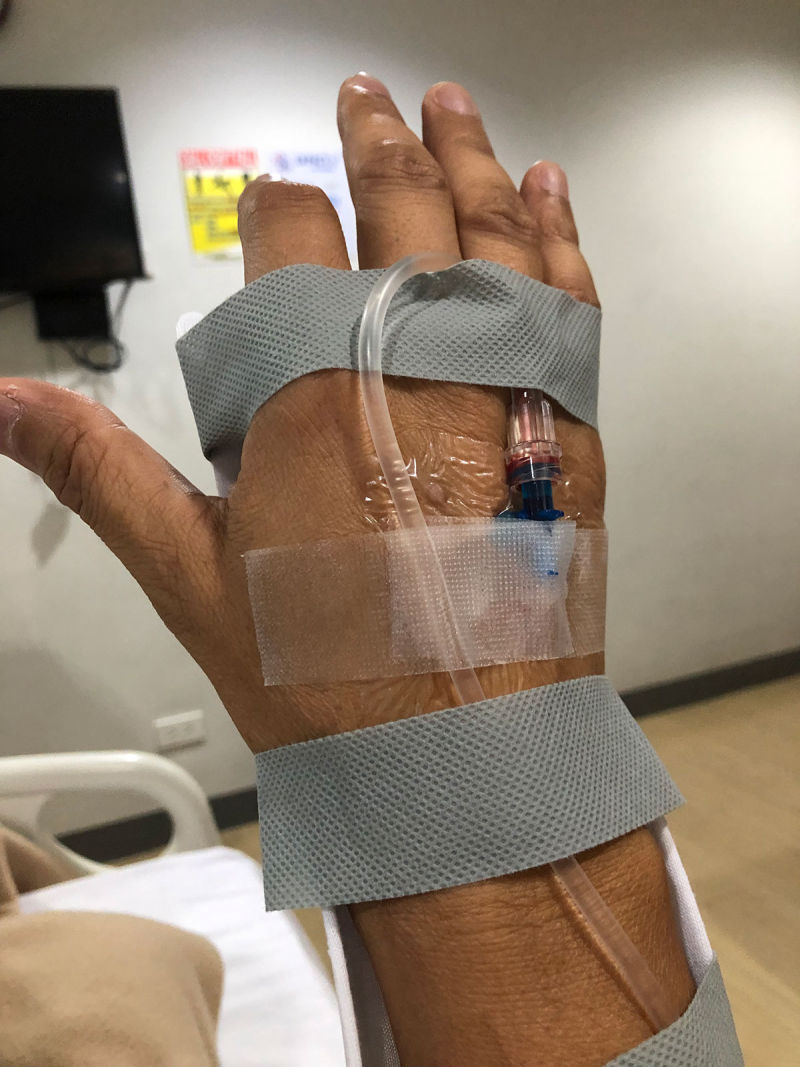
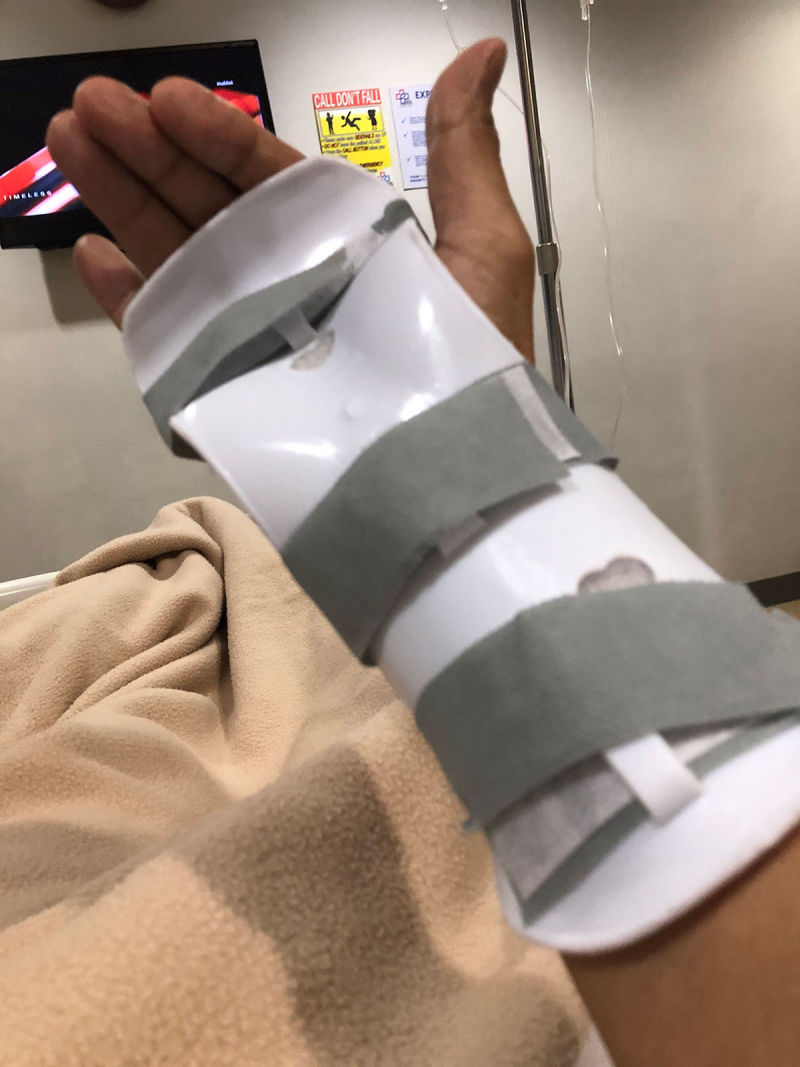
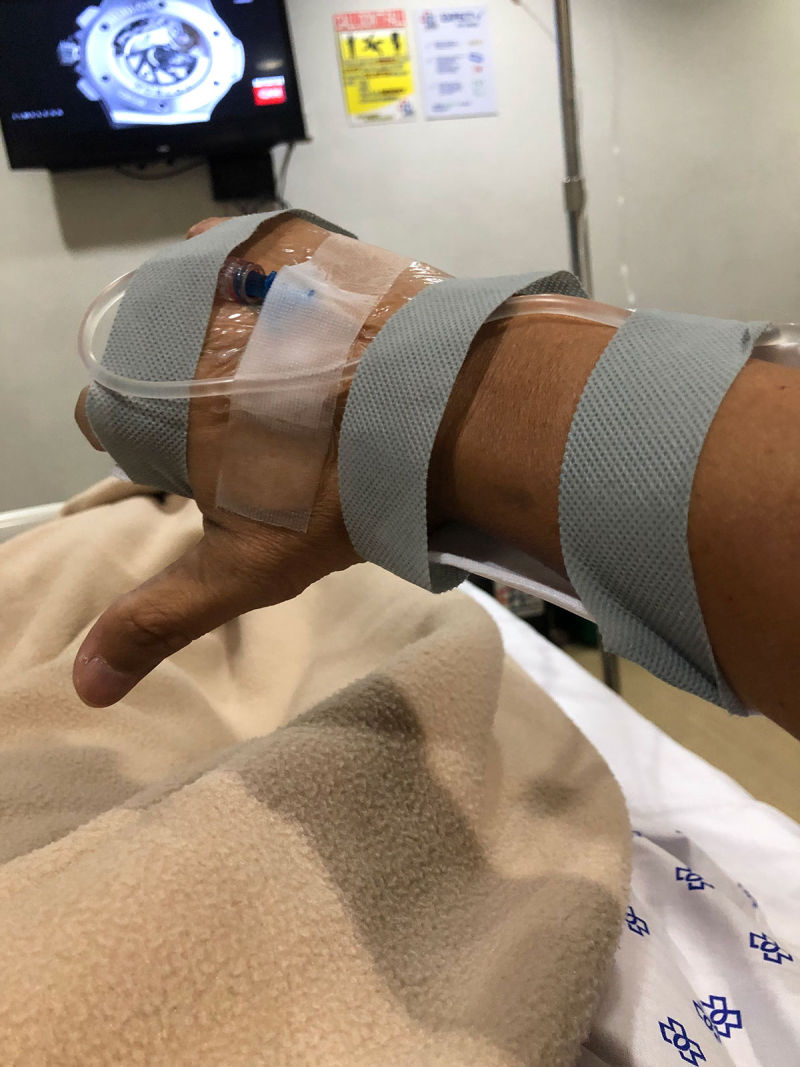
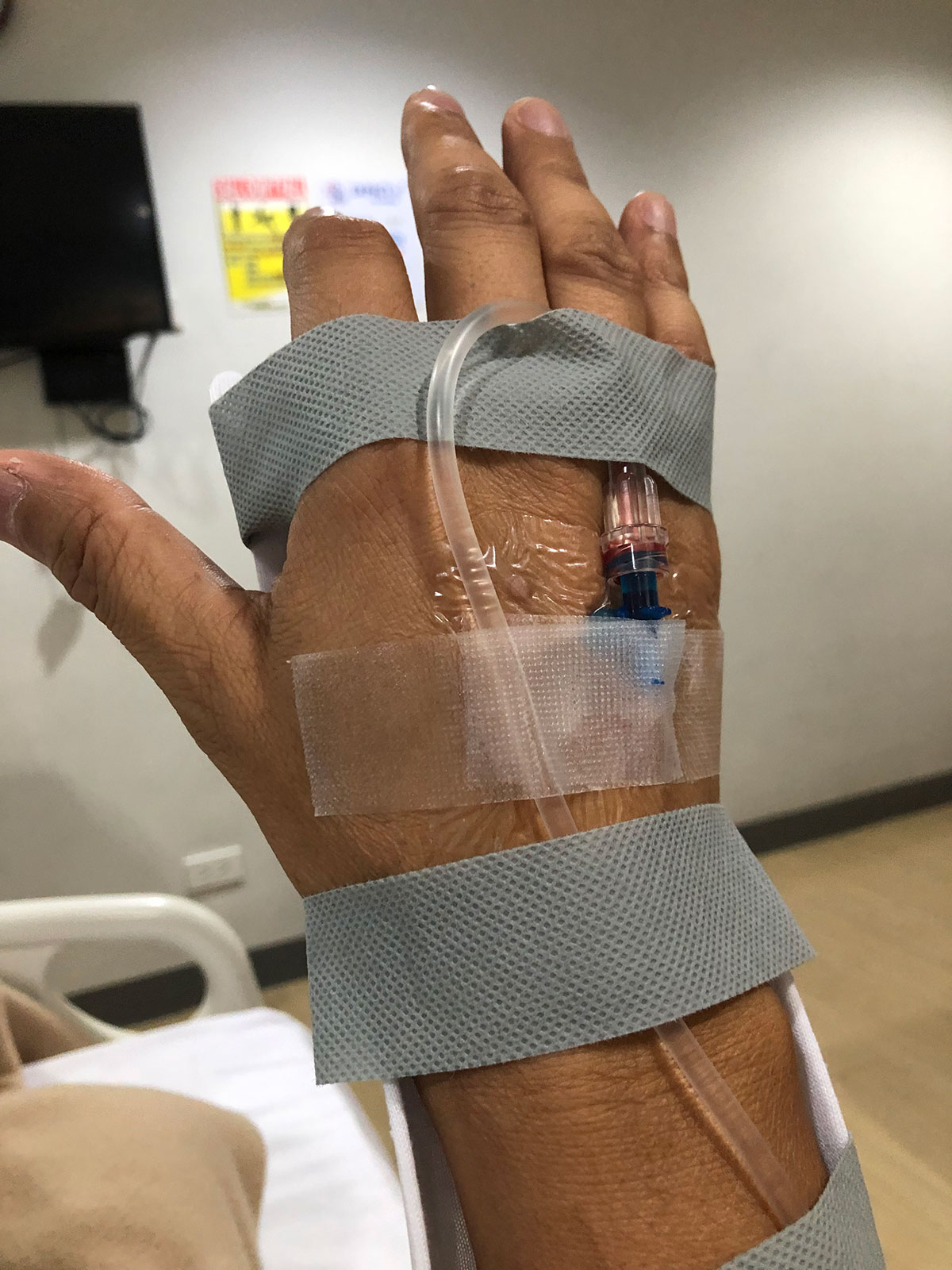
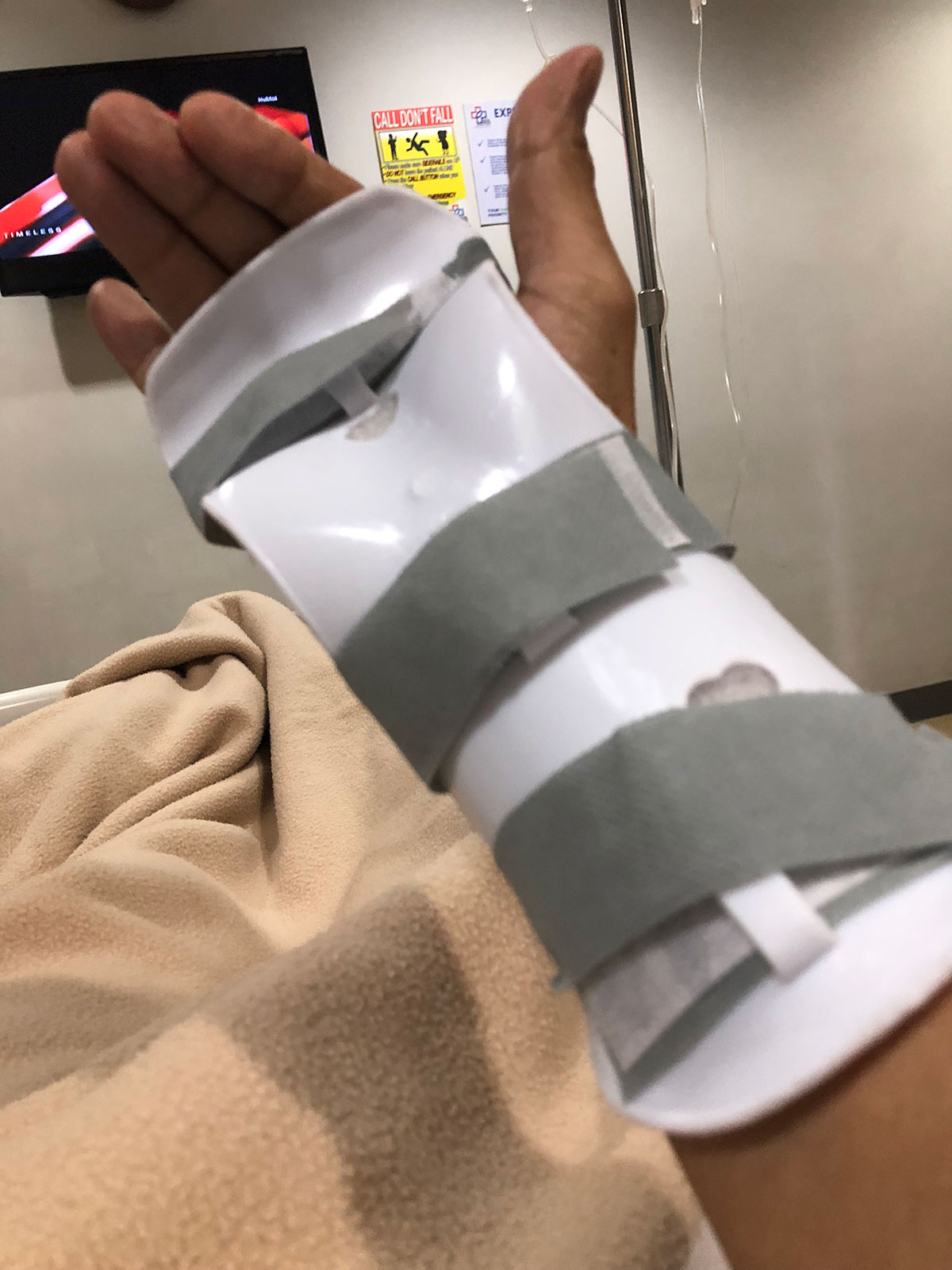
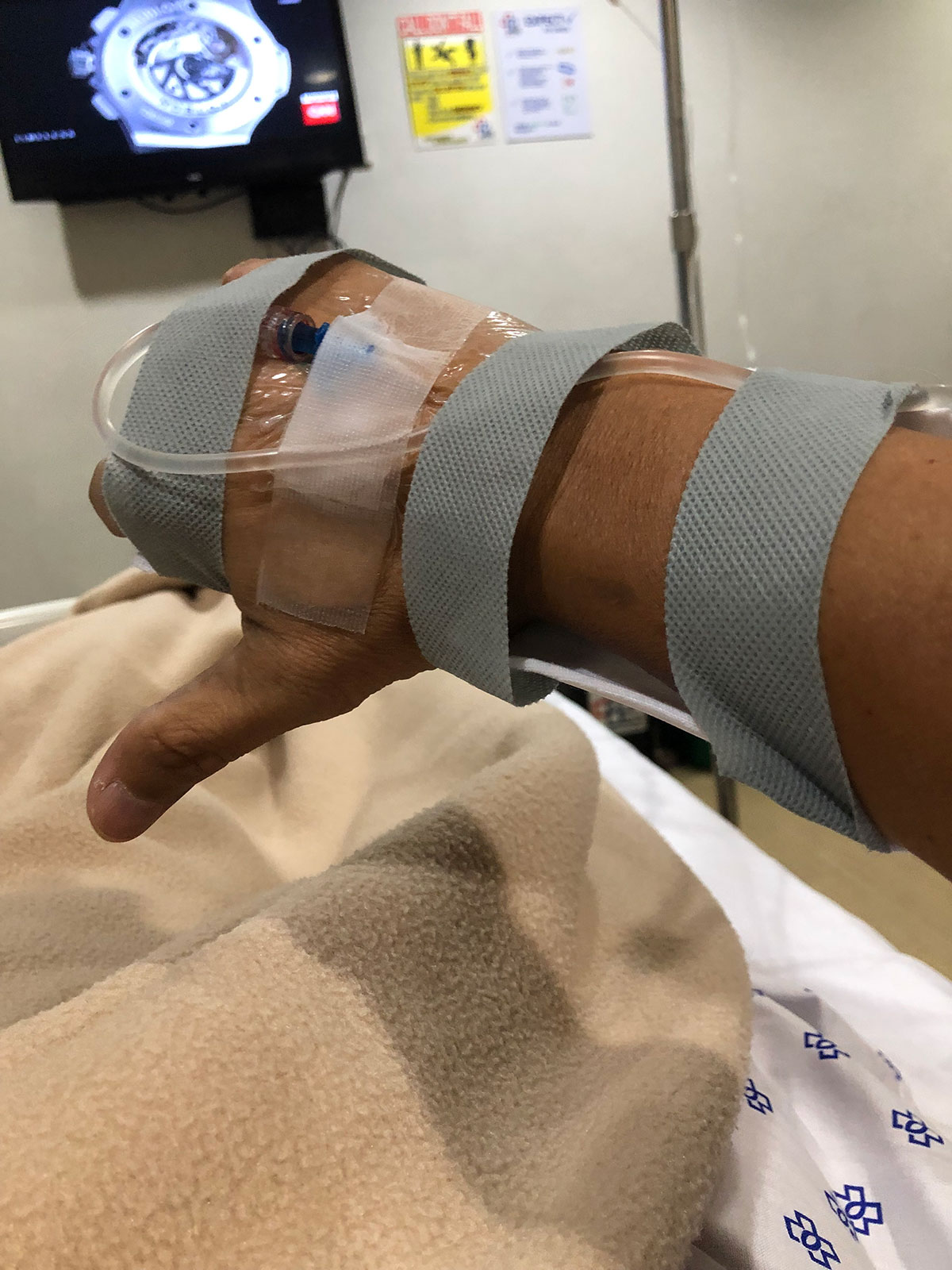
I’ve been training young people in journalism much of my adult life, but this was surreal. From my hospital bed, while attached to an IV line on a pole, I was showing Gab how to use his phone to capture the details of our forbidden place, the isolation quarters of a covid patient. I sent him links to online tutorials.
He shot the other nurses, none of whom minded since they were all unrecognizable in their PPEs, as they performed tests on me, and inserted and removed needles. I taught him that if he shoots any action he must have a reaction, which in my case was often a grimace in pain.
I taught him shot length and zooming with your feet, the reverse shot and the tracking shot in the hospital corridor, pans and tilts, the POV.
This unexpected apprenticeship was a godsend for someone who had just plumbed the depths of despair. It gave me purpose and something to look forward to, a unique collaboration between frontliner and his patient. There were times when I even stopped thinking about my illness, my mind filled with sequences that Gab could shoot.
I told him to record his long walk home in the dark, his life in his lonely apartment, and his transformation in the hospital from civilian threads to the layered armor of a frontline warrior. A fast and enthusiastic learner, he executed these with the polish of a veteran.
He interviewed me and I interviewed him. He was remarkably articulate, gifting me with lines that would later be quoted by viewers on Twitter like, “Minsan lang ako lalakad sa mundo, magkaroon ako ng silbi.”
I told him to record himself FaceTiming with his two-year-old daughter Gabrielle, who was at her grandparents’ home, separated from her father since the quarantine began.
“I have fears,” he told me in Filipino. “But I want my child to be proud of me some day, to say that her father served during this time.”
I wanted him truthfully portrayed as an ordinary person with a job that required extraordinary courage every day, like every other frontliner .
We were together just the two of us when he quietly celebrated his 40th birthday, which was just another day in our battle against the virus.
He was with me recording my discharge from the hospital when other frontliners surprised me with cheers as I exited.
In the end, his constant companionship and our collaboration cured the overlooked affliction of loneliness that accompanies every case of COVID-19.
Frontliners are often and rightfully credited with saving lives. But my case shows they can also save your mind and morale just by being there keeping you company; and in one rare instance, collaborating on a creative endeavor that became an I-Witness documentary.
I’m safe at home now on my way to full recovery. Gab texted me yesterday to say he’s back on the front lines, taking care of another lonely, gravely ill patient.