
We use cookies to ensure you get the best browsing experience. By continued use, you agree to our privacy policy and accept our use of such cookies. For further information, click FIND OUT MORE.
Opening the eyes of children to topics about sex and sexuality has never been easy, especially in a country like the Philippines where culture, religion, and social norms play a huge part in raising a child.
Parents are the teachers at home, but teachers are the parents inside the classroom. Even if parents are supposed to be their children’s first sexuality educators, teachers are mandated to give lessons on Comprehensive Sexuality Education (CSE), which is currently integrated in the curriculum for Kinder to Grade 12.
As policymakers and advocates spar on when and how CSE should be taught, GMA News Online immerses in a class of Grade 4 public school students as they are taught lessons on sexual health.
In this cover story, educators, doctors, government officials, experts, parents, and the pupils themselves are asked for their insights if sexual education in the Philippines has crossed the line, or is still a long way to go in guiding the Filipino youth.
IN ONE OF THE CLASSROOMS at Balara Elementary School in Quezon City, Grade 4 students listened intently, not a naughty smile on their faces, as their teacher stood in front of a television screen with the words, “Sexual Health Clinic,” on full display.
That Wednesday morning, almost 40 students of this section aged 9 to 10 years old were getting lessons on hygiene, such as the use of sanitary pads or napkins. This then shifted to topics on sexually transmitted diseases (STDs), types of contraceptives, and health services.
Teacher Gilbert Miral said his pupils have long stopped laughing when terms such as penis and vagina are brought up in class. The children have come a long way from their first lesson.
“Sa una talagang may ngumingiti, may tumatawa. Pero kapag na-use to it na sila, wala na. And you have to be confident in pronouncing or telling those terms din. Kasi kapag nanggaling sa teacher 'yung natatawa ako, uy, tama ba ito or like that, siyempre, what will you expect sa mga bata?’’ said Miral, a teacher of Science and MAPEH or Music, Arts, Physical Education, and Health.
(At first, there were some students smiling, laughing. But when they get used to it, these reactions go away. And you have to be confident in pronouncing or telling those terms, too. Because if the teachers themselves laugh or doubt what they are saying, well, what will you expect from the children?)
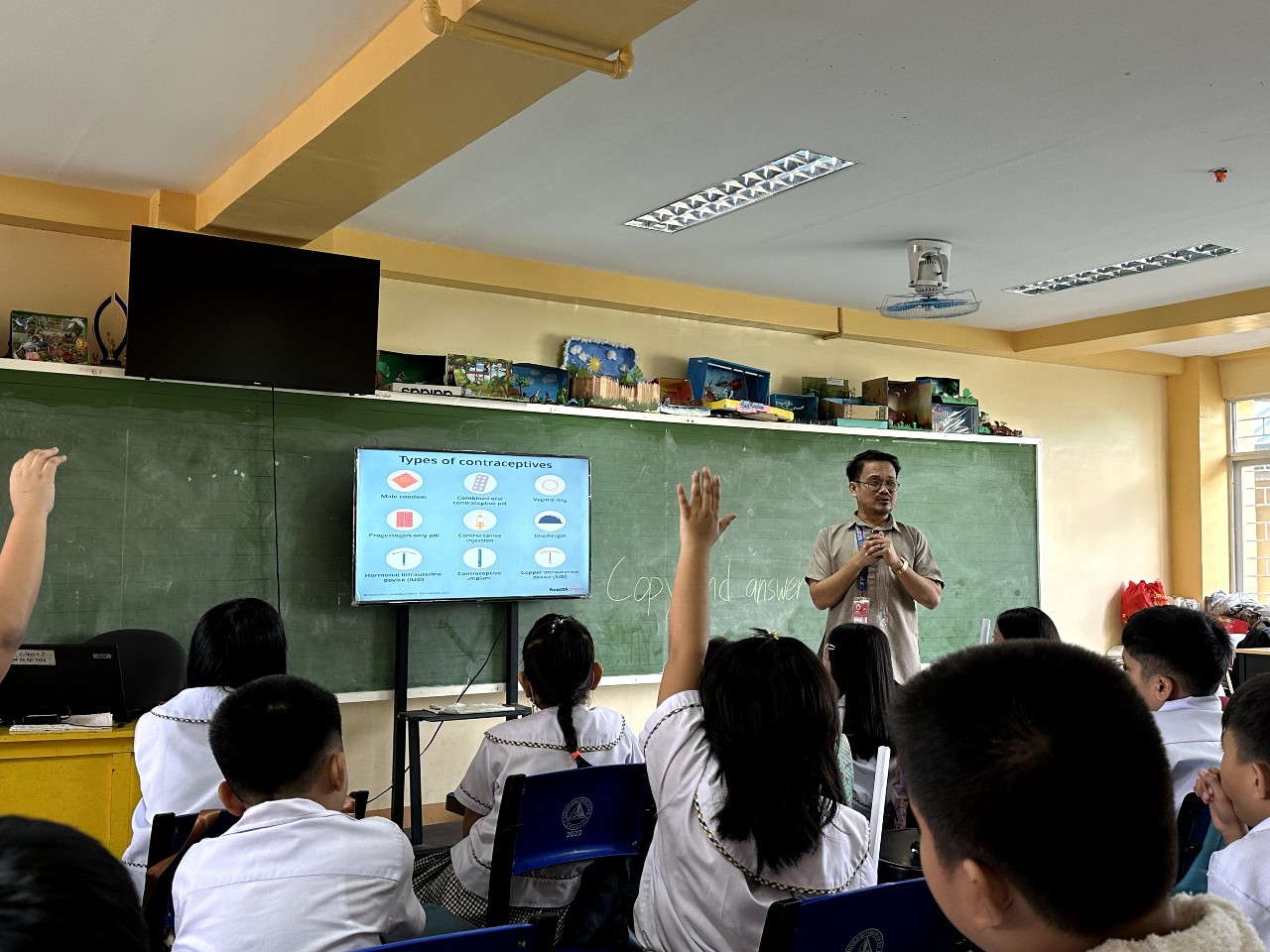
Gilbert Miral, a Science and MAPEH teacher, lectures his Grade 4 students at Balara Elementary School in Quezon City about sex education. He discourages his pupils from using terms like "birdie" and "pototoy," and speaks to them with direct language such as "titi (penis)" and "kiki (vagina)."
According to Miral, it only took the students one day to understand that this was no laughing matter.
“Hindi naman po ako nadidirian sa sinasabi po. Nakikinig na lang po ako sa mga sinasabi po ni sir,” a 9-year-old boy said when asked what he thought about the lessons.
(I’m not disgusted by what is being discussed. I only listen to what our teacher is saying.)
Miral said lessons on comprehensive sexuality education (CSE), integrated into the Department of Education’s (DepEd) basic education curriculum, are infused into grade school subjects like MAPEH and Science, which tackle topics like the reproductive system and puberty.
“Kapag nagtuturo ako ng reproductive system, ang ginagamit ko nang term ‘titi,’ ang ginagamit ko nang term ‘kiki,’” Miral said, explaining how he teaches CSE to his pupils. “Hindi naman sila tumatawa na kasi I've explained to them that that's the right term to use.”
(When I teach the reproductive system, I use the term penis and vagina... They’re no longer laughing because I’ve told them that those are the right terms to use.)
He discouraged the use of terms like “birdie” or “pototoy” to refer to the male organ, citing an incident that was told to him while he was attending a seminar on CSE.
He recalled that a young girl had approached her teacher and shared that her uncle had been showing her his “birdie,” but the teacher brushed it off, thinking that the student was referring to a pet bird. He said it was only when the student burst into tears the following days that the teacher realized that there may be something more disturbing to the story.
To remove the stigma associated with reproductive organs, Miral underscored the importance of teaching these topics at a young age. His approach includes using children’s books like “Ako ay may titi (I have a penis)” and “Ako ay may kiki (I have a vagina)” in educating his students about their private parts.
The books, published in 2020, sought to educate young boys and girls about their genitals and the corresponding personal hygiene at a tender age.
“I believe if that would be [taught] to them, like ako ay may titi, ako ay may kiki, normalizing their use of the appropriate term of the private part, malaking bagay po,” Miral said.
(I believe that it would be a big help if that would be taught to them—that they have a penis and a vagina—by normalizing their use of the appropriate term of the private part.)
This, Miral said, is why it’s important for young students to use appropriate terms.
“Sabi ko sa kanila, see? Na-address ‘yung problema ng bata na siya pala ay na-ano ng kanyang sariling relative na nakikitira sa bahay nila,” he said.
(I told them, see? The problem of the child was addressed where she was being [harassed] by her own relative at their home.)
“And if may mangyari din sa inyong ganyan, then you have to report the incident to your teacher and we're also willing to help that kind of situation. Pero mas importante ‘yung maisabi ninyo sa inyong mga magulang,” he added.
(And if something like that happens to you, you have to report the incident to your teacher. We’re also willing to help in that kind of situation. But, more importantly, you need to tell your parents.)
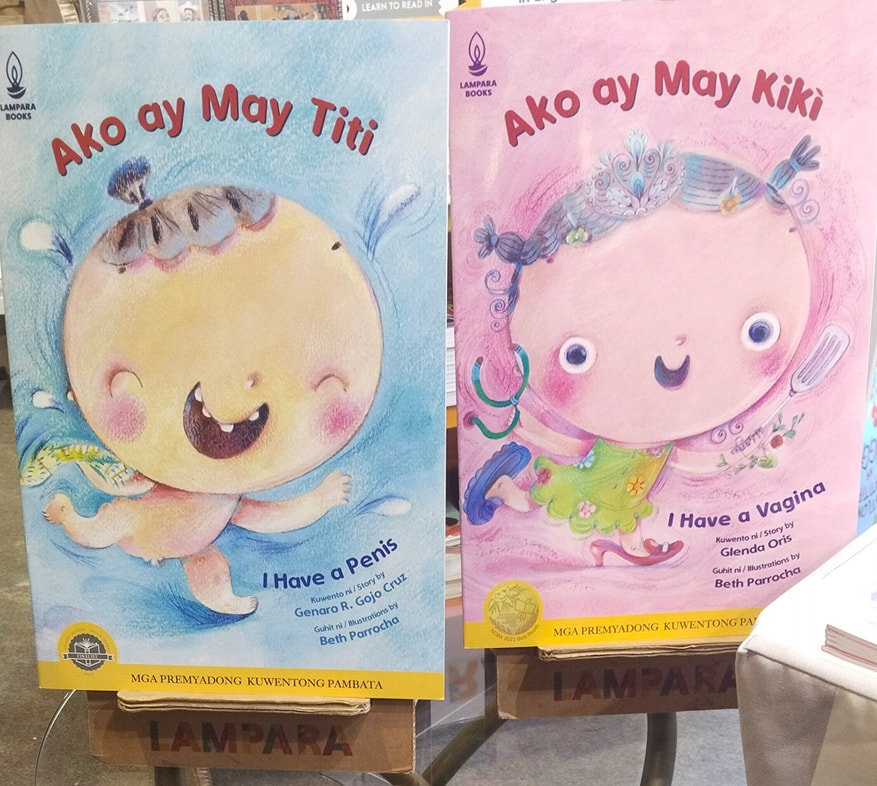
Local publishing house Lampara Books released its children's book, "Ako ay May Titi (I Have a Penis)" by Genaro R. Gojo Cruz, in 2020 to educate Filipino boys how to properly take care of their genitals. In the same year, the book's female counterpart was published, titled, "Ako ay May Kiki (I Have a Vagina)" by Glenda Oris. Courtesy: Lampara Books/Facebook
Balara Elementary School is just one of the 47,000 public schools in the country that are mandated to adopt CSE in lesson plans.
In 2018, DepEd released the policy guidelines on CSE implementation under Department Order 31, signed by then-Education Secretary Leonor Briones.
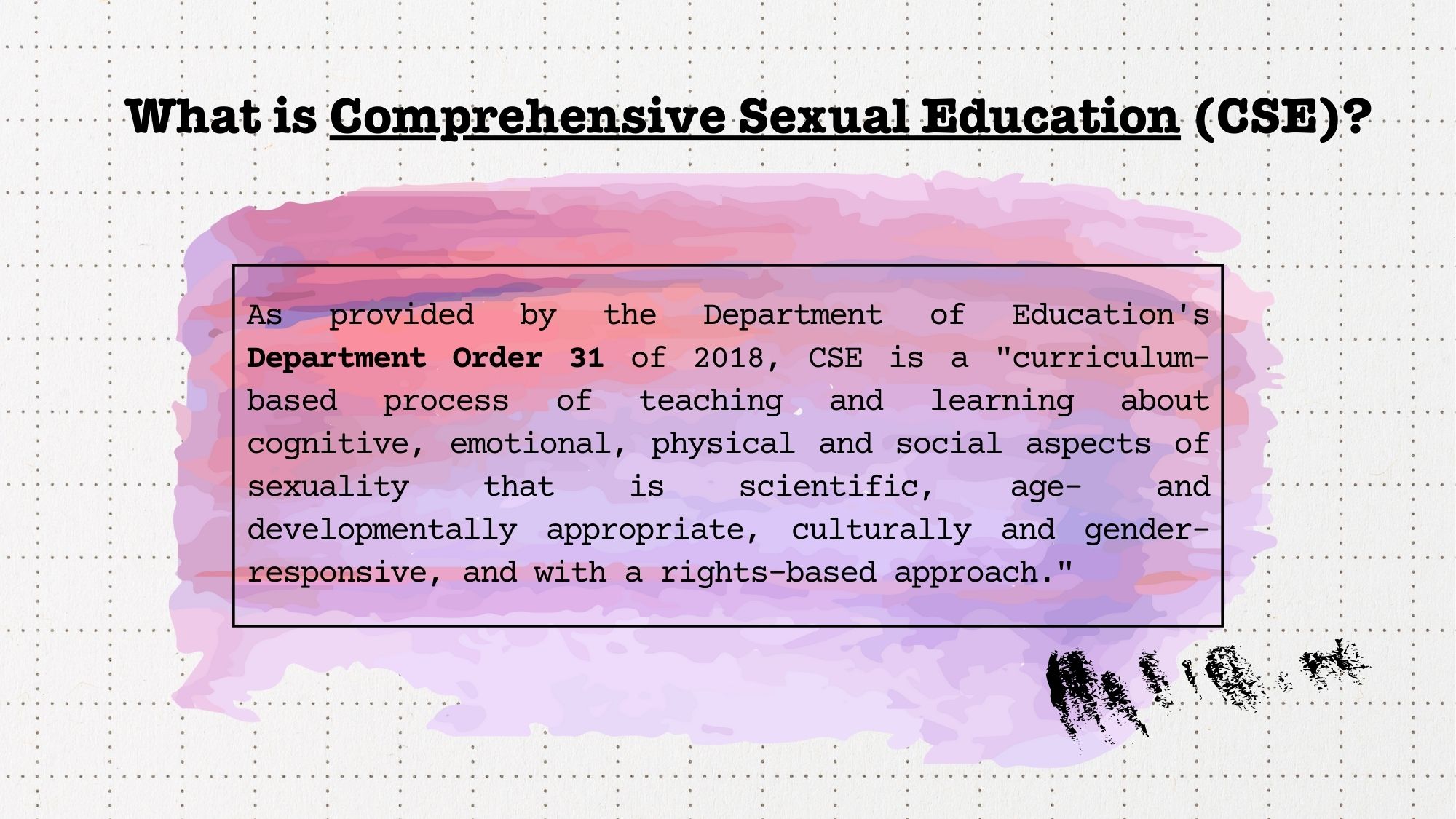
The order defines CSE as a “curriculum-based process of teaching and learning about cognitive, emotional, physical and social aspects of sexuality that is scientific, age- and developmentally appropriate, culturally and gender-responsive, and with a rights-based approach.”
Through the CSE, the DepEd aims to teach life skills among learners to help them develop critical thinking about risk behaviors related to poor reproductive health outcomes, enhance self-esteem, and develop respectful intrapersonal and interpersonal relationships that enable them to deal with the complex changes happening in them throughout their lives.
Five years later in 2023, the agency released the revised version of the K-10 curriculum of basic education, which is now in its phased implementation. Learners in Kinder, Grade 1, Grade 4, and Grade 7 were the first subjected to the recalibrated curriculum during School Year 2024-2025.
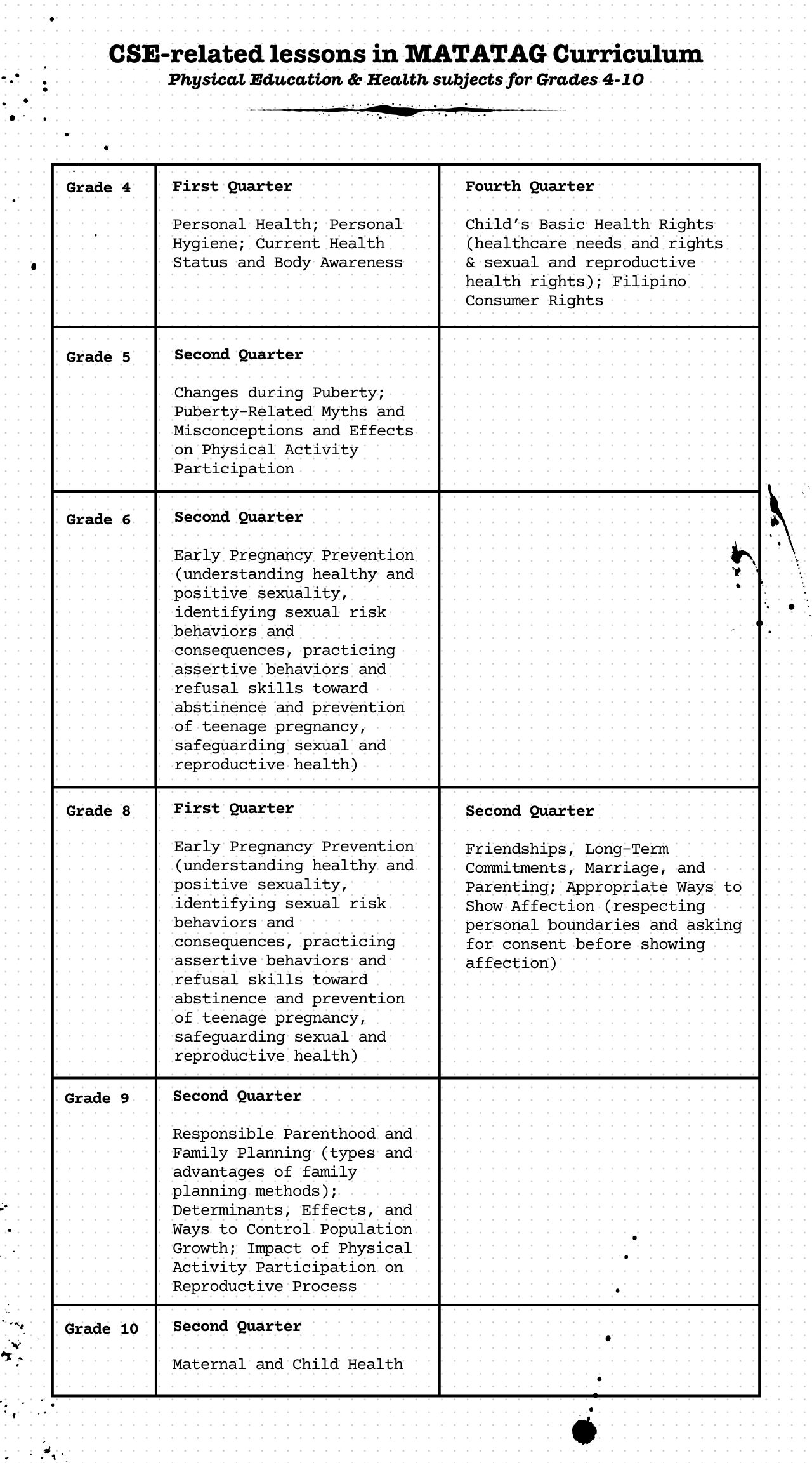
Dubbed as “MATATAG,” the new curriculum aims to teach lessons on sexual and reproductive health rights under the Physical Education and Health subject starting at the Grade 4 level, where students are usually aged 9 to 10.
Learners at this level are also expected to learn about the importance of personal health, as well as ways to keep their body clean, healthy, and disease-free.
As the master teacher in the 4th grade, Miral has started teaching his students about their rights and how to protect themselves during his lessons on the reproductive system.
“Your private part should be the one, kayo lang po 'yung nakakahawak niyan. Siguro sa babae, except your mother, talagang ‘yung pinaka most trusted person. Sa lalaki naman 'yung tatay,” Miral said. “Hindi ‘yung tito, especially for the girls, ah. Hindi 'yung tito na kasama ninyo sa bahay, hindi na 'yung ibang tao, okay? Kayo lang, kayo lang talaga.”
(I tell the kids, you should be the only one who touches your private part. Maybe except your mother or your most trusted person. For the boys, their father. But not the uncle, especially for the girls. Not the uncle who lives with you or any other people, okay? It should just be you.)
A 9-year-old female student expressed appreciation to teachers like Miral who openly discuss such topics to kids her age, admitting that she gets more answers to questions about her body and how to protect oneself at school rather than at home.
“Una ko po itong nalaman sa school [I learned about these in school],” she told GMA News Online.
“Ang mga nasa isip po [that time is] hindi po dapat matawa sa mga sinasabi na ‘yun kasi po kailangan po kasi talaga ‘yun para matuto… [Pero] na-curious po ako kasi nagulat na lang din po ako,” she added.
(At that time, I was thinking that those topics should not be laughed at because we need that in order to learn. At the same time, I got curious because I was surprised to learn those things.)
As part of his CSE discussion, Miral advises his pupils to focus on their studies. It’s only after they start working that they should think about settling down and starting a family, he said.
Miral recalled a time when one of his students asked him if STDs were obtained through sexual activity. In response, Miral told the story of an overseas Filipino worker who came home ill with STD after failing to stay loyal to his wife, who was waiting for him in the Philippines.
“Sabi ko, pag-uwi niya dito may sakit na siya. And the saddest thing, anak, doon ko na ipasok ‘yung mga STD na possible puwedeng makuha kapag hindi ka naging loyal sa partner mo,” he said.
(I told them that when he came home, he was already sick. And the saddest thing—and this is when I talked about STDs—is that you can get infected if you are not loyal to your partner.)
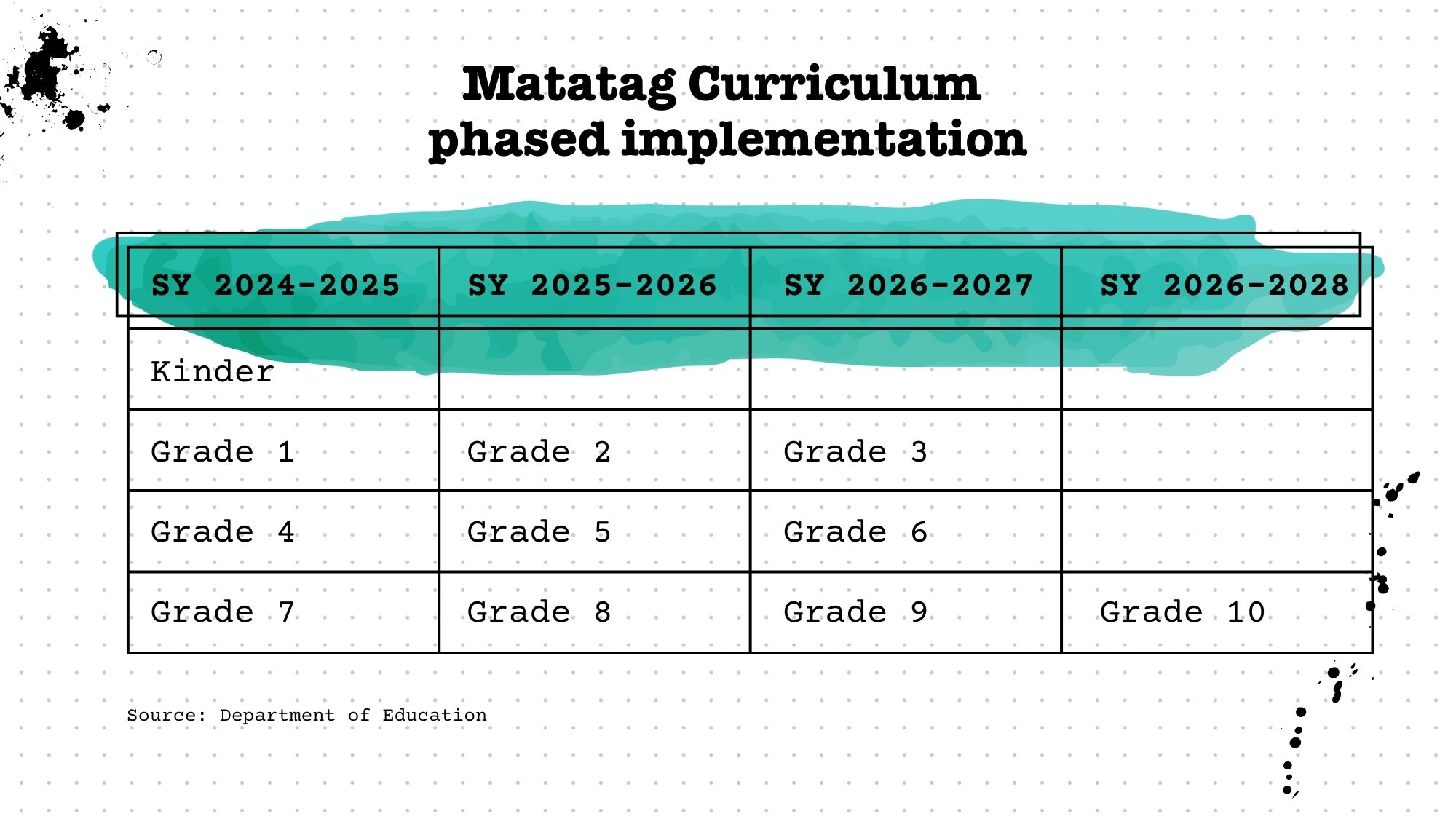
The phased implementation of the revised K-10 curriculum will push through to Grades 2, 5, and 8 in School Year (SY) 2025-2026; Grades 3, 6 and 9 in SY 2026-2027; and finally, to Grade 10 in SY 2027-2028.
At Grade 5, students would receive lectures on healthy ways of managing puberty-related changes, communicating needs, and respecting boundaries in relationships.
Respecting basic gender concepts and all sexual identities would be taught in the third quarter of Grade 6.
Topics on social development would be explained in Grade 7, while those related to sexually transmitted infections, such as HIV and AIDS, would be for Grade 8 students.
Grade 9 students, typically aged 13 to 15, would be given lessons on ways to demonstrate responsible sexual behaviors, and the realities of sexual and gender-based violence.
Amid the ongoing classes, some parents of Miral’s Grade 4 students feel apprehensive over whether or not their children are still too young to learn about such things.
One of them was Ivy, who admitted feeling shocked after being informed by the teacher that he would teach her son about CSE.
Aside from believing that her nine-year-old boy is too young to learn these lessons, Ivy fears that some of the younger children may take the classroom teachings as encouragement instead of precaution.
“Dahil tinuturo na ito ngayon sa paaralan na mabigyan po ng tamang linaw o maayos na pagtuturo o pagpapaliwanag po sa mga bata dahil may mga bata po na akala po biro lang, o may mga bata po na ay ganito lang pala so gagawin po natin,” she said.
(Since this is now being taught in schools, it is important to provide clear and proper instruction or explanation to the children. Some kids might think it's just a joke, or they might think that since this is all they need to do, then they should do it.)
“So sa edad po niya, parang gusto ko po ipapaliwanag sa pamamagitan ng walang kabastusan o kasagwaan po,” Ivy added.
(For his age, I want it explained in a way that is not obscene or improper.)
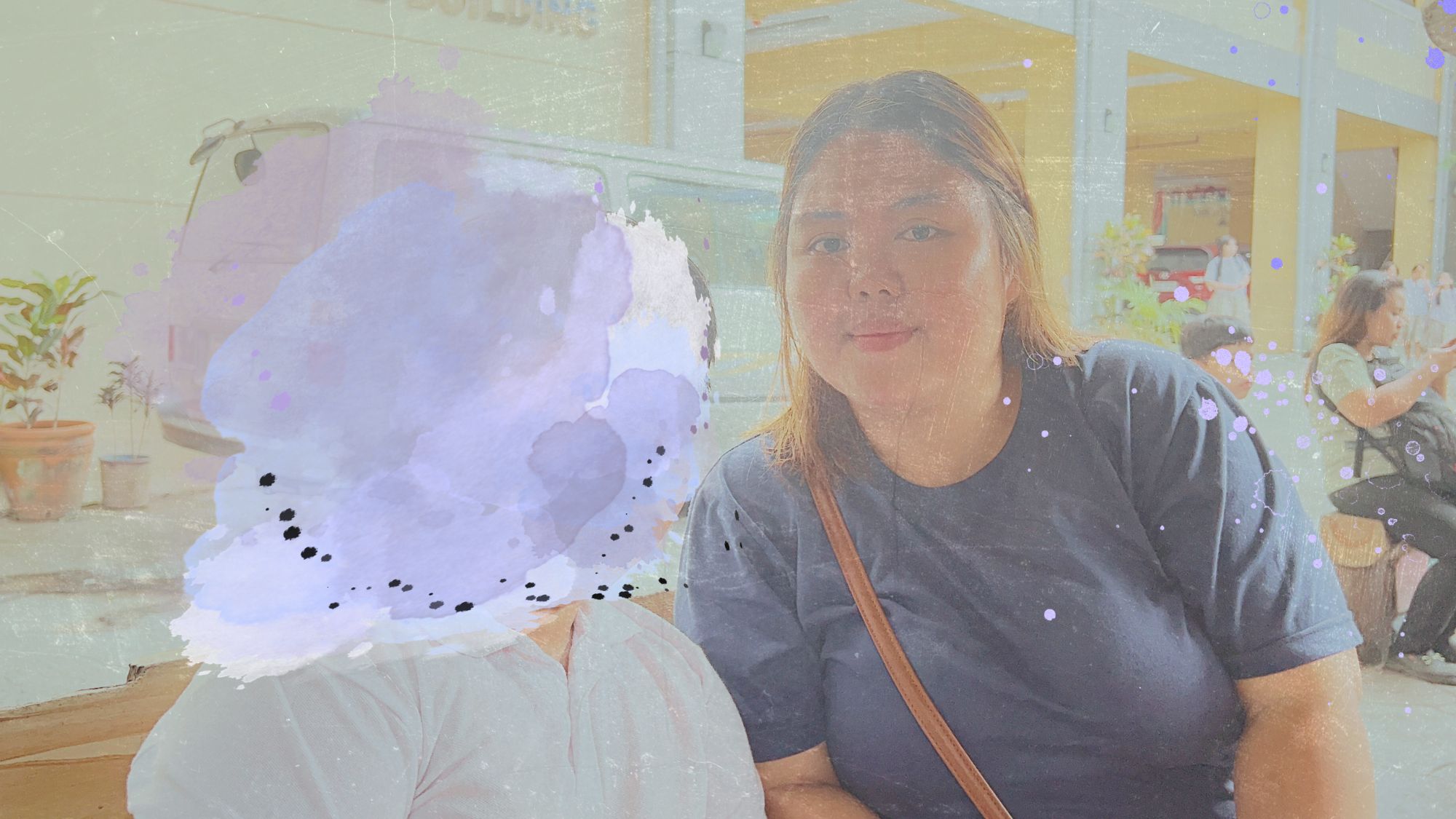
Ivy admits feeling shocked upon learning that her fourth grade son would be taught CSE. The lessons, Ivy says, should be taught in a way that isn't obscene or improper.
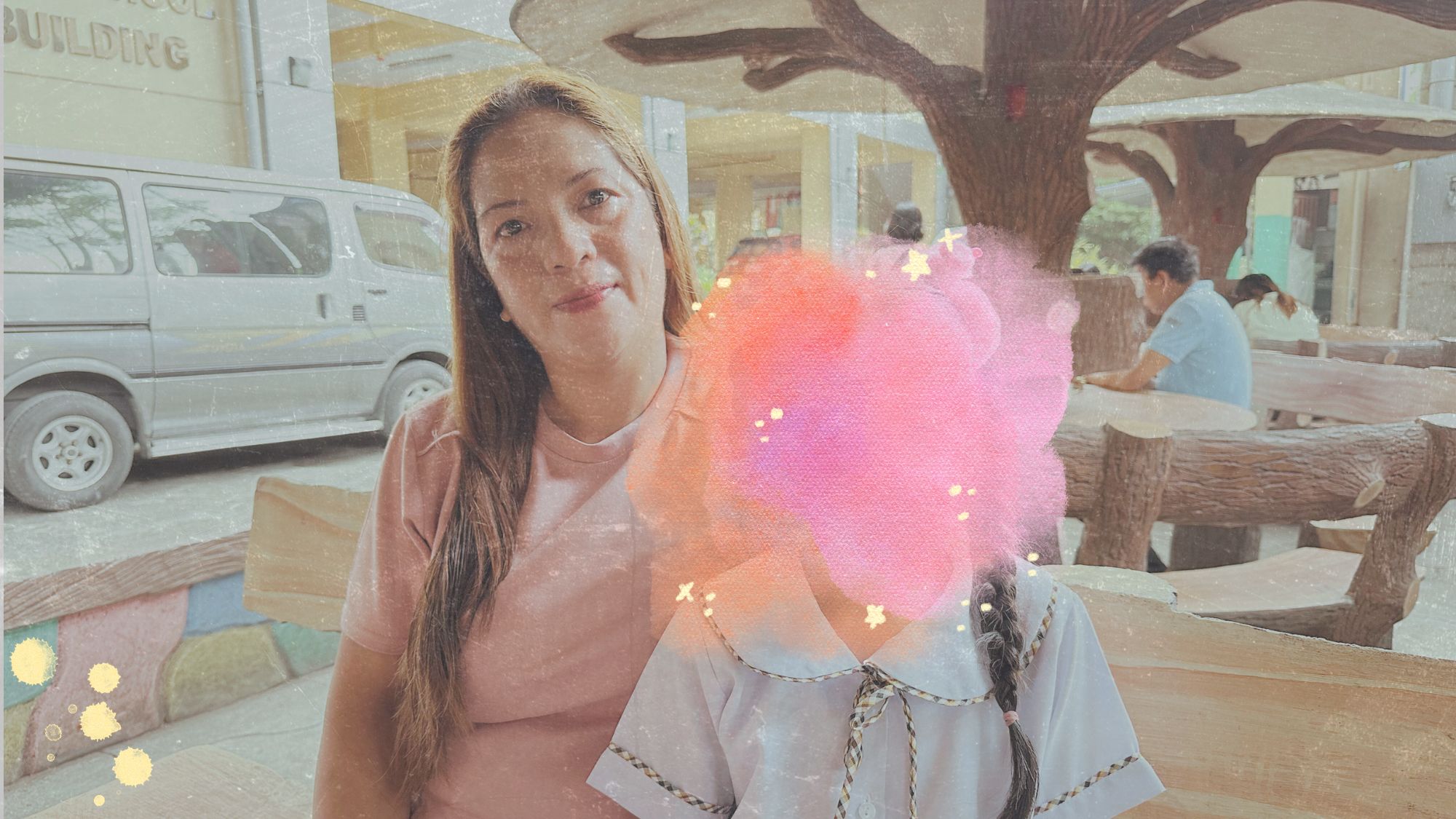
Gina feels it's okay that her daughter is being taught CSE, noting that more youngsters are getting pregnant: 'Times have changed.'
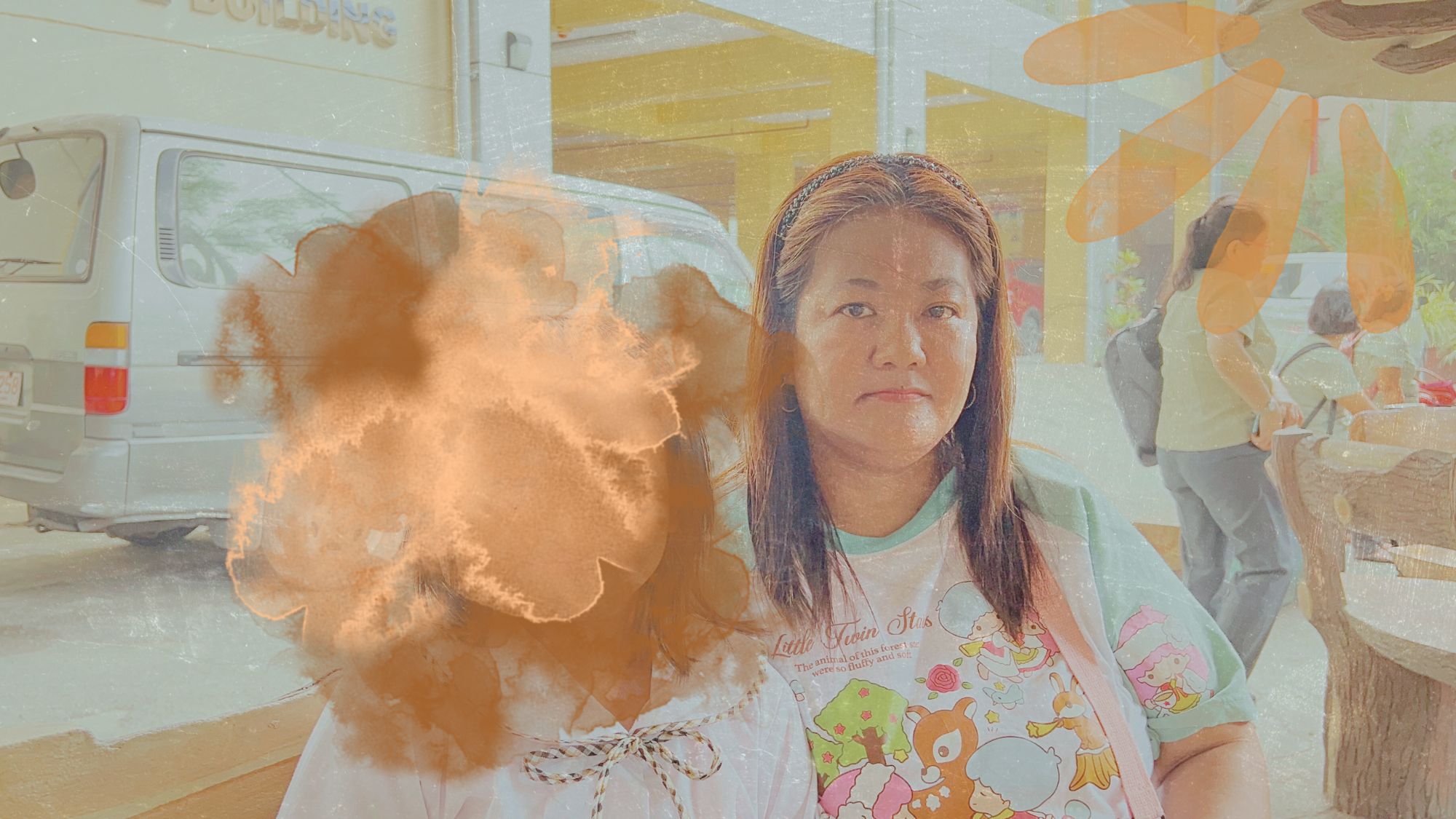
Cheryl ends up giggling at times when talking about CSE-related topics with her daughter. She trusts that teachers are trained and equipped to teach CSE.
Similar concerns were raised by the National Coalition for the Family and the Constitution, the family rights group behind “Project Dalisay,” which seeks to safeguard the sanctity of the Filipino family and the innocence of children.
It expressed opposition to the proposed implementation of the CSE, saying some of its provisions allegedly have “inappropriate” concepts and threaten “moral, societal, and spiritual values.”
The group was particularly concerned about concepts like "gender fluidity" and "sexual diversity," contraception, abortion, and non-traditional relationships as they supposedly contradict traditional Christian and Islamic morality on family life.
This sparked discussion and backlash against CSE, putting national attention to a pending Senate bill which primarily aims to prevent adolescent pregnancy in the country.
In 2023, Senator Risa Hontiveros, chairperson of the Senate committee on women, children, family relations, and gender equality, filed Senate Bill 1979 or the Adolescent Pregnancy Prevention Bill.
A provision of this bill states that the Education Department shall develop and promote educational standards, modules, and materials to promote age- and development-appropriate comprehensive sexuality education in schools, communities, and other youth institutions.
The CSE shall also become a compulsory part of education, integrated at all levels with the goal of normalizing discussions about adolescent sexuality and reproductive health and to remove stigma.
Topics to be taught under the CSE include human sexuality, informed consent, effective contraceptive use, HIV/AIDS and other sexually transmitted infections, sexual abuse and exploitation, gender equality and equity, and gender-based violence, among others.
What some critics stressed was that under Section 6 of the bill, the CSE will be guided not just by DepEd, but also by “international standards.” They contended that these standards would be aligned with the curriculum set by UNESCO and the World Health Organization (WHO).
The contentious part of Section 6 reads:
"The CSE shall be standardized and implemented in all public and private basic education institutions. CSE delivery shall not be dependent upon the discretion of the school administration or on its teachers. It shall be integrated in the school curriculum, guided by DEPED and international standards."
Based on the Standards for Sexuality Education in Europe as published by the WHO Collaborating Centre for Sexual and Reproductive Health, the age group 0 to 4 should be given information about “enjoyment and pleasure when touching one’s own body, [and] early childhood masturbation,” as well as the “the right to ask questions about sexuality [and] the right to explore gender identities.”
Meanwhile, the foreign guideline added, children aged 6 to 9 should be taught about “enjoyment and pleasure when touching one’s own body,” gender roles, and sexual rights of children.
As the principal author of SB 1979, Hontiveros fervently defended the bill, insisting that the measure has no provisions about teaching or encouraging masturbation for children aged 0 to 4 years old, and teaching bodily pleasure or sexual rights to children aged 6 to 9 years old.
Dealing a heavy blow to the measure was the move of at least seven senators to formally convey to Senate President Francis Escudero their withdrawal of signatures on SB 1979.
Committee Report 41, which contained SB 1979, had garnered 18 signatures when it was reported out by the joint committees on women, children, family relations, and gender equality; social justice, welfare and rural development; health and demography; and finance last March 2023.
Both the Senate and the House of Representatives have also held hearings into DepEd’s CSE implementation, with some lawmakers saying that CSE is not the key to addressing the rising number of very young pregnancies in the country.
Even President Ferdinand “Bongbong” Marcos Jr. himself aired reservations about the bill, saying some of the contents of SB 1979 were “ridiculous,” “abhorrent,” and a “travesty of what sexual and sex education should be to the children.”
As a compromise, Hontiveros filed a substitute measure of the Adolescent Pregnancy Prevention Bill and removed the phrase "guided by international standards."
The new version of the bill also limited the mandatory CSE to minors aged 10 years old and above, and included a provision guaranteeing parental authority or academic and religious freedom.
Read the full text of SB 1979 and its substitute bill here.
Numbers don’t lie, and indeed, the numbers reveal the worrisome reality of teenage and childhood pregnancies in the country.
Commission on Population and Development (CPD) Deputy Executive Director Lolito Tacardon said data in recent years showed a “disturbing” reality for underage mothers, reflecting a big proportion of adolescent pregnancies in the Philippines that need to be addressed.
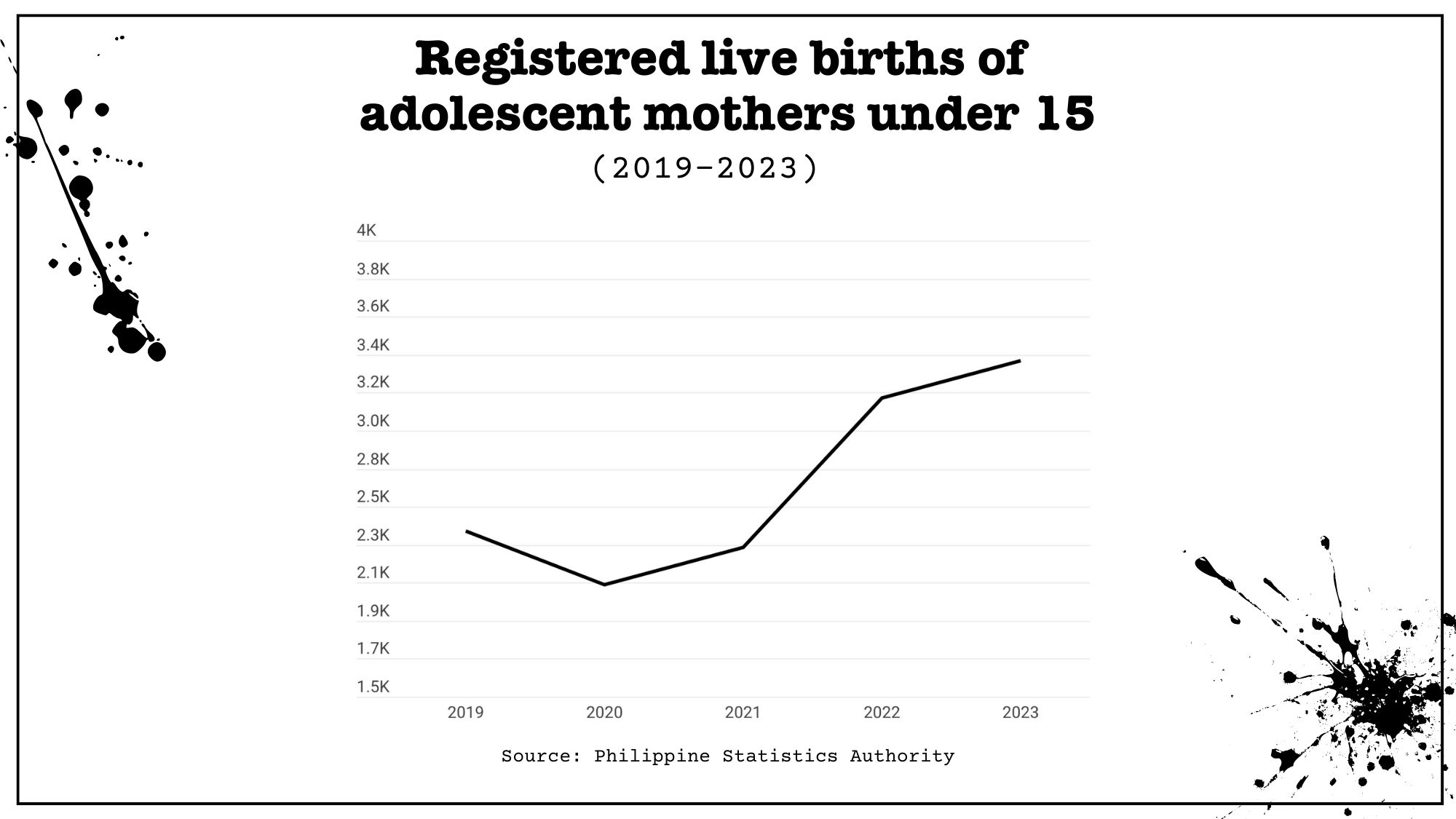
Data from the Philippine Statistics Authority (PSA) showed that since the pandemic, the number of mothers aged 10 to 14 has been rising dramatically.
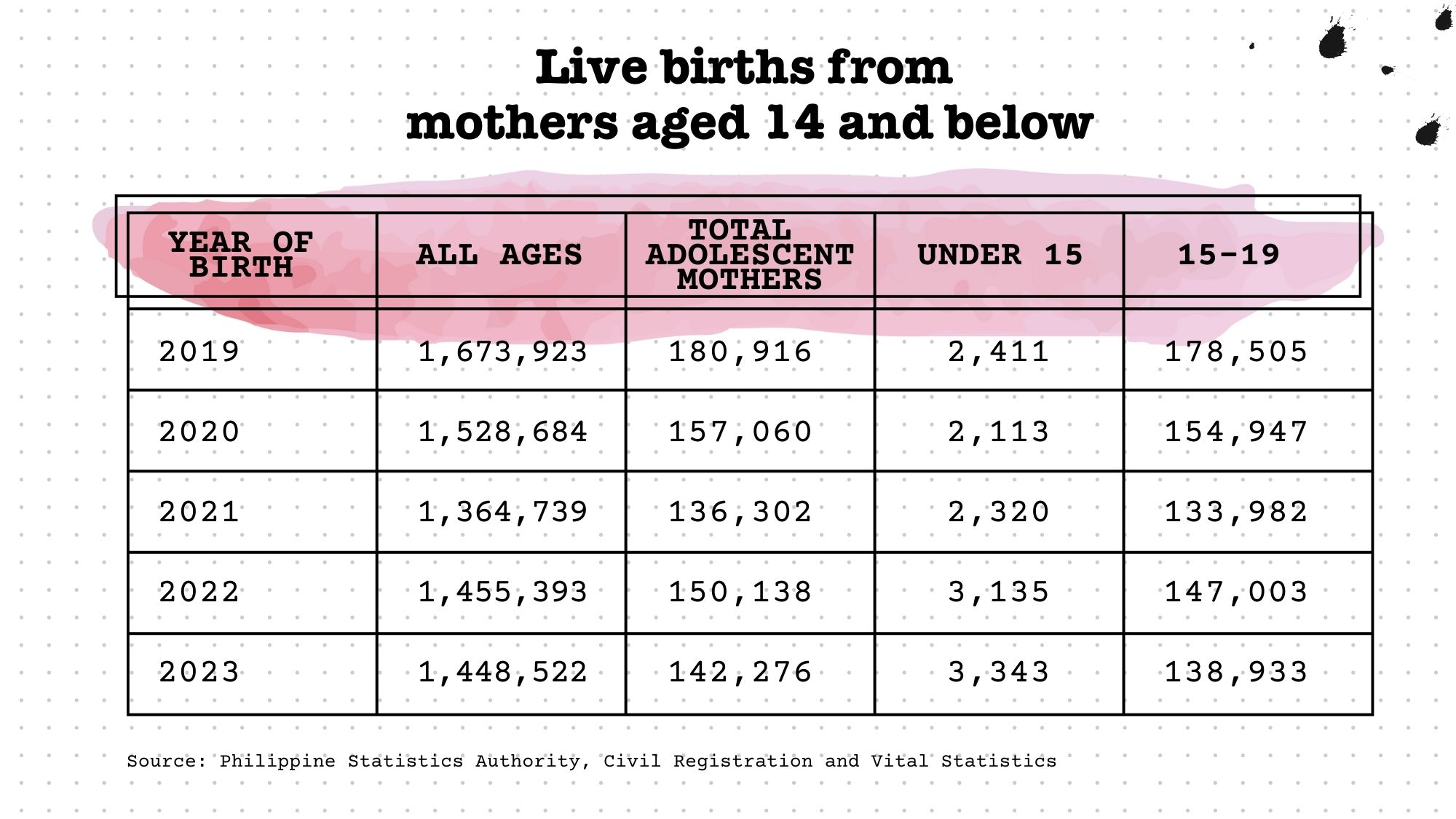
From 2,113 in 2020, the number of registered live births among these very young adolescent mothers rose to 2,320 in 2021. The number further grew to 3,135 in 2022, and to 3,343 in 2023 — more than a 36% increase in four years.
Meanwhile, for those 15 to 19 years old, the trend for live births has been going up and down—from 154,947 in 2020, declining to 133,982 in 2021. It rose to 147,003 in 2022, and dipped again to 138,933 in 2023.
The CPD also sounded the alarm regarding repeat pregnancies, noting that 38 young girls under the age of 15 had repeat pregnancies in 2023.
Seventeen females have also had five and more live births before they turned 20 years old, based on PSA data.
The Department of Health (DOH) has expressed concern about the pregnancies of young mothers.
According to Health Secretary Ted Herbosa, pregnancy for those 15 below are considered "childhood pregnancy." He also stressed that every childhood pregnancy is considered an unplanned pregnancy, especially among children aged 10 to 16.
Adolescent medicine pediatrician Dr. Jimmy Dumlao said teenage pregnancies can be traced to not just a single factor, but a combination of many issues—biological, social, cultural, and even political.
Sadly, for children 14 and below, the doctor noted that the most common and the most concerning factor is abuse.
“Individuals who get pregnant at this extremely early age get pregnant not usually due to consensual sex, not because of any romantic relationship with a significant other, but most of the time, they are coerced into sex and abused by men very much older than they are,” Dumlao lamented.
“This can be done through violence and threats. Sasaktan talaga sila, ire-rape sila or tatakutin sila [na] sasaktan ko ‘yung pamilya mo kapag nagsabi ka,” he added.
(This can be done through violence and threats. The children would be hurt physically, they would be raped, or they would be threatened that something would happen to their family if they tell someone.)
Dumlao said children at this age group may also be “groomed” where an abuser tries to build a relationship through manipulation in order to gain sexual advancement.
“Should this be a cause of concern? Definitely, because this is child abuse. This is breaking our laws [of] society,” he said.
As a health consequence, Dumlao said young mothers may suffer from eclampsia or seizures, and even endometritis, which is an inflammation of the lining of the uterus due to an infection.
Teenage mothers, he added, may also have complications in the pregnancy itself and have longer labor. They can also have vaginal tearing because their body is not yet fully mature to give birth.
Babies from teen mothers may also have low birth weight, congenital malformations, or sometimes even face perinatal death.
According to DepEd Assistant Secretary for Curriculum and Teaching Janir Datukan, these risks make adopting comprehensive sexuality education in the basic education curriculum critical, considering the increasing rates of teenage pregnancy, HIV/AIDS, and other gender-based concerns.
Through CSE, learners will be equipped with accurate, age-appropriate information about sexual health, contraception, and the consequences of early pregnancies. It will also empower them to make informed decisions, understand the importance of consent, and develop healthy relationships.
“By fostering open discussions, CSE helps dispel myths, reduce stigma, and encourage responsible behavior. It also connects learners to resources for prevention and support, reducing the likelihood of young mothers dropping out of school due to early pregnancies,” Datukan said.
“Incorporating CSE into the curriculum is a proactive solution to address the growing issue of teenage pregnancy, ensuring students are informed, supported, and better prepared to navigate challenges, ultimately safeguarding their education and future opportunities,” he added.
Unwanted pregnancies may also thrust the responsibilities of rearing a child upon would-be underage parents already coping with the demands of schooling.
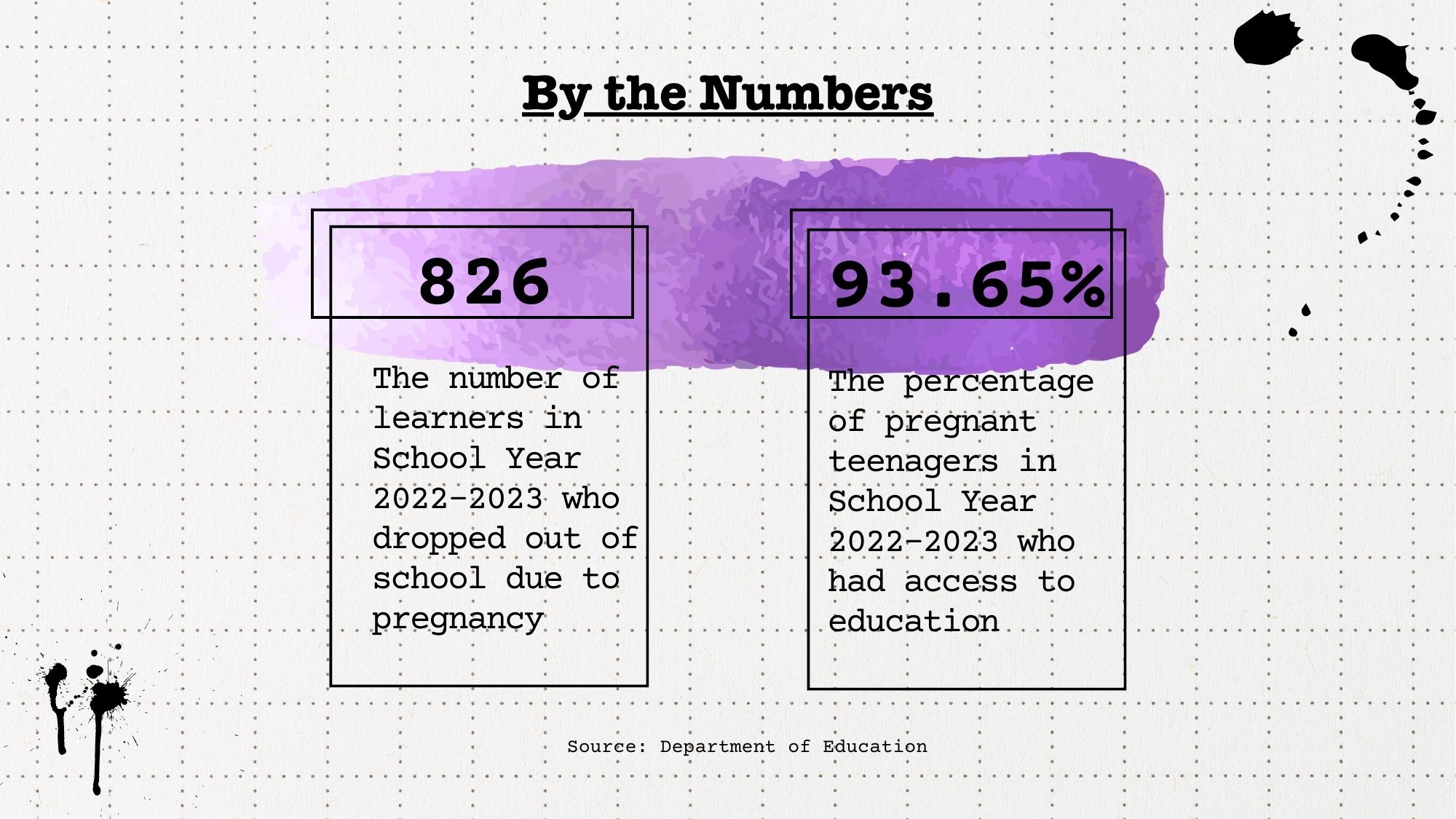
For School Year 2022-2023, out of 13,003 teenagers who got pregnant, 12,177 (93.65%) had access to education, DepEd’s data showed. Of this demographic group, 6,380 were in school, while 5,797 were using alternative delivery modes.
Meanwhile, 826 (6.35%) learners reportedly dropped out of school due to pregnancy.
Datukan, however, assured that DepEd has established interventions to support both female and male learners affected by early parenthood, ensuring that they continue their education and develop into responsible adults.
For female learners who become pregnant, flexible learning options are available where they can choose between modular learning, online classes, and the Alternative Learning System (ALS) to accommodate their needs.
Counseling and guidance services are also offered by DepEd to provide emotional support to help them cope with the challenges of early parenthood. The agency also gives healthcare referrals and parenting education to prepare them for motherhood.
However, despite the increasing number of pregnancies among children under 15, Health Secretary Herbosa said there is no need for a new law to tackle the issue, as Republic Act 10354, or the Responsible Parenthood and Reproductive Health Law of 2012 (RH Law), simply needs to be properly implemented.
CPD’s Tacardon views the issue differently, emphasizing that the commission is fully supportive of the Adolescent Pregnancy Prevention Bill as it would protect young people from unplanned pregnancies and their consequences.
He also said that the CPD has long been pushing for the implementation of comprehensive sexuality education, welcoming its integration in the K-12 curriculum, and more recently, in the MATATAG curriculum.
“But the thing is, comprehensive sexuality education is a process, an educational strategy through which we provide accurate information and skills to young people about human sexuality, human development, and other related concerns that could enable them to exercise their reproductive rights,” he said.
“‘Yung ituturo na mga topics on comprehensive sexuality education will also be based on their age and their level of development, ‘yung human development,” he added.
(The topics that will be taught under the comprehensive sexuality education will be based on the students’ age and their level of human development.)
The CPD official also noted that teaching CSE varies per grade level as there are many components of sexuality that must be taught to learners as they progress in school.
“Ibig sabihin nito, it will not teach them about sexual acts na parang apprehension of everybody na baka maturuan sila kung paano mag-behave sexually. It's more of an appreciation of their being as a sexual person. Kasi most of the changes na nangyayari sa adolescence natin has something to do with the sexual maturation of young people,” he said.
(This means that the CSE will not teach them about sexual acts, which some have apprehension of, thinking it will teach minors how to behave sexually. It's more of an appreciation of their being as a sexual person. This is because most of the changes in the adolescence stage have something to do with the sexual maturation of young people.)
Meanwhile, for the Education Department, Secretary Sonny Angara has ordered for the review of the CSE amid concerns from lawmakers and advocacy groups.
Datukan, who serves as Angara’s assistant secretary for curriculum and teaching, said the DepEd is open to revisit CSE in the MATATAG curriculum and make necessary pivots if it is for the benefit of its students.
“DepEd is always open to refocus and even re-label CSE, consistent with the demands facing our learners. CSE is not meant to be a monolithic curriculum, but rather, one that evolves with the needs of our learners and communities,” he said.
While DepEd is also open to temporarily halting the CSE implementation, the agency emphasized that it cannot be suspended permanently because its implementation is mandated under the law.
Emily, not her real name, is another public school teacher in Quezon City who employed the same methods as Miral. However, unlike Miral, Emily was unaware that she was already integrating CSE into her lessons.
“Apparently, it was already memorandized by the DepEd pala noong 2018 pa. So iniisip ko, hala, ia-abolish na siya hindi pa ako aware na may CSE na pala na existing,” Emily said.
(Apparently, it was already memorandized by the DepEd in 2018. So I was thinking, ‘oh no.’ It’s already going to be abolished and I wasn’t even aware that it existed.)
Emily has been teaching since 2018, but was transferred to her most recent school in Quezon City in 2022. She said started teaching science in 2024. Now, she is handling about 225 students, divided into five sections.
GMA News Online is withholding the name of Emily’s school upon her request.
Though not fully aware at first, Emily said she has been teaching them about the proper usage of terms and the importance of consent.
After reading about CSE, Emily expressed support for the program, saying it may empower the youth to report cases of harassment.
“Kapagka alam nila ‘yung rights nila, alam nila ‘yung— paano protektahan ‘yung katawan nila, alam nila ‘yung risk ng early exposure to sex and pornography, so mas mapro-protektahan nila ‘yung sarili nila,” she said. “And I think may effect din naman po siya para hindi tumaas ‘yung rate ng teenage pregnancy.”
(Once they know about their rights and how to protect their bodies, and the risk of early exposure to sex and pornography, they will be better equipped to protect themselves. I think that will also prevent the rise in teenage pregnancy.)
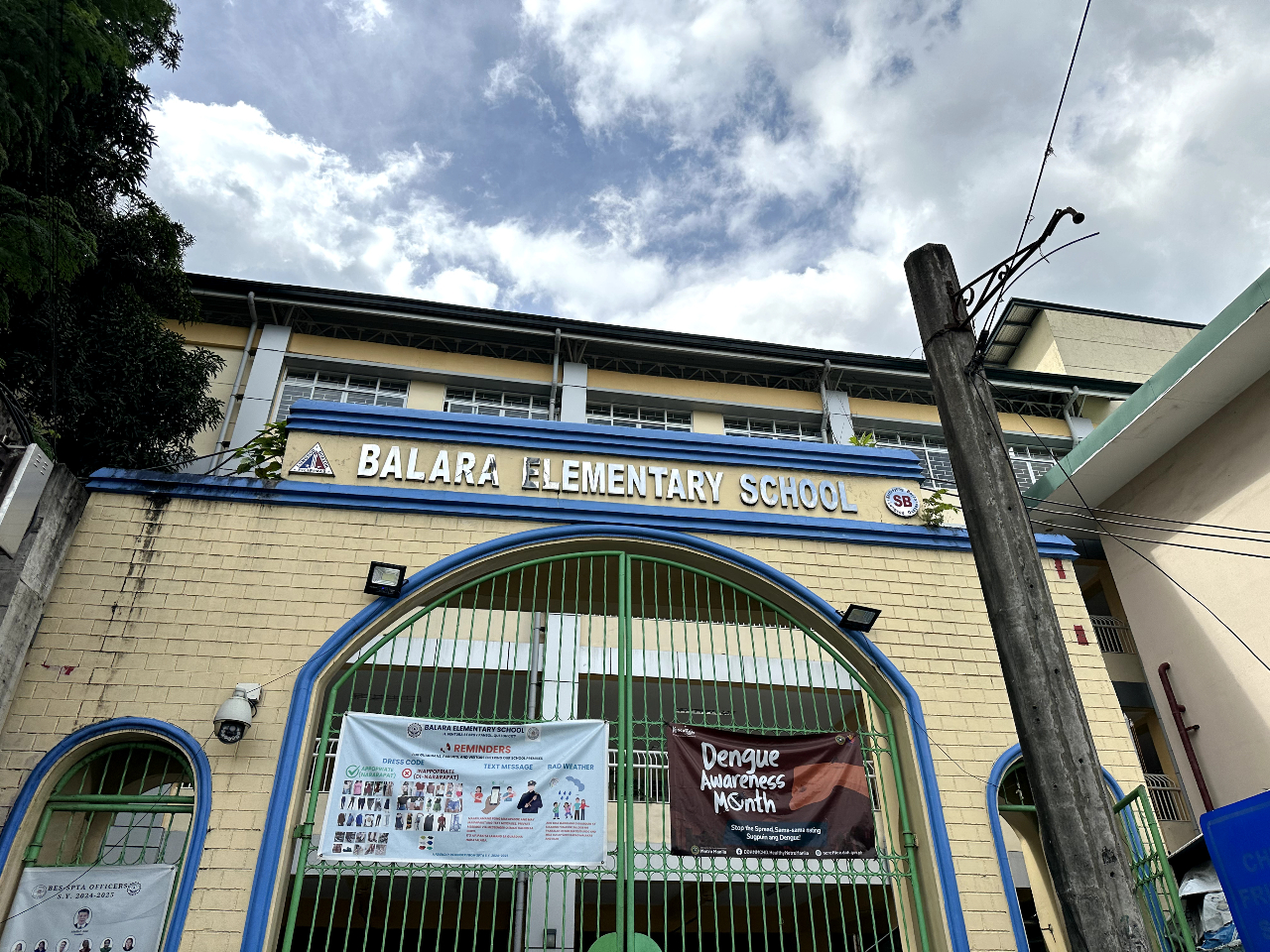
Balara Elementary School in Quezon City is just one of the 47,000 public schools in the Philippines that are mandated to adopt comprehensive sexuality education in lesson plans.
Meanwhile, those from private Catholic schools also face challenges when teaching CSE to learners, considering expectations that their organizations would espouse religious, if not conservative, ideologies.
Claire Barroa, a 4th grade MAPEH teacher at St. Joseph’s Academy in Las Piñas City, shared that some parents still get sensitive about certain topics, thinking these are not yet age-appropriate for their children.
“Dati kasi naging issue ‘yan, kasi you’re a Catholic school, why are you going to teach that? Is that appropriate for the children you teach? ‘Yun ang naging question. How are you going to teach that na hindi magkaroon ng malice ang mga bata?” Claire said.
(CSE became an issue before. Some would say, you’re a Catholic school, why are you going to teach that? Is that appropriate for the children you teach? Those were the questions we faced: How are you going to teach that without giving children malice?)
She emphasized the struggle to find the right approach in teaching sexuality to Catholic children so they could understand that it is for their sake.
As a Catholic herself, Claire said she tries to make her students understand that sex is normal for couples, but should only be done by those who are married.
She also underscored the importance of imparting not just knowledge, but values to the children so they can ascertain themselves what is good for them and prevent themselves from doing what is wrong.
“Nu’ng una, ayokong siyang ituro kasi nagdadalawang isip ako—makakatulong ba ito o hindi? Pero sa nangyayari sa society natin, sabi ko, as early as 9 years old may nabubuntis na bata. I think na kailangan na maging aware ng mga bata, na alam nila kung ano ‘yung rights nila para protektahan ang sarili nila,” she shared.
(At first, I didn't want to teach CSE because I was contemplating whether it would be helpful or not. But with what is happening in our society today, with children as early as 9 years old getting pregnant, I think they already need to be aware. They should know what their rights are to protect themselves.)
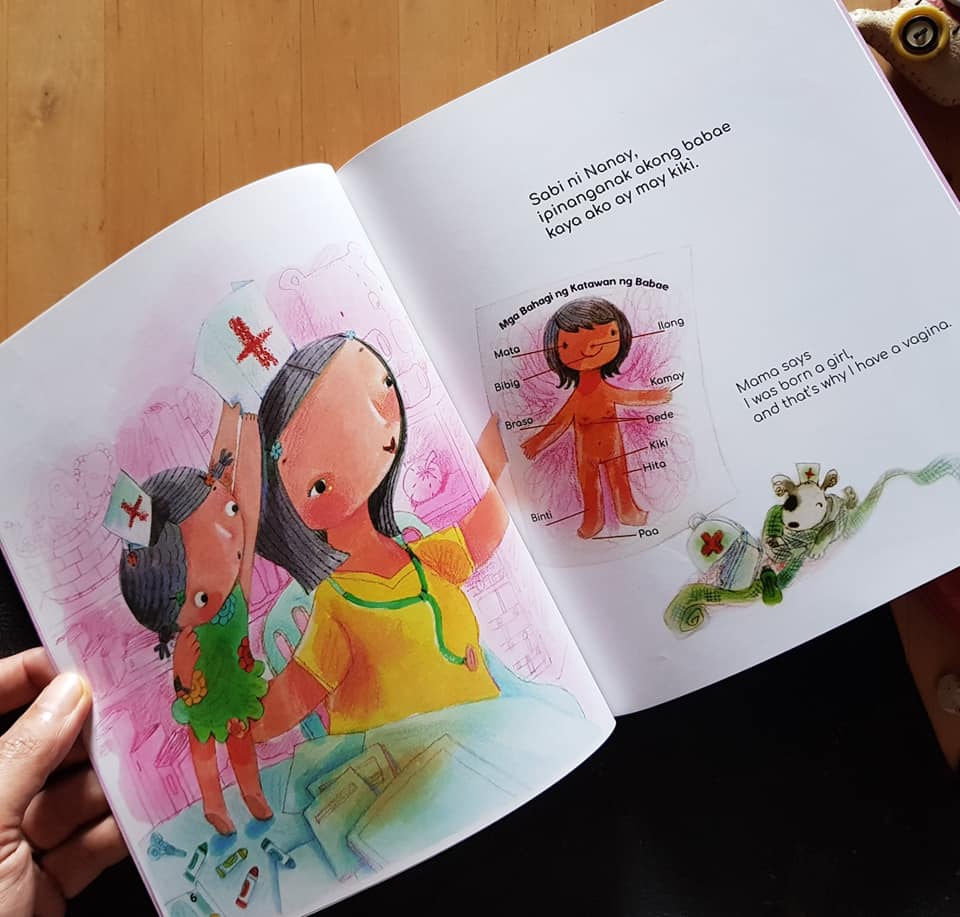
A sneak peek inside Lampara Books' "Ako ay May Kiki (I Have a Vagina)", illustrated by Beth Parrocha.
Claire said that she also strives to stand in front of her class not just as a teacher but also as a mother when CSE-related lessons are brought up.
“Sa Health [class] namin, nata-tackle ko ‘yan during puberty na topic. I am approaching them as a mom on how to take care of their children para mas maintindihan ng bata kung bakit namin tina-tackle ‘yun,” she explained.
(I tackle that during our puberty topic in our Health class and I approach them as a mom taking care of her children, so that my students would understand better why these topics need to be tackled.)
When discussing the reproductive system, Claire also uses her own experience as a parent to make her pupils realize what’s ahead of them if they engage in premarital sex and become teenage parents themselves.
She said she feels strongly about such discourse because some of her students as young as 9 to 10 years old already have girlfriends and boyfriends.
“Sinasabi ko, sino ba ang mahihirapan? Hindi naman ikaw, but your parents. Kasi ang unang masasaktan, hindi naman ikaw, kundi ang parents mo. Bakit? Kasi sinira mo ‘yung trust nila sa iyo… Dahil wala ka naman trabaho, anong pang-bubuhay mo sa magiging anak mo?” she tells her students.
(I ask them, who will suffer? It’s not you but your parents. Your parents will be the first ones to get hurt because you broke their trust… Since you still don't have jobs, what will you do to support your future child?)
Nowadays, she said, priests trust the teachers more and no longer meddle in what and how they discuss inside the classroom.
“Sa school naman, as long as kaya mo siyang ituro na walang magiging problema, do your thing. Supportive naman sila. Hindi na kagaya nu’ng mga super conservative na mga pari… Mas more mature na sila ngayon at saka ngayon kasi ang mga pari, hindi na sila nakikialam,” Claire said.
(The school will allow you to do your thing as long as there would be no problems. They are supportive. It's no longer like with the very conservative priests... They're more mature now and the priests now no longer interfere.)
“Kukumustahin lang ng pari, ‘Oh kumusta ang school, kumusta ang pagtuturo ng mga teachers?’ Gano'n lang. Pero ‘yung kukwestuyunin niya kung paano nagtuturo ang teachers, never. They are mature na hindi kagaya dati na lahat na lang [papakialaman]. Ngayon makikita mo, they trust their teachers,” she continued.
(The priests would just ask about the school and how the teachers do, but they would not question how we teach. They are now more mature unlike before that they would meddle in everything. Now, you could see that they trust their teachers.)
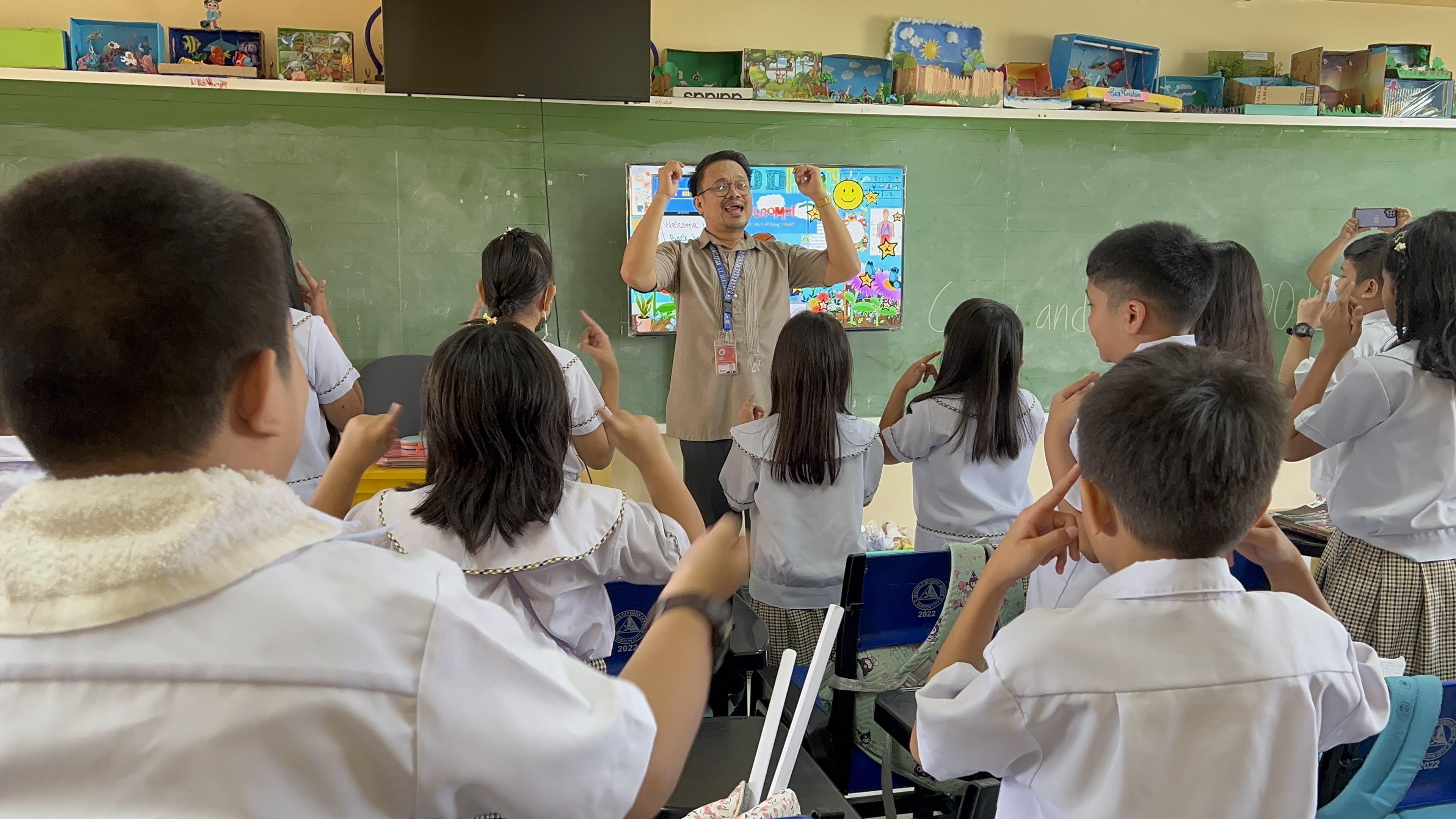
Although he fully supports teaching sex education in elementary schools, Gilbert Miral believes that the children's first teachers on the subject should be their parents.
While some parents have apprehensions and fears about CSE, others support it as they recognize its importance in preventing teenage pregnancies.
“Okay naman po para sa akin ‘yun. Sa panahon kasi ngayon, iba na. Parang masyadong— marami nang pabata nang pabata ang mga nagbubuntis, nag-aasawa. Kaya mas okay na rin para sa akin ‘yung gano'n na pinag-aaralan,” said Gina, a mother of six girls.
(For me, it’s okay. Because the times have changed. It seems like more and more youngsters are getting pregnant and getting married. So, I think it's better to teach them these things.)
Two of Gina’s children are now adults—with careers and remain single—while the rest are minors. She believes that teachers know what should and should not be taught in schools.
Gina further called on her fellow parents to use proper terms for reproductive organs when at home.
“Dapat po sabihin natin nang tama. ‘Wag natin sabihin na ganu’n na maling salita. Kung ano ‘yung tawag, ‘wag po tayo mahihiya na sabihin natin ‘yung tama dahil para din po sa kanila ‘yun,” she said.
(We need to say the right terms. Don’t use the wrong ones. Use the right ones and don’t be shy when saying the right terms because it’s also for the kids.)
While realizing the importance of CSE in the classroom, Gina also believes that a parent’s involvement widely affects the actions of kids.
Cheryl, also a mother of a Grade 4 learner, knows this all too well. She admits that she still could not help but giggle sometimes when talking about sensitive topics.
Though she would try her best to say the proper terms for the reproductive organs, she admitted that she would sometimes be unable to help stop herself from laughing.
Despite this, she expressed support for the program, believing that teachers are trained and equipped to teach students about CSE.
“Hindi katulad namin mga nanay, sa loob lang ng bahay. Sila nagkakaroon sila ng mas malawak na kaalaman tungkol doon sa pagtuturo na ‘yun kaysa sa aming mga magulang. Kaya mas maganda naituturo nila sa aming mga anak,” she said.
(Not like us mothers who are only at home. They have a wider range of knowledge regarding that compared to us. So, it’s good that they can teach our children.)
For his part, Miral believes that kids should first learn about sexuality from their parents. He called on parents to teach their children about using the right terminologies as well as situations including early pregnancies.
“Siguro imulat din natin ang mga anak sa kamalayan ng talagang paggamit ng tamang terminolohiya na iyon talaga ang gagamitin natin,” he said. “’Yung maging open sa mga anak nila, ‘yung mga consequences like early pregnancy, itong sexually transmitted infection na very rampant nowadays.”
(Perhaps we should also make our children aware of the proper terminology. Be open with your children about the consequences of early pregnancy and sexually transmitted infections, which are very rampant nowadays.)
According to the teacher, barangays should offer free seminars on CSE for parents, which would allow them to be better equipped to answer questions that their children would ask them at home.
Now immersed in his teachings, Miral’s Grade 4 pupils in Balara Elementary School say they find nothing awkward about their discussions on sex education.
“Wala naman po nakakatawa doon kasi it’s real life naman po at saka lahat po kaming estudyante meron po nu’n,” one of the 9-year-old students said, referring to genitals.
(There’s nothing funny about it because that’s just real life and every student has it.)
Whether in school or at home, children start asking questions about sex that are sometimes left unanswered. Some of them start to wonder about changes to their bodies, relationships, and even sexual behaviors, then seek answers amongst peers, online, or even in unsettling places.
Others end up victims of abuse, sometimes at the hands of older family relatives.
Regardless of the path that the children follow, proper guidance plays an absolute, critical role. This is when parents, guardians, teachers, and leaders are called to take on the challenge of leading the young ones to the right direction, before it’s too late. –VDV/RSJ, GMA Integrated News

