
We use cookies to ensure you get the best browsing experience. By continued use, you agree to our privacy policy and accept our use of such cookies. For further information, click FIND OUT MORE.
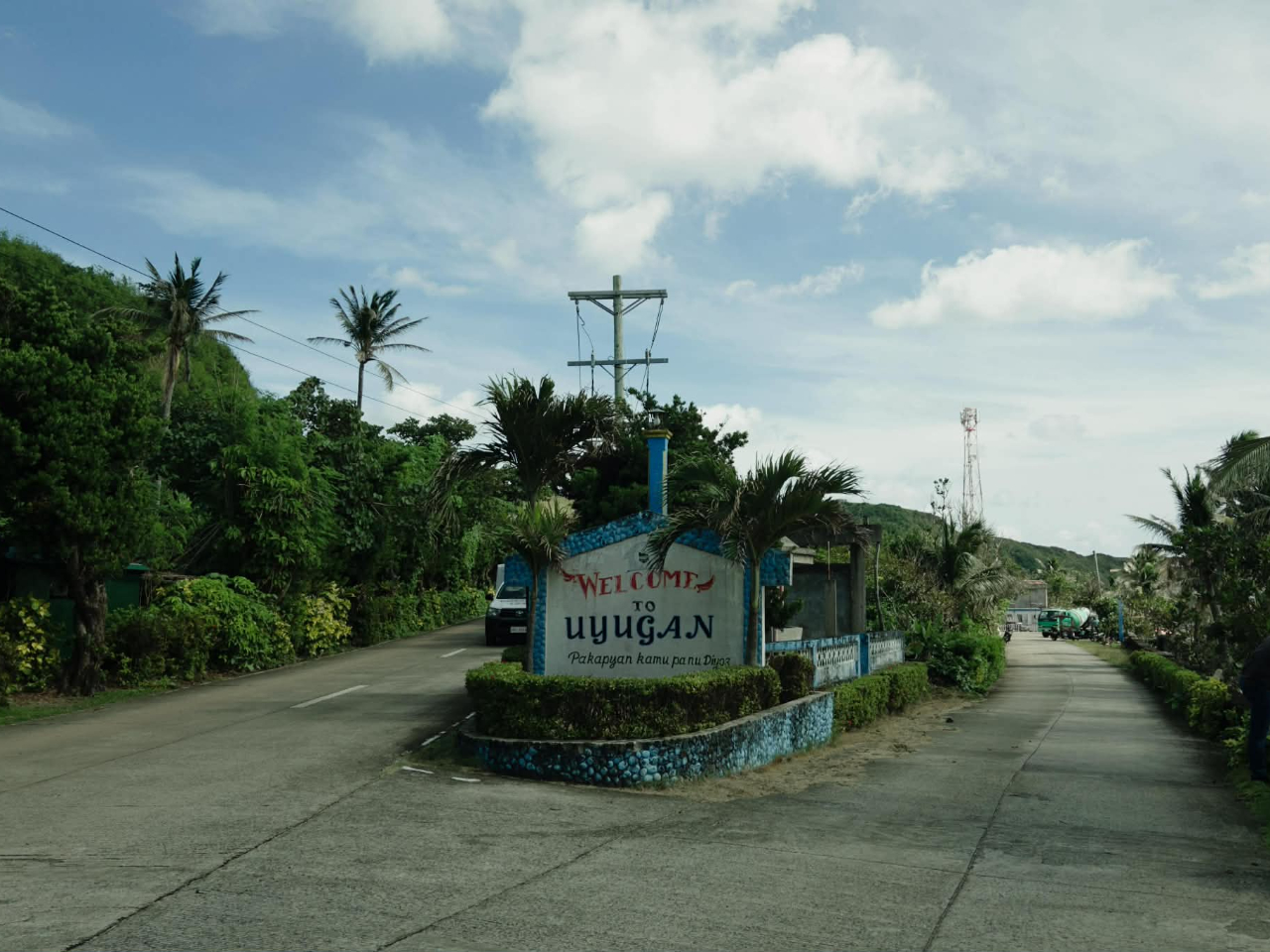
UYUGAN, BATANES — In this far edge of the archipelago, silence tells a story.
Villages are tidy but thinning, schools are open but half-full, and many of the stone houses that once defined the province now stand abandoned, patched, or replaced entirely by concrete homes easier and cheaper to maintain.
What remains is both beautiful and fragile, a landscape shaped by storms, a culture held together by memory, and a way of building homes that survives in only a handful of elders.
In this special episode of Howie Severino Presents, “Stone by Stone — Saving the heritage houses of Batanes,” the team travels to the country’s northernmost province to document the last remaining Ivatan stone houses, as stricter material regulations and changing housing preferences reshape how homes are built.
In one barangay in Uyugan, Barangay Kayuganan Captain Sarah Jonalyn Durante, 43, estimates that there are only 395 residents in over a hundred households.
The birth rate has collapsed.
“Parang mas maraming mamamatay sa isang taon kesa sa mga pinapanganak,” Durante said.
“S’yempre sa hirap ng buhay ayaw na rin nila mag-anak ng marami. Okay na sa kanila yung isa or dalawa lang... Kaso ‘yun lang, kumokonti yung tao namin.”
(Only one or two are born every year. It seems more people die in a year than are born. Families are fine with one or two children because of the high cost of living. We have fewer people as a result.)
For a province almost permanently on the nation’s bucket list, the irony is stark. Batanes is admired by millions, but seems to be inhabited by fewer and fewer Ivatans each year.
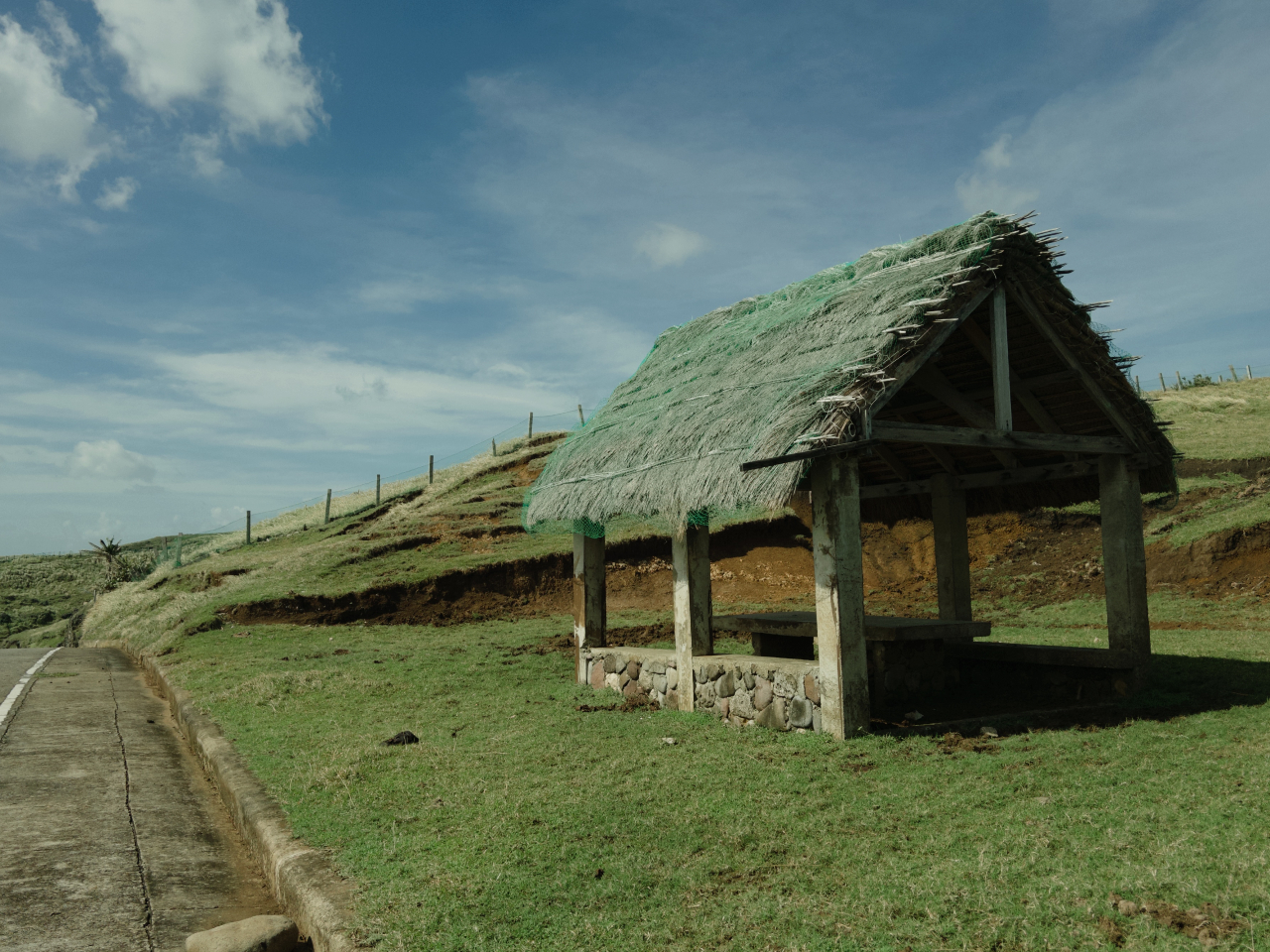
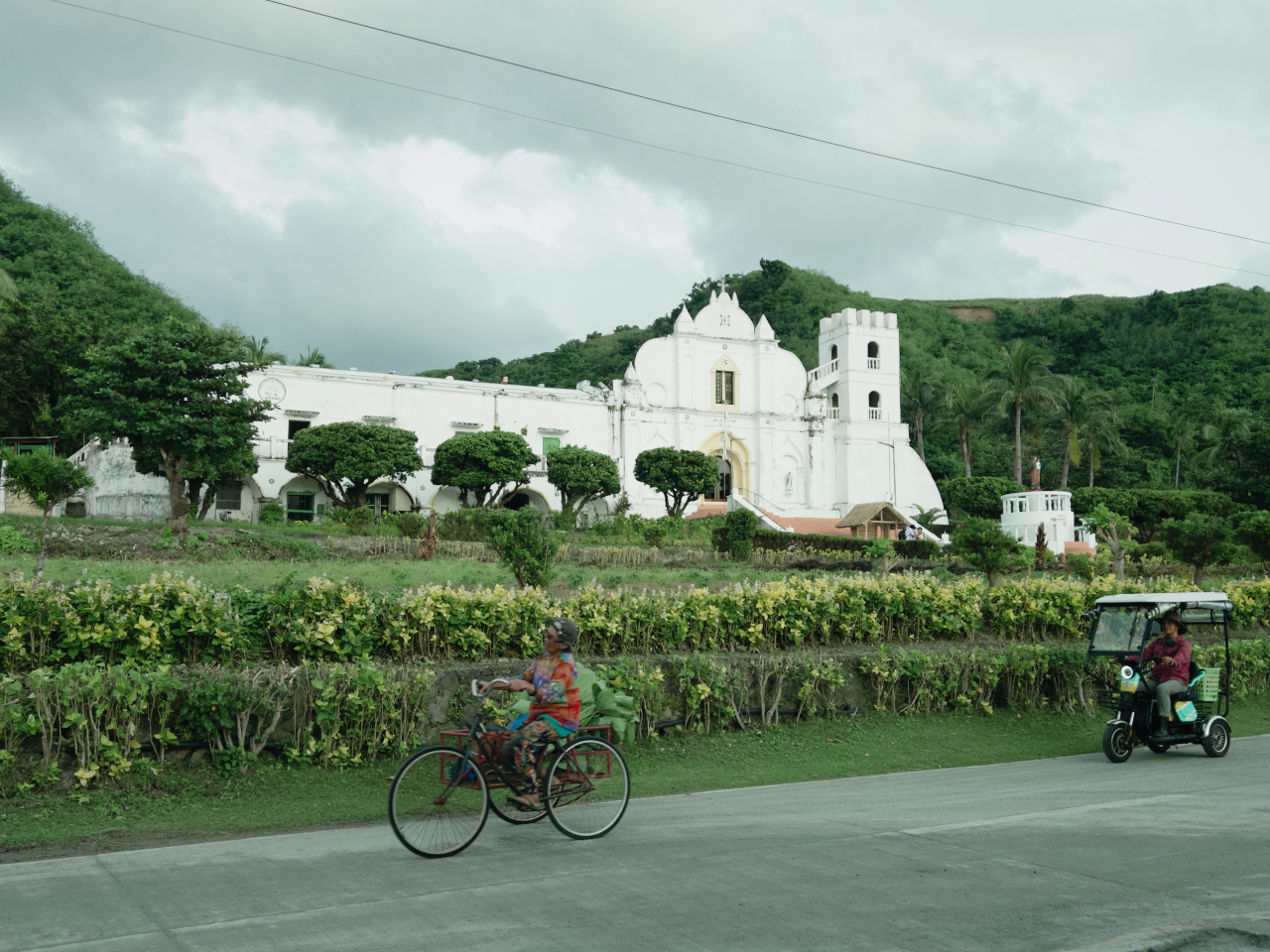
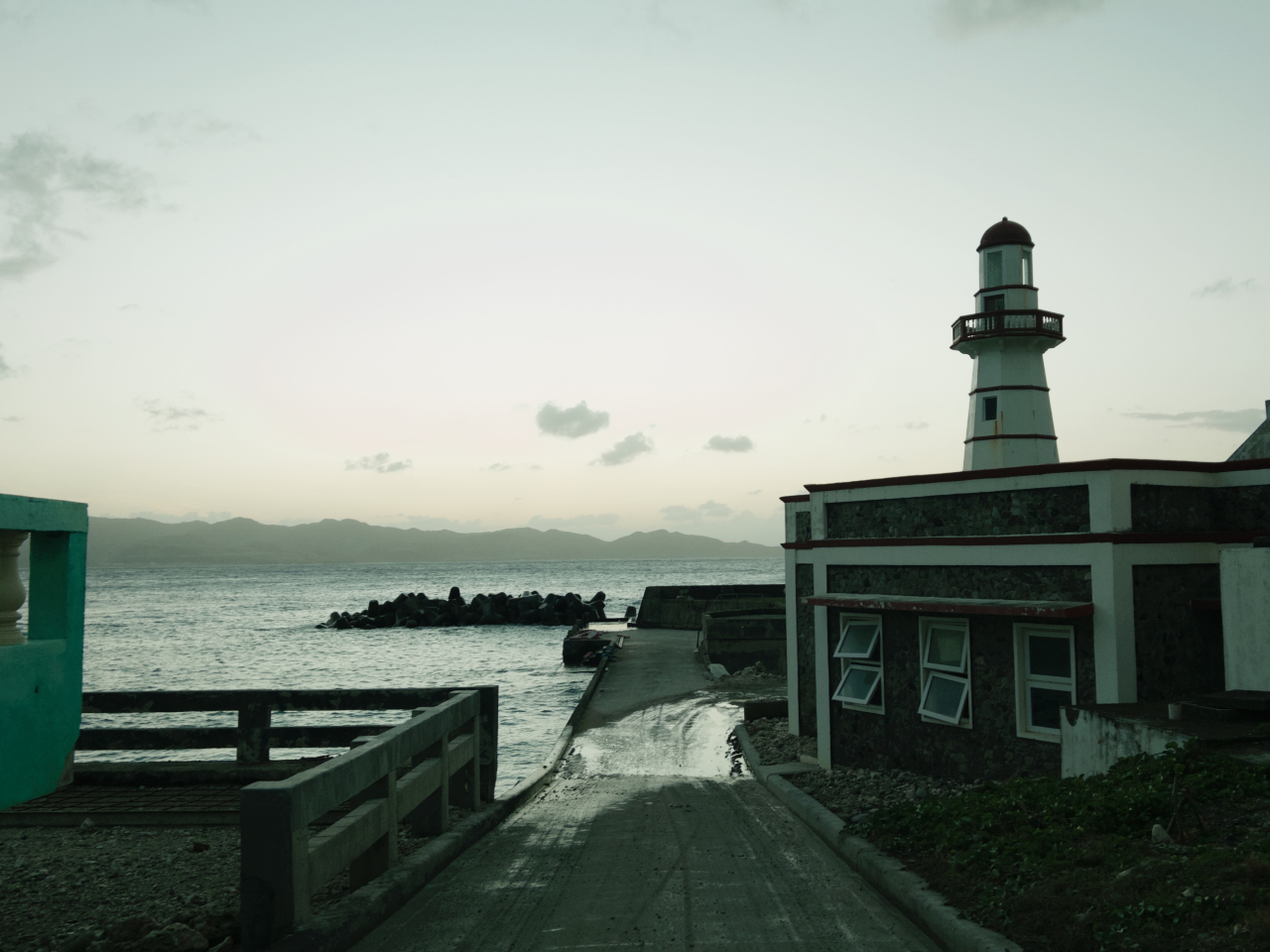
A team from Howie Severino Presents and GMA News Online went to Uyugan, a town with a population of 1,466, to witness the Department of Science and Technology - Philippine Council for Industry, Energy and Emerging Technology Research and Development’s (DOST PCIEERD) launch of what it called the Modern Resilient Ivatan House, a structure designed to echo tradition while addressing the realities of stronger typhoons and stricter building rules.
Among those at the launch were elderly Ivatans who are trying to keep the heritage of the traditional Ivatan house alive.
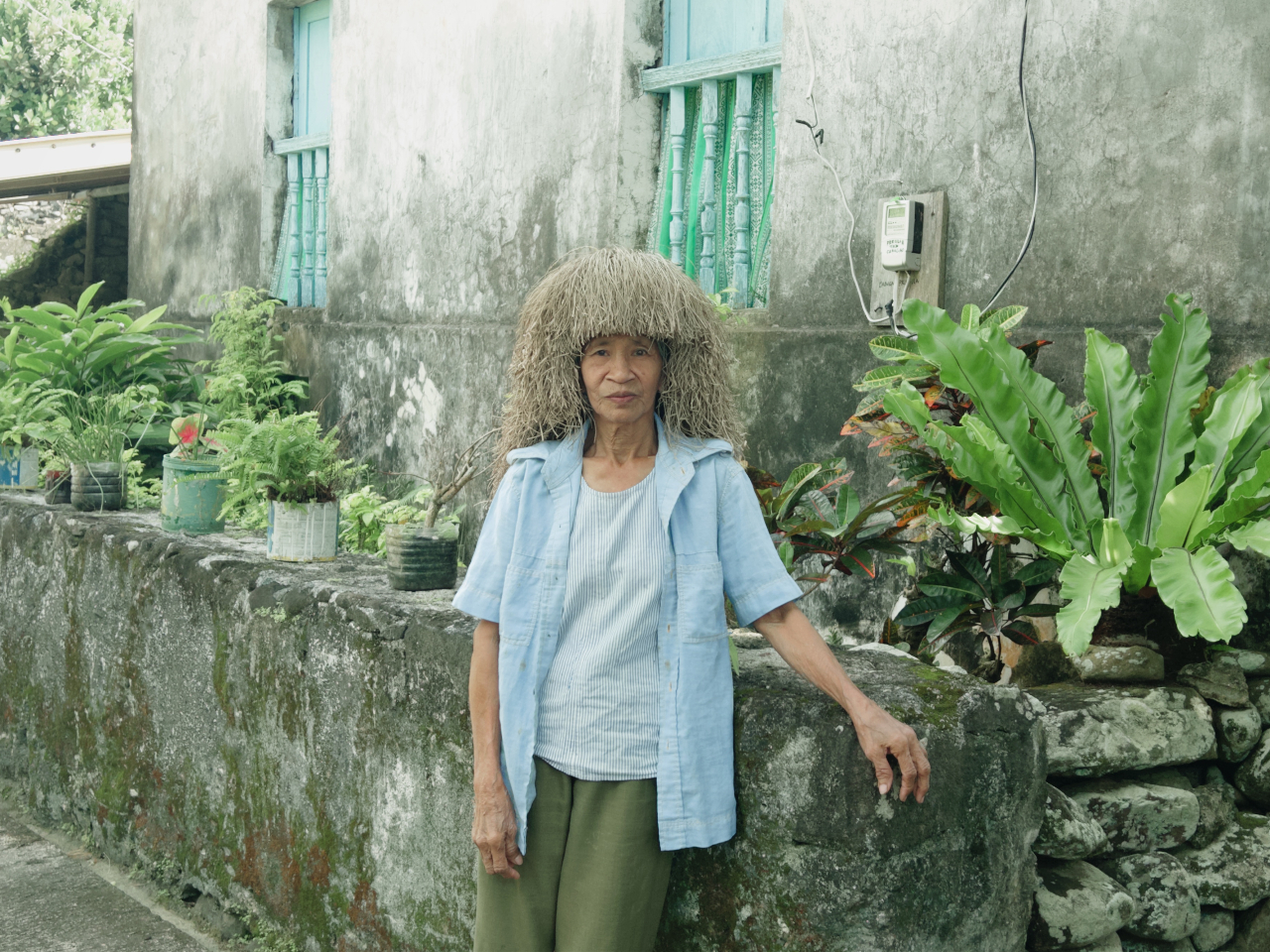
Among them is 76-year-old Priscilla Cabugao, known in Uyugan as Nanay Cela, a retired teacher, community and church volunteer, and secretary of the Kamañidungan association, the century-old cooperative responsible for helping families rethatch their cogon roofs.
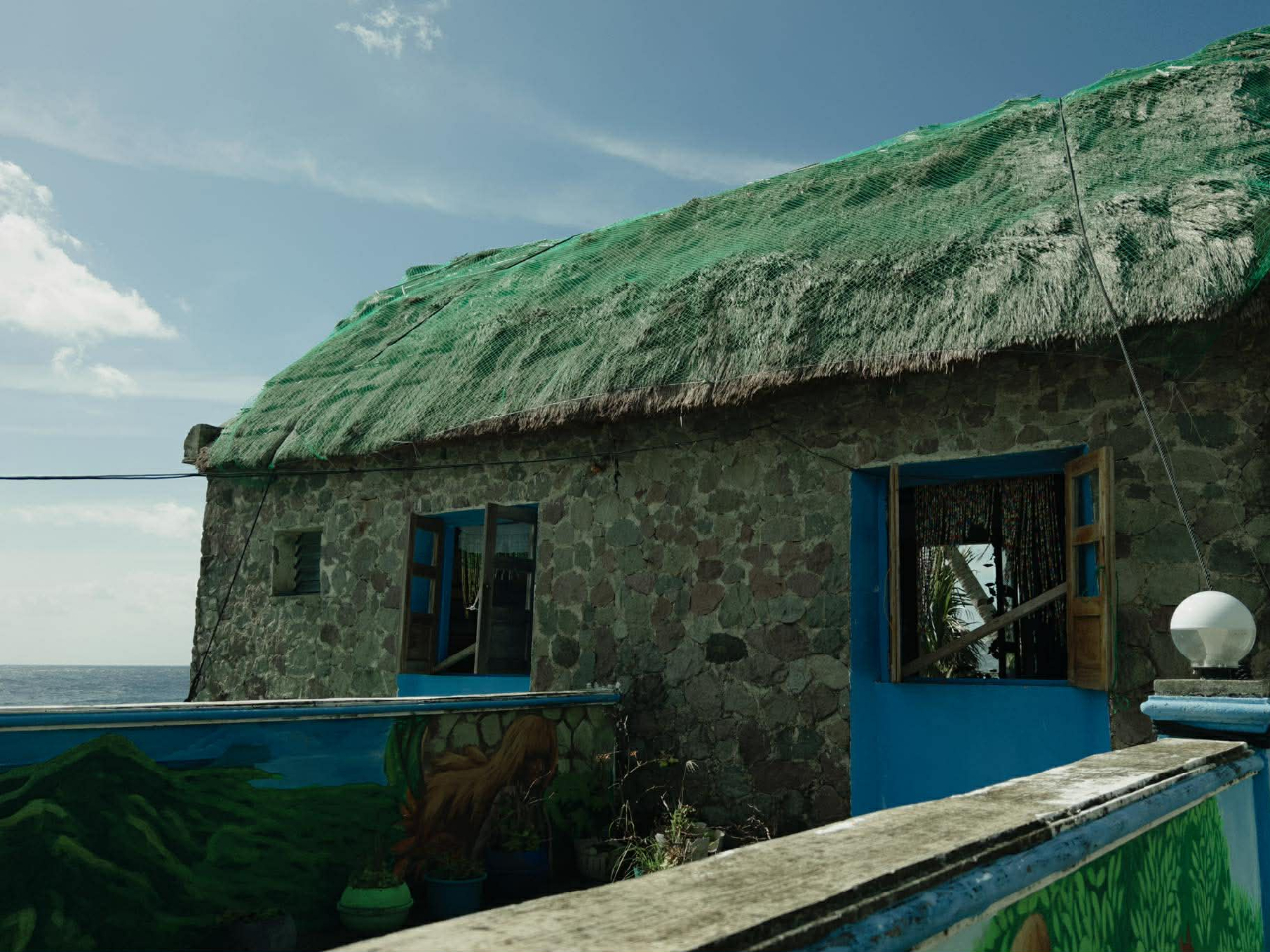
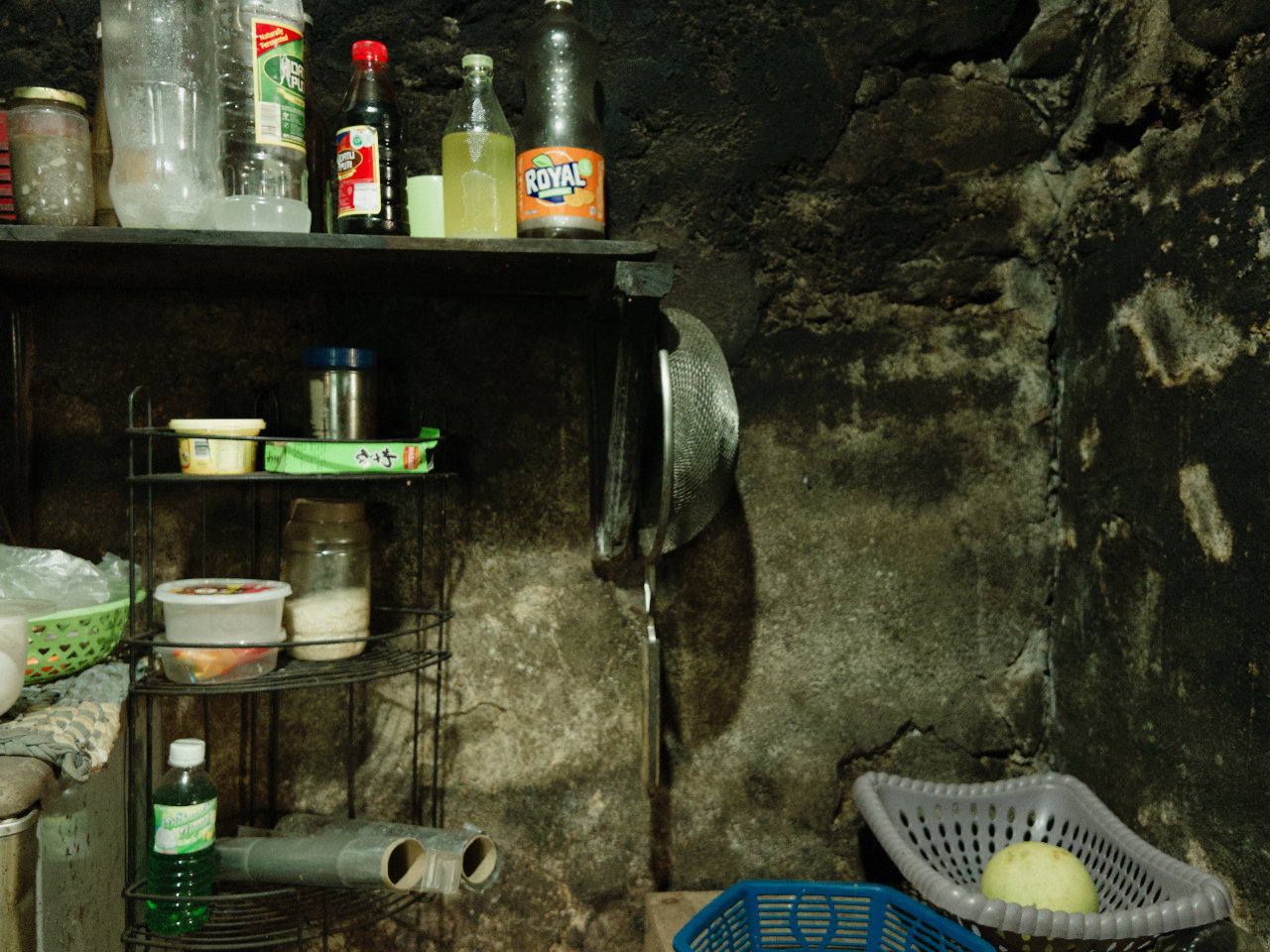
Her own home, standing by the sea in Barangay Kayuganan, is believed to be over a hundred years old. She was born in it, as were her siblings. The kitchen is original, with thick limestone walls bonded by hand-cooked lime, still uncracked, while the larger two-story living area now bears fissures from time.
“Mahirap mawalan ng ganitong bahay,” Nanay Cela said. “Hindi lang ito tirahan. Bahagi ito ng pagkakakilanlan natin bilang Ivatan.”
(It’s difficult to lose a house like this. This is not just a house. This is part of our identity as Ivatans.)

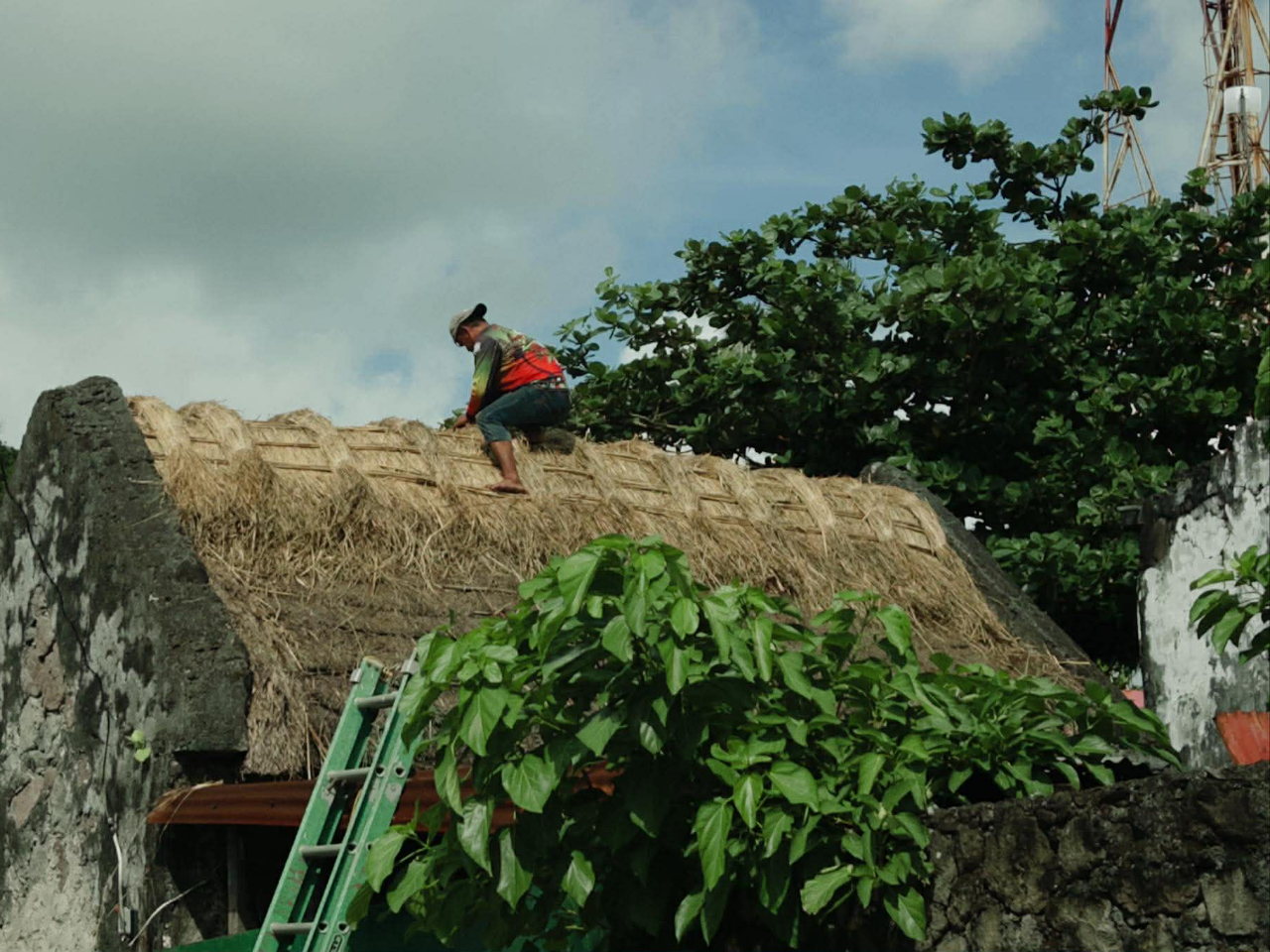
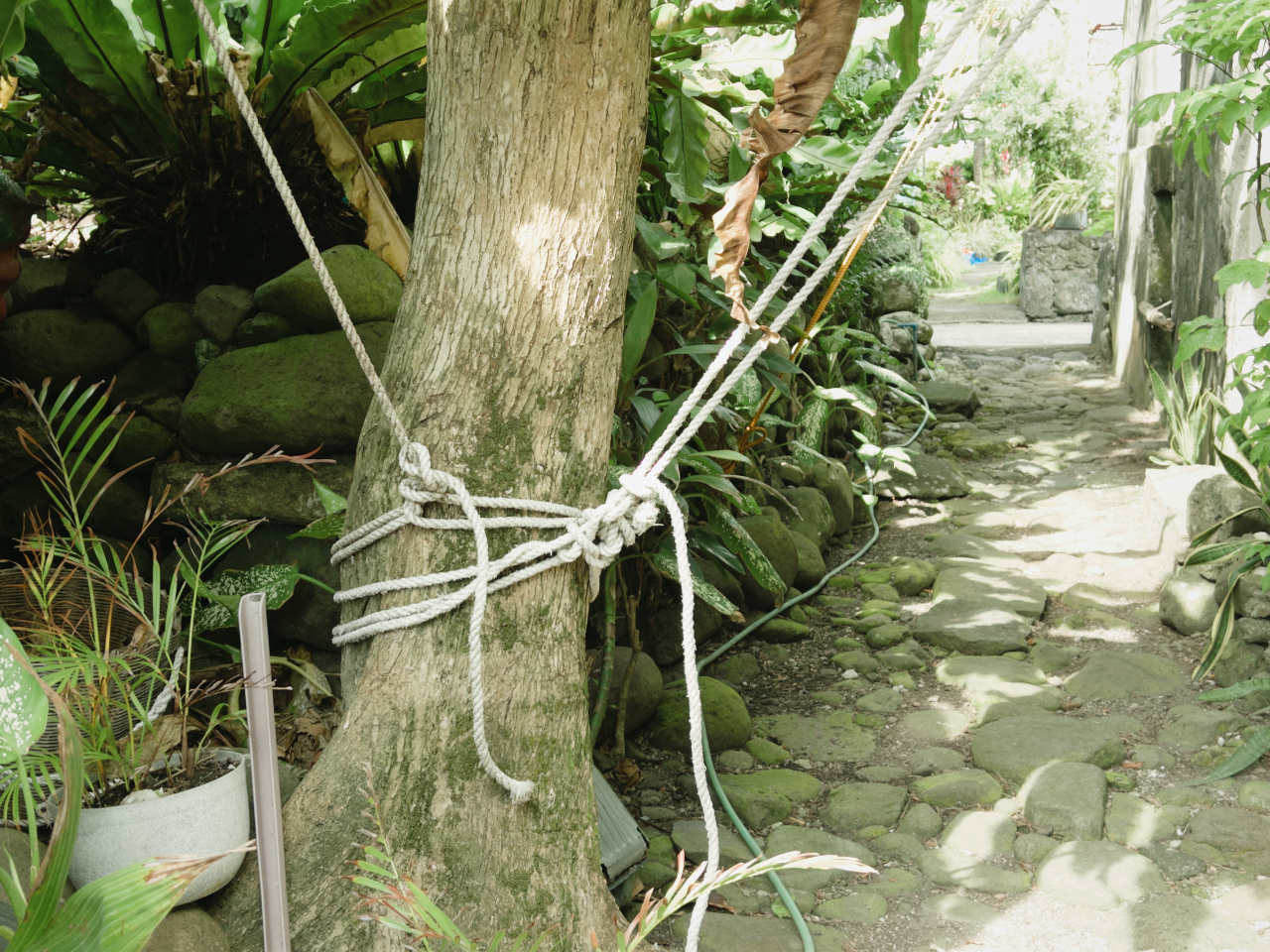
She still keeps the traditions alive, the tying of the roof before every typhoon, the seasonal re-roofing, and the gathering of cogon because many families no longer have their own fields. But everything, she says, is becoming more difficult.
“Kulang na ang cogon,” Nanay Cela explained. “Kahit may gusto mag-repair, wala silang makuhanan. At yung mga bata ngayon... hindi na interesado.”
(There’s little cogon grass. Those who will repair their roofs don’t know where to get some. The younger generation is also not interested.)
The high school included roof-repair lessons in the curriculum a few years ago, an attempt to preserve the craft, but participation has dwindled.
“Baka sa 2026, wala nang pupunta,” Nanay Cela said quietly.
(By 2026, there might be no more participant.)
Still, Nanay Cela keeps her house standing for the next generation to see, even if she fears that generation might not live in Uyugan much longer.
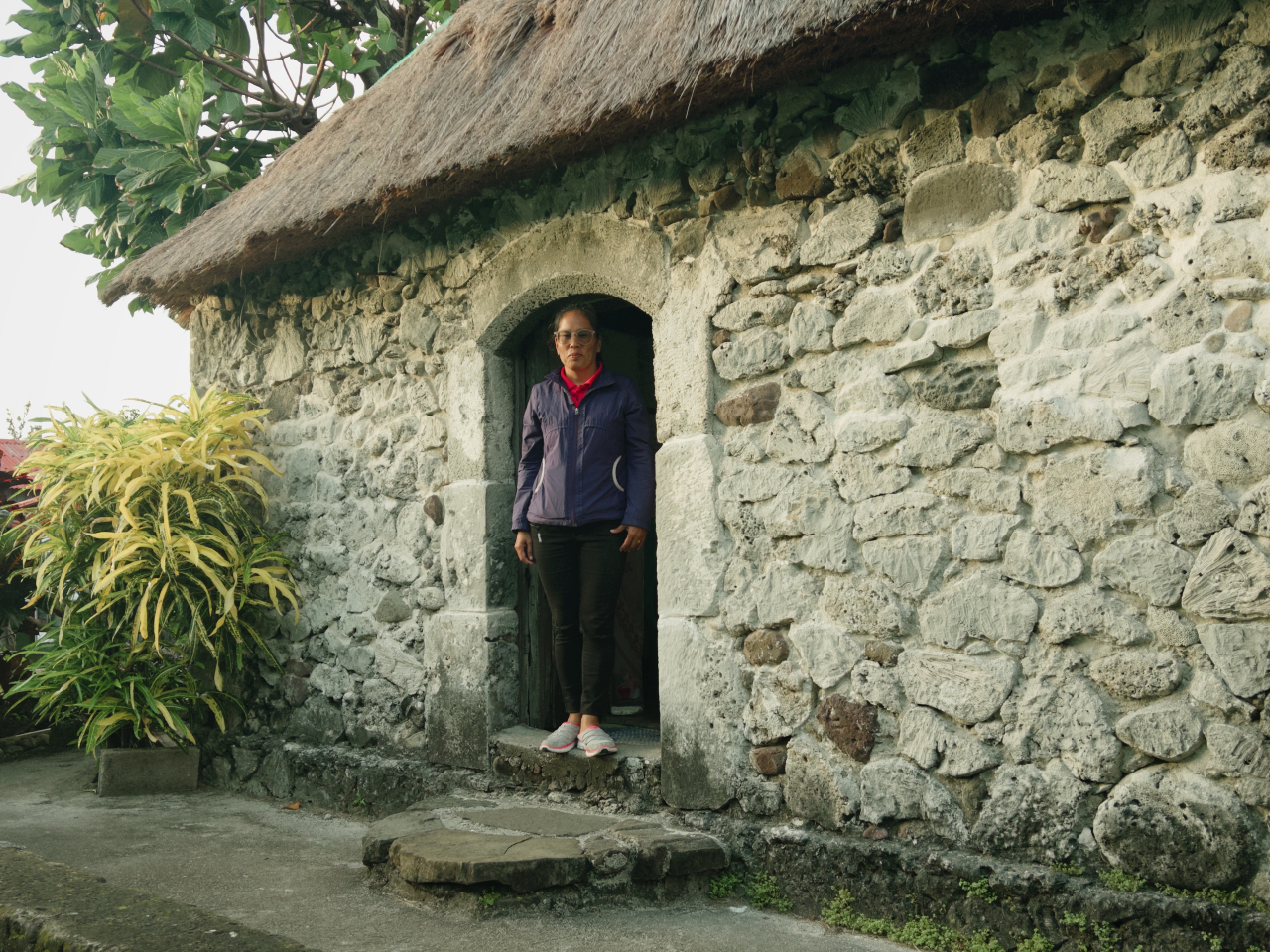
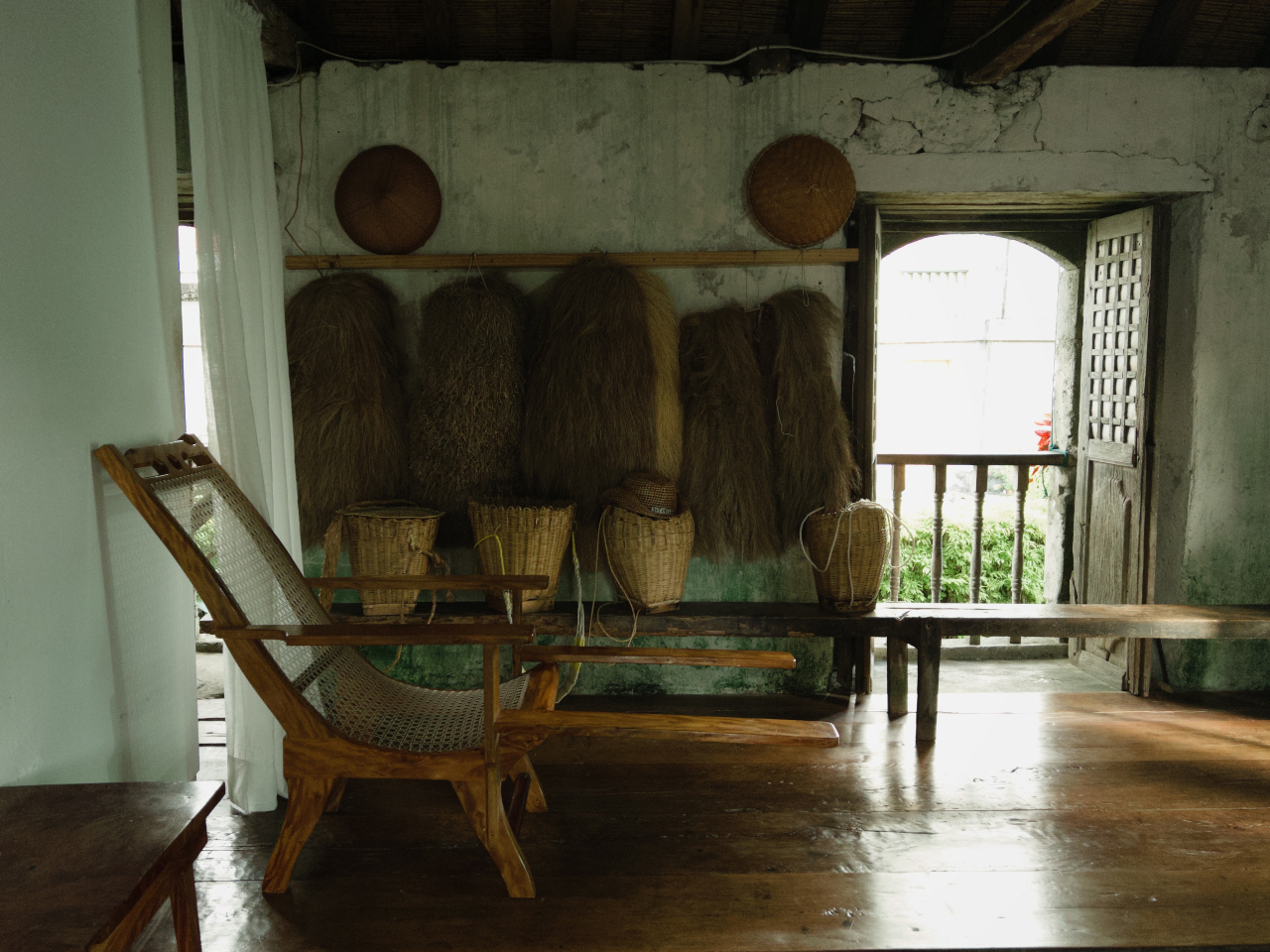
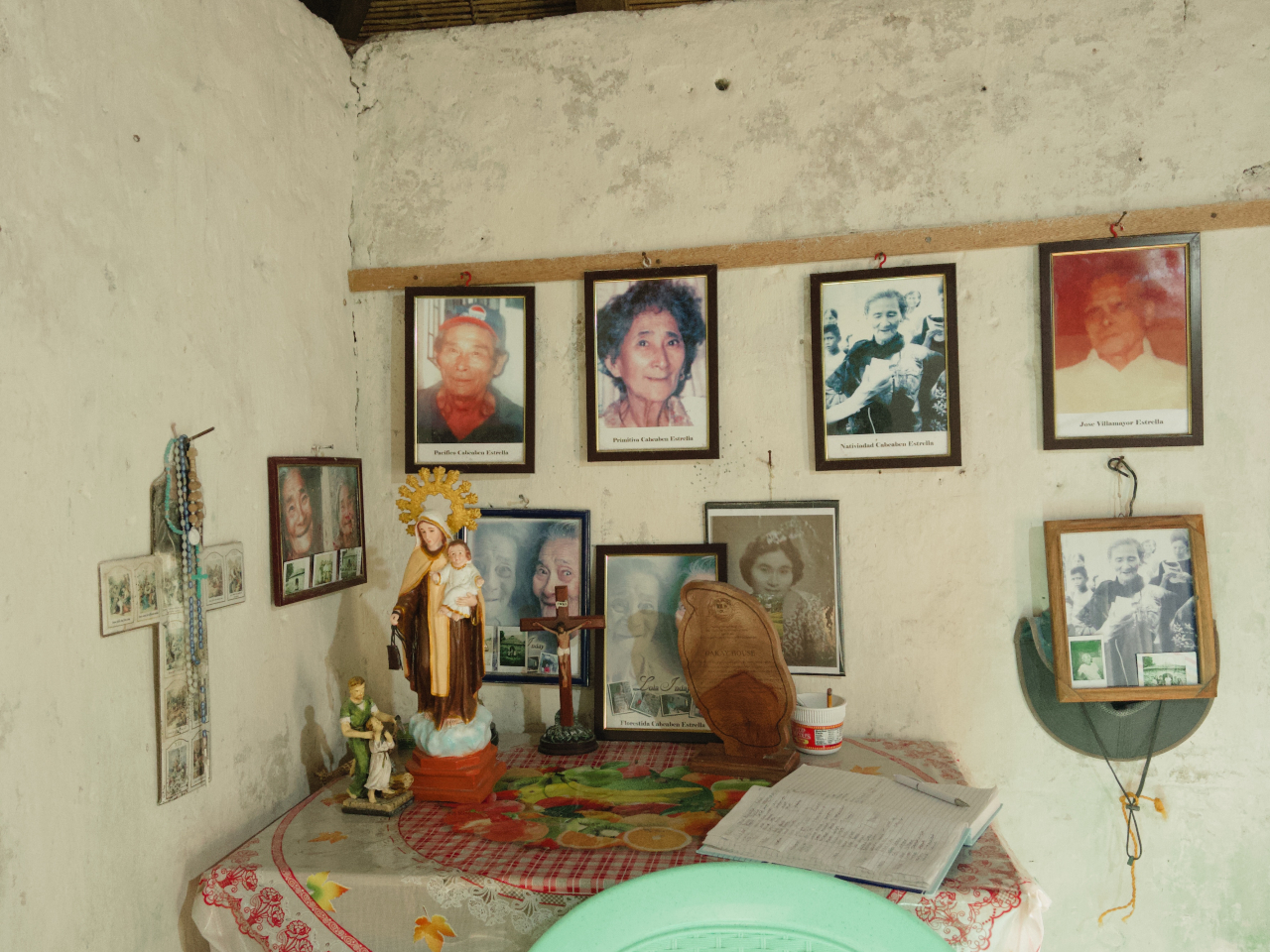
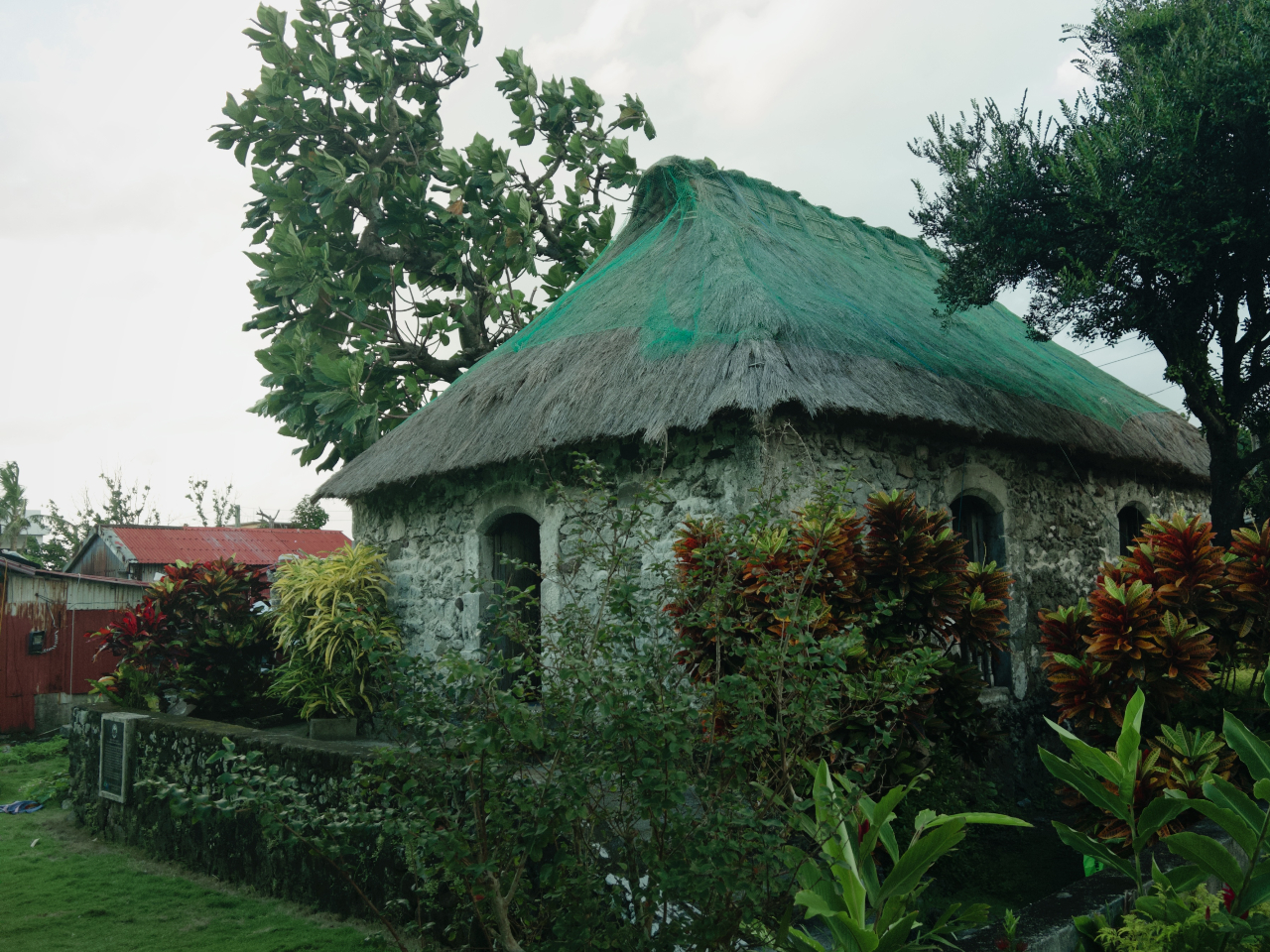
For decades, the Ivatan house stood as one of the country’s most admired examples of indigenous architecture, with thick limestone walls, low profiles that resisted the wind, and cogon roofs that deflected storms rather than resist them.
Many of the oldest homes, like the House of Dakay in Ivana, one of the few survivors of the 1918 earthquake, proved how durable the architecture can be when communities maintain them through cooperation.
But maintenance is expensive and increasingly difficult.
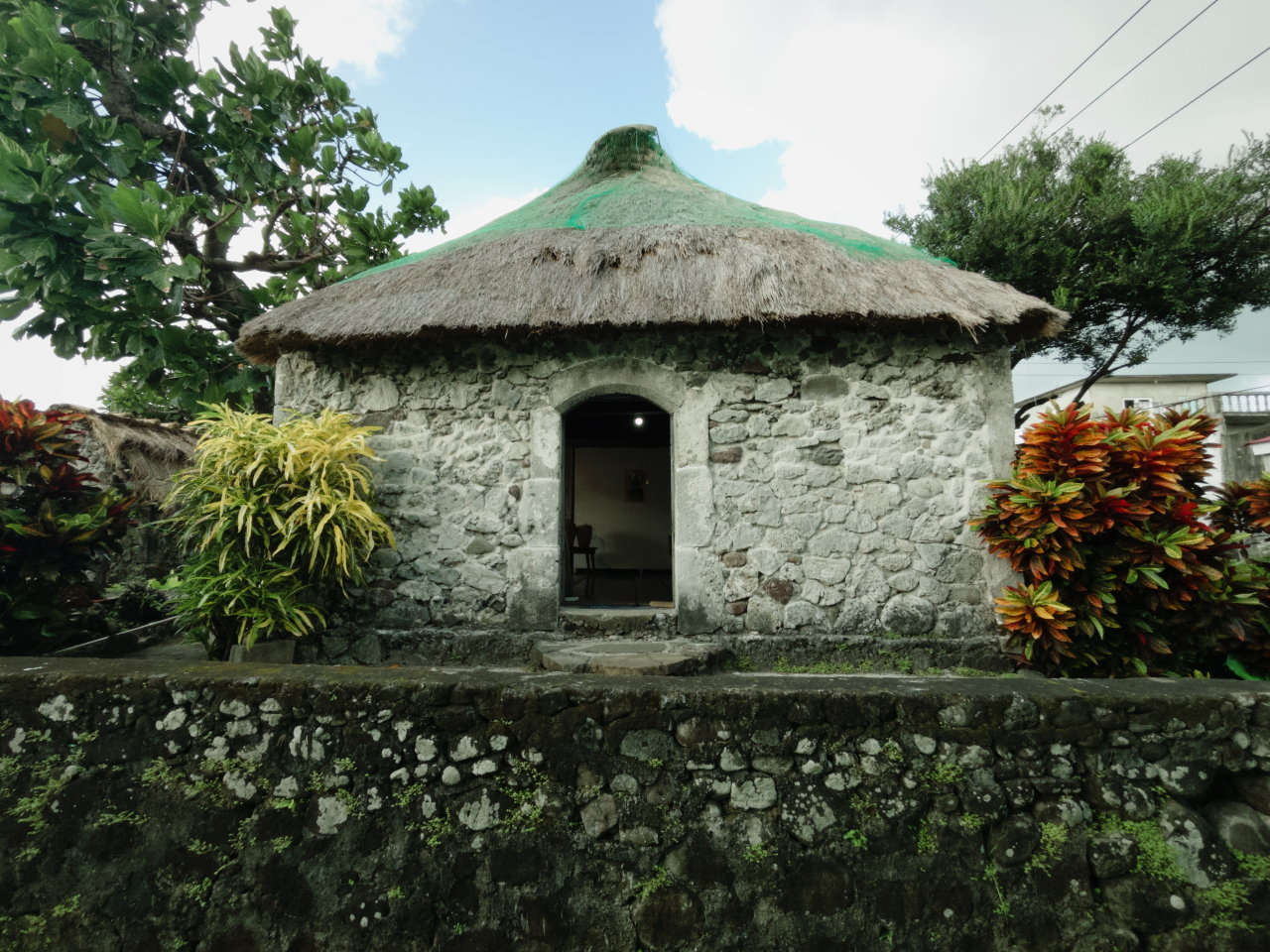
Photo by Sherylin Untalan
The residents said they could no longer freely gather certain construction materials because of protected-area rules under the Batanes Protected Landscapes and Seascapes.
Lime-making, once common, is now restricted and highly regulated. Several species of wood previously used in beams may not be harvested without permits.
The intent of the regulations is good, to protect the environment of a province that is both delicate and unique. But for homeowners, especially the elderly, the rules add another layer of complexity to an already vanishing craft.
“Kung minsan kahit tumutulo na, di pa nila napapalitan kasi hindi pa makabili ng materyales,” said Nanay Cela. “Hindi kagaya noon.”
(We can’t repair leaking roofs immediately because it’s difficult to source the materials, unlike before.)
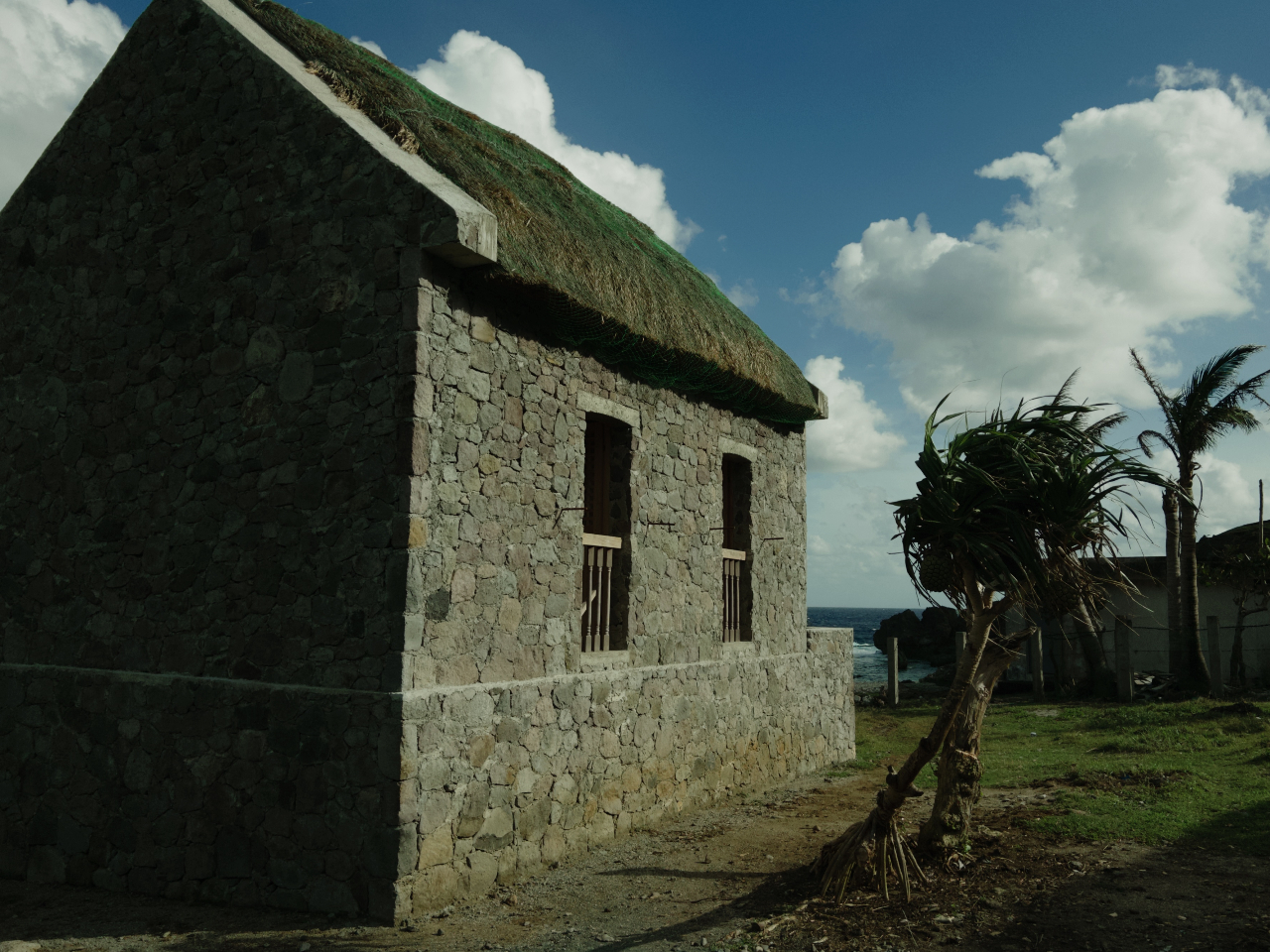
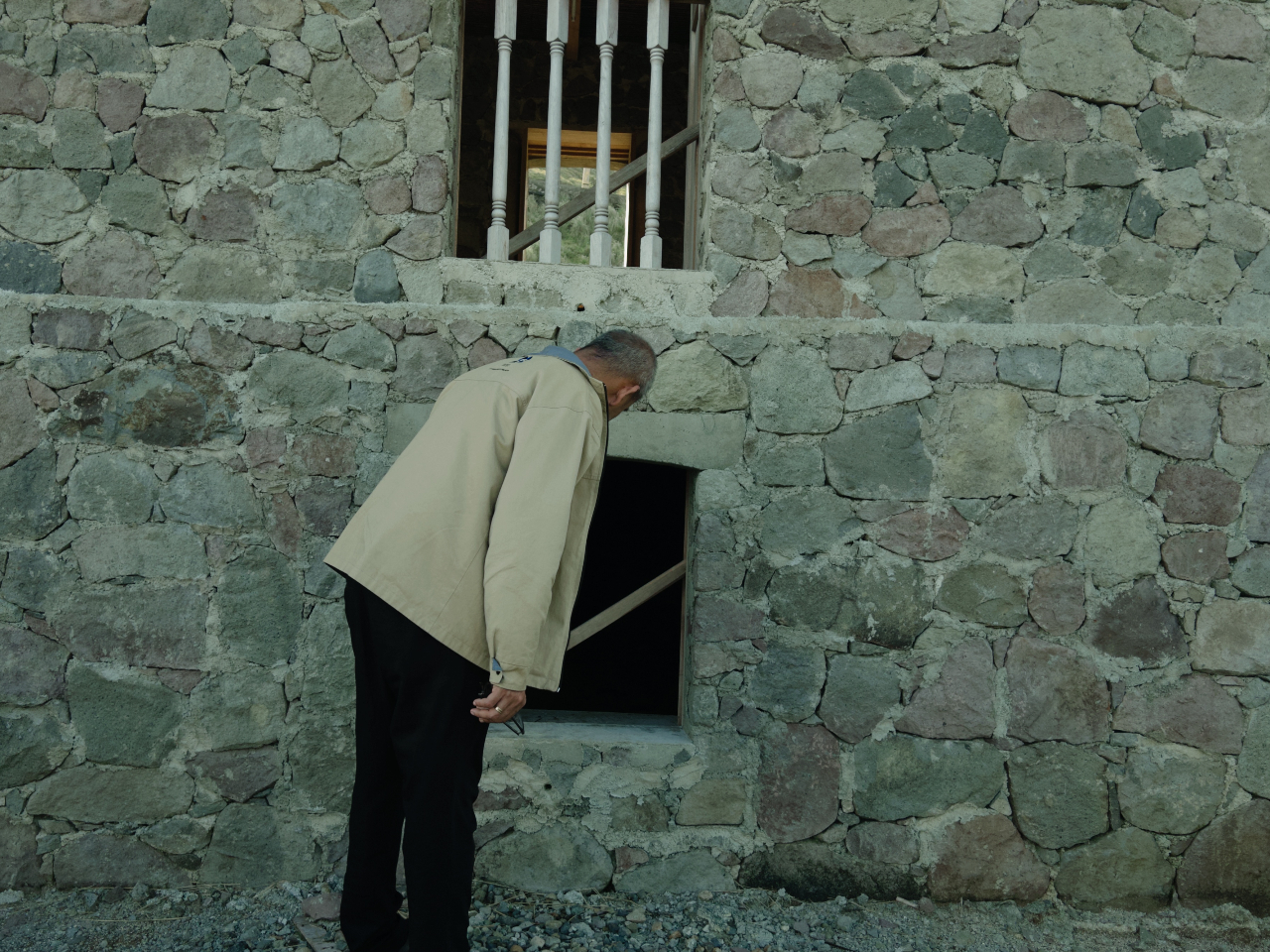
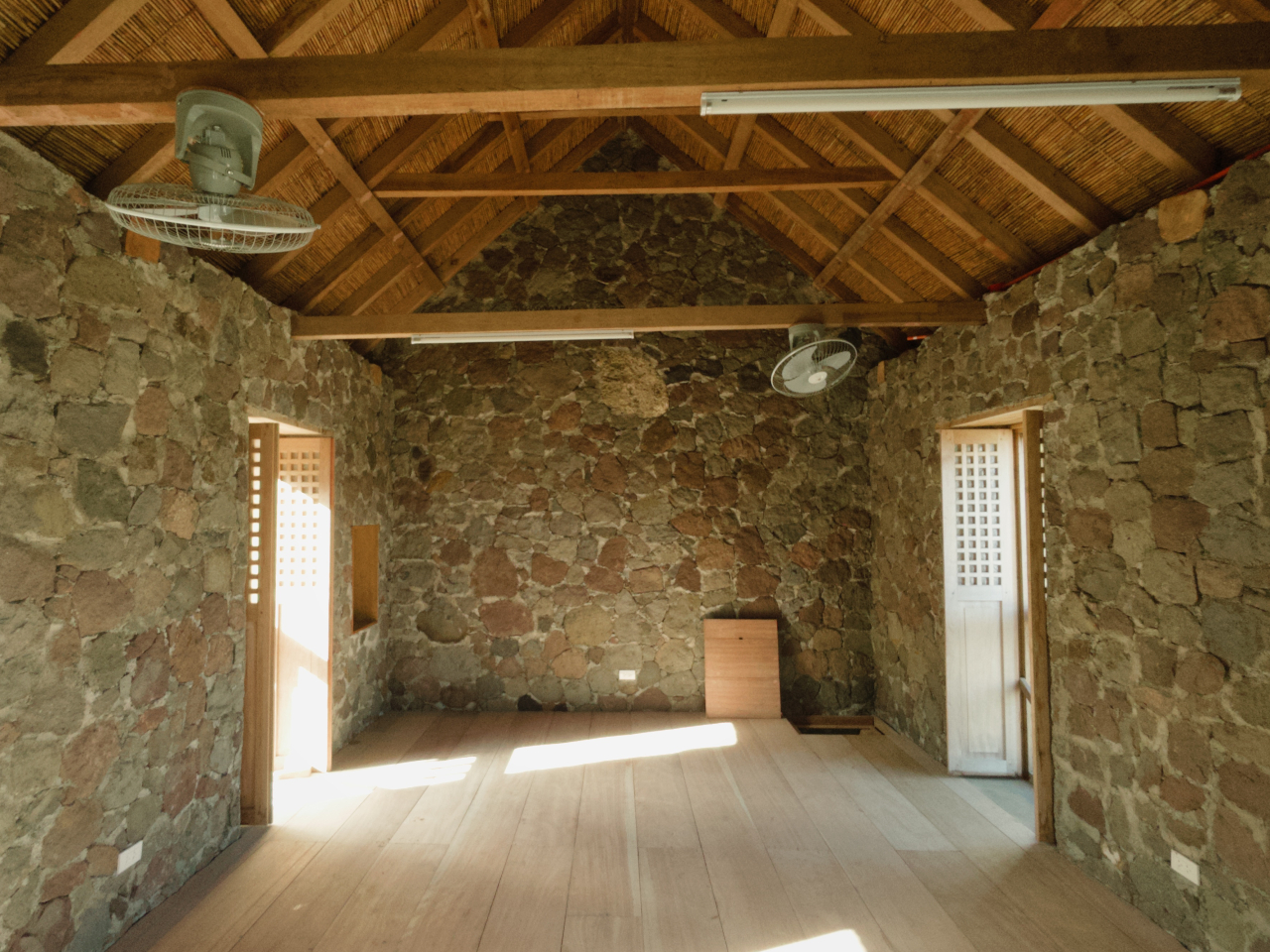
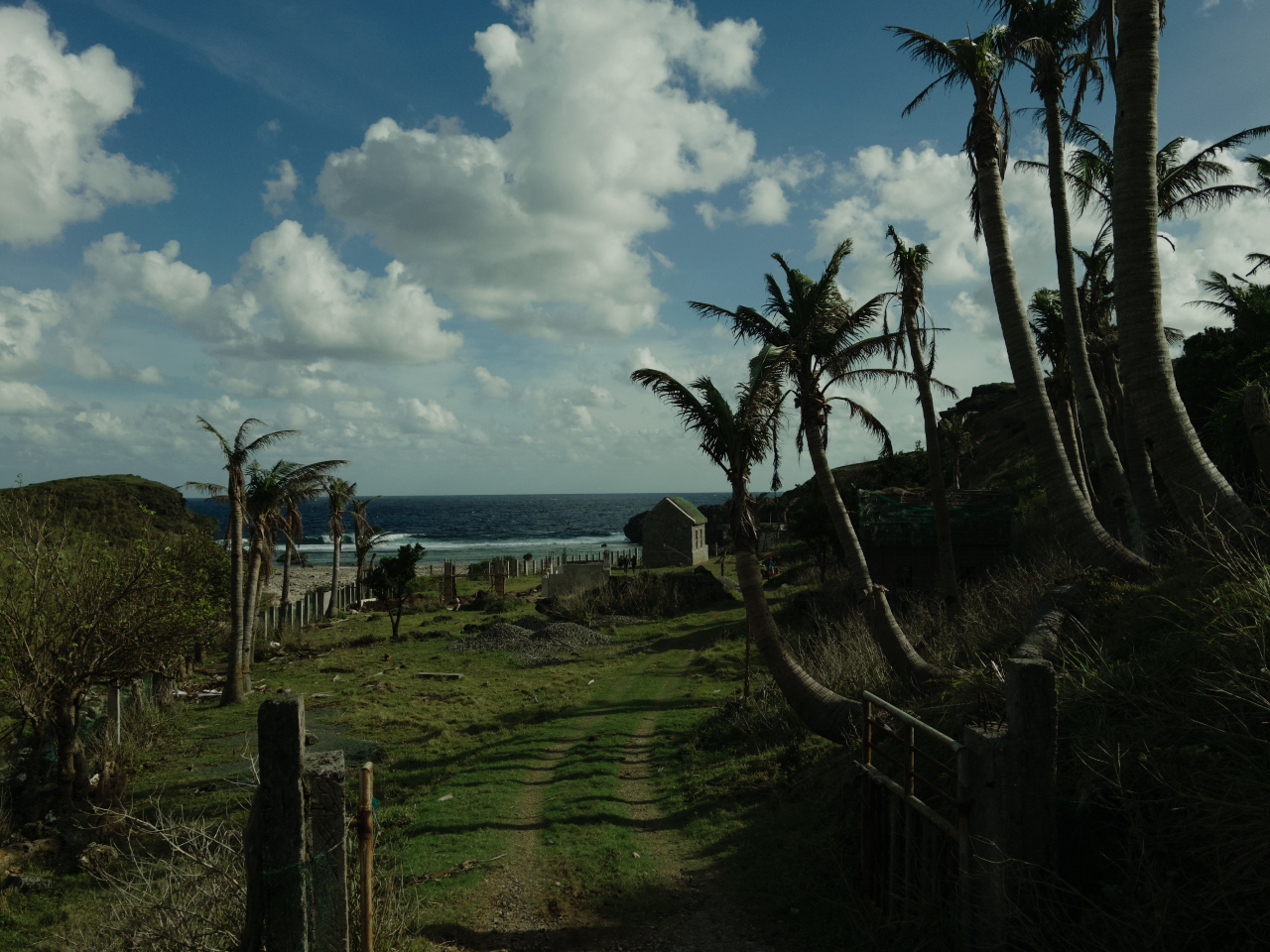

The launch of the Modern Resilient Ivatan House, developed by the DOST PCIEERD and Cagayan State University (CSU), is meant to provide an answer, a home designed with the silhouette of tradition but reinforced for earthquakes, storm surges, and modern living.
Its walls are double-layered, with real stone outside and concrete inside. Its roof is steel, shaped like a cogon silhouette. Materials that once required long harvesting or hand-making now have engineered alternatives.
The hope is simple. If the house cannot return to tradition, perhaps technology can protect what tradition stands for.
“Kung maging successful ito,” Nanay Cela said while inspecting the model house, “baka gayahin na ito.”
(If this becomes successful, many will adopt it.)

But others worry that imitation isn’t preservation, and that replacing traditional features with modern substitutes weakens the identity they are fighting to save.
The debate is not heated. It is quiet, reflective, and deeply Ivatan.
At its heart lies a question about what it means to preserve a culture when the conditions that shaped it are changing.
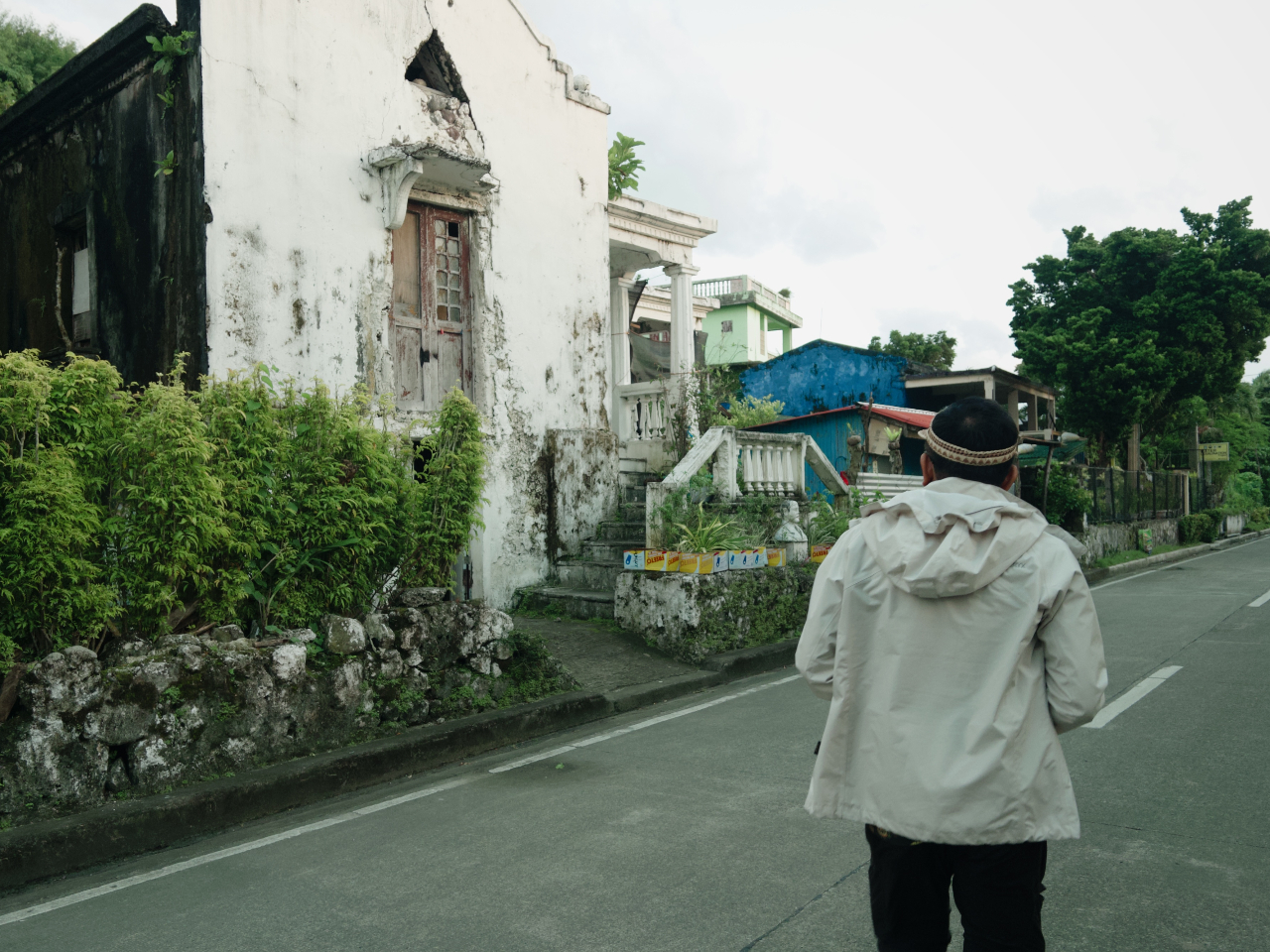
Photo by Sherylin Untalan
A walk-through of the town with local officials and guides showed traditional houses in varying conditions.
Some are pristine and still lived in, while others are cracked but still maintained. Several have been turned into storage rooms, and a number of them have been abandoned entirely, overtaken by grass or repurposed for livestock or tools.
Only 25 cogon-roof houses remain in the center of Uyugan.
“Hindi na sila nagtayo ng bago,” Nanay Cela said. “Pinapalitan na lang ang lumang bubong. Pero wala nang bagong native house na ginagawa ngayon.”
(They didn’t build new ones. They just had the roofing changed. No new native house is getting built.)
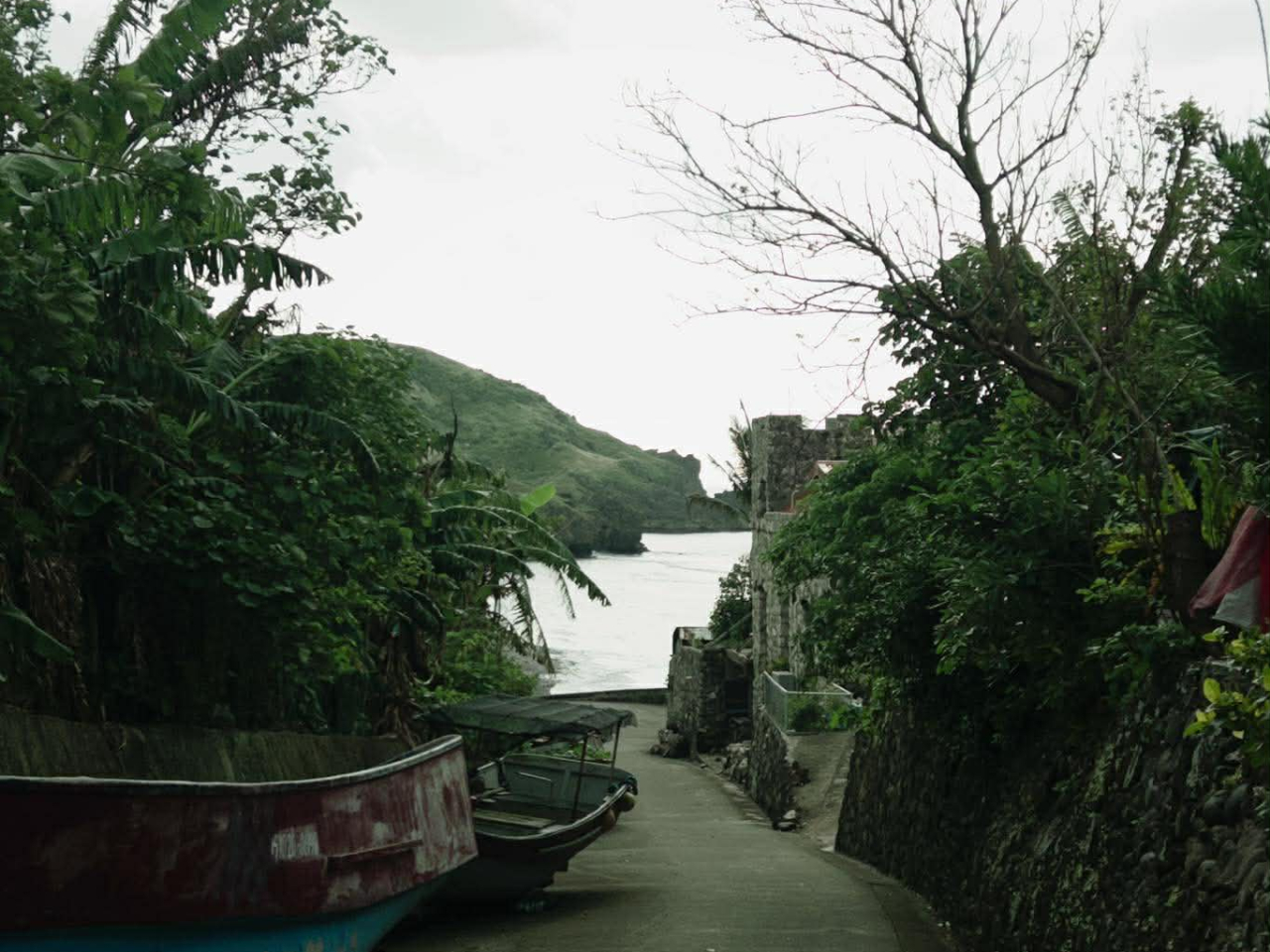
Concrete houses, often more spacious and easier to repair, line the roads.
Young families are said to prefer them with limited land, and thick stone walls taking up precious square meters.
“Gusto nila ma-maximize ang lote,” the mayor said. “‘Yung iba, nasa gitna lang ang bahay. Nasasayangan sila.”
(They wanted to maximize their property. Some have their house in the middle of the lot. They find it a waste.)
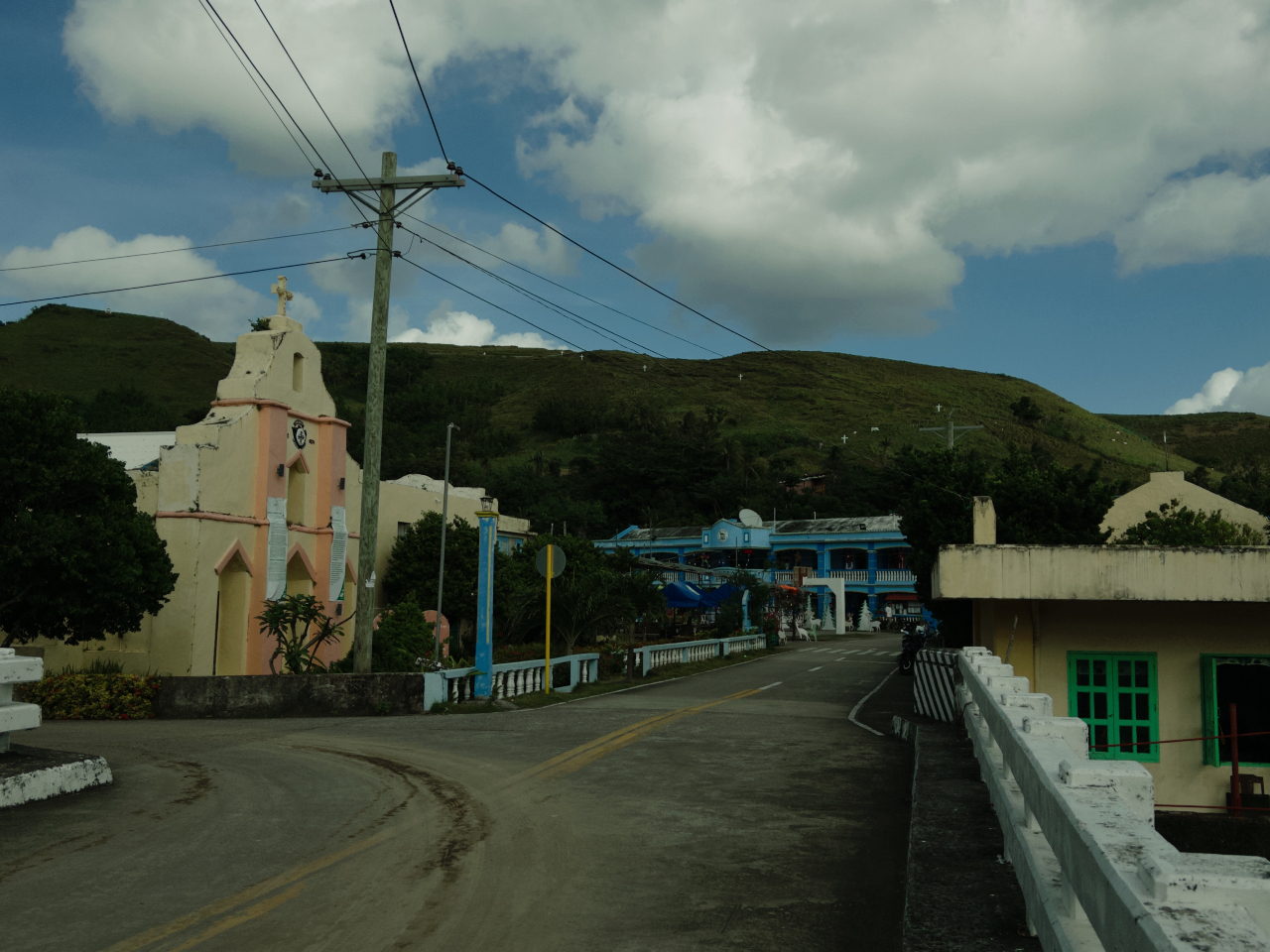
Photo by Sherylin Untalan
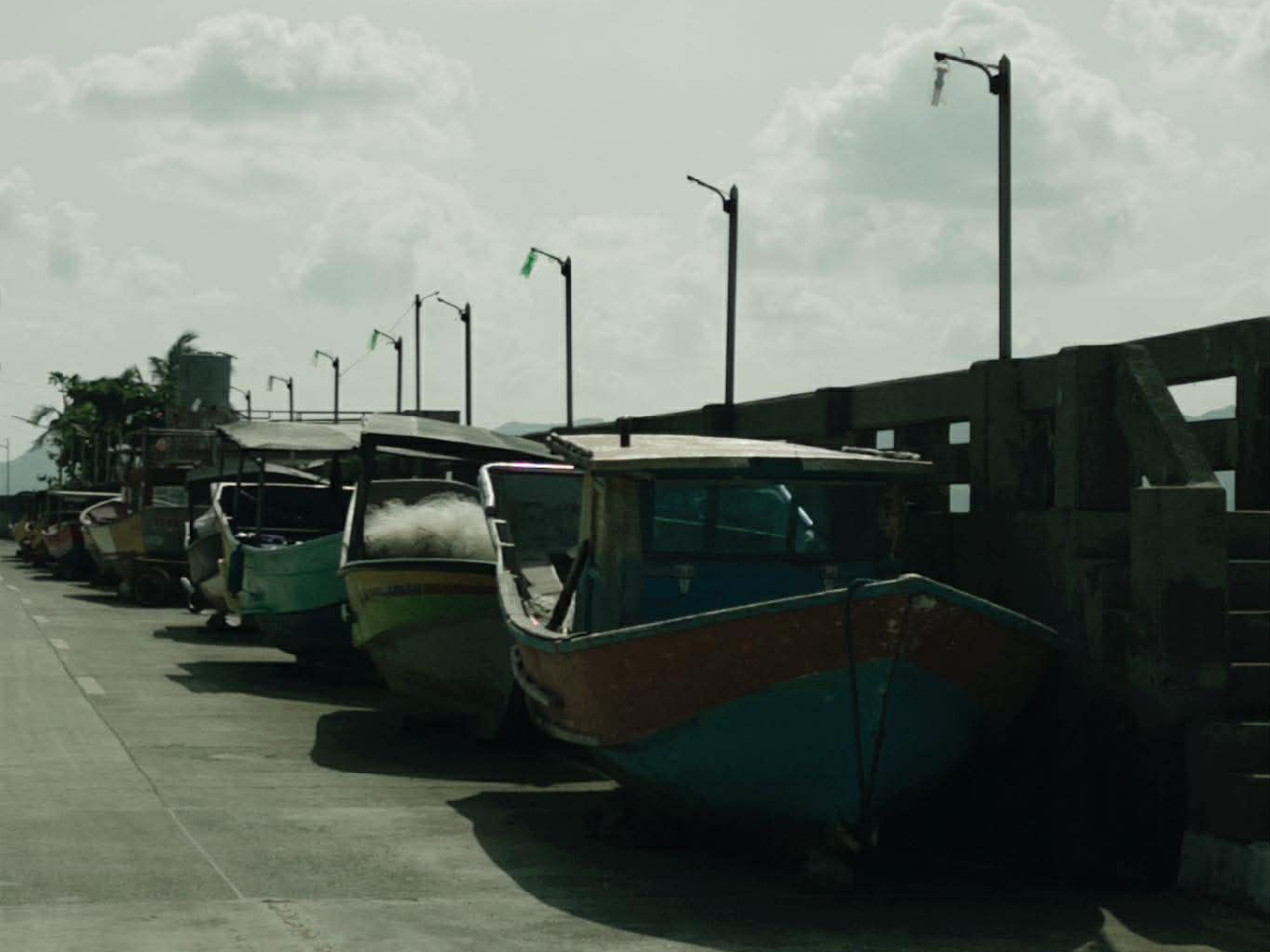
Tourists often imagine Batanes as an untouched paradise. For its residents, geography is both a blessing and a burden.
Flights are limited to turboprops. Basco Airport’s runway restricts aircraft size, and crosswinds frequently cancel flights. Locals who need medical evacuation pay not only airfare but ambulance transfers, hotel stays when stranded, and repeated rebooking fees.
The mayor said the province has long appealed for discounted fares for residents. “Ang mahal talaga,” he said. “Sana may special rate para sa mga Ivatan.”
(The price is exorbitant. I hope there are special rates for Ivatans.)
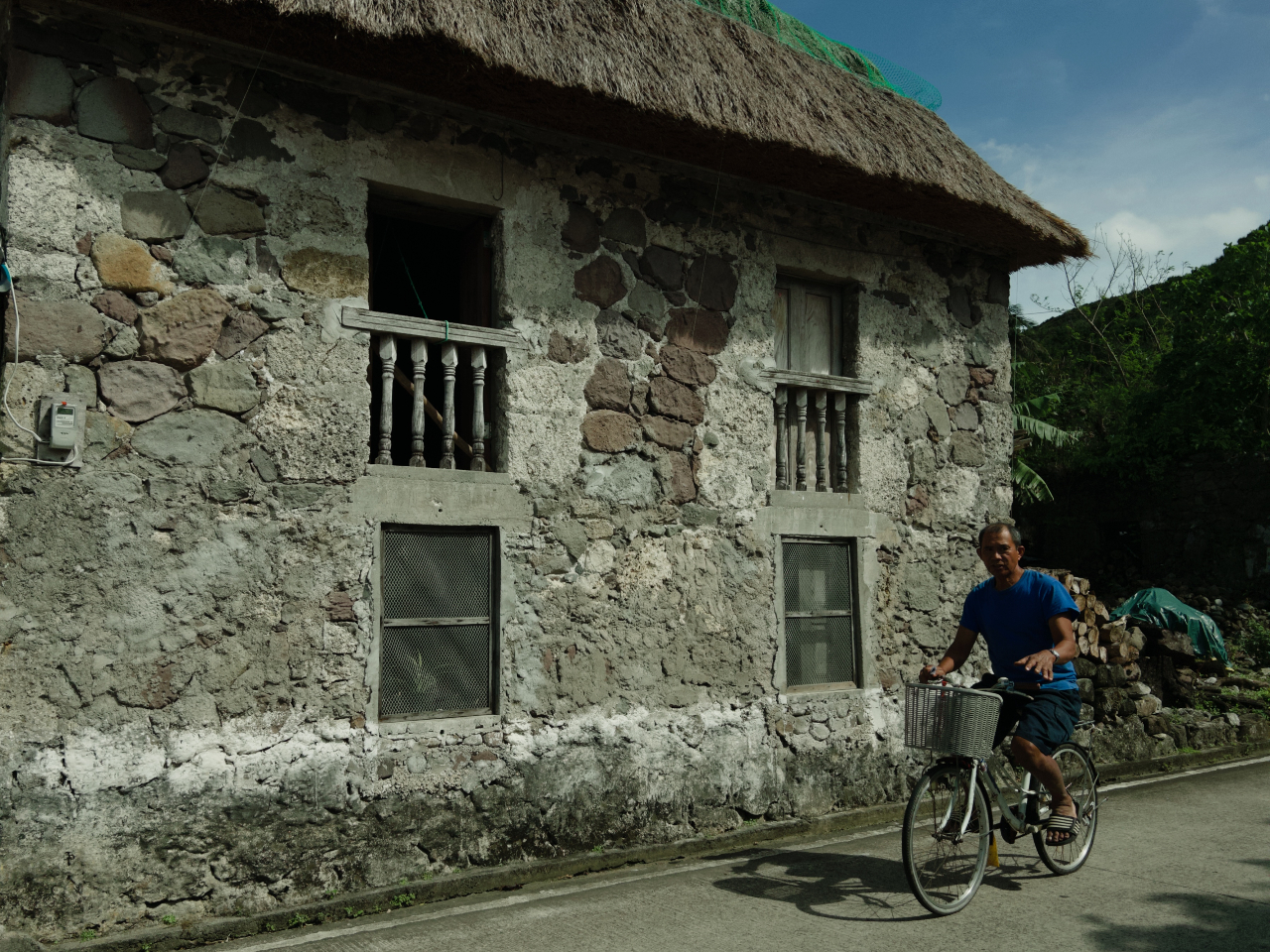

Farther into Barangay Kayuganan stands the home of farmer and foreman Jerold Hordoñez. It is also estimated to be around a hundred years old.
His parents left him no land, no business, only this house. And to him, that is enough.
Jerold maintains two layers of cogon on the roof, replaced every two years. He ties it down with rope and fishing nets when storms approach.
But maintenance comes with mounting challenges. The supply of cogon is thinning, and wood must be bought from mainland Luzon.

Lime is also difficult to obtain because of the environmental regulations, and transportation costs make even simple repairs expensive.
Still, Jerold insists on preserving the home so that his grandchildren, not even his children, will inherit it intact.
“Kasi ito lang ang minana ko,” he said. “Dapat mabigay ko sa kanila.”
(This is my only inheritance. I want to bequeath this to them in turn.)
Still, Jerold said his children might live elsewhere someday.
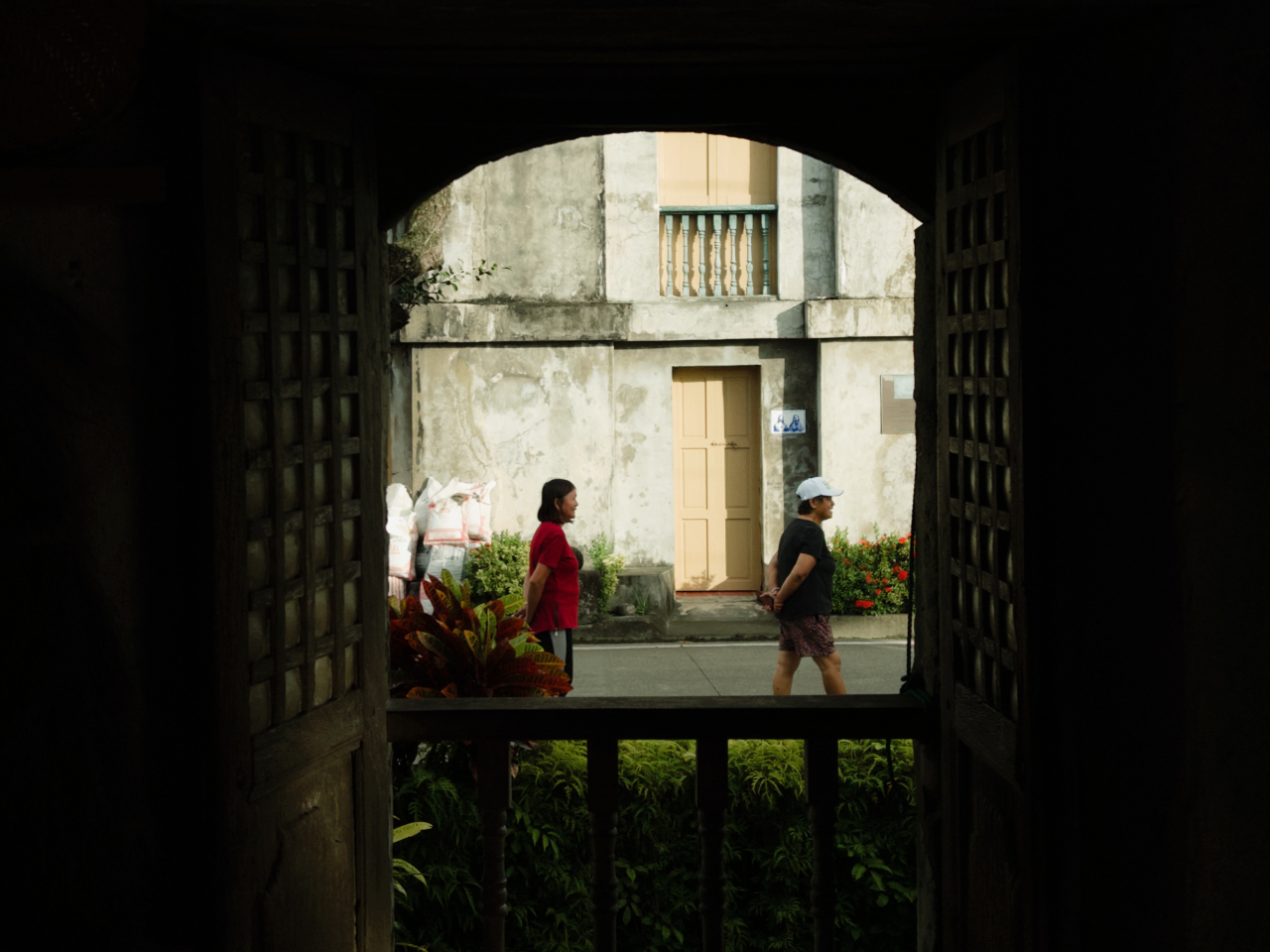
Photo by Sherylin Untalan
Batanes is changing, not abruptly, but steadily, quietly, like erosion. Houses that once stood as symbols of resilience are now vulnerable not to storms, but to neglect.
Skills passed down by elders slip away when there are no apprentices left.
“Pag hindi na ‘to makita,” Nanay Cela said softly about the houses. “Batanes pa ba siya?”
(If these native houses are no longer here, is this still Batanes?)
Her question lingers in the air, not dramatic, not sentimental. Simply true.
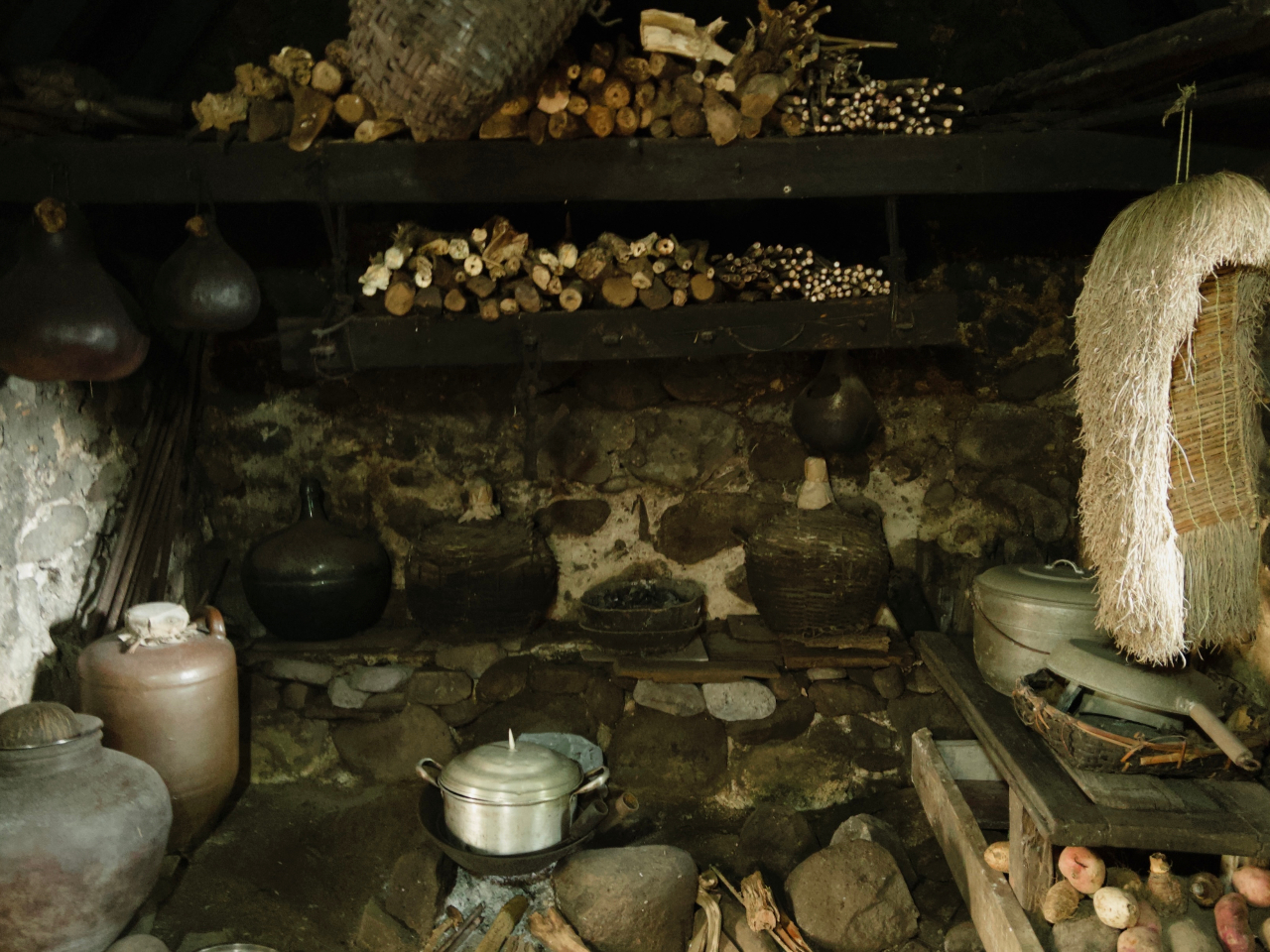
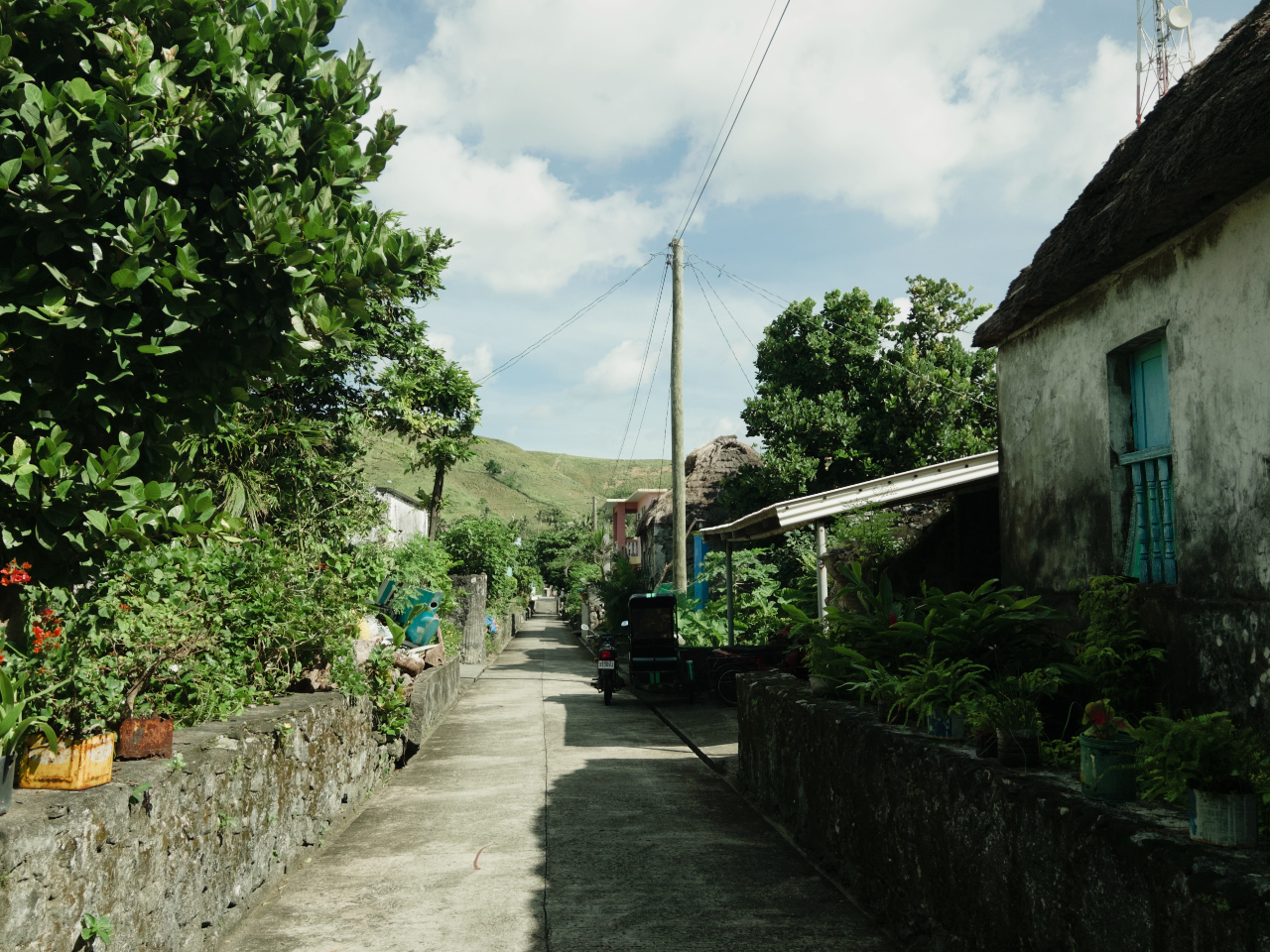
The Modern Ivatan House represents one possible path forward, a structure able to survive stronger storms while honoring the silhouette of the past.
Still, families like Jerold’s continue tending hundred-year-old homes even without certainty that someone will stay to inherit them.
And elders like Nanay Cela remain the last, unwavering keepers of memory.
What remains of Batanes is not just its stone houses. It is its people, those who stayed, those who try to return, and those who still believe the culture is worth saving. —NB, GMA Integrated News

