
We use cookies to ensure you get the best browsing experience. By continued use, you agree to our privacy policy and accept our use of such cookies. For further information, click FIND OUT MORE.
HOLLYWOOD INSIDER
By Janet Susan R. Nepales
February 12, 2019
LOS ANGELES — On Sunday, February 24, only one will be crowned Best Actor in a Leading Role at the 91st Academy Awards.
Will it be Christian Bale for his riveting performance as former Vice President Dick Cheney in “Vice”? Or will Viggo Mortensen steal it from him for his memorable performance as the tough New York City bouncer-turned driver Anthony Vallelonga, better known as Tony Lip, in “Green Book”?
But don’t rule out Rami Malek who impressed many with his performance as the eccentric and colorful lead singer of the rock band Queen, Freddie Mercury, in “Bohemian Rhapsody.” Or the underrated actor Willem Dafoe who delivers a dramatically moving portrait of painter Vincent Van Gogh in “At Eternity’s Gate.”
Last but not least, there is Bradley Cooper, who may have been forgotten on the list of directors but not on the list of best actors this year, for his very emotional and powerful performance as famous country music singer Jackson “Jack” Maine in “A Star is Born.”
All very notable performances, but only one will reign supreme on Oscar night.
We talked to all these Oscar nominees and here are excerpts of our conversations with each one of them.
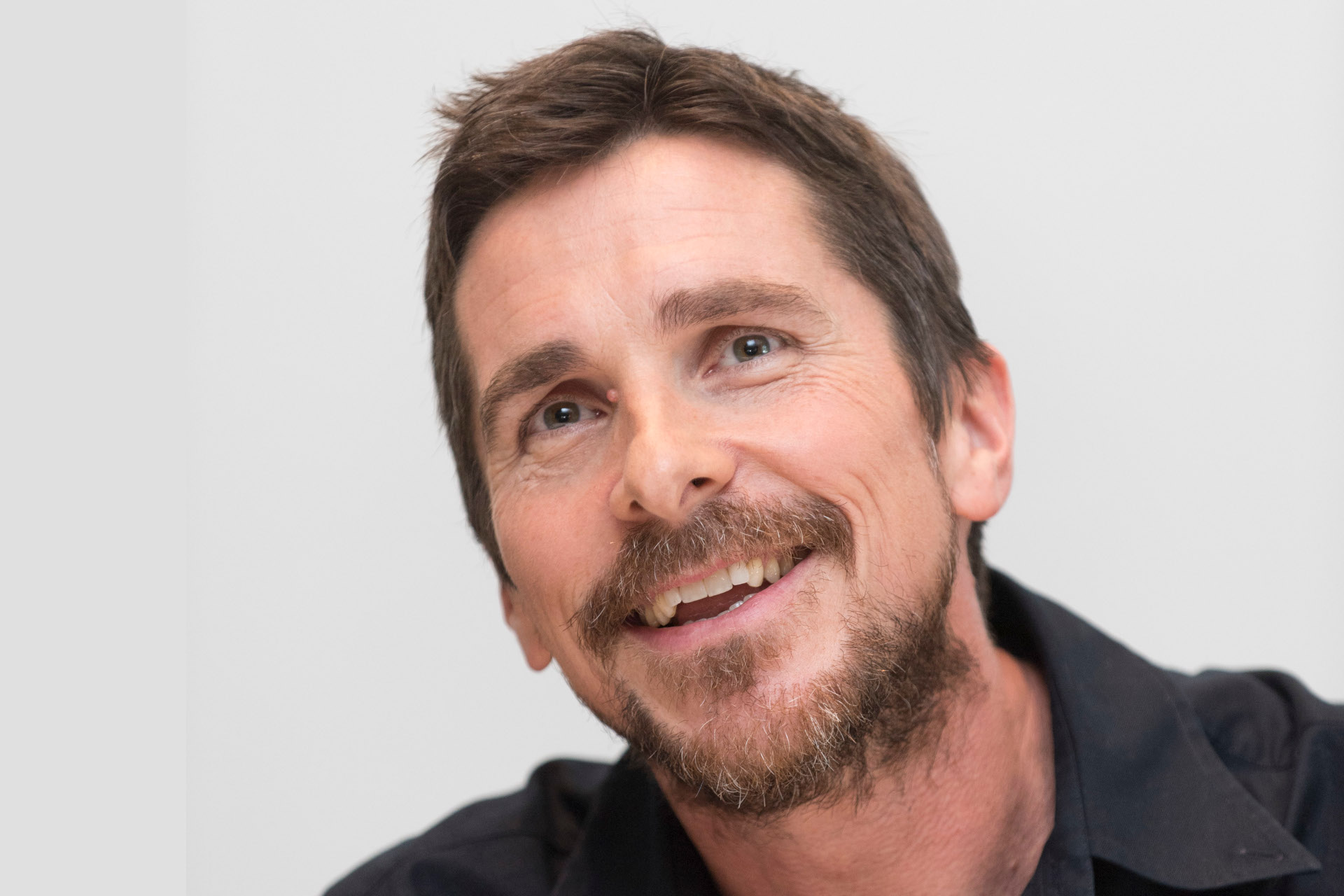
As you approached this character, it would be very easy to make him a villain and especially how the general public perceives him. But when you started walking in his shoes so to speak, did you gain a different insight into the method of the madness?
Yeah, I didn’t have any interest in just looking at him as a villain, because I think that would have been absolutely predictable and a bunch of bloody Hollywood liberals just doing their slog and vilifying somebody who I had the opportunity to just bump into people who then revealed that they knew him, who would say to me hey please, he’s not a demon, don’t do that.
Other people who would say give it to him, he’s a war criminal, he should be locked up, and he brings out really strong reactions in people. And it just felt, the only interesting way to approach this, is that Adam (McKay, director) is a very strong minded, politically open gentleman, you have met him, and he doesn’t make any attempt to restrain himself and he is not reticent about his political views.
But you got a look at me on the screen, so if I am open about my political views, it’s going to ruin the performance and it’s going to ruin the film. So I don’t want you thinking about that. So I said to Adam, well the only way this is going to work, is if I truly, truly, really try to get into his mindset, understand it.
Did you capture his mannerisms
Oh of course. I watched him endlessly, there’s just so much Dick Cheney on this phone. (laughts) It’s ridiculous. And I have confusion about him as well because I did enjoy playing him so much and the environment that there’s a certain part of me, I see his face and I go aw, there’s my Dick. (laughts)
So that to me was the only interesting thing, was that if Adam allowed me to really counter him and Adam was really up for that and he really enjoyed it, he loved hearing my thoughts on why what Adam disagreed with was actually good, a sort of real world approach. And I think that really makes for the poignancy in the film, because I don’t know about your guys experience of watching it, but for me, it was such a run in the gamut of emotions for me watching this film, which I didn’t even, having made it, think that that was going to be possible .
I was bawling my eyes out at moments because there are such relatable moments with his family and when he was a bloody good dad. And then aw man, the tragedy of what happens later in the film when the one daughter kind of has thrown the other daughter under the bus. And that was very public and I didn’t feel like we were being invasive on their personal side there, because it was a public feud. And all of that being so moving and then also I was referring to many more Cheney’s than people would think in the world, considering yourself, what would you do in that situation? If it was actually you watching those towers coming down and you felt it’s on me, it’s all on me about how we respond right now, what would you truly do with that just terrible burden on you?
So that to me made it really fascinating, countering Adam, and that has made it not only into a hilarious and entertaining film because of just how ridiculous the nature of politics is, but how beautifully poignant it is and what it speaks to about who we are as a nation. And for myself as a dad, I look at it and think who am I as a dad when I am seeing how he behaves and I truly think it’s an absolute masterpiece. And I have had weeks to reconsider this statement and still believe it. I was blown away by this film and as moved by it in every emotion as much as any film that I have ever seen in my life. It’s absolutely staggering to me.
You love your wife very much and your parents. So don’t you think they worry about your constant weight change?
My wife loves it, because the fatter I get, the skinnier she looks. (laughs) She hates it when I’m like this.
You have done this extreme weight many times and how does it affect your personality and your organs?
Yeah, well I am open to being a guinea pig. (laughs) It certainly does affect your personality the heavier you get. It felt good being strong and all that, even though it was mostly fat, not muscle. But yeah, you do get more emotions, you get more nervous etc., the more weight you lose, the more in control of yourself you feel, the happier you feel. Not only do you feel like you are cleaning out your body physically, but you do feel like you are cleaning yourself out emotionally and mentally as well.
You just spoke about losing weight and gaining weight, all of that stuff, but your son is four and i wonder how it was for him to see dad gaining so much weight and losing so much weight and did he recognize you, because it must be weird for a kid that age.
I was like Balloo Bear and he just loved bouncing on my tummy. (laughs) He would just bounce on my tummy endlessly and actually that was very interesting because I think he just looks straight at the eyes because no matter what weight I have been at, whether I am bald or whether I am long haired or whether I am bearded or clean shaven, he doesn’t hesitate for a second, he doesn’t even stop to consider me, he just walks in and goes hey dad.
And I always go, wait, what, and everyone else goes, and he would never question it. So I don’t know, it’s either just a vibe that he gets, or he just goes straight for the eyes and knows alright, that’s daddy.
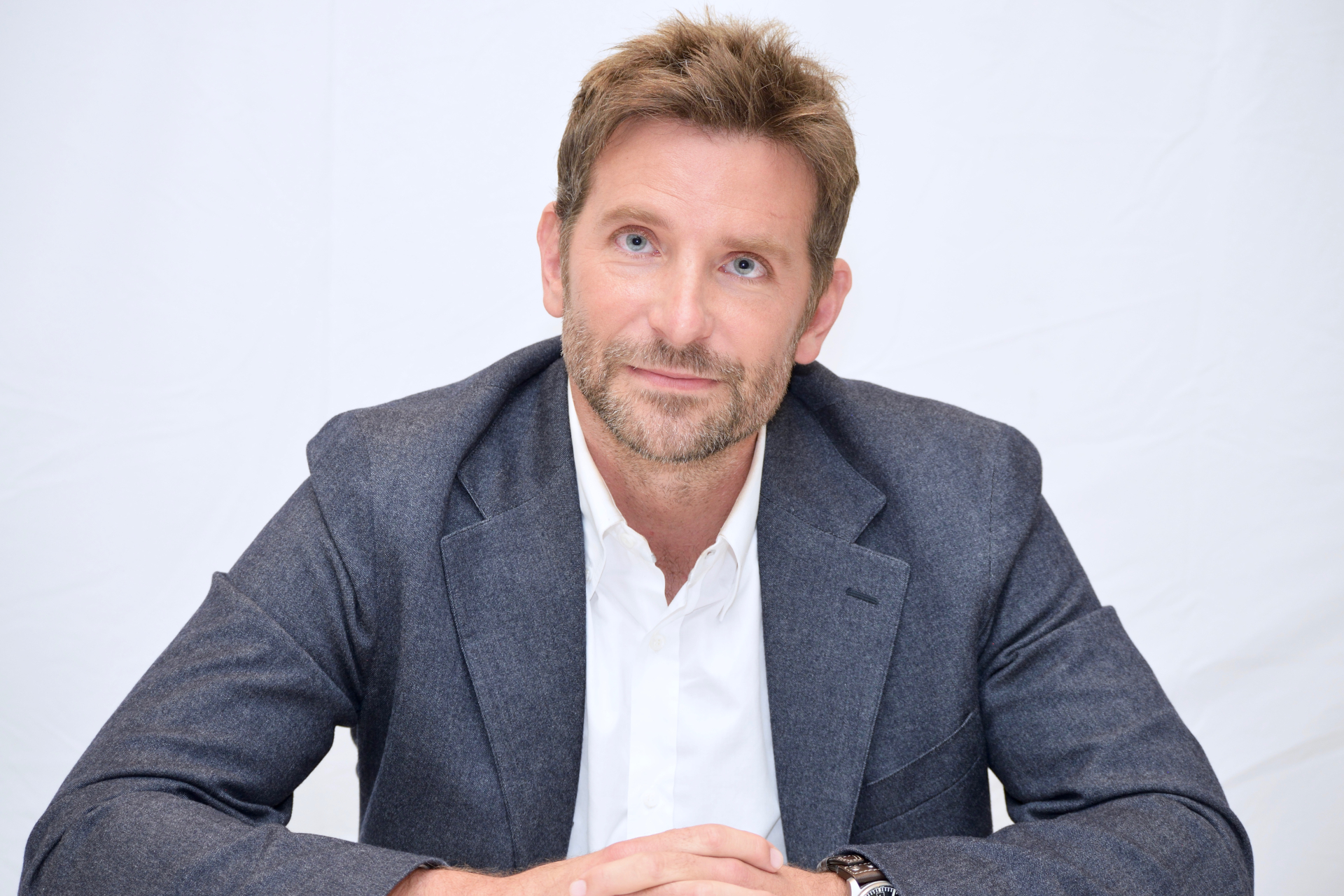
Did you have any reservations making a remake?
I had no reservations at all. If you said to me, you’re at this stage in your career, go take three years and remake “A Star is Born” for the fourth time… (laughs) that’s not such a smart move. But I had no choice, honestly, because I just knew it deep down. I had a point of view about this story and that’s what drove me all the time through it. And that’s what has driven me to all the greatest experiences I’ve had. Doing the “Elephant Man” was a similar thing. It’s usually when most people tell you not to do it that it’s kind of the right thing.
What else have you discovered about Lady Gaga aside from her voice, her eyes, her Italian heritage?
Oh everything, she’s an incredible human being, completely open, highly intelligent, touched from god with her voice. Every day that she would sing on set, the whole crew, we were just sort of in awe. She’s such a better singer than I ever even realized, I really do believe she’s one of the great voices of many years. But she’s just so relatable. I just love her. We have a similar background, Italian and I don’t call her… her name’s Stefani Germanotta and I call her Stefani. And she’s just great. I just got lucky because you never know. We had an incredible chemistry. I think it’s the most chemistry I’ve ever had with an actress in a movie.
What did you learn about yourself with this journey?
The thing I take away the most from… outside of wonderful relationships that I’ve built through this experience is if I get a chance to direct again and write, my instincts… to really follow your instincts. And instincts matched with work ethic is a good combination.
Having seen this movie, having spent a lot of time watching yourself perform, what’s your relationship with music now? Are you still singing? Is this something you’re going to do more?
Yeah, it’s interesting to learn the ins and outs of producing a show. Just where the cords go and the amps, learning all that stuff is fascinating. I definitely look at a concert differently now when I go, see how they set up everything, their equipment, in a way that I never did before. I’m not singing now, no. It’s just the thing about storytelling is you finish one thing and this was a big chunk of my life, or professional life, then you go on you find something else that inspires you and then you dive right into that.
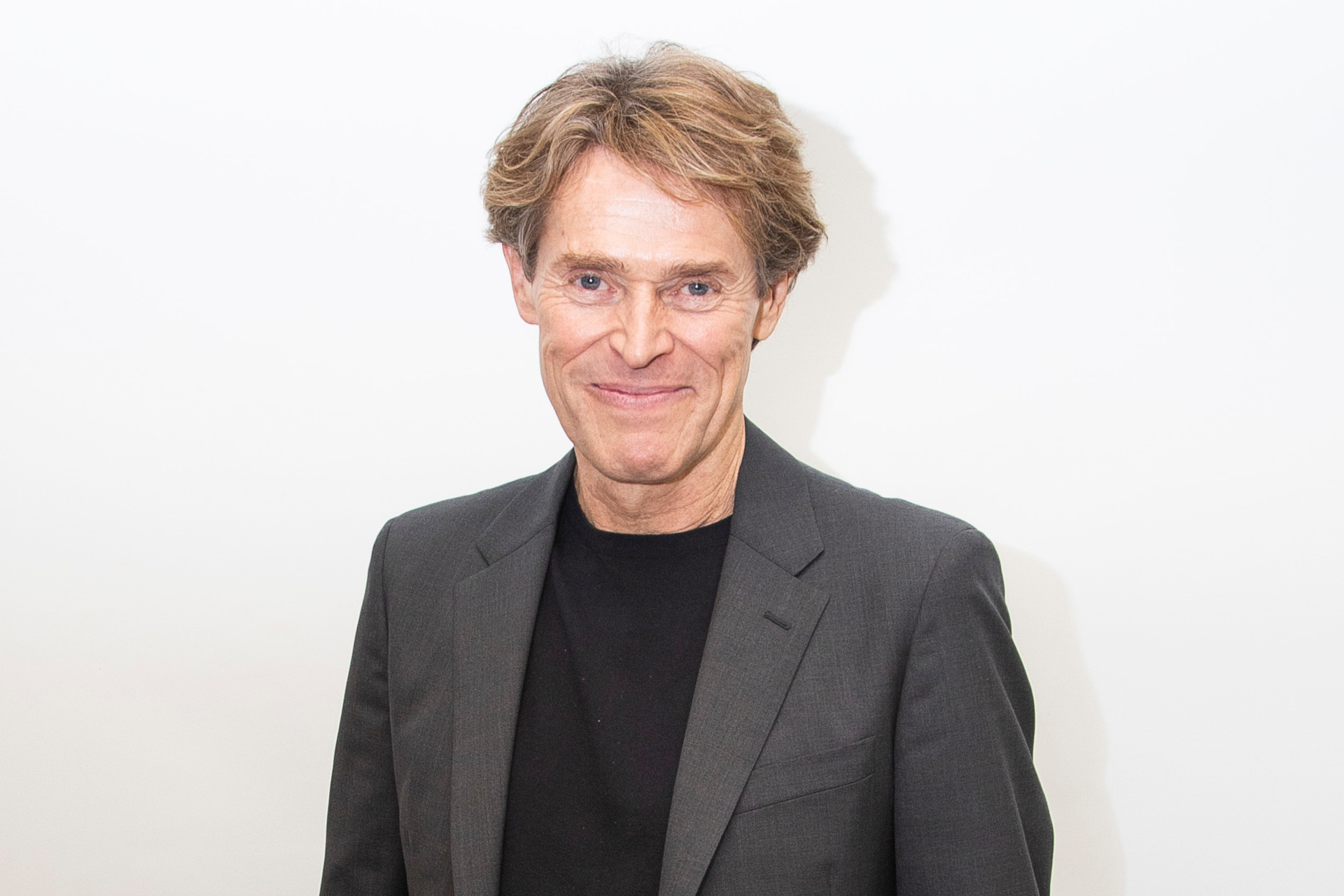
Were you influenced by your environment, especially in the scene in the asylum?
Part of the asylum is a museum and the other part is still a functioning hospital and there were patients around. And in that scene when I'm with my brother and he crawls into bed with me, the people around us, we created a set, but the people around us were patients there. And some of them had serious disabilities and serious mental difficulties.
So as you're doing the scene, you're getting the sound track of them in an uninhibited way, making noises and just struggling. So that really affects you and just being in that place, the energy…having been an asylum and still an asylum really affected you. So it was a strong feeling because you felt like you started to not necessarily identify with those people, but you were with those people, they were people that was your world. So it transports you and really makes you more open to being another person.
Had you painted before this film at all?
Just a little bit and on a very different level. Not on the same kind of level. I made a William Friedkin film many years ago called “To Live and Die in L.A.”, maybe 1984, three or four. And I played an artist in that and I did paint some, but I didn't have the same kind of training. And for Julian to teach me how to paint was the key to approaching this role. And was it just a beautiful life experience because it really changed how I see.
In the film Vincent Van Gogh was asked at one point, do you enjoy painting? He said yes, except when I fail. And I was interested in your, I guess the role of self criticism and self analysis as it pertains to your creative art, performing.
Yeah, it's there. I think doubt is part of things. I think the secret is to get familiar and accept doubt and be comfortable with it. Take it on. I think self-criticism is important, but self-obsession is not. So I think you've got to keep things moving. I think your lessons are learned intuitively, so I don't believe in studying what I do.
It's just if you have a reoccurring feeling that tends to block you, I think you have to address it, that's all. But other than that I'm a little bit avanti, avanti, avanti… and you make mistakes and sometimes they're more valuable than your successes to come to the next thing. So I think actors should act. I think it's important for performers to work and keep working. So yeah, self-criticism is always there, but I really try to not get bogged down in it.
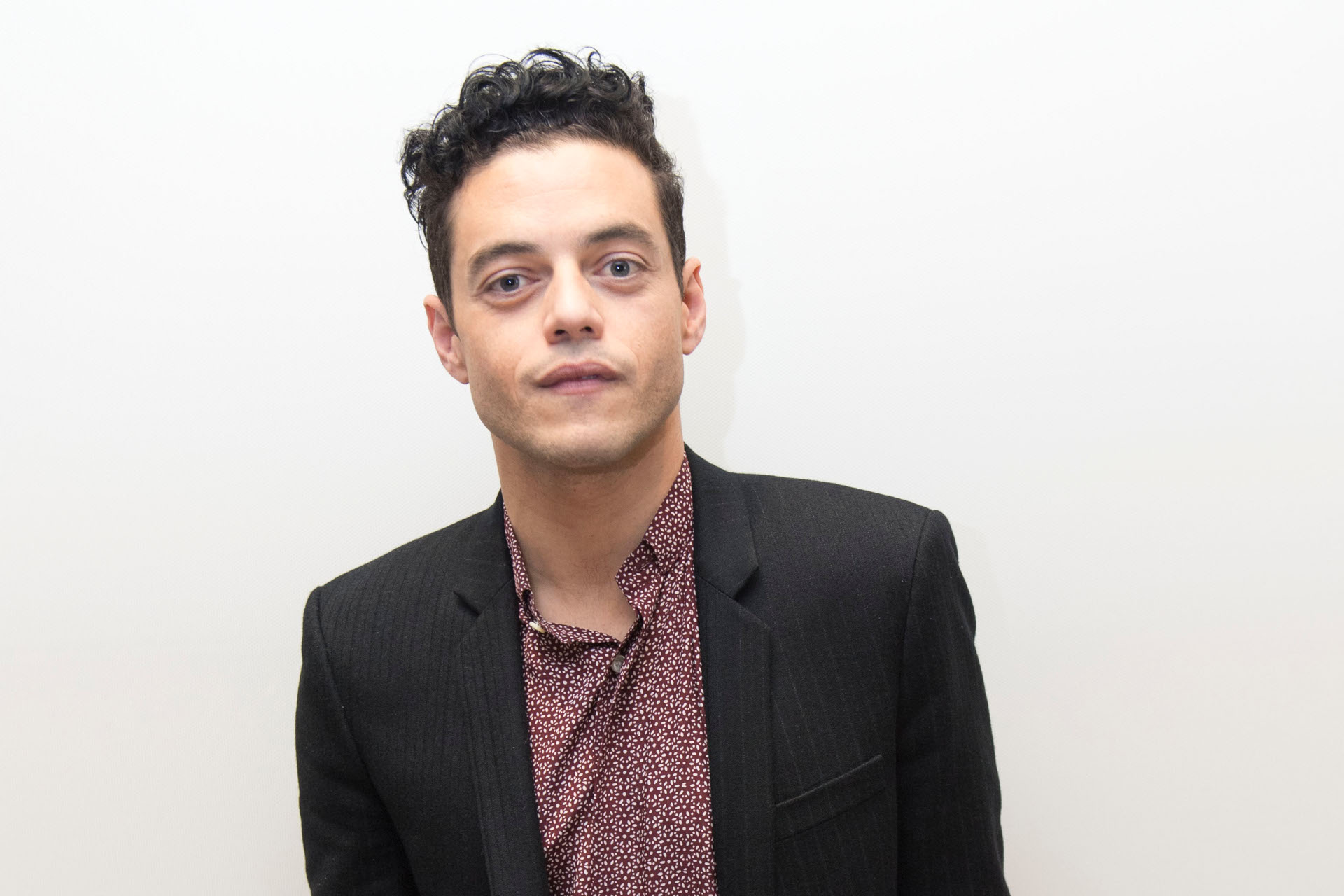
I want to take you back to the scenes of Live Aid and the first scenes that you shot, and what an unbelievable beginning for a shoot. When you stepped out on that stage, were you already him or was there a moment of trepidation? What was that whole feeling like at the beginning of the movie?
I never actually ever felt 100 percent him. There were times when I would glance and catch a glimpse of myself and say oh that’s nice, that feels good, because I can see someone reflected back at me that felt like someone I was truly emulating. Coming out on that stage is a feeling of absolute euphoria and elation and I had worked so hard to prepare for that moment that I felt like I owned it to some degree but at the same time, I think even Freddie even walking out on that stage was nervous and he knew how to hide it so well.
So anytime I had any doubt I would say you know what, if there was any doubt, Freddie could always persevere and find a way to step outside of that and really just own who he was, own that audience, hold them in the palm of his hand, and I tried every day just to do the same.
In your view, what makes Queen special and different than other bands and in which way do they connect differently with their own fans and how did you experience that as you were playing the part?
There’s songs that we hear and for some reason you instantly memorize. And some of them you can look at as very simple chants, like “We Will Rock You” and “We Are the Champions” and globally, those are things that everyone can repeat. Those are things that everyone wants to say. And, the ability for us to say them in unison is so spectacular. When you look outside at a Queen concert and you hear everyone unified, singing the same song, and thinking of any other aspect of their lives, who they are and where they come from, they are just happy about it and invigorated by it. And it’s something that is timeless. And that freedom that exists in their music is timeless.
Do you feel that you make the film, or the film makes you? And how did the film change you?
It changed me quite a bit. I got to, on “Mr. Robot,” I learned so much from Sam Esmail and I have been privileged to work with great directors and filmmakers and learn so much from just staying on set and not going back to my trailer, and watching how everything work. And what was very special about this film was, we had producers that, in Graham King and Denis O’Sullivan, that had been working on this for ten years, and Graham has been so invested in this.
So there’s a precedent set of how hard everybody is going to work and Freddie Mercury set a pretty great precedent, Queen as well. And then just surrounding ourselves with people at every craft, makeup, costume, production design, everybody felt that something very special was going on here, myself included.
And I raised my game every day to do the best I possibly could and I feel I do that in all my jobs, but this was on another level, it was something communal, something very special was going on here and I just felt this immense amount of confidence and I don’t know if he was lending me some of his or where it was coming from, but it was this undeniable need to do him justice, to do their story justice and to give a new generation possibly a taste of why we appreciate Queen the way we do.
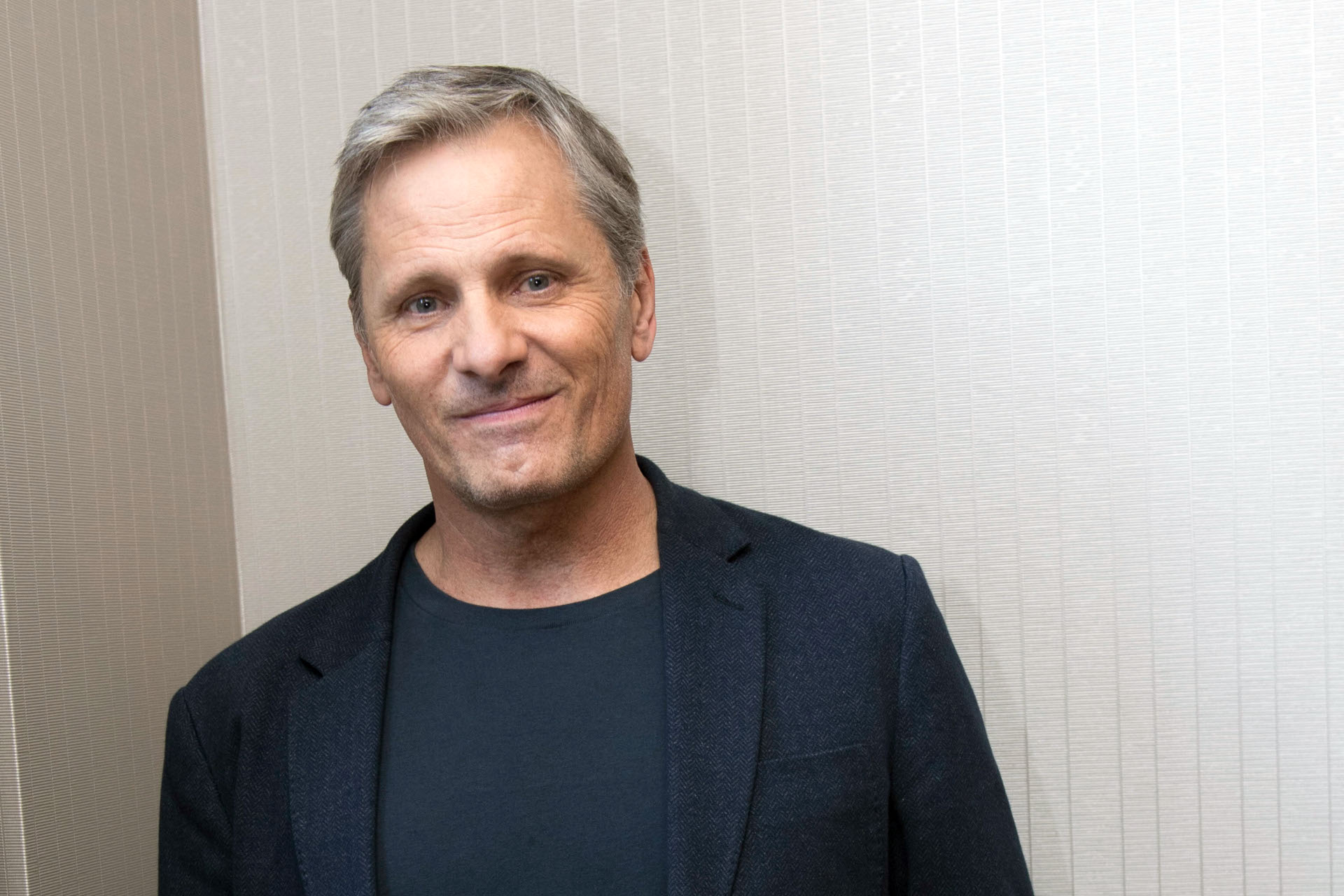
Have you ever met somebody who has changed your perspective in life? And what did you learn particularly about Tony Lip that helped you to take on the script?
I have met lots of people who have changed my perspective and not just authority figures, whether it’s directors or movies or politicians I have heard speak, just people on the street. Cab drivers or people I have stood in line with and in the supermarket or Post Office and there are conversations you can have where you go oh really, I never knew that, and all of a sudden, you learn something that you didn’t know. That can happen every day if you want on some level.
Did you learn something about Tony Lip that made you portray him so vividly?
Well a lot of it was from the family, just listening to how they spoke and the way they gestured. As I have gotten more comfortable and I thought well it’s not completely impossible that I could play this character, and then I started remembering things from even a long time ago when I was a little kid in Argentina and I remember certain little kids that I guess were, they had Italian last names, so there is a certain body language.
But it was mostly the Vallelonga family and if it wasn’t for them, I wouldn’t have been able to make his behavior so detailed and feel, it would have been more difficult, not impossible, but they made it a lot easier. I just went and spent time with them. A great thing for me but I think also for the movie was that the three writers, Pete, Nick and Brian, were there every day on the shoot, all the time. Sometimes it was kind of funny because it was like they are very different, but they are a good team and they are like The Three Stooges. And you look to the director and there are these three guys in the back. (laughs)
So sometimes I would look at Mahershala (Ali, the co-star) and go, do you think we are okay? No, but I would look at them. And then there were certain specifics about behavior, gesture, and eating and smoking at the same time, which was something I was told he did a lot. And exactly how you would hold a cigarette, I would just ask Nick. And he would do that at home and do that all the time, eating, drinking and smoking.
And I would say how did he hold the thing, and just little things like that and it was great to have him there and I didn’t have to call and say I am doing a scene with smoking and eating at the same time, tell me what hand or whatever, just little things. We were also not shooting in New York City, we were shooting in Louisiana, and the only person on the set who sounded the way my character should sound other than me hopefully, was Nick. So he was a reference for me a lot and it was helpful.
Was it easy for you to embody the character? It was so unique and you got lost in the character. What was your inspiration?
Well I was nervous at first, in fact I said to Pete (Farrelly, the director), in fact if you talk to him he will probably tell you in more detail, I think he just thought that I would do it and there would be no big deal. But I was nervous because I am not an Italian or an Italian-American and I didn’t want to do a caricature and I didn’t want to disrespect people who were that.
And I am also aware as an actor that there are some really good Italian-American actors and some great Italian-American characters on television and the movies and in recent years, so I was nervous about that, even though the script, there was no question the first time I read it, I was just blown away. I have been in some good movies, “Captain Fantastic” before this one and either “Captain Fantastic” and “Green Book,” normally an actor would be happy to just have one of those in his whole career, so I have been fortunate that I have had a few good movies with good scripts.
But I don’t think I ever read an original screenplay that was that solid, that was that strong, that was that entertaining, well-structured and dialogue that was so sparkling. And it was also a profound story and it made me think seriously about history and about where we are at now and all these things. But one of its strengths is that it doesn’t tell you that you have to feel a certain way or you should think a certain way, and it’s not told for one benefit of society or thinking about one group or preaching to the converted, it’s just a great story about two people that existed and you walk out of the theater I think, I have heard this from many people, feeling differently than when you walked in and feeling slightly more positive, or maybe a lot more positive, depending on the person, with a little hope for the possibility that individuals can make changes in society.
It starts from just each encounter, how you behave with people and you don’t have to be afraid to just look at someone and say hello just because you have a feeling that they are different and you may not like them, it’s that kind of story. And that doesn’t come along often and in our times I think it’s valuable on that level too.

SHARE THIS STORY